Are you wondering if you should feed your German Shepherd puppy adult dog food? It’s a common question many dog owners face.
Choosing the right food can feel confusing, especially when you want the best for your growing pup. What you feed your German Shepherd now can impact their health, energy, and development for years to come. So, should you stick with puppy food, or is adult dog food ever a good choice?
Keep reading to discover what veterinarians really recommend and how to give your furry friend the nutrition they need to thrive.
Nutritional Needs Of German Shepherd Puppies
Understanding the nutritional needs of German Shepherd puppies is crucial if you want to support their healthy growth and development. These energetic pups have specific dietary requirements that differ significantly from adult dogs. Feeding them the right food at this stage can impact their long-term health and vitality.
Growth Requirements
German Shepherd puppies grow rapidly during their first year. Their bodies need extra calories and nutrients to build strong bones, muscles, and organs. You must provide food that matches their fast growth pace without causing excessive weight gain.
Too many calories can lead to joint problems later in life. That’s why balanced growth is more important than just feeding large amounts. Are you aware that overfeeding during this stage can be as harmful as underfeeding?
Essential Nutrients For Puppies
Puppies require higher amounts of protein compared to adult dogs. Protein supports muscle development and overall body function. Look for foods rich in high-quality animal proteins like chicken, beef, or fish.
Calcium and phosphorus are also vital for healthy bone formation. Vitamin D helps these minerals absorb properly. Additionally, puppies need DHA, an omega-3 fatty acid that boosts brain and eye development.
- High protein (around 22-32%)
- Balanced calcium to phosphorus ratio (about 1.2:1)
- Essential fatty acids, especially DHA
- Vitamins and minerals to support immune function
Differences From Adult Dogs
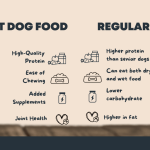
Adult dog food formulas do not meet the high energy and nutrient demands of growing German Shepherd puppies. Puppy food contains more calories, protein, and certain vitamins than adult dog food.
Feeding adult food to a puppy may lead to nutrient deficiencies or slow growth. It may also lack the right balance of minerals needed for bone development. Have you checked if your puppy’s food is designed specifically for their age group?
Choosing the right diet early on sets a foundation for your German Shepherd’s health. Ignoring these differences can cause avoidable health issues down the road.
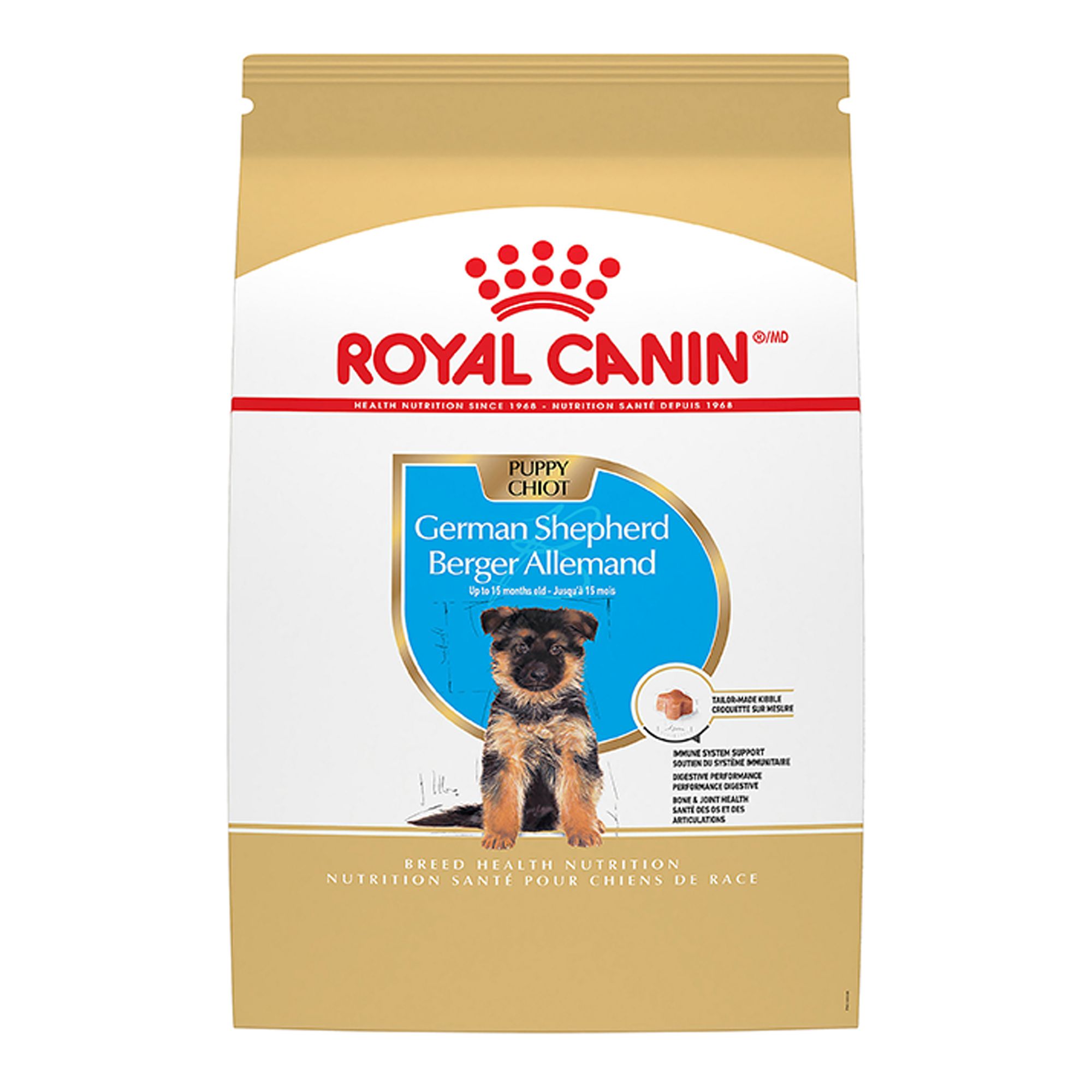
Credit: www.petsmart.com
Risks Of Feeding Adult Dog Food To Puppies
Feeding adult dog food to German Shepherd puppies carries several risks. Puppies have different nutritional needs than adult dogs. Adult dog food may not support a puppy’s fast growth and development. This can lead to health problems and poor development.
Potential Nutrient Deficiencies
Adult dog food often lacks essential nutrients for puppies. Puppies need more protein, fat, vitamins, and minerals. These nutrients support muscle growth and brain development. Without enough nutrients, puppies may grow weak or sick. Deficiencies can cause long-term health issues.
Impact On Growth And Development
Puppies grow quickly and need extra calories and nutrients. Adult dog food has fewer calories and lower nutrient levels. Feeding adult food may slow bone and muscle growth. It can affect the puppy’s energy and overall development. Proper puppy food helps build strong bones and healthy organs.
Digestive Concerns
Puppies have sensitive digestive systems. Adult dog food can be harder to digest. This may cause stomach upset, diarrhea, or vomiting. Puppy food is designed for gentle digestion and better nutrient absorption. Feeding the right food reduces digestive discomfort and supports health.
Veterinarians’ Recommendations
Choosing the right food for a German Shepherd puppy is crucial. Veterinarians often guide pet owners to ensure healthy growth. Their recommendations focus on providing the best nutrition. Let’s explore the specific advice they offer.
Preferred Puppy Food Formulations
Veterinarians recommend foods rich in protein and fat for puppies. These nutrients support rapid growth and energy needs. Look for formulations with DHA for brain development. Omega fatty acids contribute to a shiny coat and healthy skin. Avoid fillers like corn and wheat. They offer little nutritional value.
When To Transition To Adult Food
German Shepherds mature at a slower pace. Veterinarians suggest waiting until 12 months to switch. Some recommend waiting until 18 months for larger breeds. This ensures their bones and muscles develop properly. Monitor your puppy’s weight and health during the transition.
Breed-specific Advice
German Shepherds have unique dietary needs. High-quality kibble supports their active lifestyle. Joint supplements can prevent future problems. Choose foods with glucosamine and chondroitin. These ingredients support joint health. Regular vet visits will keep their diet on track.
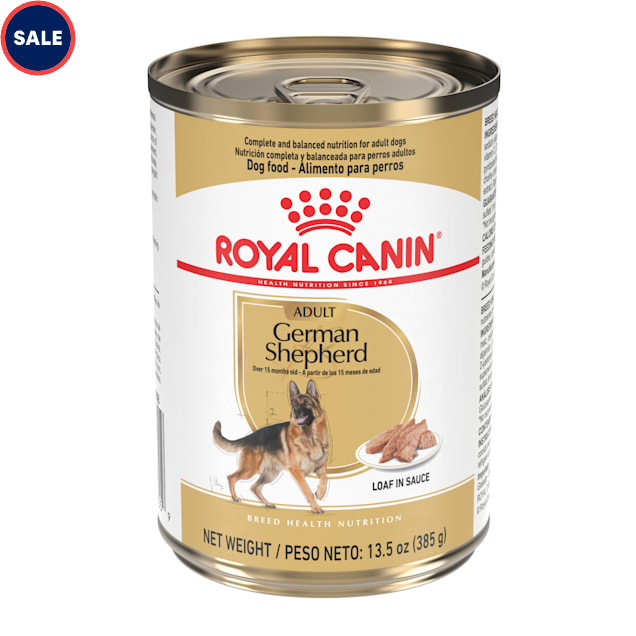
Credit: www.petco.com
Choosing The Right Food For German Shepherd Puppies
Choosing the right food for German Shepherd puppies is vital for their growth and health. These puppies need a balanced diet rich in nutrients to support strong bones, muscles, and a healthy immune system. Feeding them the right food helps prevent future health problems and keeps their energy levels high. Understanding what to include and avoid in their diet ensures they get the best start in life.
Key Ingredients To Look For
- High-quality protein such as chicken, beef, or fish supports muscle growth.
- Healthy fats like omega-3 and omega-6 fatty acids promote coat and brain health.
- Complex carbohydrates provide steady energy for active puppies.
- Vitamins and minerals strengthen the immune system and bone development.
- Glucosamine and chondroitin support joint health, crucial for large breeds.
Avoiding Common Additives
- Artificial colors and flavors can cause allergies or digestive issues.
- Excessive fillers like corn and wheat offer little nutritional value.
- Preservatives such as BHA, BHT, and ethoxyquin may harm long-term health.
- Too much salt or sugar can lead to health problems over time.
Reading Pet Food Labels
Look for the first few ingredients to be high-quality meats or meat meals. Avoid vague terms like “meat by-product” or “animal digest.” Check for clear sources of protein and fats. Ensure the food meets AAFCO standards for growth or all life stages. Understanding labels helps pick food that meets your puppy’s needs precisely.
Signs Your Puppy Needs A Dietary Change
Watching your German Shepherd puppy grow is exciting. Their diet plays a huge role in their health. Sometimes, their current food might not fit their needs anymore. Recognizing signs that your puppy needs a dietary change helps keep them healthy and happy. These signs can be easy to spot if you know what to watch for.
Behavioral And Physical Indicators
Your puppy’s behavior can signal a need for diet change. Look for:
- Low energy or excessive tiredness
- Frequent hunger or begging for food
- Digestive issues like diarrhea or constipation
- Dull coat or excessive shedding
- Slow growth or weight loss
- Changes in stool consistency or smell
Physical signs often show early and alert you to problems. Puppies grow fast and need the right nutrients.
Consulting Your Veterinarian
A vet can give the best advice on diet changes. They know what nutrients your puppy needs at each stage. Share any behavior or health concerns with them. Your vet may recommend specific puppy food or supplements. Regular check-ups help track your puppy’s growth and health.
Adjusting Portions And Feeding Schedule
Portion size and feeding times affect your puppy’s health. Overfeeding can lead to obesity and joint problems. Underfeeding can cause malnutrition and slow growth.
- Feed smaller meals more often for better digestion
- Follow feeding guidelines on puppy food packages
- Adjust portions based on your puppy’s weight and activity
- Keep a consistent feeding schedule for routine
Monitor your puppy’s response to changes. Adjust as needed to meet their growth needs.

Credit: gsdcolony.com
Frequently Asked Questions
Can German Shepherd Puppies Eat Adult Dog Food?
German Shepherd puppies need puppy-specific nutrition for growth. Adult dog food lacks essential nutrients for their development. Veterinarians recommend puppy food until maturity to ensure balanced nutrition and healthy growth.
Why Do Vets Advise Against Adult Food For Puppies?
Adult dog food has fewer calories and nutrients needed for puppies. It may cause growth issues and nutrient deficiencies. Vets advise puppy food for proper bone, muscle, and brain development in young dogs.
When Can German Shepherds Switch To Adult Dog Food?
Most German Shepherds switch to adult food between 12 to 18 months. This depends on their size, growth rate, and vet’s advice. Transitioning too early or late can affect their health and nutrition.
What Are The Risks Of Feeding Adult Food Early?
Feeding adult food too early can stunt growth and cause nutrient gaps. Puppies might develop weak bones, poor immunity, and slow brain development. Proper puppy food prevents these risks by meeting their higher energy needs.
Conclusion
German Shepherd puppies need special food for healthy growth. Adult dog food lacks some nutrients puppies require. Vets usually suggest puppy food for the best start. Feeding the right food helps build strong bones and muscles. Choosing the correct diet supports their energy and brain development.
Always check with your vet before changing your puppy’s diet. Proper nutrition now leads to a healthier adult dog later. Keep your puppy’s needs in mind for a happy life.