
You want the best for your dog, and that includes feeding them the right food at the right time. But how do you know when your puppy should switch from puppy food to adult food?
Making this change too early or too late can affect their health and growth. You’ll discover the signs to watch for and the best time to make the switch. Keep reading to ensure your furry friend stays healthy and happy every step of the way.
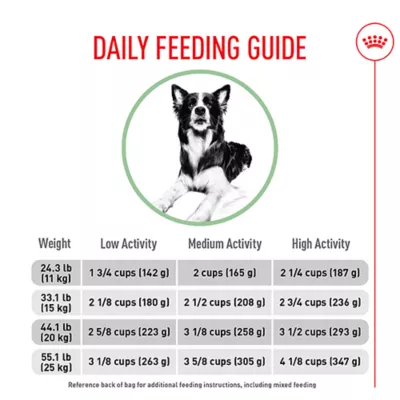
Credit: www.petsmart.ca
Puppy Growth Stages
Puppy growth stages are crucial times that shape a dog’s health and behavior. Each stage has unique needs and changes. Recognizing these stages helps to decide the right time to switch from puppy food to adult food. Growth happens fast in the first year and slows down after that.
Key Development Milestones
- Birth to 8 weeks: Puppies rely on their mother’s milk and begin socializing.
- 8 to 16 weeks: Rapid growth; teeth start coming in, and puppies learn basic skills.
- 4 to 6 months: Growth slows but energy stays high; permanent teeth replace baby teeth.
- 6 to 12 months: Physical maturity approaches; behavior and training become more consistent.
- 12 months and beyond: Most dogs reach adult size and strength during this time.
Nutritional Needs During Growth
Puppies need food rich in protein, fat, and essential vitamins. These nutrients support bone and muscle growth. The diet should also have DHA for brain and eye development. Puppy food is calorie-dense to meet high energy demands.
As puppies grow, their nutrient needs change. By 12 months, many dogs need less fat and calories. Adult dog food supports a balanced diet for maintenance. Switching food at the right time helps avoid weight gain or nutrient gaps.
Signs Your Dog Is Ready
Knowing when to switch your dog to adult food can be tricky, but there are clear signs that indicate your furry friend is ready. Paying attention to specific physical and behavioral changes will help you make the right decision and ensure your dog gets the nutrition it needs at each stage of life.
Physical Changes To Watch For
Your dog’s body undergoes several changes as it grows. One key sign is the development of adult teeth, which usually happens around 6 months of age. If you notice your puppy’s baby teeth falling out and adult teeth coming in strong, it’s a good signal that a diet shift might be necessary.
Another physical indicator is your dog’s size and weight. When your pup reaches about 80% of its expected adult size, it’s often time to consider adult food. This ensures their diet matches their slower growth rate and changing energy needs.
Behavioral Indicators
Changes in your dog’s behavior can also signal readiness for adult food. Puppies tend to be highly energetic and hungry more often. As they mature, their appetite might stabilize, and their activity levels can decrease.
Have you noticed your dog becoming less hyperactive or showing less interest in constant snacking? These behavioral shifts often mean their metabolism is slowing down, and switching food can help prevent unnecessary weight gain.
Breed And Size Considerations
Switching a dog to adult food depends on breed and size. Each dog grows at its own pace. Understanding the right time to switch is crucial. It ensures proper nutrition and health. Small and large breeds have different timelines for this transition. Let’s explore these timelines.
Small Breeds Timeline
Small breeds mature faster than larger ones. They typically reach adulthood between 9 to 12 months. At this stage, they need adult food for balanced nutrition. Watch their weight and energy levels. Consult a vet for specific dietary needs.
Large Breeds Timeline
Large breeds grow slower than smaller ones. They may not reach adulthood until 18 to 24 months. During this time, they need more calories for growth. Transitioning too early can lead to health issues. It’s essential to monitor their development.

Credit: www.reddit.com
Comparing Puppy And Adult Food
Choosing the right food for your dog is crucial as they grow. Puppy food and adult food differ in important ways that affect your dog’s health, energy, and development. Understanding these differences can help you decide the best time to switch your furry friend to adult food.
Nutrient Differences
Puppy food contains higher levels of protein and fat to support rapid growth and development. It also has more calories per serving to meet the energy needs of active puppies.
Adult dog food, on the other hand, has balanced nutrients designed to maintain health without encouraging excessive weight gain. It often contains fewer calories and adjusted levels of vitamins and minerals suitable for mature dogs.
Have you noticed your puppy’s energy levels changing as they grow? This might signal when their dietary needs start to shift.
Benefits Of Each Type
- Puppy Food:Promotes strong bones and muscles with added calcium and DHA for brain development.
- Adult Food:Supports healthy metabolism and weight management to prevent obesity in less active dogs.
Switching too early can leave a puppy undernourished, while switching too late might cause unnecessary weight gain. Pay attention to your dog’s growth rate and activity to make the best choice.
Transitioning Process
Switching your dog from puppy food to adult food is an important milestone. This change needs to be smooth to avoid upsetting your dog’s stomach or causing picky eating habits. The key is to make the transition carefully and watch how your dog adjusts.
Gradual Food Changes
Start by mixing a small amount of adult food into your dog’s current puppy food. Over the next 7 to 10 days, slowly increase the portion of adult food while decreasing the puppy food.
- Day 1-3: 25% adult food, 75% puppy food
- Day 4-6: 50% adult food, 50% puppy food
- Day 7-9: 75% adult food, 25% puppy food
- Day 10: 100% adult food
This slow change helps your dog’s digestive system adjust and reduces the risk of diarrhea or vomiting. Have you noticed your dog’s reactions when switching foods too quickly? Taking it slow can save you from an upset tummy and extra vet visits.
Monitoring Your Dog’s Response
Pay attention to how your dog reacts during the transition. Look for signs like changes in energy, stool quality, and appetite.
- If your dog refuses the new food, try mixing in some warm water to enhance flavor.
- Loose stools or constipation may mean the change is too fast or the food doesn’t suit your dog.
- Keep track of any unusual behavior like lethargy or excessive scratching.
By observing these signals, you can decide whether to slow down or pause the switch. What small changes in your dog’s behavior have you noticed during food changes? Your careful attention can make a big difference in keeping your dog happy and healthy.

Credit: petheavenblogs.com
Common Mistakes To Avoid
Switching your dog to adult food is a crucial step in their growth, but many pet owners make avoidable mistakes. These errors can affect your dog’s health, energy levels, and overall well-being. Understanding common pitfalls helps you make the right choices at the right time for your furry friend.
Switching Too Early Or Late
Changing your dog’s diet too soon can cause digestive issues and nutrient imbalances. Puppies need the extra calories and nutrients to support rapid growth, so premature switching may stunt their development.
On the other hand, waiting too long to switch can lead to excess calorie intake and obesity. Adult formulas are designed to maintain weight, not support growth, so feeding puppy food past maturity can cause problems.
Ask yourself: is your dog showing signs of maturity, like permanent teeth and steady growth? This can guide you better than strict age rules.
Ignoring Individual Needs
Every dog is unique, and what works for one may not work for another. Size, breed, activity level, and health all affect dietary needs.
For example, a large breed dog may need to switch later than a small breed due to slower growth rates. Active dogs might require more calories, even as adults.
Observe your dog’s condition and energy. Are they maintaining a healthy weight? Do they have shiny fur and good digestion? These clues help you tailor their diet rather than following a one-size-fits-all timeline.
Special Cases
Switching your dog to adult food isn’t always straightforward. Some dogs need special attention because of their unique health conditions or life stages. Understanding these special cases can help you make the right decision and keep your dog healthy and happy.
Dogs With Health Issues
If your dog has health problems like allergies, kidney disease, or diabetes, their diet needs careful adjustment.
Adult food for healthy dogs might be too rich or have ingredients that worsen these conditions.
Talk to your vet before making any changes—sometimes a special prescription diet is better than standard adult food.
Have you noticed changes in your dog’s energy or digestion? These signs can help you decide if a diet change is needed.
Pregnant Or Nursing Dogs
Pregnant or nursing dogs have increased nutritional needs that puppy or adult food may not fully meet.
Switching to adult food too early can leave them without enough calories and nutrients during this critical time.
Many vets recommend keeping them on puppy food or a specially formulated diet until weaning is complete.
Are you tracking your dog’s weight and energy levels during pregnancy? This can guide the best feeding choices.
Expert Tips For Feeding
Feeding your dog the right food at the right time plays a huge role in their health and happiness. Knowing when to switch to adult food isn’t just about age; it’s about understanding their unique needs and growth patterns. Here are expert tips that will help you make the best feeding choices for your furry friend.
Choosing Quality Food
Quality matters more than brand names or fancy packaging. Look for dog food that lists real meat as the first ingredient and avoids fillers like corn, wheat, or soy. Nutrients such as protein, fat, and fiber should fit your dog’s breed, size, and activity level.
Think about your dog’s digestion and energy needs. For example, active breeds like Border Collies require more protein than less active dogs. You might want to test a small portion first to see how your dog responds before making a full switch.
Consulting Your Veterinarian
Your vet knows your dog’s health history better than anyone else. They can give tailored advice on the right time to switch based on growth milestones and health conditions. Don’t hesitate to ask about potential allergies or specific dietary needs.
Veterinarians can also recommend brands or formulas that suit your dog’s metabolism and lifestyle. Have you ever noticed your dog’s coat or energy change after switching foods? Discussing these observations with your vet can guide better feeding choices.
Frequently Asked Questions
When Is The Right Age To Switch Dog Food To Adult Formula?
Most dogs should switch to adult food between 12 to 18 months. Large breeds may transition later. This timing supports balanced nutrition as growth slows and energy needs change.
How To Tell If My Dog Needs Adult Food Now?
Look for signs like slowed growth, reduced energy, and changing appetite. Consult your vet to confirm the best time to switch to adult food.
What Are The Benefits Of Feeding Adult Dog Food?
Adult dog food provides balanced nutrients tailored for maintenance, not growth. It supports healthy weight, digestion, and energy levels in mature dogs.
Can Switching To Adult Food Too Early Cause Problems?
Yes, switching too soon can lead to nutrient deficiencies. Puppies need higher protein and calories for growth, which adult food may lack.
Conclusion
Switching your dog to adult food matters for their health. Watch their age and size to decide the right time. Adult food supports steady energy and good growth. Avoid sudden changes to keep their stomach calm. Talk to your vet for the best advice.
Healthy food helps your dog live a happy life. Small changes make a big difference over time. Keep your dog’s needs in mind every day. Feeding well shows you care and helps them thrive.
