Are you planning a trip and wondering, “Can I take a dog on a train?” Traveling with your furry friend can be exciting but also a bit confusing.
You want to make sure your pet is comfortable and that you follow all the rules. This guide will answer your questions, reveal important tips, and help you prepare for a smooth journey with your dog. Keep reading to discover everything you need to know before hopping on that train together.
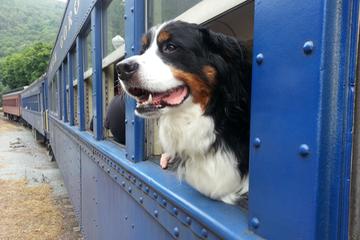
Credit: www.bringfido.com
Train Pet Policies
Train pet policies vary by company and route. Knowing these rules helps ensure a smooth trip for you and your dog. Each train service sets its own guidelines on pet travel. These guidelines often cover carriers, pet size, and breeds allowed onboard.
Carrier Requirements
Most trains require pets to stay inside carriers. The carrier must be secure, well-ventilated, and leak-proof. It should fit under the seat or in your designated space. Soft-sided carriers are usually preferred for comfort and flexibility. Some trains limit the carrier size, so check before you pack.
Pet Size Limits
Many trains allow only small dogs to travel in the passenger area. Usually, pets must weigh under 20 pounds. Larger dogs may need a separate ticket or travel in a cargo area. Size limits protect other passengers and keep the space safe. Always measure and weigh your dog before booking your trip.
Breed Restrictions
Certain breeds face travel restrictions on some trains. Aggressive or large breeds may be banned or need special approval. This rule helps maintain safety and calm onboard. Check the train company’s list of restricted breeds. Knowing this avoids surprises at the station.
Booking Your Ticket
Booking a train ticket for you and your dog requires some preparation. Knowing the rules about pets makes the process smooth. Train companies often have specific guidelines about pets and tickets. Planning ahead ensures your journey is comfortable and stress-free for both you and your dog.
Pet Fees And Charges
Most trains charge a fee for pets traveling onboard. This fee varies by company and route. Small dogs usually pay less or travel free if in a carrier. Larger dogs often require a paid ticket or a special pet fare. Check the exact fee before booking to avoid surprises at the station.
Reservation Tips
- Book your ticket early to secure a pet-friendly spot.
- Inform the railway company about your dog during booking.
- Carry all necessary documents, such as vaccination records.
- Choose direct routes to minimize travel time for your dog.
- Confirm pet policies as they can change without notice.
Travel Classes Allowed
Not all train classes allow pets. Economy class usually accepts small dogs in carriers. First-class may have stricter rules or no pets allowed. Some trains provide special pet compartments or areas. Check with the train service to find which classes permit pets. This helps you pick the best option for your trip.
Preparing Your Dog
Preparing your dog for a train trip is important for a smooth journey. It helps reduce stress for both you and your pet. Proper preparation ensures your dog stays safe and comfortable during travel.
Start early to give your dog time to adjust. Pay attention to health, packing, and training before the trip.
Health Checks
Visit the vet before traveling. Make sure your dog is healthy and up to date on vaccinations. Ask about motion sickness and ways to keep your dog calm. Carry a health certificate if the train company requires one.
Packing Essentials
Bring everything your dog needs during the journey. Include:
- Leash and collar with ID tags
- Comfortable carrier or crate
- Water and a spill-proof bowl
- Food and treats for the trip
- Waste bags for cleaning up
- Favorite blanket or toy for comfort
Training For Travel
Help your dog get used to travel sounds and spaces. Practice short trips in a carrier or crate. Teach your dog to stay calm around strangers and noise. Reward good behavior to build positive associations.
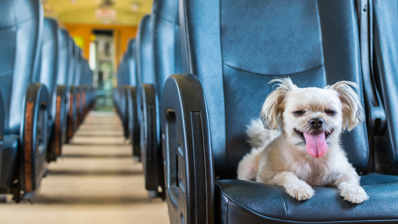
Credit: www.flava.co.nz
Day Of Travel Tips
Traveling with a dog on a train is possible but comes with rules. Small dogs usually need to stay in carriers during the trip. Always check the train company’s pet policy before booking.
Traveling with your furry friend by train can be an exciting adventure, but the day of travel requires some planning to ensure everything goes smoothly. Whether you’re a seasoned traveler or it’s your first time, having a set of tips can make a world of difference. From arriving early to keeping your dog calm, a little preparation goes a long way.Arriving Early
Arriving at the station early is not just a good idea; it’s essential. This gives you ample time to manage any unexpected issues, like finding the right platform or dealing with ticket discrepancies. Plus, arriving early allows your dog to acclimate to the busy environment, reducing anxiety before boarding.Boarding Procedures
Knowing the boarding procedures can save you a lot of hassle. Confirm the train’s pet policies in advance, as they vary. When it’s time to board, be mindful of other passengers and keep your dog close. A short leash is best for navigating crowded areas. This helps in maintaining control and ensuring your dog’s safety.Keeping Your Dog Calm
Keeping your dog calm during the journey is crucial for a pleasant experience. Bring their favorite toy or blanket for comfort. A familiar scent can be incredibly soothing amidst unfamiliar noises and vibrations. Consider using treats as positive reinforcement for good behavior. But be mindful of your dog’s diet and avoid overfeeding to prevent motion sickness. Are there specific things that help calm your dog? Share them in the comments; your tip might just help another pet parent!Onboard Etiquette
Traveling with your dog on a train can be a smooth and enjoyable experience if you respect onboard etiquette. Keeping your furry friend comfortable and being considerate to other passengers helps create a positive atmosphere for everyone. Let’s look at some key points to keep in mind while traveling together.
Leash And Carrier Rules
Most trains require dogs to be on a leash or inside a carrier at all times. This keeps your pet secure and prevents sudden movements that might startle others. If your dog is small, a soft-sided carrier can be a cozy space for them and makes it easier for you to move around.
Have you checked your train’s specific pet policy? Some services allow dogs to roam on a leash within certain areas, while others insist on carriers only. Preparing in advance saves you from last-minute hassles and keeps your trip stress-free.
Managing Noise
Dogs can get anxious or excited during travel, which might lead to barking. Try to keep your pet calm by bringing familiar toys or treats. A tired dog is less likely to make noise, so a good walk before boarding can help immensely.
What’s your plan if your dog starts barking? Having a strategy, like soothing them with gentle petting or distracting with a favorite chew, can make a big difference. Remember, other passengers appreciate a quiet environment too.
Interacting With Other Passengers
Not everyone is comfortable around dogs, so always ask before letting your dog approach someone. Respect personal space and watch for signs that your dog or the person might be uneasy. This consideration keeps interactions positive and avoids awkward moments.
Have you noticed how some dogs naturally attract attention while others prefer to stay low-key? Tailoring your dog’s behavior to the situation shows respect and helps you connect with fellow travelers without causing discomfort.

Credit: tvpworld.com
After The Journey
Once your train journey with your dog is over, the care doesn’t stop. How you handle the time right after the trip can make a big difference in your pet’s comfort and willingness to travel again. Paying close attention to your dog’s needs will help both of you enjoy future adventures together.
Exercise And Hydration
After sitting on the train, your dog will need to stretch and move around. Take them for a walk as soon as you can to help release any built-up energy and reduce stiffness.
Don’t forget water. Traveling can be dehydrating, so offer fresh water immediately after the trip. A well-hydrated dog bounces back faster and feels better overall.
Checking For Stress Signs
Observe your dog carefully for any signs of stress or discomfort once the journey ends. Look for behaviors like excessive panting, trembling, or unusual quietness.
Sometimes dogs hide their stress, so watch for subtle signs like licking lips or yawning. Catching this early helps you soothe your dog quickly and avoid lasting anxiety.
Planning Future Trips
Think about what worked and what didn’t during this trip. Did your dog seem comfortable in the carrier? Were breaks frequent enough? Did you bring enough water and snacks?
Use these insights to improve your next train ride. Planning ahead can turn travel into a positive experience for your dog—and for you.
Frequently Asked Questions
Can I Bring My Dog On A Train?
Yes, most train services allow dogs on board. Check specific train policies beforehand, as some require tickets or carriers.
Are There Size Restrictions For Dogs On Trains?
Many trains have size limits. Small dogs often travel in carriers, while larger dogs may need a leash and ticket.
Do I Need To Buy A Ticket For My Dog?
Some train companies require a ticket for pets. Verify the rules and fees before traveling with your dog.
What Are The Rules For Dogs On Trains?
Dogs must be leashed or in carriers. Owners should keep dogs calm and clean during the trip.
Conclusion
Taking a dog on a train can be a smooth experience. Many trains allow small pets in carriers. Always check the train’s pet policy before traveling. Keep your dog calm and comfortable during the trip. Bring water, treats, and a leash for breaks.
Respect other passengers’ space to avoid problems. Traveling with your dog opens new adventure chances. Planning ahead makes the journey easy and fun. Train trips can create great memories with your pet. Enjoy exploring together while staying safe and happy.