
Are you wondering if a grain free diet is the right choice for your dog? With so many options available, it’s easy to feel overwhelmed.
You want the best for your furry friend, but is cutting out grains really healthier? This article will help you understand the facts behind grain free dog food. By the end, you’ll know whether this diet suits your dog’s needs and how it might affect their health.
Keep reading to make the best decision for your loyal companion.
Grain Free Diet Basics
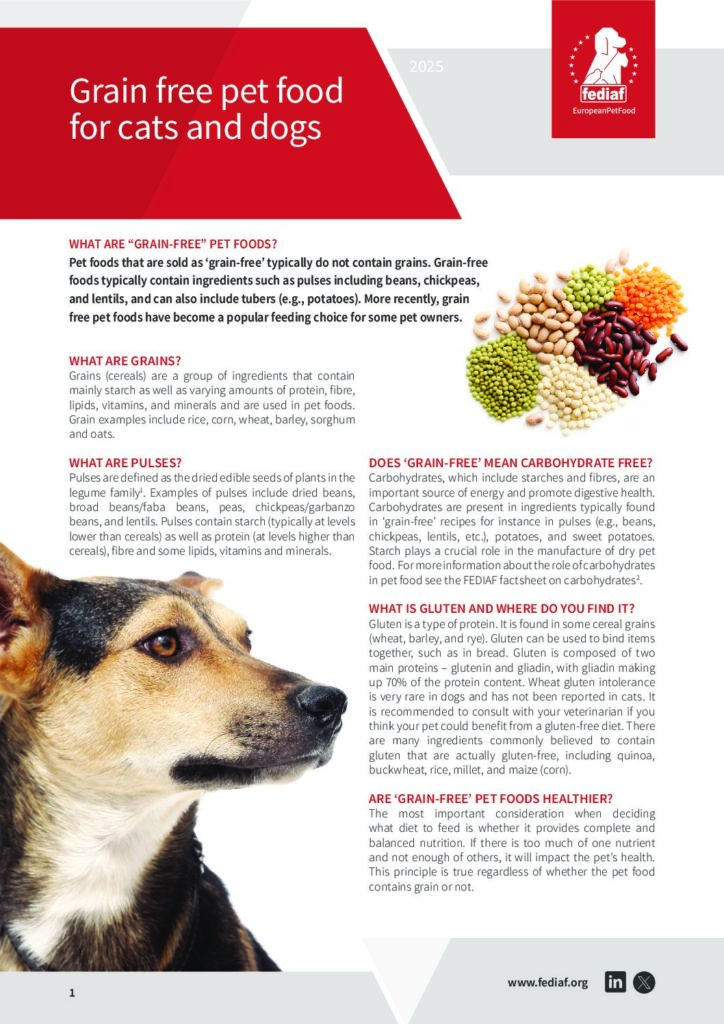
A grain free diet for dogs removes grains like wheat, corn, and rice. This diet focuses on other sources of nutrients. Many pet owners choose grain free food to avoid allergies or digestive issues in dogs.
Understanding the basics of this diet helps decide if it suits your dog’s needs. Knowing what ingredients replace grains is important. This helps ensure your dog gets the right nutrition.
What Is A Grain Free Diet?
A grain free diet excludes all cereal grains. These include wheat, barley, oats, corn, and rice. The diet uses other ingredients to provide energy and fiber. It often includes more protein and fat than regular dog food.
Dogs with grain allergies or sensitivities may benefit. Some owners believe it improves digestion and skin health. Grain free diets are not the same as low carb diets. They focus on removing grains, not reducing carbohydrates.
Common Ingredients In Grain Free Dog Food
Grain free dog food replaces grains with alternative ingredients. These often include:
- Potatoes and sweet potatoes
- Peas and lentils
- Chickpeas and beans
- Various vegetables like carrots and spinach
- Meat, fish, and eggs for protein
- Fruits like blueberries and apples
These ingredients provide energy, fiber, and nutrients. They help keep the dog’s diet balanced and healthy. Always check labels to understand what is inside your dog’s food.

Credit: wefeedraw.com
Health Benefits For Dogs
Choosing a grain free diet can bring several health benefits for dogs. Many dogs show positive changes in their well-being after switching to grain free food. These benefits often relate to better digestion, fewer allergies, and improved weight control. Such diets focus on high-quality proteins and nutrients that meet dogs’ natural needs.
Improved Digestion And Allergies
Grain free diets can help dogs with sensitive stomachs. Some grains cause digestive upset in certain dogs. Removing grains may reduce symptoms like gas, diarrhea, and vomiting. Dogs with food allergies might also benefit from grain free food. Grains are a common source of allergens, and avoiding them can ease itching and skin problems.
Weight Management And Energy Levels
Grain free diets often contain fewer carbohydrates and more protein. This helps dogs maintain a healthy weight by supporting lean muscle growth. Dogs tend to feel more energetic and active on grain free food. Higher protein intake fuels their muscles and keeps energy levels steady throughout the day.
Potential Risks And Concerns
Choosing a grain-free diet for your furry friend might seem like a healthy choice, but it’s important to be aware of potential risks and concerns. While some believe that eliminating grains can prevent allergies or promote better digestion, there are other factors to consider. Understanding these concerns can help you make a more informed decision about your dog’s diet.
Taurine Deficiency And Heart Health
One major concern with grain-free diets is the risk of taurine deficiency, which can lead to heart problems. Taurine is an essential amino acid that supports cardiovascular health. Without sufficient taurine, dogs may develop a condition known as dilated cardiomyopathy (DCM).
DCM can be life-threatening if not addressed promptly. Grain-free diets often rely on legumes and potatoes, which may interfere with taurine absorption. If you’re considering a grain-free diet, it’s crucial to monitor your dog for signs of heart issues and consult your vet about taurine supplements.
Nutritional Imbalances
Grain-free diets may also lead to nutritional imbalances. By removing grains, you might be unintentionally cutting out essential nutrients found in whole grains. These nutrients include fiber, vitamins, and minerals that are vital for your dog’s overall well-being.
Consider how you can maintain a balanced diet for your pet. Are you replacing grains with ingredients that offer similar nutritional benefits? It’s worth discussing with a veterinarian to ensure your dog’s diet is complete and balanced.
Have you noticed any changes in your dog’s health on a grain-free diet? It’s essential to keep track of their behavior and health. By staying informed, you can make the best dietary choices for your beloved pet.
Expert Opinions And Research
Understanding whether a grain-free diet is healthy for your dog means looking closely at expert opinions and scientific research. Opinions vary, and the latest studies provide a clearer picture of the diet’s benefits and risks. This section highlights what veterinarians and researchers say so you can make an informed choice for your pet.
Veterinarian Perspectives
Many veterinarians caution against switching to a grain-free diet without solid reasons. They emphasize that grains like rice and oats often provide essential nutrients and fiber that benefit your dog’s digestion and energy levels.
Some vets notice improvements in dogs with food allergies or sensitivities when grains are removed. However, they warn that these cases are specific and not a general rule for all dogs. Ask yourself: does your dog show symptoms like itching or digestive upset that might justify a grain-free option?
Veterinarians also highlight the importance of balanced nutrition. Simply cutting grains might lead to missing key vitamins or minerals unless the diet is carefully formulated. Consult your vet before making drastic changes to your dog’s meals.
Recent Scientific Studies
Recent research has raised concerns about grain-free diets and their link to canine dilated cardiomyopathy (DCM), a serious heart condition. The FDA has investigated several cases where dogs on grain-free diets developed DCM, especially those diets high in peas, lentils, or potatoes.
However, studies are ongoing, and no definitive cause-effect relationship has been established yet. It’s important to note that some breeds are genetically predisposed to DCM regardless of diet, adding complexity to the issue.
Research also shows that grains are not the enemy; they can be part of a healthy diet when balanced with proteins and fats. If you consider a grain-free diet, look for products backed by scientific formulation and monitor your dog’s health closely.
Choosing The Right Diet For Your Dog
Choosing the right diet for your dog is important for their health and happiness. Dogs have different needs based on age, size, and health conditions. A diet that works well for one dog may not suit another. Understanding these needs helps in making a better food choice. This ensures your dog stays active and strong for years.
Assessing Your Dog’s Needs
Start by observing your dog’s age, weight, and energy level. Puppies need more calories and nutrients than older dogs. Active dogs burn more energy and need more protein. Dogs with allergies or digestive issues may require special diets. Watch for signs like itching, upset stomach, or low energy. These clues guide you toward the right food type.
Consulting With Professionals
Veterinarians offer expert advice on your dog’s diet. They can diagnose allergies and health problems. A vet can recommend balanced foods or supplements. Pet nutritionists help design meals tailored to your dog’s needs. Discuss any diet changes before switching foods. Professionals ensure your dog gets all necessary nutrients safely.
Credit: europeanpetfood.org
Alternatives To Grain Free Diets
Some dogs need alternatives to grain free diets for better health. These options provide nutrients without eliminating grains completely. They support digestion and can reduce allergy risks. Choosing the right diet depends on the dog’s needs and vet advice.
Limited Ingredient Diets
Limited ingredient diets contain fewer components to reduce allergies. They focus on one protein and one carbohydrate source. This simplicity helps identify food sensitivities easily. These diets often use novel proteins like duck or venison. Carbohydrates may come from potatoes or peas instead of grains. Limited ingredient diets support dogs with food sensitivities or allergies.
Whole Grain Options
Whole grains provide essential nutrients and fiber for dogs. Options like brown rice, oats, and barley are common choices. These grains support healthy digestion and energy levels. Whole grains contain vitamins and minerals beneficial for dogs. They are less processed and maintain natural nutrients. Including whole grains can balance a dog’s diet without causing allergies.
Monitoring Your Dog’s Health
Switching your dog to a grain free diet is just the beginning. Monitoring your dog’s health closely after the change is key to understanding whether this diet suits them. Keeping an eye on how your dog reacts helps you make informed decisions that support their well-being.
Signs Of Improvement
Look for clear signs that your dog is benefiting from the new diet. Improved coat shine and less itching can indicate better skin health. You might notice your dog has more energy during walks or playtime, which is a positive sign.
Digestion changes are important too. A decrease in diarrhea or fewer instances of gas means their stomach is adjusting well. Also, watch their stool—healthy, firm stools usually show good gut health.
Sometimes, your dog’s mood can tell you a lot. If they seem happier and less irritable, it may be connected to better nutrition. Have you noticed any changes in their behavior since the diet switch?
When To Seek Veterinary Advice
Not all changes are positive. If your dog shows signs of severe itching, hair loss, or persistent digestive upset, it’s time to get professional help. Sudden weight loss or lethargy should never be ignored.
Keep a journal of symptoms and diet changes to share with your vet. This record helps them understand your dog’s health journey more clearly. Early veterinary advice can prevent minor issues from becoming serious problems.
Remember, your vet can suggest tests or diet adjustments tailored to your dog’s needs. Don’t hesitate to ask questions about the grain free diet and how it fits your dog’s health profile. How proactive are you in tracking your dog’s diet and health changes?
Credit: wefeedraw.com
Frequently Asked Questions
What Are The Benefits Of A Grain Free Diet For Dogs?
A grain free diet can reduce allergies and digestive issues in dogs. It often contains higher protein and fewer fillers, improving overall health and energy levels.
Are Grain Free Diets Suitable For All Dog Breeds?
Not all dog breeds need grain free diets. Some dogs benefit more due to allergies or sensitivities. Always consult your vet before switching diets.
Can Grain Free Diets Cause Health Risks In Dogs?
Certain grain free diets have been linked to heart disease in some dogs. It’s important to choose balanced, vet-recommended formulas to avoid potential risks.
How Do I Transition My Dog To A Grain Free Diet?
Gradually mix grain free food with current food over 7-10 days. This helps prevent digestive upset and allows your dog to adjust comfortably.
Conclusion
Choosing a grain-free diet for your dog needs careful thought. Some dogs may benefit from it, while others may not. Always watch your dog’s health and energy after changing food. Talk to your vet before making big diet changes. Remember, balanced nutrition is key to your dog’s happiness.
Every dog is different. What works well for one may not suit another. Keep your pet’s needs first and stay informed. Healthy dogs mean happy homes.