
Potty training an older dog in an apartment can feel overwhelming, but it doesn’t have to be. If you’ve struggled with accidents or worry about your dog’s habits, you’re not alone—and there is a way forward.
Imagine a cleaner, fresher home where your dog knows exactly where to go. This guide will show you simple, practical steps to make that happen. Keep reading, and you’ll discover how to turn your apartment into a stress-free space for both you and your dog.
Challenges Of Potty Training Older Dogs
Potty training an older dog in an apartment can test your patience and creativity. These dogs often come with habits formed over years, making change a slow process. Understanding the challenges you might face can prepare you for a smoother journey.
Common Behavioral Issues
Older dogs may have developed specific bathroom habits that don’t fit apartment living. They might hold their bladder longer than healthy, leading to accidents when confined. Some dogs get anxious or confused by new routines, causing them to go indoors.
Separation anxiety can also play a big role. If your dog associates being alone with stress, they might pee or poop inside. You need to watch for signals like pacing or whining, which often precede accidents.
Has your dog ever ignored cues to go outside? This stubbornness isn’t just bad behavior—it’s often a sign of confusion or discomfort. Patience and consistency can help retrain their instincts.
Apartment Living Constraints
Living in an apartment limits how quickly you can take your dog outside. Waiting for elevators or dealing with busy hallways can delay bathroom breaks. This increases the risk of accidents indoors.
Noise and other tenants can make walks stressful for your dog. Some may hold it in longer just to avoid uncomfortable encounters. You might find yourself juggling between your schedule and your dog’s needs more than you expected.
Another issue is limited outdoor space. Unlike a yard, apartments often mean walking to a park or designated pet area. This extra effort requires planning and dedication on your part.
Have you tried creating a specific potty spot near your apartment entrance? This can help your dog associate a familiar area with bathroom breaks and reduce confusion.
Credit: www.hillspet.com
Preparing Your Apartment For Training
Preparing your apartment for potty training helps your older dog learn faster. A clean, calm space makes training easier. Setting up the right area and having supplies ready supports your dog’s success. This preparation reduces accidents and helps your dog understand where to go.
Creating A Designated Potty Area
Choose a spot in your apartment for your dog’s potty needs. Use a balcony, near a window, or a corner with easy access. Keep this area consistent to help your dog recognize it. Place a potty pad, grass mat, or litter box here. Make sure it is easy to clean and safe for your dog.
Essential Supplies To Have
- Potty pads or artificial grass mats for indoor use
- Cleaning spray to remove odors and stains
- Waste bags for easy disposal
- Leash or harness to guide your dog to the potty spot
- Treats for rewarding good behavior
- Baby gates to limit your dog’s access to other areas
Having these supplies ready keeps training smooth. Clean accidents quickly to avoid repeated mistakes. Use treats to encourage your dog to use the potty area. A calm and prepared space speeds up learning.
Establishing A Consistent Routine
Creating a regular schedule helps your dog know when and where to go. Consistent times for walks and bathroom breaks build good habits quickly. This routine makes apartment training smoother and less stressful for both of you.
Establishing a consistent routine is crucial for potty training an older dog in an apartment. Dogs thrive on predictability, and a routine helps them understand expectations. Consistency reduces anxiety and promotes trust between you and your pet. A structured schedule will guide your dog, making the process smoother and more efficient.Scheduling Potty Breaks
Take your dog out at the same times daily. Morning, after meals, and before bed are good choices. Use a specific location outside for potty breaks. This helps your dog associate the spot with doing their business. Keep potty breaks short and focused. Praise your dog immediately after they go. Use positive reinforcement to encourage desired behavior.Feeding And Drinking Timelines
Feed your dog at regular times every day. This makes their potty needs more predictable. Remove food 2-3 hours before bedtime. Limit water intake a few hours before sleep. This reduces night-time accidents. Keep a journal of feeding and potty times. It helps you spot patterns and make adjustments.
Credit: www.chewy.com
Effective Training Techniques
Effective training techniques are essential when potty training an older dog in an apartment. Older dogs may have ingrained habits, so patience and consistency become your best tools. Understanding how to encourage good behavior while handling setbacks calmly will make the process smoother for both you and your dog.
Using Positive Reinforcement
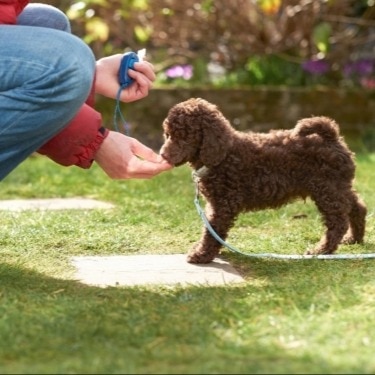
Positive reinforcement means rewarding your dog immediately after they go potty in the right place. Use treats, praise, or playtime to celebrate their success. This helps your dog connect the action with a positive outcome, making them more likely to repeat it.
Keep treats small and tasty to maintain your dog’s interest. You can also use a clicker or a special word like “Yes!” to mark the exact moment they do well. Have you noticed how your dog responds better when they feel encouraged rather than scolded?
Managing Accidents Calmly
Accidents will happen, especially at the start. Instead of reacting with frustration, stay calm and clean the area thoroughly to remove any scent. This prevents your dog from thinking the spot is still acceptable for potty breaks.
Use an enzymatic cleaner designed for pet messes. Avoid harsh punishments, as they can make your dog anxious and slow progress. Ask yourself: does your reaction teach your dog what to do next, or just what not to do?
Monitoring Progress And Adjusting
Monitoring your older dog’s potty training progress in an apartment is key to success. It helps you understand what’s working and where you need to change your approach. Staying flexible and observant keeps both you and your dog motivated and on track.
Tracking Successes And Setbacks
Keep a simple log of your dog’s bathroom habits. Note the times they go outside, where accidents happen, and any patterns you notice. This information helps you spot progress and identify tricky spots.
Celebrate small wins, like your dog holding it longer or heading to the door when they need to go. These moments show your training is taking root. If setbacks occur, ask yourself:
- Is my dog getting enough bathroom breaks?
- Could stress or changes in routine be a factor?
- Are there distractions or barriers preventing timely potty trips?
Adjust your schedule or environment based on what you find. For example, if your dog often has accidents after playing, add a potty break right after playtime. Tracking helps you tailor your plan to your dog’s unique needs.
When To Seek Professional Help
If accidents persist despite your best efforts, it might be time to ask for expert advice. A vet can rule out health problems that cause accidents, like urinary infections or digestive issues.
Professional trainers offer tailored strategies, especially if your dog has anxiety or behavioral challenges. Don’t hesitate to reach out if you feel stuck or frustrated—it’s a smart step, not a failure.
Have you noticed your dog’s behavior changing or feeling overwhelmed? Getting help early can save time and reduce stress for both of you. Remember, patience combined with the right support makes potty training in an apartment achievable at any age.
Maintaining Good Habits Long-term
Keeping your older dog’s potty training habits strong takes more than just initial success. It requires ongoing effort and attention. You want your dog to stay confident and comfortable with the routine you’ve built together.
Reinforcing Training Consistency
Consistency is the backbone of lasting potty habits. Stick to regular bathroom breaks at similar times each day. This helps your dog understand when and where to go without confusion.
Use the same commands and rewards you started with. If you suddenly change the words or stop praising, your dog might get mixed signals. I once stopped giving treats for a week, and my dog started testing boundaries again. That taught me to keep rewarding good behavior, even after training feels complete.
Maintain a clean and designated potty spot. Smells guide dogs back to the same spot, so keep it tidy to encourage proper use. Avoid sudden changes in location unless absolutely necessary.
Adapting To Lifestyle Changes
Your life isn’t static, and neither is your dog’s routine. Moving apartments, changes in your work schedule, or new family members can affect your dog’s potty habits.
Plan ahead for these transitions. If you move, try to find a similar potty spot nearby or bring familiar scents to the new area. When your schedule shifts, adjust bathroom breaks gradually to avoid accidents.
Ask yourself: how will these changes impact your dog’s access to outdoor potty areas or indoor pads? Anticipate challenges and create new routines that fit your evolving lifestyle. This proactive approach keeps your dog comfortable and accidents rare.

Credit: naturesloo.com.au
Frequently Asked Questions
How Long Does Potty Training An Older Dog Take?
Potty training an older dog usually takes 4 to 6 weeks. Consistency, patience, and positive reinforcement speed up the process. Every dog learns at their own pace, so expect some setbacks initially. Regular bathroom breaks and a fixed schedule help achieve success faster.
Can Older Dogs Learn Potty Training In Apartments?
Yes, older dogs can learn potty training in apartments. Use designated potty areas like pee pads or balcony grass patches. Frequent bathroom breaks and clear routines build good habits. Positive rewards encourage your dog to use the right spot consistently.
What Are The Best Potty Training Methods For Older Dogs?
The best methods include crate training, scheduled potty breaks, and rewarding successes. Use a consistent command and always praise your dog when they go outside. Avoid punishment to prevent fear. Patience and routine are key to retraining older dogs.
How To Handle Accidents During Potty Training?
Clean accidents immediately with enzymatic cleaners to remove odors. Avoid punishment, which can create fear or anxiety. Redirect your dog to the designated potty spot calmly. Consistency and gentle correction help your dog understand proper bathroom behavior.
Conclusion
Potty training an older dog in an apartment takes time and patience. Consistency helps your dog learn faster. Use a regular schedule for bathroom breaks. Praise your dog for good behavior. Watch for signs your dog needs to go. Small steps lead to big progress.
Your dog will adjust with love and care. Stay calm and positive during training. Soon, your dog will feel comfortable and happy. Potty training can strengthen your bond too. Keep trying—you can do this together.