
Are you looking for the best homemade dog food recipe that keeps your furry friend healthy and happy? Feeding your dog at home lets you control every ingredient, ensuring they get the nutrition they need without any fillers or artificial additives.
But with so many recipes out there, how do you know which one is truly the best? You’ll discover a simple, tasty, and balanced homemade dog food recipe that your dog will love. Keep reading to find out how you can make mealtime both nutritious and delicious for your loyal companion.
Benefits Of Homemade Dog Food
Choosing homemade dog food can bring you closer to understanding exactly what your furry friend is eating. It gives you a chance to tailor meals that suit your dog’s unique health needs and preferences. But beyond customization, there are clear benefits that make homemade meals a smart choice for many dog owners.
Improved Nutrition
Homemade dog food lets you include fresh, high-quality ingredients rich in essential nutrients. You can add lean meats, fresh vegetables, and wholesome grains that provide balanced vitamins and minerals. This way, your dog gets a meal packed with real food, not fillers or artificial additives.
Have you noticed how some commercial dog foods list ingredients you can’t even pronounce? By making food at home, you ensure every ingredient supports your dog’s health and energy.
Control Over Ingredients
When you prepare your dog’s meals, you decide exactly what goes in the bowl. This means no hidden preservatives, colors, or fillers that can cause allergies or sensitivities. You can also avoid ingredients that your dog dislikes or reacts to.
Think about the peace of mind knowing you’re feeding your dog clean, simple food. You can even adjust recipes if your dog has special dietary needs, like low-fat or grain-free options.
Better Digestibility
Homemade meals often use fresh, whole foods that are easier for your dog to digest. This can reduce common issues like upset stomach, gas, or irregular bowel movements. Cooking food gently helps retain nutrients and makes proteins easier to break down.
Have you ever seen your dog eat eagerly and then feel better afterward? That’s a sign their body appreciates wholesome, easy-to-digest food. Homemade meals can support smoother digestion and improve nutrient absorption.
Key Nutrients For Dogs
Feeding your dog homemade food means you need to get the nutrients just right. Dogs need a balanced mix of proteins, fats, carbohydrates, vitamins, and minerals to stay healthy and active. Missing even one key nutrient can affect their energy, coat, and overall well-being.
Proteins And Fats
Proteins build strong muscles and repair tissues. Good sources include chicken, beef, turkey, and fish. Fats provide energy and help absorb vitamins; think about adding fish oil or flaxseed oil to your dog’s meal.
I once switched my dog’s diet to homemade food rich in lean proteins and healthy fats, and his energy levels soared. Have you noticed how your dog’s coat shines after eating fatty fish like salmon?
Carbohydrates
Carbohydrates give dogs energy and fiber for digestion. Sweet potatoes, brown rice, and oats are excellent choices. Avoid too many grains if your dog has allergies or sensitivities.
Try mixing in a small amount of cooked quinoa or pumpkin to keep your dog’s meals interesting and digestible. What carb sources does your dog seem to enjoy the most?
Vitamins And Minerals
Vitamins and minerals support immunity, bone health, and overall body functions. Leafy greens, carrots, and blueberries are packed with these essentials. You can also add a dog-specific supplement if needed.
One trick that helped me was blending vegetables into a puree for easier digestion. Have you considered which fresh veggies your dog might actually like?
Safe Ingredients To Use
Choosing safe ingredients like lean meats, vegetables, and grains ensures your dog’s health. Avoid harmful foods like onions, garlic, and chocolate to keep meals safe and tasty.
Creating the best homemade dog food recipe involves selecting safe ingredients that provide your furry friend with essential nutrients. Ensuring your dog receives a balanced diet can enhance their energy, improve their coat, and boost their overall health. So, what ingredients should you consider when crafting meals for your dog at home?Lean Meats
Lean meats are a fantastic source of protein, which is crucial for your dog’s muscle development and repair. Options like chicken, turkey, and lean beef are excellent choices. Trim off any excess fat and avoid using seasoned or processed meats, as these can upset your dog’s stomach or lead to weight gain. Next time you’re cooking up a batch of meat, think about your pup and set aside some lean cuts. Do you notice how your dog eagerly watches you in the kitchen? That’s because they know you’re preparing something delicious just for them.Vegetables And Fruits
Vegetables and fruits are great for adding vitamins, minerals, and fiber to your dog’s diet. Safe options include carrots, green beans, and sweet potatoes. Avoid onions, garlic, grapes, and raisins, as these can be toxic to dogs. When was the last time you shared a carrot with your dog? Their crunching sounds might just bring a smile to your face. You might even discover your dog’s favorite veggie!Grains And Supplements
Whole grains like brown rice or oatmeal can provide energy and aid in digestion. Ensure grains are cooked and unseasoned before serving them to your dog. Supplements such as fish oil or calcium can be beneficial, but it’s essential to consult with your vet to determine the right balance. Have you ever noticed how your dog’s fur shines after eating a meal rich in omega-3 fatty acids? This could be the result of a well-balanced diet that includes the right grains and supplements. Incorporating these safe ingredients into your dog’s meals can make a significant difference in their well-being. What new ingredient will you try in your dog’s next meal?Ingredients To Avoid
Choosing the right ingredients is key for safe homemade dog food. Some foods and additives can harm your dog’s health. Avoiding these keeps your pet happy and well. Understanding what to skip helps you prepare better meals. Here are critical ingredients to avoid in your dog’s diet.
Toxic Foods
- Chocolate – contains substances toxic to dogs.
- Grapes and raisins – can cause kidney failure.
- Onions and garlic – damage red blood cells.
- Avocado – contains persin, harmful to dogs.
- Alcohol – very dangerous and can be fatal.
- Caffeine – overstimulates the nervous system.
- Macadamia nuts – cause weakness and vomiting.
- Xylitol – a sweetener that causes low blood sugar.
Harmful Additives
- Artificial preservatives – like BHA, BHT, and ethoxyquin.
- Excess salt – can lead to dehydration and kidney issues.
- Sugar and sweeteners – promote obesity and dental problems.
- Food dyes – may cause allergies or digestive upset.
- Flavor enhancers – such as MSG can upset digestion.
Unsafe Seasonings
- Salt and pepper – too much can harm your dog.
- Nutmeg – toxic even in small amounts.
- Chili and spicy spices – irritate the stomach.
- Onion powder and garlic powder – just as harmful as fresh.
- Herbs like rosemary or thyme – may cause allergies.
Easy Homemade Dog Food Recipes
Making dog food at home doesn’t have to be complicated or time-consuming. Easy homemade dog food recipes can give your furry friend balanced nutrition with simple ingredients you likely already have. Plus, cooking for your dog lets you control what goes into their meals, avoiding fillers and additives found in some commercial brands.
Are you ready to try some straightforward recipes that your dog will love? These dishes combine protein, healthy carbs, and veggies to keep your pup happy and healthy.
Chicken And Rice Mix
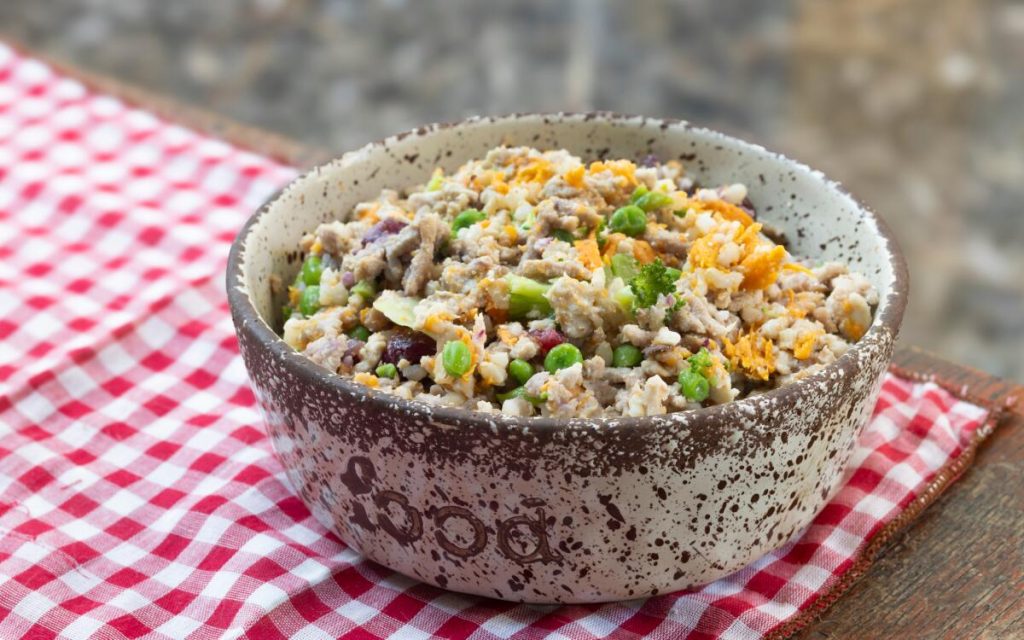
This recipe is gentle on your dog’s stomach and perfect for picky eaters. Use boneless, skinless chicken breasts cooked thoroughly and shredded into small pieces. Mix the chicken with cooked white rice and add a handful of steamed carrots or peas.
- Protein from chicken supports muscle health.
- Rice provides easy-to-digest energy.
- Vegetables add fiber and vitamins.
Have you noticed your dog’s preference for softer foods? This mix is ideal for sensitive tummies or recovering pets.
Beef And Vegetable Stew
Ground beef is a great source of iron and protein. Brown it in a pan, then add chopped vegetables like green beans, carrots, and pumpkin. Pour in some low-sodium beef broth and simmer until everything is tender.
- Beef keeps your dog strong and energized.
- Vegetables supply essential nutrients and antioxidants.
- Broth keeps the stew moist and flavorful.
Think about how adding broth can entice a dog who’s lost interest in dry food. Does your dog prefer wet meals? This stew might be the answer.
Turkey And Sweet Potato Bowl
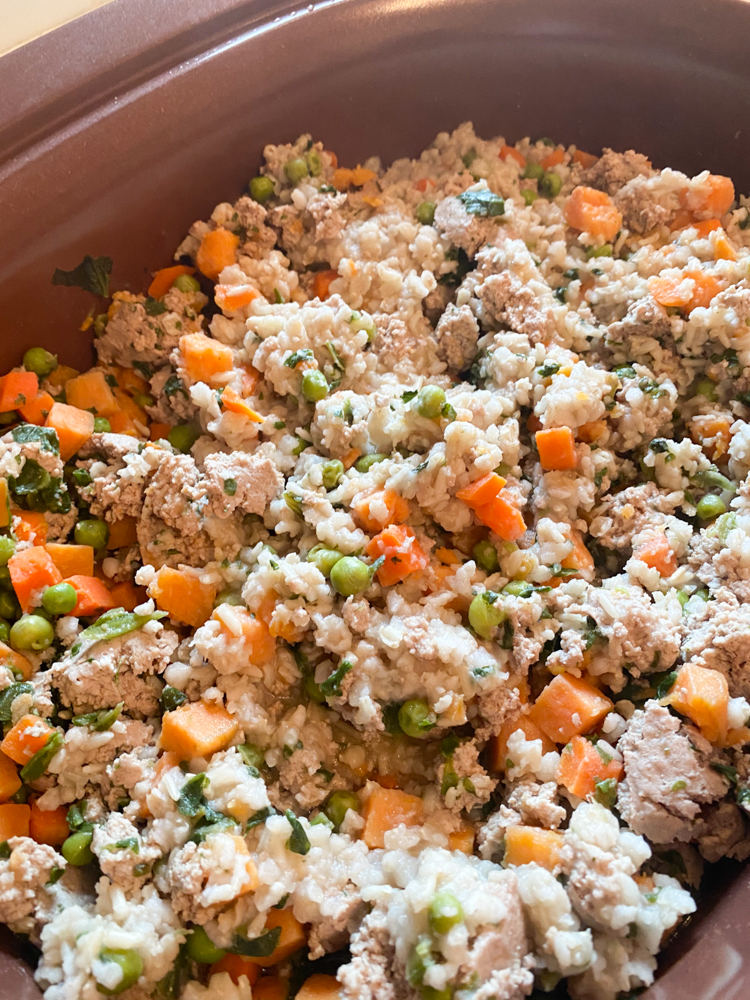
Turkey is lean and rich in protein, while sweet potatoes offer complex carbohydrates and fiber. Cook ground turkey fully, then mix it with mashed sweet potatoes and a small amount of steamed spinach or green beans. This combination supports digestion and energy levels.
- Lean turkey aids in weight management.
- Sweet potatoes provide lasting energy.
- Greens add vitamins and minerals.
Have you tried swapping your dog’s usual carbs for sweet potatoes? You might notice improved digestion and a shiny coat.

Credit: mimisorganiceats.com
Tips For Preparing Dog Food
Preparing homemade dog food can be a rewarding experience for both you and your furry friend. But it requires attention to detail to ensure your dog gets the right nutrition without any risks. Paying close attention to portion sizes, cooking techniques, and how you store the food will make a big difference in your dog’s health and happiness.
Portion Control
Knowing how much to feed your dog is crucial. Overfeeding can lead to obesity, while underfeeding may leave your dog lacking essential nutrients. Use your dog’s weight, age, and activity level as a guide.
Try measuring the food with a kitchen scale or standard measuring cups. Keep a feeding journal to track how much your dog eats daily and adjust portions based on changes in weight or energy. Have you noticed your dog gaining weight or seeming hungry all the time? That’s a clear sign to rethink portion sizes.
Cooking Methods
How you cook the ingredients affects nutrient retention and digestibility. Boiling, steaming, and baking are generally safe methods that help preserve vitamins and minerals. Avoid frying or using excessive oil, which can add unhealthy fats.
Always cook proteins thoroughly to kill harmful bacteria, but don’t overcook vegetables as they lose nutrients quickly. I once undercooked chicken for my dog, and it caused digestive upset—so always double-check internal temperatures. Do you know the best way to prepare each ingredient you use?
Storage And Shelf Life
Proper storage keeps homemade dog food fresh and safe. Store meals in airtight containers in the fridge for up to three days. For longer storage, freeze portions in labeled bags or containers for up to three months.
Thaw frozen meals in the fridge overnight before serving. Never leave homemade dog food out at room temperature for more than two hours, as bacteria can grow quickly. Have you set up a system to prepare and store your dog’s food efficiently? This simple step can save you time and prevent waste.
Consulting Your Veterinarian
Before you start preparing homemade dog food, consulting your veterinarian is essential. Your vet understands your dog’s unique needs and can guide you to create a safe and nutritious diet. Ignoring professional advice can lead to missing vital nutrients or even harm your pet.
Customizing Diets
Every dog is different, and their diet should reflect that. Your vet can help tailor a recipe based on your dog’s age, breed, weight, and activity level. For example, an active border collie needs more protein and calories than a senior bulldog.
Have you noticed your dog gaining or losing weight unexpectedly? These signs should prompt a vet consultation to adjust the homemade food accordingly. A personalized diet ensures your dog gets exactly what they need, no more and no less.
Addressing Allergies
Food allergies in dogs can cause itching, digestive upset, or even behavioral changes. Your veterinarian can help identify which ingredients to avoid by performing tests or analyzing symptoms. Avoiding allergens is critical when choosing homemade recipes.
Think about your dog’s reaction after meals. If they scratch excessively or vomit, it might be time to review the ingredients with your vet. They might suggest alternative protein sources or special supplements to keep your dog comfortable.
Monitoring Health
Switching to homemade dog food means you need to monitor your pet’s health closely. Regular vet check-ups help track changes in weight, coat condition, and energy levels. Your vet can also recommend blood tests to ensure your dog isn’t missing any nutrients.
Keeping a food diary can be a practical tool. Note how your dog responds to each meal and share this with your vet. This ongoing communication helps fine-tune the diet and catch any issues early.
Credit: www.acupfullofsass.com

Credit: www.youtube.com
Frequently Asked Questions
What Ingredients Make The Best Homemade Dog Food?
The best homemade dog food includes lean meats, vegetables, and grains. Avoid toxic foods like onions and grapes. Balanced nutrients ensure your dog’s health and energy.
How Often Should I Feed Homemade Dog Food?
Feed homemade dog food twice daily for adult dogs. Puppies may need three to four meals daily. Consistency supports digestion and energy levels.
Can Homemade Dog Food Meet All Nutritional Needs?
Yes, if properly balanced with proteins, fats, vitamins, and minerals. Consult your vet for recipe adjustments. Supplements may be necessary for complete nutrition.
Is Homemade Dog Food Safe For All Dog Breeds?
Generally, yes, but adjust recipes for breed size and health. Some breeds need special diets. Always check with your veterinarian before switching foods.
Conclusion
Homemade dog food can keep your pet healthy and happy. Use fresh ingredients like meat, rice, and vegetables. Always balance nutrients to meet your dog’s needs. Cooking at home lets you control quality and avoid fillers. Try different recipes to find what your dog enjoys most.
Remember to consult a vet for guidance. Feeding your dog homemade meals shows your care and love. Simple steps lead to better pet health every day. Give your dog the best with homemade food.