Are you wondering if your 6-month-old puppy can eat adult dog food? It’s a common question many dog owners face as their furry friend grows.
Feeding your puppy the right food is crucial for their health and development. Choosing the wrong diet could affect their energy, growth, and overall well-being. Keep reading to discover what’s best for your puppy at this important stage—and make sure you’re giving them the nutrition they truly need.
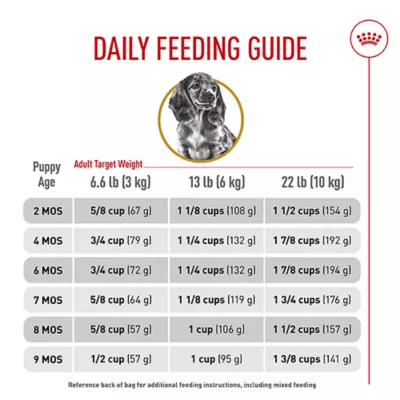
Credit: www.petsmart.com
Puppy Nutritional Needs
Your puppy’s nutritional needs are quite different from those of an adult dog. At 6 months, your pup is still growing rapidly and needs food that supports that growth. Understanding what your puppy requires can help you decide if switching to adult dog food is the right move.
Growth Requirements
Puppies grow fast, and their bodies demand extra energy and nutrients to build strong bones, muscles, and organs. This means their food must have higher calories than adult dog food to keep up with their active development.
At 6 months, some breeds may still need puppy-specific nutrition for a few more months. Large breed puppies, in particular, benefit from food designed to control their growth rate to prevent joint problems later.
Have you noticed your pup’s energy levels dipping after switching foods? That could be a sign they’re not getting enough fuel for their growth.
Key Nutrients For Puppies
Puppies need certain nutrients in specific amounts to grow healthy and strong. Protein is critical—it helps build muscles and tissues. Fat provides energy and supports brain development.
Calcium and phosphorus are essential for bone growth. Too little or too much of these minerals can cause problems, especially in large breeds.
- Protein:Look for at least 22-32% in puppy food.
- Fat:Should be higher than in adult food, around 8-20%.
- Calcium and Phosphorus:Balanced ratios to avoid bone issues.
- DHA:An omega-3 fatty acid supporting brain and vision development.
Switching to adult dog food too early might mean your puppy misses out on these vital nutrients. Are you confident your pup’s current diet meets these needs?

Credit: www.purina.com
Differences Between Puppy And Adult Dog Food
Puppy food and adult dog food serve different purposes for your dog’s health. Puppies grow fast and need extra nutrients for strong bones and muscles. Adult dogs need balanced nutrition to maintain their health without gaining too much weight. Understanding the key differences helps decide when to switch foods.
Calorie Content
Puppy food has more calories than adult dog food. Growing puppies need extra energy for play and development. Adult dog food contains fewer calories to prevent weight gain. Feeding a puppy adult food may not meet their high energy needs.
Protein And Fat Levels
Puppy food contains higher protein and fat levels. These nutrients support muscle growth and brain development. Adult dog food has lower protein and fat to avoid excess weight. Puppies require richer formulas to thrive during growth.
Vitamin And Mineral Balance
Puppy food has extra vitamins and minerals like calcium and phosphorus. These support bone growth and strong teeth. Adult dog food has balanced levels suitable for maintenance. Feeding adult food to puppies can lead to nutrient deficiencies.
When To Switch To Adult Dog Food
Puppies can start eating adult dog food around six months old, but gradual change is important. Their growing bodies need the right nutrients for healthy development. Always watch for signs that your puppy adjusts well to the new food.
When to Switch to Adult Dog Food Deciding when to switch your puppy to adult dog food is crucial. Puppies grow fast and need the right nutrients. Their diet must meet their energy and developmental needs. At six months, many puppies start this transition. Yet, timing can vary based on specific factors.Signs Your Puppy Is Ready
Watch your puppy’s growth and energy levels. If they maintain a healthy weight, it’s a good sign. A gradual decrease in appetite for puppy food may occur. This could mean they’re ready for the switch. Also, check their teeth. Permanent teeth suggest they’re growing up.Breed And Size Considerations
Breed and size impact the timing of the food switch. Large breeds mature slower than small breeds. Small breeds may be ready by six months. Large breeds might need puppy food longer. Always consider your puppy’s specific growth rate. Consult your vet for personalized advice.
Credit: www.thinkjinx.com
Risks Of Feeding Adult Food Too Early
Feeding adult dog food to puppies too early carries several risks. Puppies have unique nutritional needs that adult food does not meet. Using adult food before six months can harm their growth and health.
The wrong diet can cause issues that affect puppies’ development. Their bodies require more protein, fat, and calories than adult dogs. Missing these can slow their progress and cause other problems.
Nutritional Deficiencies
Adult dog food lacks key nutrients puppies need. It often has less protein and fat than growing dogs require. This can lead to weak muscles and poor bone development.
Essential vitamins and minerals might be too low in adult food. Puppies need more calcium for strong bones. Without enough, they risk bone deformities and fractures.
A diet low in important nutrients can affect puppies’ immune systems. They may become more vulnerable to illness and infections. Growth delays and poor health are common signs.
Digestive Issues
Puppies’ digestive systems differ from adult dogs’. Adult food can be harder to digest. It may cause stomach upset, diarrhea, or vomiting.
Sudden changes in diet can stress a puppy’s gut. Adult food often has different fiber content and nutrient balance. This change can lead to discomfort and poor nutrient absorption.
Proper digestion supports good growth and energy. Feeding adult food too soon may reduce nutrient intake. This slows development and affects overall health.
Transitioning To Adult Dog Food
Transitioning a puppy to adult dog food is an important step around six months old. The change supports their growth and energy needs as they move from puppyhood to adulthood. Making the switch carefully helps avoid stomach upset and keeps their nutrition balanced. Understanding the process ensures your puppy stays healthy and happy during this stage.
Gradual Food Changes
Switch the food slowly over 7 to 10 days. Start by mixing 25% adult food with 75% puppy food. Increase the adult food amount by 25% every few days. Watch your puppy’s reaction to the new diet. This slow change helps their stomach adjust. Sudden switches may cause diarrhea or vomiting. Keep fresh water available at all times during the transition.
Monitoring Health And Weight
Check your puppy’s weight regularly. Look for signs of good health like shiny coat and energy. If your puppy loses weight or seems tired, consult a vet. Watch for any digestive issues like diarrhea or constipation. Adjust the food amount if your puppy gains too much weight. Proper monitoring ensures your puppy grows strong and healthy.
Veterinarian Recommendations
Veterinarians play a vital role in guiding pet owners about the right diet for puppies. At six months, puppies are growing fast and have unique nutritional needs. Consulting a vet ensures the puppy’s diet supports healthy development. Experts focus on the puppy’s age, breed, and health before recommending any food changes.
Professional Guidance
Veterinarians advise against switching to adult dog food too early. Puppy food contains more calories, vitamins, and minerals needed for growth. Adult food lacks some nutrients essential for young dogs. Vets suggest a gradual transition to avoid digestive upset. They monitor the puppy’s weight and energy levels during the change.
Customized Feeding Plans
Each puppy has a different growth rate and activity level. Vets create feeding plans that match these factors. Plans include meal frequency, portion sizes, and food types. A tailored plan helps prevent obesity and nutrient deficiencies. Regular check-ups allow vets to adjust diets as puppies mature.
Frequently Asked Questions
Can Puppies Switch To Adult Dog Food At 6 Months?
Yes, many puppies can start eating adult dog food at 6 months. However, consult your vet to ensure it suits your puppy’s breed and size.
What Are Risks Of Feeding Puppies Adult Dog Food?
Adult dog food may lack essential nutrients puppies need for growth. It can lead to deficiencies and affect their development if fed too early.
How To Transition A Puppy To Adult Dog Food?
Gradually mix adult food with puppy food over 7-10 days. This helps your puppy’s digestive system adjust smoothly to the new diet.
Is Adult Dog Food Suitable For Large Breed Puppies?
Large breed puppies may need special formulas with controlled calcium. Consult your vet to choose the best adult food that supports healthy growth.
Conclusion
Puppies need special food to grow strong and healthy. At six months, some may start eating adult dog food. But not all puppies are ready yet. Check your puppy’s size, health, and energy before changing food. Consult your vet to make the best choice.
Proper nutrition helps your puppy stay happy and active. Feeding the right food now supports a long, healthy life. Keep an eye on your puppy’s reaction to new food. Healthy habits start with smart food decisions.