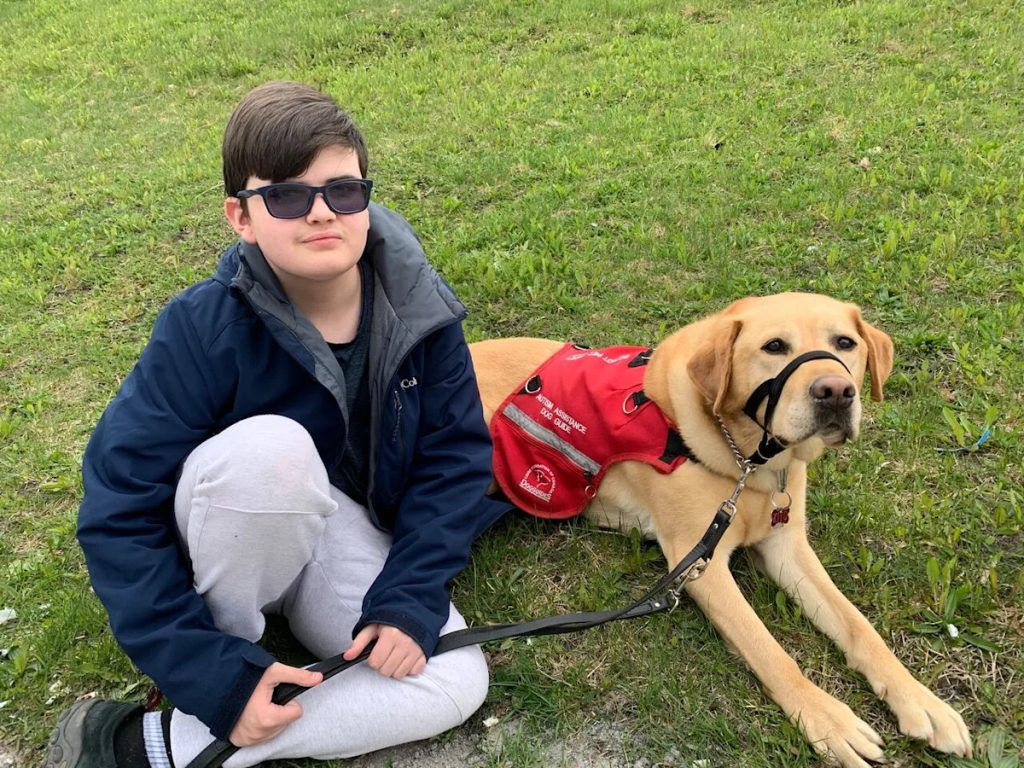

If you have a dog and want to support someone with autism, training your dog the right way can make a big difference. You might wonder how to start or what steps to follow.
Imagine your dog becoming a trusted helper, offering comfort and safety when it matters most. This guide will show you clear, simple ways to train your dog for autism support. By the end, you’ll feel confident and ready to make a real impact with your furry friend.
Keep reading—you’re closer than you think to creating a strong, supportive bond that changes lives.
Benefits Of Autism Service Dogs
Autism service dogs offer more than companionship—they provide meaningful support that can transform daily life. Their presence can help manage the unique challenges faced by individuals with autism. Understanding these benefits can guide you in deciding if training a service dog is the right step for your situation.
Emotional Support And Comfort
Autism service dogs provide a calming presence during stressful moments. They can sense anxiety or sensory overload and respond by offering gentle pressure or nuzzling, which helps reduce panic. This emotional support gives you a reliable source of comfort when you need it most.
Imagine having a friend who always knows when you’re overwhelmed and offers quiet reassurance without words. This connection can increase your confidence in social settings and reduce feelings of isolation. Could having this type of support change how you face daily challenges?
Enhancing Communication Skills
Service dogs can act as a bridge to improve communication between you and others. They encourage social interaction by attracting positive attention and serving as a conversational icebreaker. This can make it easier to engage with people who might otherwise be intimidating or overwhelming.
Additionally, training your dog to respond to specific cues or gestures can help you practice verbal and non-verbal communication. Over time, this can boost your ability to express needs and emotions clearly. How might improved communication affect your relationships and independence?
Safety And Crisis Intervention
Safety is a critical concern, and autism service dogs are trained to assist during emergencies. They can alert caregivers if you wander off or are in distress, helping prevent dangerous situations. This gives your family peace of mind and increases your freedom to explore safely.
In moments of crisis, your service dog can guide you to a safe place or stay close to prevent harm. Their intervention can be lifesaving and reduce the stress of managing unexpected events. What level of security could a trained service dog add to your everyday life?

Credit: pawswithacause.org
Choosing The Right Dog Breed
Choosing the right dog breed can aid in autism training. Certain breeds are more patient and gentle. These qualities help create a supportive environment for children with autism.
Choosing the right dog breed for autism support is a crucial step in the training process. Each breed offers unique traits that can either enhance or hinder the support they provide. It’s not just about finding a cute companion; it’s about ensuring the dog and individual form a harmonious and supportive partnership.Traits Ideal For Autism Support
Certain traits make a dog especially suited for autism support. Look for breeds known for their calm demeanor, patience, and intelligence. Dogs like Labradors and Golden Retrievers are often preferred due to their gentle nature and eagerness to learn. A good autism support dog should be highly trainable and responsive to commands. This ensures they can adapt to the specific needs of the individual. It’s also important that the dog has a natural inclination to bond closely with humans, fostering a strong emotional connection.Size And Temperament Considerations
Size can play a significant role in your decision. Larger breeds might provide a sense of security and stability, while smaller breeds could be less intimidating for some individuals. Consider the physical space available in your home and the environment in which the dog will be living. Temperament is equally important. A dog with a calm and steady temperament is less likely to be startled by sudden noises or movements, which is crucial for maintaining a soothing presence. Reflect on your daily routine and lifestyle to ensure the dog’s temperament complements it well. Choosing the right breed involves weighing these factors carefully. What breed aligns with your living situation and the specific needs of the person with autism? The right choice can lead to a fulfilling and supportive relationship that enhances quality of life.Basic Training Foundations
Building basic training foundations is essential for training a dog to assist individuals with autism. Clear communication and consistent routines help the dog understand its role. Start with simple skills and gradually increase the complexity. A well-trained dog provides comfort, safety, and support.
Establishing Commands And Obedience
Teach the dog clear and simple commands. Use short words like “sit,” “stay,” and “come.” Consistency is key. Repeat commands often in a calm voice. Reward good behavior immediately with treats or praise. This builds trust and helps the dog learn faster.
Practice commands in different places. This helps the dog obey anywhere. Patience matters most. Avoid punishment. Positive reinforcement makes training enjoyable and effective.
Socialization Techniques
Expose the dog to various people and environments. This reduces fear and anxiety. Introduce new sounds and sights slowly. Let the dog meet calm, friendly people first. Use treats to create positive associations.
Socializing helps the dog stay relaxed around crowds and noise. It prepares the dog to support a person with autism in many settings. Regular socialization sessions are important. Keep experiences positive and stress-free.
Specialized Skills For Autism Support
Dogs trained for autism support need specific skills to help effectively. These skills help dogs understand and respond to unique needs. Training focuses on sensing, guiding, and managing behaviors. Each skill set plays a vital role in improving daily life for autistic individuals.
Sensory Alert Training
Dogs learn to recognize sensory triggers like sounds or smells. They alert their owner gently when these triggers occur. This helps prevent anxiety or meltdowns. Training includes:
- Noticing changes in breathing or behavior.
- Responding to specific sounds or environmental cues.
- Alerting with nudges or pawing to gain attention.
These alerts give the person time to prepare or move away. The dog becomes a reliable signal for sensory overload.
Behavior Disruption Techniques
Dogs help interrupt harmful or repetitive behaviors. They learn to distract or redirect attention calmly. Training focuses on:
- Recognizing signs of distress or repetitive actions.
- Using gentle physical contact to break the behavior.
- Encouraging engagement with a toy or activity.
This support helps reduce stress and improve focus. The dog acts as a calming presence during difficult moments.
Guiding And Assistance Tasks
Dogs assist with everyday tasks to increase independence. They are trained to:
- Guide through crowded or noisy places safely.
- Retrieve items or open doors.
- Provide balance and support while walking.
These tasks make daily routines easier and safer. The dog becomes a trusted helper and companion.
Creating A Consistent Training Routine
Creating a consistent training routine is key to helping your dog become a reliable companion for someone with autism. Dogs thrive on predictability, and setting a steady schedule helps them understand what’s expected. This stability not only builds your dog’s confidence but also strengthens the trust between you and your pet.
Setting Goals And Milestones
Start by defining clear, manageable goals for your dog’s training. Break down big tasks into smaller, achievable steps to avoid overwhelming both you and your dog.
- Identify specific behaviors your dog needs to learn, such as calming on command or alerting to sensory overload.
- Set short-term milestones, like responding to basic commands reliably before moving to more complex tasks.
- Track progress regularly to see what’s working and where adjustments are needed.
Have you noticed how dogs pick up routines faster when you celebrate small wins? Recognizing these milestones keeps motivation high and training enjoyable.
Positive Reinforcement Strategies
Use positive reinforcement to encourage your dog’s good behavior consistently. Rewarding your dog immediately after a desired action helps them connect the behavior with the reward.
- Use treats, praise, or playtime as rewards to keep training fun and effective.
- Be specific with your praise, such as saying “good calm” or “nice alert” to link words with actions.
- Keep training sessions short but frequent, so your dog stays engaged without feeling tired.
Have you tried mixing up rewards to keep your dog guessing? Sometimes a favorite toy or extra affection can be just as motivating as treats.

Credit: pawswithacause.org
Working With Professionals
Training a dog to assist someone with autism is a specialized task that requires careful guidance and expertise. Working with professionals ensures you get the right support and techniques tailored to your unique needs. It also helps your dog learn skills that truly make a difference in daily life.
Selecting Qualified Trainers
Not all dog trainers have experience with autism service dogs. Look for trainers who understand sensory sensitivities and behavioral challenges common in autism. They should use positive reinforcement techniques to encourage your dog without causing stress.
Ask trainers about their certifications and experience with autism-specific training. You want someone who can adapt methods to your family’s routine and your dog’s personality. Visiting a trainer’s previous clients or watching training sessions can give you confidence in their approach.
Collaborating With Therapists
Your dog’s training will be much more effective when therapists are involved. Occupational therapists or behavioral specialists can guide trainers on the skills that will best support your daily activities and emotional needs.
Therapists can also help monitor progress and suggest adjustments as your dog learns. This team effort creates a consistent environment for your dog and improves outcomes for your child’s independence and comfort.
Have you considered how therapist insights could shape your dog’s training plan? Their input might uncover needs you hadn’t noticed, making the partnership even stronger.
Maintaining Training And Progress
Maintaining training and progress with a dog trained to support autism is an ongoing journey. Consistency is key to ensuring that the dog continues to respond effectively and confidently in various situations. It’s important to keep the training fresh and adjust as both your needs and the dog’s abilities evolve.
Regular Practice And Refreshers
Training isn’t something you do once and forget. Regular practice sessions help reinforce the commands and behaviors your dog has learned. Short, frequent sessions work better than long, infrequent ones because they keep your dog engaged without overwhelming them.
Try to include training in your daily routine, even if it’s just for five or ten minutes. Use real-life situations to practice skills, like asking your dog to stay calm during a noisy environment or guiding them to provide comfort when you feel overwhelmed. This keeps the training relevant and useful.
Have you noticed how your dog’s response changes when you skip practice? That’s a clear sign that regular refreshers are necessary to maintain progress.
Adapting To Changing Needs
Your needs and your dog’s capabilities won’t stay the same forever. As you grow more comfortable with the assistance your dog provides, you might want to teach new skills or adjust existing ones to better match your lifestyle.
For example, if your sensory sensitivities change, your dog might need to learn new ways to alert or comfort you. Keep an eye on how your routines evolve and be ready to tweak the training accordingly.
Sometimes, a behavior that worked well before may become less effective or even counterproductive. Don’t hesitate to revisit your training goals regularly and update them. This flexibility ensures that your partnership with your dog remains strong and supportive.
Addressing Common Challenges
Training a dog for autism support involves unique challenges. These challenges require patience and clear strategies. Knowing common issues helps trainers prepare better. Focus on managing distractions and handling stress.
Managing Distractions
Dogs need to focus despite many distractions. Start training in quiet, controlled spaces. Gradually add noises and movement. Use rewards to keep the dog’s attention. Teach commands like “watch me” to regain focus quickly. Consistent practice builds stronger focus over time.
Handling Stress And Anxiety
Stress affects both the dog and the person with autism. Recognize signs of anxiety early. Use calm, gentle tones during training. Introduce relaxation breaks and quiet time. Offer safe spaces where the dog can rest. Regular exercise helps reduce nervous energy. Training must be calm to avoid overwhelming the dog.
Legal And Certification Considerations
Training a dog to assist someone with autism involves more than just teaching commands. Understanding the legal rights and certification requirements is crucial to ensure your service dog is recognized and respected in public spaces. Knowing these details protects both you and your dog, so you can confidently navigate everyday situations.
Service Dog Rights And Access
Your service dog has specific rights under laws like the Americans with Disabilities Act (ADA). These rights allow your dog to accompany you almost everywhere, including restaurants, stores, and public transportation. However, it’s important to remember that the dog must be trained to perform tasks directly related to your disability.
You might wonder, what can businesses legally ask about my dog? They are allowed to ask only two questions:
- Is this dog a service animal required because of a disability?
- What work or task has the dog been trained to perform?
They cannot request documentation or proof of certification, which means carrying official papers is optional but can help avoid misunderstandings.
Certification Processes
Certification for service dogs is not federally required but can add credibility and ease access. Various organizations offer training programs and certification, but not all are equal in quality. Be cautious of scams offering official-looking certificates without proper training.
To choose the right certification, consider these points:
- Does the organization provide hands-on training tailored to autism-related needs?
- Are the trainers experienced in behavioral therapy and disability accommodations?
- Is the certification widely recognized by public facilities?
My friend once faced challenges entering a store with her autism service dog because she lacked certification. After obtaining certification from a reputable program, the process became smoother, showing the value of proper training and credentials.
Have you checked your local laws and resources? They can vary widely and impact how you prepare your dog for public access.

Credit: guidedog.org.za
Frequently Asked Questions
What Is An Autism Service Dog?
An autism service dog is specially trained to assist individuals with autism. They provide safety, comfort, and support. These dogs help reduce anxiety and improve social interaction. Their training focuses on specific needs, like preventing wandering or sensory overload.
How Do You Start Training A Dog For Autism?
Begin with basic obedience training like sit, stay, and come. Use positive reinforcement techniques, such as treats and praise. Gradually introduce tasks specific to autism needs, like guiding or calming. Consistency and patience are key throughout the training process.
What Skills Should An Autism Service Dog Learn?
Key skills include deep pressure therapy, alerting to distress, and preventing wandering. Dogs also learn to interrupt repetitive behaviors and provide emotional support. These skills enhance safety, independence, and social engagement for people with autism.
How Long Does Autism Dog Training Take?
Training can take 6 months to 2 years, depending on the dog’s aptitude. Consistent practice and professional guidance speed up the process. Ongoing training ensures the dog adapts to the owner’s evolving needs.
Conclusion
Training a dog to support someone with autism takes time and patience. Small steps build strong bonds between the dog and the person. Consistent training helps the dog learn helpful behaviors. Clear communication and positive rewards keep the dog motivated.
Each dog is different, so adapt your methods as needed. A well-trained dog can bring comfort and safety every day. Stay patient and enjoy the journey of training together. The effort brings great rewards for both the dog and the person.