
If you have an English Bulldog, you want to give your furry friend the best care possible. One important step is knowing when to switch from puppy food to adult dog food.
Getting this right can help your Bulldog stay healthy, strong, and happy. But how do you know the perfect time to make the change? Keep reading, and you’ll discover simple signs and expert tips that make this decision easy for you and your Bulldog.
Don’t miss out on giving your dog the nutrition they truly need at every stage of life.
Growth Stages Of English Bulldogs
Understanding the growth stages of your English Bulldog is key to knowing the right time to switch to adult dog food. Each stage comes with unique nutritional needs that support healthy development and overall well-being. Observing these phases closely helps you make informed feeding choices that suit your dog’s changing body and energy levels.
Puppy Phase
English Bulldogs grow rapidly during their puppy phase, typically from birth to around 6 months. Their bodies need high-protein, calorie-rich food to support muscle and bone growth. You might notice your puppy is full of energy and constantly hungry—this is a sign their diet should fuel their active development.
Feeding a balanced puppy formula ensures they get essential nutrients like DHA for brain development and calcium for strong bones. If you’ve experienced the challenge of finding the right puppy food, you know it’s worth choosing one designed specifically for Bulldogs’ unique needs.
Adolescent Changes
Between 6 months and 18 months, your English Bulldog enters adolescence—a phase of slower but steady growth. Their metabolism begins to change, and their energy levels might fluctuate. This is the time to gradually adjust their diet to prepare for adult nutrition.
Switching too early or too late can cause issues like weight gain or nutrient deficiencies. Watch for signs such as changes in appetite or activity. Have you noticed your adolescent Bulldog becoming less active? That might mean it’s time to rethink their food.
Adult Maturity
By 18 months to 2 years, your English Bulldog reaches full adult maturity. Their growth plates close, and their dietary needs stabilize. Adult dog food formulas focus on maintaining healthy weight, joint support, and skin health—critical for Bulldogs prone to joint and skin issues.
Choosing the right adult food can improve your dog’s quality of life and longevity. Consider foods rich in glucosamine and omega fatty acids to support their unique health concerns. Are you ready to make that switch to keep your Bulldog thriving?
Signs Your Bulldog Needs Adult Food
Knowing when to switch your English Bulldog to adult dog food is important for their health. Puppies grow fast, and their food needs change as they develop. Watching for clear signs helps you make the right choice at the right time. These signs show when your Bulldog’s body and behavior need different nutrients.
Physical Development Indicators
Your Bulldog’s size and weight increase steadily during puppyhood. When they reach about 12 months, growth slows down. Their baby teeth fall out and adult teeth come in. Muscle tone becomes firmer and bones stronger. Coat texture may change, becoming thicker or shinier. These physical changes signal readiness for adult food.
Behavioral Changes
Energy levels shift as your Bulldog matures. Puppies are very playful but adults show calmer behavior. They may sleep more and play less intensely. Appetite can change, with less frequent or smaller meals. Your Bulldog might seem less restless or more focused. These behaviors suggest a change in diet is needed.
Nutritional Needs Shift
Puppies need extra protein and calories for growth. Adult Bulldogs require balanced nutrients to maintain health. Fat levels in food should decrease to prevent weight gain. Fiber content may increase to support digestion. Vitamins and minerals adjust to support adult metabolism. Feeding adult dog food matches these nutritional changes perfectly.
Ideal Age For Switching Food
Choosing the right time to switch your English Bulldog to adult dog food is crucial. The transition impacts their health and growth. Puppies have different nutritional needs than adults. Therefore, timing this switch correctly ensures they get the right nutrients at each stage of life.
Breed-specific Timelines
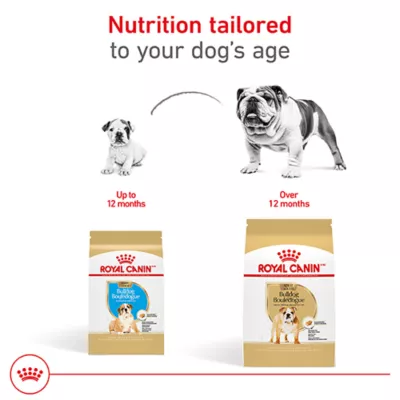
English Bulldogs mature at a unique pace. Most reach adulthood between 12 to 14 months. This is when their growth rate stabilizes. Switching to adult food during this period is ideal. It supports their changing energy needs. Always monitor their weight and health during this transition.
Veterinarian Recommendations
Consult your vet for personalized advice. They can assess your bulldog’s growth and health. Vets provide guidance on the right time for dietary changes. They may also suggest specific food brands or formulations. Regular check-ups help ensure your bulldog’s diet is on track.
Credit: www.petsmart.ca
Choosing The Right Adult Dog Food
Choosing the right adult dog food for your English Bulldog is essential for their health and happiness. This breed has unique dietary needs that differ from other dogs. Picking the right food helps maintain their muscle tone, supports their skin and coat, and keeps their digestion smooth.
Key Nutrients For English Bulldogs
Your English Bulldog needs a balanced diet rich in specific nutrients. Protein is crucial to support their muscular build, but it should come from high-quality sources like chicken, turkey, or fish. Fat is equally important, providing energy and helping keep their skin healthy—look for omega-3 and omega-6 fatty acids.
Don’t overlook fiber, which aids digestion and helps prevent constipation, a common issue in Bulldogs. Vitamins and minerals, especially zinc and vitamins A and E, promote skin health and a shiny coat. Does your current dog food cover these essentials?
Avoiding Common Allergens
English Bulldogs are prone to food allergies that can cause itching, redness, or digestive upset. Common allergens include beef, dairy, wheat, and soy. Choosing a dog food free from these ingredients can reduce allergic reactions.
Consider limited-ingredient diets or foods labeled “hypoallergenic” if your Bulldog has shown sensitivity. Have you noticed any signs of allergies in your dog? If so, switching to a grain-free or novel protein diet could make a big difference.
Top Food Types
You have several options when selecting adult dog food for your Bulldog: dry kibble, wet food, raw diets, and homemade meals. Dry kibble is convenient and helps keep teeth clean, but quality varies widely. Wet food is often more palatable and hydrating, which Bulldogs may enjoy.
Raw diets mimic a natural feeding style but require careful preparation to ensure safety. Homemade meals let you control every ingredient but need balanced recipes to avoid nutrient gaps. Which type fits your lifestyle and your dog’s preferences best?
Transitioning Smoothly To Adult Food
Switching your English Bulldog to adult dog food is a key moment in their growth. Making this change smoothly can help avoid upset tummies and picky eating habits. Paying attention to how you introduce the new food sets the stage for their health and happiness.
Gradual Introduction Tips
Start by mixing a small amount of adult food into your puppy’s current diet. Increase the adult food portion little by little over 7 to 10 days. This slow change helps your bulldog’s stomach adjust without causing discomfort.
Keep an eye on how your dog reacts to the new taste and texture. If they seem hesitant, try warming the food slightly or adding a bit of broth to make it more appealing. Have you noticed your bulldog prefers certain textures? Use that to guide your transition strategy.
Monitoring Digestive Health
Watch for signs like loose stools, constipation, or vomiting during the switch. These can mean the transition is too fast or the new food doesn’t agree with your bulldog’s digestion. If problems persist, consider slowing down the change or consulting your vet.
Tracking your dog’s bathroom habits daily helps catch any issues early. A healthy digestive system is crucial, especially for bulldogs who can be sensitive. Have you kept a log before? It can reveal patterns you might otherwise miss.
Adjusting Portions
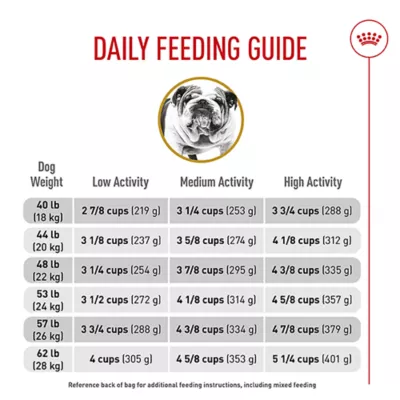
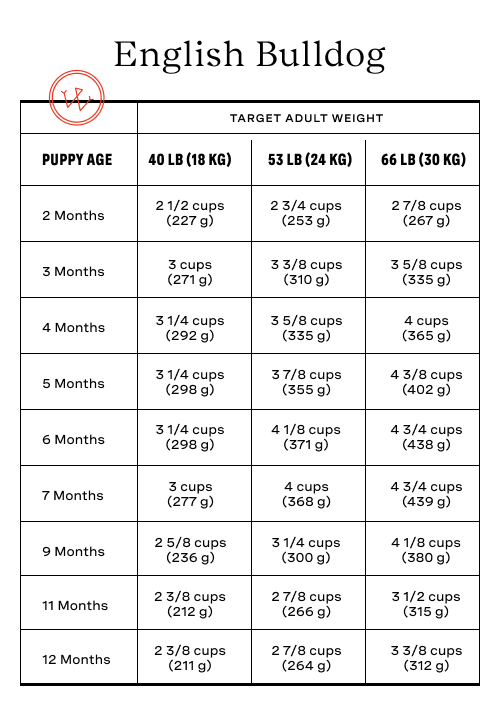
Adult dog food usually has different calorie content compared to puppy food. Adjust meal sizes to match your bulldog’s energy needs and avoid weight gain. Using the feeding guidelines on the package as a starting point is helpful, but observe your dog’s body condition to fine-tune portions.
Bulldogs tend to gain weight easily, so portion control matters more than just feeding schedules. If your dog seems hungry or overly full, tweak the amount gradually. Are you measuring food with a standard cup or weighing it? Precision can make a big difference here.
Common Mistakes To Avoid
Choosing the right time to switch your English Bulldog to adult dog food is important. Mistakes in this process can cause health problems and slow growth. Knowing common errors helps you avoid them and keep your dog healthy and happy.
Switching Too Early Or Late
Switching too early can cause digestive problems. Puppy food has extra nutrients for growth. Adult food lacks these nutrients. Switching too late means your dog gets too many calories. This can lead to weight gain and joint issues.
Ignoring Breed-specific Needs
English Bulldogs have unique health concerns. They need food that supports their joints and skin. Ignoring these needs can cause discomfort and illness. Choose food that fits their breed size and activity level. Not all adult foods suit English Bulldogs.
Overfeeding Risks
Overfeeding adult food can cause obesity. English Bulldogs are prone to weight gain. Too much food leads to health problems like diabetes. Follow feeding guidelines on the dog food package. Adjust portions based on your dog’s activity and weight.
Monitoring Health After The Switch
After switching your English Bulldog to adult dog food, keeping a close eye on their health is crucial. This transition can impact various aspects of their well-being, so monitoring helps you catch any issues early. Let’s focus on key areas to watch that show how well your dog is adjusting to their new diet.
Weight Management
Adult dog food is often formulated to maintain weight rather than support growth. Watch your bulldog’s weight weekly to spot any sudden gains or losses. If your dog starts gaining excess weight, consider adjusting portion sizes or consulting your vet for advice.
Have you noticed your dog’s appetite change since the switch? Sometimes, adult formulas can be more calorie-dense, so keeping an eye on food intake helps prevent unwanted weight changes.
Energy Levels
Your bulldog’s energy can tell you a lot about how they’re responding to their new food. A drop in activity or increased tiredness might signal that the diet isn’t meeting their energy needs. On the other hand, higher energy and alertness usually mean the new food suits them well.
Try to keep daily activity consistent during the first few weeks after switching. That way, you can better judge whether changes in energy come from the food or other factors.
Coat And Skin Condition
The quality of your English Bulldog’s coat and skin reflects their nutrition. Look for changes like dullness, dryness, or itchiness, which could mean the food lacks essential fats or nutrients. Healthy fats in adult dog food should keep their coat shiny and skin supple.
If you spot any skin irritation or excessive shedding, don’t hesitate to discuss it with your vet. Sometimes, a food allergy or intolerance only becomes apparent after a diet change.
Credit: wefeedraw.com

Credit: animoetc.com
Frequently Asked Questions
When Should I Switch My English Bulldog To Adult Dog Food?
Switch your English Bulldog to adult dog food around 12 months old. This timing supports their growth and energy needs. Consult your vet to ensure the switch matches your dog’s health and activity level for optimal nutrition.
How To Know If My English Bulldog Needs Adult Food?
Look for slowed growth and stable weight around 12 months. Adult dogs require fewer calories than puppies. If your English Bulldog shows these signs, it’s time to transition to adult dog food for balanced nutrition.
Can I Switch To Adult Food Earlier Than One Year?
Switching earlier than one year is generally not recommended. Puppies need nutrient-rich puppy food to support growth. Consult your vet if your English Bulldog has special health needs before changing diets early.
What Are The Benefits Of Adult Dog Food For Bulldogs?
Adult dog food supports maintenance of healthy weight and energy. It contains balanced nutrients tailored for adult Bulldogs. This food helps prevent obesity and promotes overall health and longevity for your dog.
Conclusion
Switching to adult dog food helps your English Bulldog stay healthy. Watch for signs like growth and energy changes. Feeding the right food supports their bones and muscles. Keep their diet balanced to avoid weight problems. Always choose food made for adult Bulldogs.
Regular vet visits can guide your feeding choices. A smooth change keeps your dog happy and strong. Remember, good nutrition matters for a long, joyful life.