
Are you wondering when the right time is to switch your furry friend from puppy food to adult dog food? Making this change at the perfect moment is crucial for your dog’s health and happiness.
If you switch too early or too late, it could affect their growth, energy, and overall well-being. You’ll discover clear signs and expert tips to help you know exactly when to start giving adult food to your dog. Keep reading to ensure your pet gets the nutrition they need to thrive at every stage of life.
Credit: www.petsmart.ca
Signs Your Puppy Is Ready
Knowing when your puppy is ready for adult food helps ensure healthy growth. Puppies grow fast, and their diet needs to change along the way. Signs of readiness include age, behavior, and physical traits. Watch for these clues to make the switch smoothly.
Age Milestones
Puppies usually start adult food between 9 and 12 months. Smaller breeds may switch earlier, around 9 months. Larger breeds often wait closer to 12 months. Age matters because adult food has different nutrients for mature dogs.
Behavioral Changes
Your puppy may show less interest in puppy food. They might eat less or seem ready for a new diet. Increased energy and playfulness can also signal readiness. Notice if your puppy finishes meals quickly or looks for more food.
Physical Development
Look for signs like adult teeth fully grown. Muscle tone improves as puppies mature. Their body shape becomes leaner and less round. Weight gain slows down compared to early months. These changes show the puppy’s body needs adult food.
Credit: www.webbox.co.uk
Nutritional Needs Shift
Understanding when to transition your dog from puppy to adult food is crucial for their health. Puppies and adult dogs have different nutritional needs. As your dog grows, their diet must adapt to support their changing body and lifestyle. So, when should you make the switch? Let’s dive into the nutritional needs shift and explore key aspects to consider.
Growth Requirements
Puppies grow rapidly and need a diet that supports this development. Puppy food is specially formulated to provide higher levels of protein and essential nutrients. These nutrients fuel their growth and help develop strong bones and muscles. But once your dog reaches about 80% of their expected adult size, their growth rate slows significantly. At this point, it’s time to consider transitioning to adult food. Have you noticed if your dog has reached this milestone?
Energy Levels
As puppies, dogs have boundless energy and require more calories to support their active lifestyle. Puppy food is calorie-dense to meet these high energy needs. However, as they mature, their energy levels often decrease. Adult dogs require fewer calories, and continuing with puppy food can lead to unwanted weight gain. Are you keeping an eye on your dog’s activity levels and weight?
Dietary Balance
A balanced diet is vital for a healthy adult dog. Adult dog food is designed to provide the right mix of nutrients without excess calories. This balance helps maintain optimal body condition and prevent health issues. Switching to adult food ensures your dog gets the right nutrients without the risk of overnutrition. Are you ready to adjust your dog’s diet to support their adult life stage?
Switching your dog to adult food at the right time is key to their overall well-being. Consider their growth, energy levels, and dietary needs. Your decision will contribute to a healthier, happier life for your furry friend.
Choosing The Right Adult Food
Choosing the right adult food for your dog is crucial for their health and happiness. Adult dogs need balanced nutrition to maintain energy and support body functions. The choice depends on quality ingredients, avoiding harmful additives, and matching the food to your dog’s breed and size. Careful selection ensures your dog thrives in adulthood.
Ingredients To Look For
High-quality protein should be the first ingredient. Look for named meat sources like chicken, beef, or fish. Whole grains such as brown rice or oats provide good carbohydrates. Vegetables like carrots and peas add fiber and vitamins. Essential fatty acids like omega-3 and omega-6 support skin and coat health. Natural preservatives like vitamin E or C are better than artificial ones.
Avoiding Harmful Additives
Steer clear of artificial colors and flavors. They offer no nutritional benefit and may cause allergies. Avoid foods with excessive fillers like corn, wheat, and soy. These can be hard to digest and add little nutrition. Watch out for chemical preservatives like BHA, BHT, and ethoxyquin. These have potential health risks. Choose brands that prioritize natural ingredients and safety.
Tailoring To Breed And Size
Small breeds often need smaller kibble and more calories per pound. Large breeds require joint support ingredients like glucosamine. Active breeds benefit from higher protein and fat content. Puppies and seniors have different nutritional needs too. Consult your vet to find the best formula for your dog’s specific breed and size.
Transitioning To Adult Food
Transitioning your dog to adult food is a key moment in their life. It supports their changing nutritional needs as they grow. A smooth change helps avoid stomach upset and keeps them happy.
Gradual Introduction Steps
Start by mixing a small amount of adult food with puppy food. Increase the adult food portion slowly over 7 to 10 days. This gentle approach helps your dog’s stomach adjust without stress.
- Day 1-3: 25% adult food, 75% puppy food
- Day 4-6: 50% adult food, 50% puppy food
- Day 7-9: 75% adult food, 25% puppy food
- Day 10: 100% adult food
Monitoring Digestive Health
Watch for changes in your dog’s digestion during the transition. Check for loose stools, vomiting, or lack of appetite. If you see these signs, slow down the transition or consult a vet.
Healthy digestion means your dog is adapting well to the new diet.
Adjusting Portion Sizes
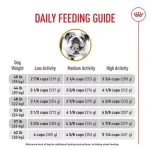
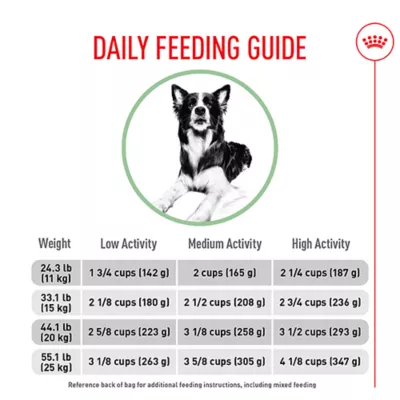
Adult dogs need different amounts of food compared to puppies. Adjust portions based on your dog’s weight, activity, and breed. Avoid overfeeding to keep your dog at a healthy weight.
Use feeding guidelines on the food package as a starting point. Observe your dog’s body condition and energy to fine-tune amounts.
Common Mistakes To Avoid
Switching your puppy to adult dog food is a key step in their growth. Many pet owners make errors that affect their dog’s health and eating habits. Avoid these common mistakes to ensure a smooth change to adult food.
Switching Too Early Or Late
Changing to adult food too early can cause digestive problems. Puppies need nutrients found only in puppy food. Waiting too long may lead to excess weight gain or nutrient imbalance. Follow your vet’s advice on the right age to switch.
Ignoring Puppy Preferences
Not paying attention to your puppy’s taste can cause feeding issues. Some dogs prefer certain textures or flavors. Forcing food they dislike may reduce appetite. Introduce new food gradually and watch their reactions.
Overfeeding Or Underfeeding
Feeding too much adult food causes obesity and joint problems. Too little food can slow growth and lower energy. Measure portions carefully and adjust as your dog’s needs change. Check weight regularly to keep your dog healthy.
Credit: www.petsmart.ca
Veterinarian Recommendations
Getting advice from your veterinarian is one of the smartest moves you can make when deciding the right time to switch your dog to adult food. Vets have the experience and knowledge to guide you based on your dog’s breed, size, and unique health needs. Listening to their recommendations helps you avoid common mistakes and keeps your dog healthy and happy.
Regular Checkups
Scheduling regular checkups allows your vet to monitor your dog’s growth and development closely. These visits give you a chance to discuss your dog’s diet and ask if it’s time to start adult food. Your vet can spot early signs that your puppy might be ready to transition, such as changes in weight, teeth, or energy levels.
Customizing Diet Plans
Your dog isn’t like any other, so a one-size-fits-all diet doesn’t always work. Vets help create a diet plan tailored to your dog’s breed, activity level, and health status. They can recommend specific adult formulas that provide the right balance of nutrients, ensuring your dog gets what they need without any guesswork.
Addressing Health Concerns
If your dog has health issues like allergies, digestive problems, or joint concerns, your vet’s advice becomes even more crucial. Some adult foods may worsen these conditions, while others might help manage them better. Your vet can guide you on the safest options and the best time to introduce new foods to avoid complications.
Frequently Asked Questions
When Should I Switch My Puppy To Adult Dog Food?
You should switch your puppy to adult dog food around 12 months old. Large breeds may need up to 18 months. Transition gradually over 7-10 days to avoid digestive issues.
How Do I Know If My Dog Needs Adult Food?
Signs include slower growth, lower energy needs, and reaching full size. Your vet can confirm the right time based on breed and health.
Can I Feed Adult Dog Food To A Puppy?
No, adult dog food lacks essential nutrients for puppies. Puppies need higher protein, fat, and calories to support growth and development.
What Are The Risks Of Switching Adult Food Too Early?
Switching too early can cause nutrient deficiencies, poor growth, and digestive upset. Puppies require special nutrition until they mature.
Conclusion
Starting adult food for your dog depends on age and size. Small dogs mature faster and need adult food earlier. Large dogs take longer to grow and switch later. Watch your dog’s teeth and behavior for signs. Healthy growth and energy are good indicators.
Always choose balanced food suited for adult dogs. Changing food gradually helps avoid stomach problems. Feeding the right food supports your dog’s health and happiness. Remember, every dog is different. Trust your observations and consult your vet when unsure.