If you have an adult dog at home, you might wonder if it’s okay to give them senior dog food. After all, senior formulas are packed with special nutrients, and you want the best for your furry friend.
But could feeding your adult dog senior food actually help, or might it cause problems? Understanding what your dog really needs can make a big difference in their health and happiness. Keep reading to discover the truth about senior dog food and whether it’s the right choice for your adult dog.

Credit: www.businessinsider.com
Differences Between Senior And Adult Dog Food
Senior dog food differs from adult dog food in several key ways. These differences target the changing needs of aging dogs. Understanding these changes helps choose the right food for your pet’s health and happiness.
Nutritional Variations
Senior dog food often contains more fiber. This helps support digestion and prevent constipation. It also has adjusted protein levels to protect muscle mass without overloading the kidneys. Vitamins and minerals are balanced to support joint health and immunity.
Calorie Content
Older dogs usually have lower energy needs. Senior formulas provide fewer calories to prevent weight gain. Adult dog food has more calories to match higher activity levels. Feeding the right calorie amount keeps dogs fit and healthy.
Ingredient Adjustments
Senior dog food includes ingredients that support aging joints, like glucosamine and chondroitin. It may also have antioxidants to reduce cell damage. Adult dog food focuses on balanced nutrients for growth and energy, with fewer joint-specific additives.
Benefits Of Senior Dog Food For Adults
Senior dog food isn’t just for older dogs. It offers several benefits for adult dogs too. Many adult dogs thrive on diets designed for seniors. These foods often have unique nutritional profiles. They focus on specific health needs that can benefit all ages. Let’s dive into the key advantages of senior dog food for adult dogs.
Joint Support
Senior dog foods often contain joint-supporting ingredients. Glucosamine and chondroitin are common. These components promote joint health. Adult dogs can benefit from reduced joint strain. This is especially helpful for active breeds. Supporting joints helps maintain mobility over time.
Digestive Health
Senior formulas typically focus on digestive ease. They include high-quality, easily digestible proteins. Fiber content is often higher. This improves gut health and regularity. Adult dogs with sensitive stomachs benefit greatly. A balanced digestive system boosts overall wellbeing.
Weight Management
Weight control is crucial for adult dogs. Senior dog foods are often lower in calories. They help maintain a healthy weight. This reduces stress on joints and organs. Formulas with balanced nutrients prevent weight gain. Adult dogs can stay fit and active with such diets.
Potential Drawbacks Of Feeding Adult Dogs Senior Food
Feeding senior dog food to an adult dog may seem safe, but it has some drawbacks. Senior dog food is made with older dogs’ needs in mind. Adult dogs have different requirements that senior formulas might not meet well.
Choosing the wrong food can affect your dog’s health and energy. It is important to understand these potential issues to make the best choice for your dog’s diet.
Nutrient Imbalance
Senior dog food often contains fewer calories and protein. Adult dogs need more energy and protein to stay active. Feeding senior food might cause a lack of important nutrients. This imbalance can lead to muscle loss or weight changes in adult dogs.
Overnutrition Risks
Senior formulas are lower in calories to prevent weight gain in older dogs. Adult dogs eating these foods might not get enough fuel. This can cause tiredness and poor muscle condition. Some adult dogs may gain weight if their activity level is low but this is rare with senior food.
Unnecessary Supplements
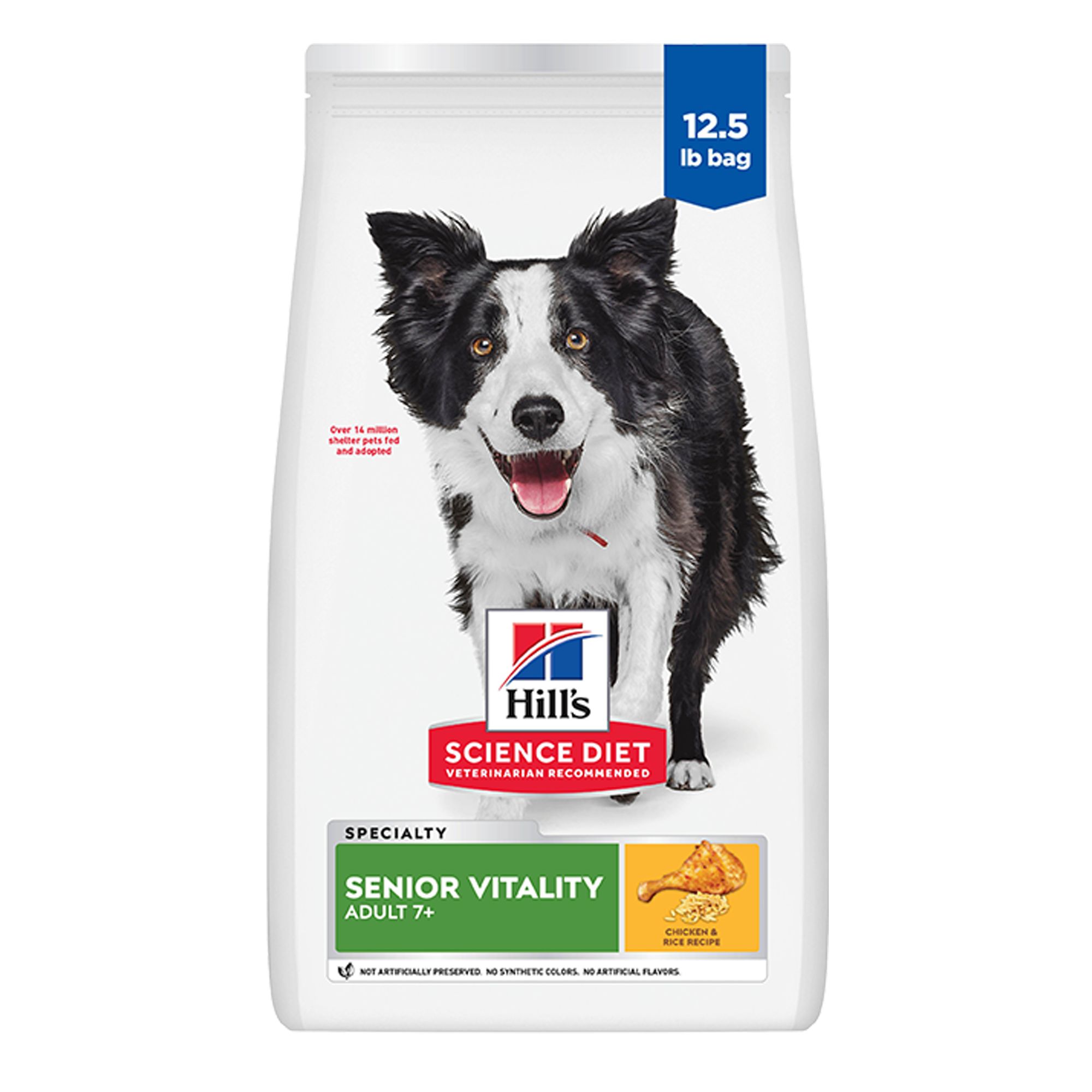
Senior dog foods often have extra supplements like joint support and antioxidants. Adult dogs may not need these added nutrients. Over time, too many supplements can stress organs or upset digestion. Feeding adult dogs food with extra supplements can be wasteful and possibly harmful.

Credit: jiminys.com
When Senior Dog Food Might Be Suitable For Adults
Senior dog food is designed to support older dogs’ changing needs. Sometimes, adult dogs may benefit from this type of food. Special health issues or advice from a vet can make senior dog food a good choice for adults.
Health Conditions
Some adult dogs face health problems that require gentle nutrition. Senior dog food often has fewer calories. It helps dogs with slower metabolism or weight issues stay healthy.
Joint problems, like arthritis, can affect adult dogs too. Senior formulas usually include ingredients that support joint health. Nutrients like glucosamine and chondroitin are common.
Adult dogs with sensitive digestion might find senior dog food easier to digest. The food often contains fiber and probiotics to aid digestion. This can reduce stomach upset and improve nutrient absorption.
Veterinarian Recommendations
Veterinarians assess dogs’ health and needs individually. They may suggest senior dog food for adult dogs with specific conditions. Always follow your vet’s advice on diet changes.
Vets consider factors like weight, activity level, and medical history. They also monitor how well the dog responds to the new diet. Adjustments ensure the dog gets the right nutrition.
Regular check-ups help track the dog’s health over time. This guides decisions about continuing or changing the food type. Professional guidance keeps your dog healthy and happy.
How To Transition Between Dog Food Types
Switching your dog’s food is more than just swapping one bag for another. It requires care and attention to avoid upsetting your dog’s stomach or causing refusal to eat. Knowing how to transition between dog food types helps keep your pet happy and healthy during the change.
Gradual Switching
Start by mixing a small amount of the new food with your dog’s current food. A good rule is to begin with 25% new food and 75% old food. Over the next 7 to 10 days, slowly increase the new food portion while decreasing the old one.
This slow transition allows your dog’s digestive system to adjust without causing diarrhea or vomiting. Have you noticed your dog’s preference for certain flavors or textures? Use this knowledge to make the swap smoother by choosing foods similar in those aspects.
Monitoring Dog’s Response
Watch your dog closely during the transition period for any signs of discomfort, such as changes in stool, appetite, or energy levels. If your dog seems unsettled, slow down the transition process and give more time at each stage.
Keep a journal or notes on your dog’s reactions. This can help you identify if the new food suits their needs or if you need to reconsider your choice. Your dog’s feedback is key—after all, they can’t tell you directly how they feel.
Expert Tips For Choosing The Right Dog Food
Choosing the right food for your dog matters a lot. Senior dog food is made for older dogs, but adult dogs have different needs. Picking the right diet helps keep your dog healthy and active. Here are expert tips to guide you through the process.
Reading Labels
Check the ingredients list carefully. Look for real meat as the first ingredient. Avoid foods with too many fillers like corn or wheat. Notice the protein and fat levels. Adult dogs usually need more protein than seniors. Also, find vitamins and minerals that support overall health. Labels tell you what your dog will eat and digest.
Consulting Professionals
Talk to your vet before changing your dog’s food. They know your dog’s health and can suggest the best diet. A pet nutritionist can offer detailed advice. They help tailor food to your dog’s specific needs. Professionals guide you to avoid problems like allergies or weight gain.
Considering Lifestyle Factors
Think about your dog’s activity level. Active adult dogs burn more energy and need more calories. Less active dogs require fewer calories to avoid weight gain. Consider any health issues like allergies or digestion problems. Age is not the only factor; lifestyle shapes food choices. Feeding right supports your dog’s energy and wellbeing.
Credit: www.petsmart.ca
Frequently Asked Questions
Can Adult Dogs Eat Senior Dog Food Safely?
Yes, adult dogs can eat senior dog food, but it may lack necessary nutrients for their energy. Senior dog food is lower in calories and protein. Consult a vet before switching to ensure balanced nutrition for your adult dog’s health and activity level.
What Are The Differences Between Adult And Senior Dog Food?
Senior dog food contains fewer calories and softer ingredients. It includes joint-support supplements like glucosamine. Adult dog food has higher protein and fat for energy. These differences cater to aging dogs’ slower metabolism and specific health needs.
Will Senior Dog Food Meet An Adult Dog’s Nutritional Needs?
Senior dog food may not meet an adult dog’s higher nutritional demands. It often has reduced calories and protein. Feeding adult dogs senior food long-term could lead to weight loss or muscle decline. Always check nutrient content before making changes.
Can Feeding Senior Dog Food Affect Adult Dog’s Weight?
Yes, senior dog food can cause weight loss in active adult dogs. It contains fewer calories designed for less active seniors. Monitor your dog’s weight and energy, adjusting food type as needed to maintain a healthy body condition.
Conclusion
Senior dog food is made for older dogs’ needs. Adult dogs need different nutrients to stay healthy. Feeding senior food to an adult dog may not give proper energy. It can be too low in calories for active adults. Watch your dog’s health and behavior closely.
Consult your vet before changing food types. Every dog is unique. Choose food that fits your dog’s age and activity. Good nutrition helps dogs live longer and feel better. Keep your dog happy with the right diet.