You love watching your puppy grow, and you want to give them the best care possible. One big question you might have is: when do you switch puppies to adult dog food?
Feeding your dog the right food at the right time is crucial for their health and happiness. If you switch too early or too late, it could affect their growth and energy. You’ll discover the signs to look for and expert tips to make the switch smoothly.
Keep reading to learn how to keep your furry friend strong and healthy every step of the way.
Puppy Growth Stages
Puppy growth is an exciting journey filled with rapid changes and new milestones. Understanding these stages helps you provide the right care, including when to switch your puppy to adult dog food. Each phase demands specific attention to meet your puppy’s evolving needs.
Key Development Milestones
Puppies grow fast, especially in the first few months. During the first 8 weeks, they rely heavily on their mother’s milk and start exploring solid foods. By 3 to 6 months, they experience a growth spurt, gaining strength and coordination.
Between 6 to 12 months, puppies begin to develop adult teeth and their energy levels stabilize. This phase is crucial as their bodies prepare for adulthood. Watching your puppy’s behavior and physical changes can signal when it’s time to adjust their diet.
Nutritional Needs By Age
The nutritional needs of puppies differ significantly as they grow. In the early weeks, they need food rich in protein and fat to fuel rapid growth. Their food should also support brain development and immune health.
| Age | Nutritional Focus | Reason |
|---|---|---|
| 0-8 weeks | High protein and fat, essential fatty acids | Supports rapid growth and brain development |
| 8 weeks – 6 months | Balanced protein, fat, and nutrients | Maintains growth rate and energy levels |
| 6-12 months | Gradual reduction in fat, balanced nutrients | Prepares for adult metabolism and weight maintenance |
| 12+ months | Adult dog food, controlled calories | Supports maintenance and overall health |
Have you noticed your puppy’s energy or appetite changing? These can be clues that their diet needs adjusting. Matching food to their current stage helps avoid growth issues or obesity later on.
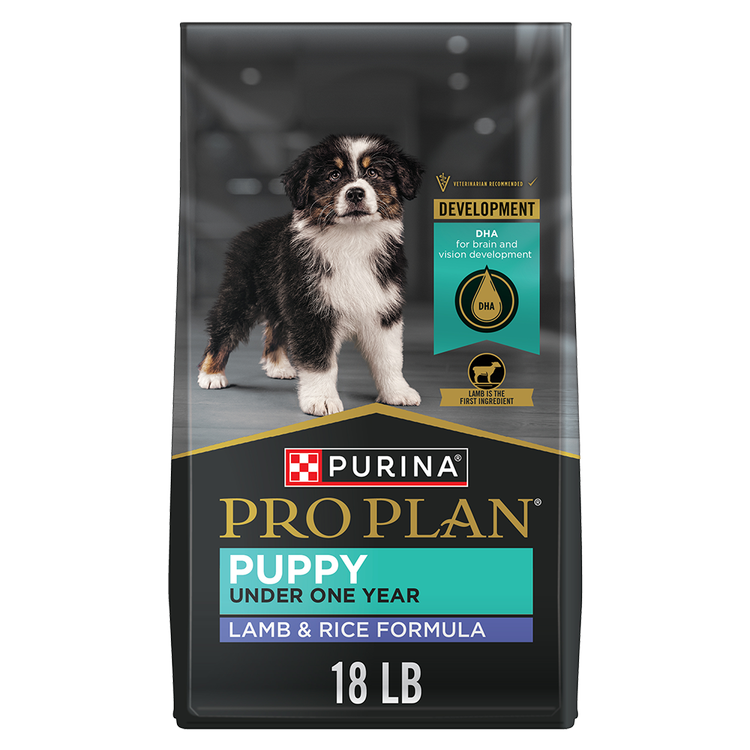
Credit: www.purina.com
Signs To Transition
Knowing when to switch your puppy to adult dog food can feel tricky, but watching for clear signs makes the decision easier. Puppies grow fast, and their nutritional needs change just as quickly. Paying attention to your puppy’s body and behavior helps you know the right time to make the switch.
Physical Indicators
One of the most obvious signs is your puppy’s size. If your dog has reached about 80% of their expected adult weight, it might be time to think about adult food. For example, a Labrador puppy usually hits this point around 9 to 12 months old.
Check their coat and skin too. A shiny, healthy coat means their current diet is working well, but if you notice the coat becoming dull or skin issues appearing, it could signal a need for a diet change. Also, watch their teeth—adult teeth replacing baby teeth is a clear physical sign your puppy is growing up.
Behavioral Changes
Your puppy’s energy levels can give you clues. Puppies are bundles of energy, but as they mature, their activity usually calms down. If your puppy starts showing less hyperactive behavior and more focused play, it’s a good hint they’re ready for adult food.
Notice changes in appetite as well. Sometimes, puppies eat less as they grow older, or their eating patterns shift. If your puppy begins to refuse their current food or seems less enthusiastic, experimenting with adult dog food might help keep mealtime exciting.
Have you observed your puppy’s growth and habits closely? These signs often reveal more than just age—they tell you about their nutritional needs too.
Choosing Adult Dog Food
Transitioning your puppy to adult dog food is crucial. This ensures they receive the nutrients needed for healthy growth. It is important to choose the right adult dog food for your pet. The food should meet their nutritional needs and taste preferences. Understanding the nutrient requirements and available types of adult dog food can help.
Nutrient Requirements
Adult dogs need a balanced diet to stay healthy. They require proteins, fats, and carbohydrates in the right amounts. Proteins help with muscle maintenance. Fats provide energy and support cell function. Carbohydrates give your dog energy and help with digestion. Vitamins and minerals are also necessary. They support immune function and overall health. Always check the label for these nutrients.
Types Of Adult Dog Food
There are various types of adult dog food. Dry kibble is popular and convenient. It helps keep teeth clean. Wet food is more palatable and hydrating. Some dogs prefer its texture and taste. Semi-moist food is another option. It’s soft and chewy but less common. Each type has its own benefits. Consider your dog’s preferences and dietary needs.
Transitioning Process
Switching your puppy to adult dog food is an important step that requires care and attention. The transition process helps your puppy adjust smoothly to new nutrients and flavors without upsetting their stomach. Taking your time during this change can prevent digestive issues and ensure your furry friend stays happy and healthy.
Gradual Food Mixing
Start by mixing a small amount of adult dog food with your puppy’s current food. A good rule is to begin with about 25% adult food and 75% puppy food. Over the next 7 to 10 days, slowly increase the adult food portion while decreasing the puppy food.
This gradual mix helps your puppy’s digestive system get used to the new food. Abrupt changes can cause diarrhea or vomiting, so patience here pays off. Remember, every puppy is different, so watch how your dog responds and adjust the pace if needed.
Monitoring Your Puppy
Keep a close eye on your puppy during the switch. Look for signs like changes in appetite, stool consistency, and energy levels. If your puppy seems uncomfortable or sick, slow down the transition or consult your vet.
Also, note any changes in weight or behavior that might signal a problem. Is your puppy still excited about mealtime? Do they seem more tired than usual? These observations help you make informed decisions throughout the process.
Common Mistakes To Avoid
Switching your puppy to adult dog food is important for their health and growth. Many pet owners make common mistakes during this transition. These errors can cause digestive problems or nutritional gaps. Knowing what to avoid helps keep your dog healthy and happy.
Switching Too Early Or Late
Changing food too early can stop puppies from getting needed nutrients. Their bodies still need the energy and vitamins in puppy food. Switching too late may cause weight gain or poor digestion. Watch your puppy’s size, breed, and vet advice to time the switch right.
Ignoring Dietary Needs
Adult dog food formulas vary by breed, size, and health. Not considering your dog’s specific needs can lead to health issues. Some dogs require special diets for allergies or sensitivities. Always check ingredient lists and nutrition facts to match your dog’s needs.
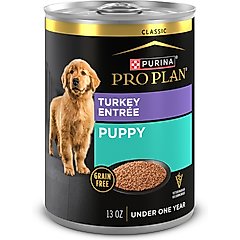
Credit: www.chewy.com
Veterinarian Recommendations
Veterinarian advice plays a key role in deciding when to switch puppies to adult dog food. Vets have expert knowledge about dog growth and nutrition. They help ensure the transition supports your puppy’s health. Following their guidance can prevent digestive issues and nutritional gaps.
When To Consult A Vet
Consult a vet before changing your puppy’s diet. Puppies grow at different rates, and a vet can determine the right time for your dog. They consider health status, activity level, and any special needs. A vet visit also helps identify signs that the puppy is ready for adult food.
Tailoring Diet To Breed And Size
Breed and size affect dietary needs. Small breeds mature faster and may switch to adult food earlier. Large breeds grow slowly and require special nutrition to avoid joint problems. Vets recommend diet plans based on these factors. They guide on the type of adult food that fits your puppy’s breed and size best.

Credit: www.thinkjinx.com
Frequently Asked Questions
When Should Puppies Switch To Adult Dog Food?
Puppies typically switch to adult dog food between 9 to 12 months. Large breeds may take up to 18 months. This change supports their growth needs and prevents obesity.
Why Switch From Puppy To Adult Dog Food?
Adult dog food has fewer calories and different nutrient ratios. It helps maintain a healthy weight and supports mature metabolism after growth ends.
How To Transition Puppies To Adult Dog Food?
Gradually mix adult food with puppy food over 7-10 days. This reduces digestive upset and helps your puppy adjust smoothly to the new diet.
What Signs Indicate It’s Time To Switch Food?
Signs include slower growth, reduced activity, and adult teeth development. Consult your vet if unsure about the best time to switch.
Conclusion
Switching your puppy to adult dog food helps support healthy growth. Watch their age and weight closely for the right time. Gradually change the food to avoid stomach upset. Choose a quality adult formula that fits your dog’s needs. This change keeps your dog strong and happy.
Remember, each dog grows at their own pace. Trust your vet’s advice for the best results. Caring for your dog’s diet is a key part of good pet care. Keep your furry friend healthy with smart food choices.