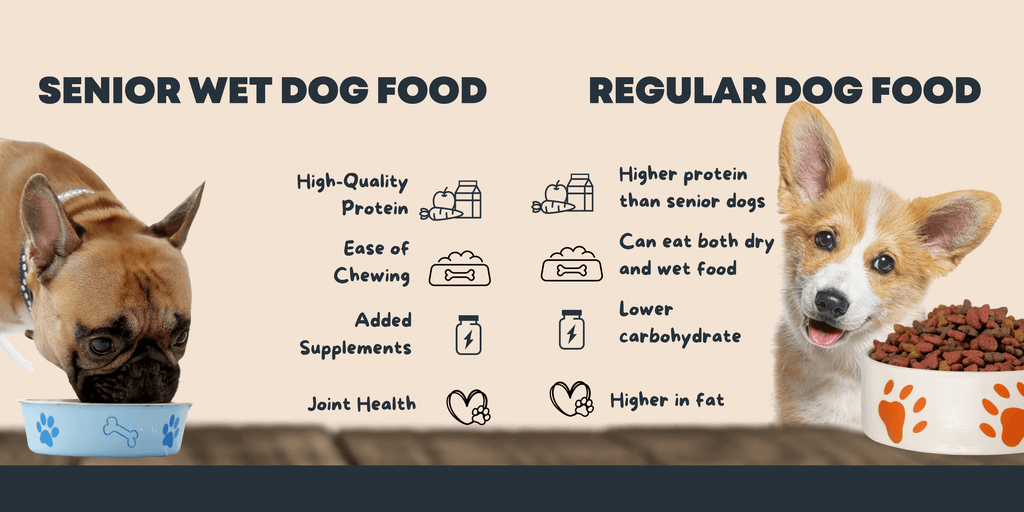

Knowing exactly when to switch your dog to adult dog food can make a big difference in their health and happiness. You want to give your furry friend the best nutrition at the right time, but it’s not always easy to tell when that moment comes.
If you’ve ever wondered whether your pup is ready to move on from puppy food, you’re not alone. You’ll discover clear signs and simple tips to help you make the right choice for your dog’s diet. Keep reading to ensure your dog gets the perfect fuel they need to stay strong and energetic.

Credit: www.petsmart.ca
Choosing The Right Age For Adult Food
Choosing the right age to switch your dog to adult food is important for their health. Puppies need different nutrients than adult dogs. Feeding the correct food at the right time helps support steady growth and energy levels. Every dog is unique, so timing may vary.
Watch your dog’s development closely. Signs of readiness and breed size affect the best feeding time. Consulting a veterinarian ensures your dog’s diet matches their specific needs.
Signs Your Dog Is Ready
Look for clear signs your dog is ready for adult food. Puppy growth slows down and energy balances out. Teeth become stronger and baby teeth fall out. Your dog may seem less hungry than before. These signs show their body is shifting to adult needs.
Breed And Size Considerations
Breed and size play a big role in timing. Small breeds mature faster and may switch at 9 to 12 months. Large breeds grow longer and may need puppy food up to 18 months. Medium breeds usually change around 12 months. Adjust feeding time to your dog’s growth rate and breed traits.
Consulting Your Veterinarian
Your vet knows your dog’s health best. They can guide you on the right time to switch foods. Vets consider weight, activity, and health conditions. Regular check-ups help ensure your dog stays healthy during diet changes. Always ask your vet before making big food changes.
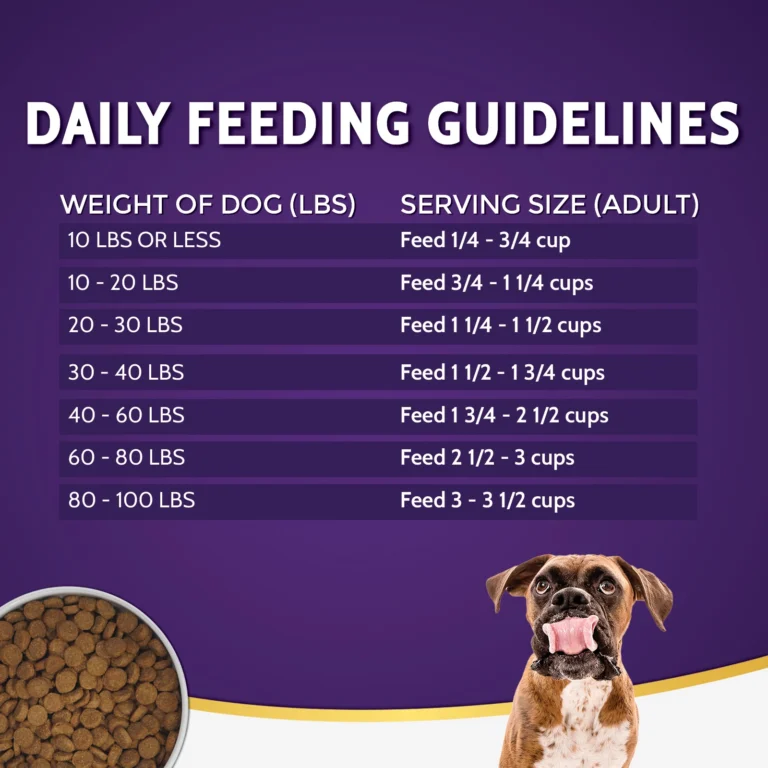
Credit: zignature.com
Daily Feeding Schedule Tips
Setting a solid daily feeding schedule for your adult dog can improve their digestion, energy levels, and overall mood. Knowing when and how often to feed helps keep your dog healthy and happy. Let’s look at some practical tips to fine-tune your dog’s mealtime routine.
Ideal Meal Frequency
Most adult dogs do well with two meals a day—one in the morning and one in the evening. This schedule helps maintain steady energy throughout the day without overloading their stomach.
Feeding more than twice daily can sometimes lead to overeating or digestive upset. However, some dogs with special needs or health issues might benefit from smaller, more frequent meals.
Best Times To Feed
Try to feed your dog at consistent times each day to build a predictable routine. Many owners find feeding around 7–8 AM and 5–6 PM fits well with their own schedules.
Think about your dog’s activity patterns. If your dog is most active after a walk, feeding right after exercise can be a good idea. Avoid feeding immediately before vigorous activity to prevent discomfort.
Adjusting Portions For Activity Levels
Notice how your dog’s energy changes with different activity levels. On days when they run, play, or go for long walks, they might need a bit more food to fuel that extra effort.
On rest days, reduce portions slightly to avoid weight gain. It’s a balancing act that you’ll get better at by observing your dog’s body condition and energy.
Have you ever adjusted your dog’s food and seen a clear change in their energy or weight? Paying attention to these signals is key to getting feeding right.
Transitioning To Adult Food
Knowing when to switch your dog to adult food is vital. Puppies grow quickly, needing specific nutrients. As they mature, their dietary needs change. Transitioning to adult food supports their health and energy. This shift usually occurs around one year of age. Yet, it varies by breed and size. Consult your vet for personalized advice.
Gradual Food Changes
Sudden diet changes can upset your dog’s stomach. A gradual transition helps avoid digestive issues. Start by mixing a small amount of adult food with puppy food. Gradually increase the adult food over a week. Monitor your dog’s reaction to the new diet.
Monitoring Digestive Health
Watch for signs of digestive distress. Loose stools or vomiting can signal issues. Ensure your dog is comfortable with their new food. Consistent stool and regular eating habits indicate a successful switch.
Avoiding Common Feeding Mistakes
Overfeeding can lead to weight gain and health problems. Measure portions carefully to prevent obesity. Avoid giving too many treats. Stick to a balanced diet for optimal health. Regular vet check-ups can guide feeding practices.
Special Needs And Feeding Timing
Feeding adult dogs requires attention to their unique health needs and daily routines. Timing and diet adjustments help maintain their wellbeing. Special needs in adult dogs affect how and when they should eat. Understanding these needs supports a healthier, happier pet.
Managing Weight
Controlling weight is vital for an adult dog’s health. Overweight dogs need fewer calories to avoid health problems. Feeding smaller meals more often can help manage hunger. Avoid giving too many treats between meals. Regular exercise works well with proper feeding schedules to keep weight in check.
Feeding Senior Dogs
Senior dogs have slower metabolisms and lower energy needs. They may require food with more fiber and less fat. Feeding at consistent times supports their digestive health. Some older dogs benefit from two smaller meals instead of one large meal. Monitoring their appetite changes helps adjust feeding times and portions.
Addressing Food Allergies
Food allergies cause discomfort and health issues in dogs. Identifying allergens is key to choosing the right food. Feeding hypoallergenic or limited-ingredient diets reduces reactions. Feeding times should stay regular to avoid stress on digestion. Consulting a vet helps create a suitable feeding plan for allergic dogs.
Common Myths About Dog Feeding Times
Feeding your adult dog at the right time is often surrounded by many myths that can confuse even the most attentive pet owners. These myths can lead to incorrect feeding schedules, impacting your dog’s health and happiness. Understanding the truth behind these common beliefs helps you make smarter choices for your furry friend’s diet.
Debunking Overnight Feeding
Some people believe dogs should be fed right before bedtime to keep them full overnight. However, feeding too late can cause digestive discomfort or even disrupt their sleep. Instead, feeding your dog a few hours before bed allows ample time for digestion and reduces the risk of nighttime accidents.
Have you noticed your dog waking up restless after a late meal? Adjusting feeding times could improve their nighttime comfort.
Meal Timing And Behavior
It’s often assumed that feeding schedules directly control a dog’s behavior throughout the day. While routine helps dogs feel secure, meal timing alone won’t fix behavioral issues like hyperactivity or anxiety. Focus on a balanced routine that includes exercise, mental stimulation, and consistent feeding times for better behavior.
Think about when your dog is most energetic or calm—does it really line up with feeding times, or something else?
Impact On Energy Levels
Many believe feeding a dog multiple small meals boosts energy better than fewer larger meals. In reality, energy levels depend more on the quality of the food and portion size than meal frequency. Choose a high-quality adult dog food and feed according to your dog’s activity level to maintain steady energy throughout the day.
Have you tried different feeding schedules to see how your dog’s energy changes? Tracking this can reveal what works best for your pet.
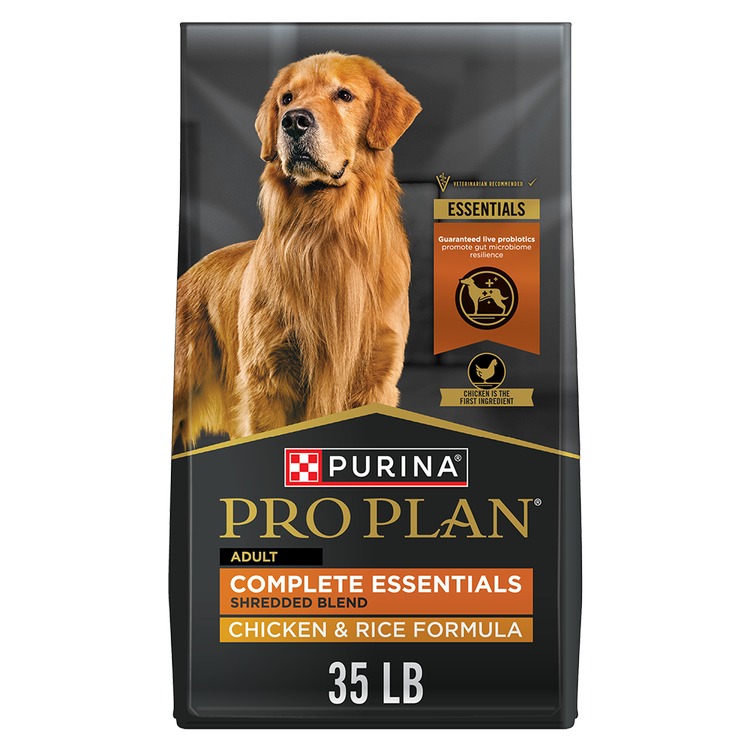
Credit: www.purina.com
Frequently Asked Questions
When Should I Switch My Dog To Adult Dog Food?
Switch your dog to adult food after 12 months for small breeds. Larger breeds may need up to 18-24 months. This timing supports healthy growth and nutrient balance.
How Do I Know If My Dog Is Ready For Adult Food?
Look for signs like full size, stable weight, and mature teeth. Consult your vet to confirm your dog’s readiness for adult food.
Can Feeding Adult Dog Food Too Early Harm My Dog?
Yes, feeding adult food too early can cause nutrient imbalances. Puppies need higher protein and calories for growth. Follow age recommendations to avoid health issues.
What Are The Benefits Of Feeding Adult Dog Food Timely?
Proper timing supports optimal health, weight maintenance, and energy levels. It prevents nutritional deficiencies and promotes a strong immune system.
Conclusion
Feeding your dog adult food at the right time helps keep them healthy. Puppies need special nutrition, but adults require balanced meals for energy. Watch your dog’s age and size to know when to switch. Always choose good quality food made for adult dogs.
This change supports growth, strength, and overall well-being. Remember, feeding the right food at the right time shows you care. Keep your dog happy and active with proper meals every day. Simple steps lead to a long, healthy life for your furry friend.