
Is your furry friend growing up faster than you expected? Knowing when to switch from puppy to adult dog food can be tricky, but it’s one of the most important decisions you’ll make for your dog’s health.
Feeding your dog the right food at the right time helps keep their energy up, supports their growing body, and prevents future health problems. If you’re wondering whether it’s time to make the change, keep reading. This guide will help you understand the signs to watch for and how to choose the best food for your adult dog’s needs.
Your dog depends on you—make sure you get this right!
Credit: www.petsmart.ca
Signs Your Puppy Is Ready
Knowing when to switch your puppy to adult dog food can feel tricky. Puppies grow at different rates, and their needs change as they do. Watch for clear signs that your little friend is ready to make the transition.
Physical Growth Milestones
Your puppy’s size and weight give you a strong clue. Most dogs reach about 80% of their adult size between 9 and 12 months. If your puppy has stopped growing rapidly or looks more like a small adult dog, it might be time to change their diet.
Smaller breeds often mature faster, sometimes ready by 9 months. Larger breeds take longer, often needing puppy food up to 12 or even 18 months. Check your vet’s advice based on your dog’s breed to be sure.
Behavioral Changes
Have you noticed your puppy becoming calmer and less hyperactive? Puppies often slow down after their first year, reflecting a shift in energy needs. If your dog seems less playful but still hungry, it’s a sign their metabolism is adjusting.
Changes in chewing habits or appetite can also signal readiness. Your dog might start showing more interest in different textures or flavors that adult food offers. Are you paying attention to these subtle shifts?
Nutritional Needs Shift
Puppy food is high in calories and nutrients to support rapid growth. Once your dog’s growth slows, excess calories can lead to weight gain. Adult dog food provides balanced nutrition to maintain health without overfeeding.
Switching too early can deprive your puppy of essential nutrients. Too late, and you risk obesity or digestive issues. Balance is key—observe your dog’s body condition and energy levels closely when deciding.
Age Guidelines By Breed Size
Knowing when to switch your dog to adult food depends heavily on their breed size. Different breeds grow and mature at different rates, so the age to transition varies. Paying attention to these guidelines helps you meet your dog’s nutritional needs without causing digestive upset or nutritional gaps.
Small Breeds
Small breed dogs mature faster than larger breeds. Most small dogs are ready for adult food between 9 to 12 months of age. If your Chihuahua or Dachshund is still on puppy food past their first birthday, consider making the switch to avoid excess calories.
Smaller breeds often have higher metabolism, so adult formulas with balanced energy levels are key. Have you noticed your small dog’s energy dipping or weight creeping up? That might signal it’s time to adjust their diet.
Medium Breeds
Medium breeds, like Beagles or Cocker Spaniels, typically transition around 12 months. Their growth slows down by then, and adult food supports maintenance rather than growth. Switching too early can leave them short on vital nutrients.
Watch your dog’s body condition closely during this period. If your medium breed still looks lean and active, adult food will help keep them fit without overfeeding. Are you tracking their weight and activity regularly?
Large And Giant Breeds
Large breeds such as Labradors or German Shepherds, and giant breeds like Great Danes, take longer to mature. They usually need puppy food for up to 18-24 months. Their bones and joints require special nutrients during this prolonged growth phase.
Rushing them onto adult food too soon can lead to joint issues or poor development. Have you checked if your dog’s food supports joint health during these critical growth years? Adult formulas for large breeds differ significantly from smaller ones.
Health Factors To Consider
Choosing the right time to upgrade to adult dog food involves considering key health factors. Each dog is unique, and their dietary needs change over time. Understanding these health factors ensures your dog stays healthy and happy.
Weight Management
Adult dogs need a balanced diet for maintaining a healthy weight. Puppy food is high in calories, which can lead to weight gain in adult dogs. Switching to adult dog food with controlled calories helps manage weight effectively. Monitor your dog’s weight regularly to prevent obesity.
Digestive Health
Adult dogs have different digestive needs compared to puppies. Puppy food is rich and may upset an adult dog’s stomach. Adult dog food is formulated to support a mature digestive system. It aids in better digestion and nutrient absorption.
Allergy And Sensitivity
Dogs might develop allergies or sensitivities as they grow. Ingredients in puppy food can trigger these allergies. Identifying and avoiding these allergens is crucial. Adult dog food often has limited ingredients to minimize the risk of reactions. Always consult a vet if allergies are suspected.
Credit: blepworld.com
Choosing The Right Adult Dog Food
Choosing the right adult dog food is crucial for maintaining your pet’s health as they grow out of puppyhood. The transition isn’t just about switching labels; it’s about meeting their changing nutritional needs and lifestyle. Understanding what to look for helps you make the best choice for your dog’s well-being.
Key Nutritional Components
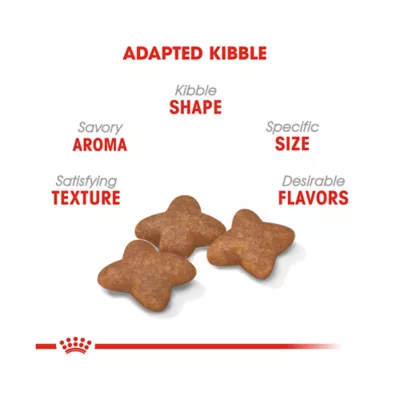
Your adult dog’s diet needs a balanced mix of proteins, fats, and carbohydrates. Protein supports muscle maintenance, while fats provide energy and keep skin healthy.
Look for dog foods with real meat listed as the first ingredient and moderate fat levels suited to your dog’s activity level. Carbohydrates should come from wholesome sources like sweet potatoes or brown rice rather than fillers like corn or wheat.
Don’t forget vitamins and minerals—they keep your dog’s immune system strong and bones healthy. Ask yourself: does this food support my dog’s energy and overall health?
Specialized Diets
Some dogs need more than just standard adult dog food. Specialized diets cater to specific health concerns like allergies, weight control, or joint support.
If your dog has sensitivities, look for hypoallergenic formulas that avoid common allergens. For older dogs, foods rich in glucosamine and omega-3 fatty acids can ease joint discomfort.
Consider your dog’s unique needs—have you noticed any health issues that require a tailored diet?
Reading Ingredient Labels
Labels can be confusing, but learning to read them empowers you to pick the best food. Ingredients are listed by weight, so the first few items matter most.
Watch out for vague terms like “meat by-products” or excessive fillers. Instead, choose foods with named protein sources like “chicken” or “salmon.”
Check for artificial colors, flavors, or preservatives that might harm your dog over time. Next time you shop, take a moment to scan the label—what surprises you?
Transitioning Your Dog’s Diet
Transitioning your dog’s diet from puppy to adult food is important for their health. The change must be smooth to avoid stomach upset. Dogs need time to adjust to new nutrients and flavors.
Proper transition helps maintain digestion and energy levels. Sudden changes can cause diarrhea, vomiting, or loss of appetite. Planning the switch carefully supports your dog’s wellbeing.
Gradual Food Changes
Start by mixing a small amount of adult food with puppy food. Increase the adult food portion slowly over 7 to 10 days. This helps your dog’s stomach get used to the new diet.
Watch how your dog accepts the mix. Avoid switching all at once to reduce stress. Gradual changes make the transition easier and safer.
Monitoring Reactions
Observe your dog for signs of discomfort or allergies. Look for vomiting, diarrhea, or skin irritation. If these happen, slow down the transition or consult a vet.
Check your dog’s energy and mood daily. A healthy dog will stay active and happy. Adjust the diet if you notice any negative reactions.
Adjusting Portions
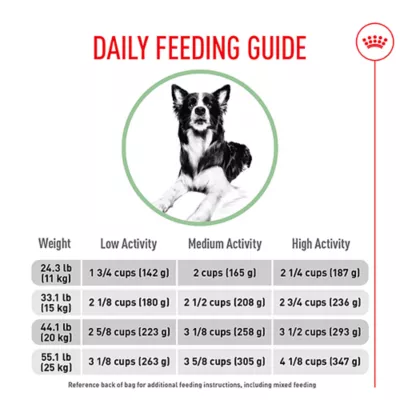
Adult dogs need different amounts of food than puppies. Feed based on weight, activity, and age. Too much food can cause weight gain; too little may cause weakness.
Use feeding guidelines on the dog food package as a start. Adjust portions as you see changes in your dog’s body and energy. Proper portion control keeps your dog healthy and fit.
When To Consult Your Veterinarian
Knowing when to consult your veterinarian about switching your dog to adult food is essential. Your vet can spot signs you might miss and provide advice tailored to your dog’s unique needs. If you notice anything unusual or concerning, don’t wait to get professional input.
Persistent Health Issues
If your dog shows ongoing health problems like skin irritation, digestive upset, or frequent infections, it’s time to talk to your vet. These could be signs that their current food isn’t meeting their needs. Your vet can help identify if a dietary change to adult food or a special formula is necessary.
Unusual Appetite Changes
Has your dog suddenly lost interest in their food or started eating much more than usual? Appetite changes can indicate underlying issues or that their nutritional needs have shifted. Discuss these changes with your veterinarian to determine if transitioning to adult dog food is the right move.
Tailored Nutritional Advice
Your dog’s breed, size, activity level, and health history all affect their dietary requirements. Your vet can provide personalized advice on the best time and type of adult food to introduce. This ensures your dog gets the right balance of nutrients to stay healthy and active.

Credit: forthglade.com
Frequently Asked Questions
When Should I Switch My Puppy To Adult Dog Food?
Switch to adult dog food when your puppy reaches about one year. Large breeds may need to switch later, around 18-24 months. This change supports their mature nutritional needs and helps maintain healthy growth and weight.
What Signs Indicate It’s Time For Adult Dog Food?
Signs include slowed growth, increased energy stability, and reduced need for puppy nutrients. If your dog’s vet confirms maturity, it’s time. Switching too early or late may affect health or weight.
How Does Adult Dog Food Differ From Puppy Food?
Adult dog food has fewer calories and different nutrient ratios. It supports maintenance rather than growth. Puppy food is richer in protein and fat to fuel development. Adult formulas help prevent obesity and support overall health.
Can Switching To Adult Dog Food Affect My Dog’s Health?
Yes, timely switching supports healthy weight and digestion. Delayed switching can cause excess weight or nutrient imbalances. Always transition gradually over 7-10 days to avoid digestive upset and consult your vet for best advice.
Conclusion
Choosing the right time to switch your dog’s food helps their health. Watch for signs like age, energy, and growth changes. Adult dog food supports their strength and keeps them active. Always check your dog’s needs and talk to a vet.
A good diet means a happy, healthy dog. Keep your pet’s meals balanced and suitable for their stage. This simple change makes a big difference in their life. Trust your care to guide the best feeding choice.