
You want the best for your Labrador, especially when it comes to their health and nutrition. But how do you know when it’s time to switch your Lab to adult dog food?
Feeding your dog the right food at the right time can make a big difference in their energy, growth, and overall well-being. If you’re unsure about the right moment to make this change, you’re not alone. Keep reading, and you’ll discover clear signs and expert tips to help you make the best decision for your furry friend.
Credit: www.renspets.com
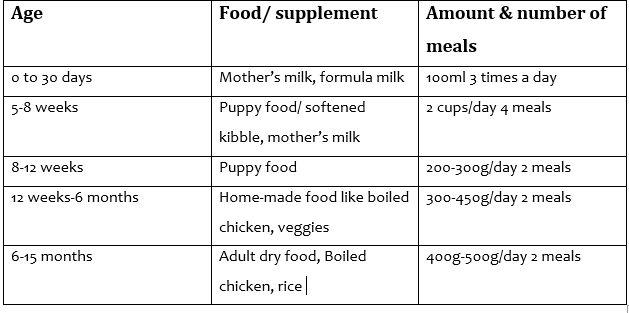
Growth Stages Of Labradors
Labradors grow fast and their dietary needs change as they grow. Knowing the growth stages helps you feed them right. Feeding your Lab the correct food at each stage supports healthy bones and energy.
Puppy Phase
This stage lasts from birth to about 6 months old. Labs need food rich in protein and fat to support rapid growth. Puppy food contains extra nutrients for strong bones and muscles. Feeding adult food now can cause nutrient gaps.
Adolescent Stage
From 6 months to 12-18 months, Labs grow more slowly but still need balanced nutrition. Their energy levels are high, so food should support activity without causing weight gain. Transitioning to adult food can start near the end of this phase.
Adult Maturity
At 12 to 18 months, most Labs reach adult size. Adult dog food has the right nutrients to maintain health and weight. This food supports joint health and energy for an active lifestyle. Switching too early or late can affect your Lab’s health.
Signs Your Lab Is Ready
Knowing when to switch your Labrador to adult dog food can feel tricky. Your Lab’s growth and needs evolve quickly, and catching the right moment matters for their health. Watch closely for clear signs that your Lab is ready to make the change.
Physical Development Indicators
Your Lab’s size and weight are good clues. Most Labs finish growing around 12 to 18 months. If your Lab looks fully grown and their puppy coat is giving way to adult fur, that’s a physical sign they might be ready.
Check their teeth too. Adult teeth usually come in by six months, but if your Lab’s mouth seems mature and strong, it supports the switch. Have you noticed your Lab’s energy level matching their size? That’s another hint.
Behavioral Changes
Puppies are often hyperactive and easily excitable. As Labs mature, their behavior usually calms down and becomes more focused. If your Lab shows less puppy-like mischief and more composed actions, it reflects their growing maturity.
Pay attention to their appetite. Adult dogs often eat less frequently but need nutrient-rich food. Has your Lab’s eating pattern changed? Adjusting their food type to match these new habits can improve their digestion and energy.
Nutritional Needs Shift
Puppy food is rich in calories and nutrients to support rapid growth. Once your Lab slows down physically, they don’t need as many calories but still require balanced nutrition for maintenance.
Adult dog food has the right mix of protein, fat, and vitamins for a mature dog. Switching too early or too late can cause weight problems or deficiencies. Have you checked the labels on your dog’s food to compare nutrients? Understanding this helps you pick the best option for your Lab’s current needs.
Choosing The Right Adult Food
Labs usually switch to adult dog food around one year old. Watch for changes in energy or weight to know the right time. Proper nutrition supports their growth and health as they mature.
Choosing the right adult food for your Labrador Retriever is a pivotal step in ensuring their long-term health and happiness. As your playful pup transitions from puppyhood, it’s crucial to select a diet that meets their new nutritional needs. You might wonder what makes adult dog food different and how to make the best choice for your furry friend.Key Nutrients For Adult Labs
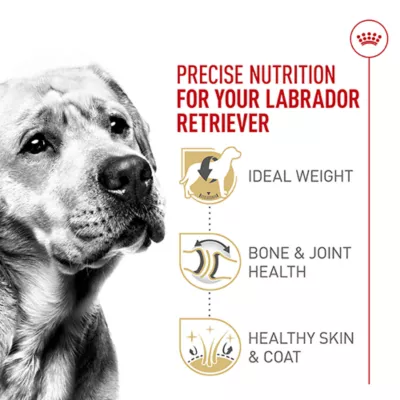
Adult Labs require a balanced diet rich in protein, healthy fats, and essential vitamins. Protein helps maintain their strong muscles and supports energy levels. Look for food with real meat as the first ingredient. Healthy fats, like those from fish oil, promote a shiny coat and healthy skin. Vitamins and minerals support overall well-being, keeping your Lab lively and active.Avoiding Common Ingredients
Some ingredients in dog food can cause allergies or digestive issues. Avoid foods with excessive fillers like corn, wheat, and soy. Artificial preservatives and colors are also best left out of your Lab’s diet. Opt for natural ingredients and whole foods to ensure they’re getting the best nutrition possible.Brand Recommendations
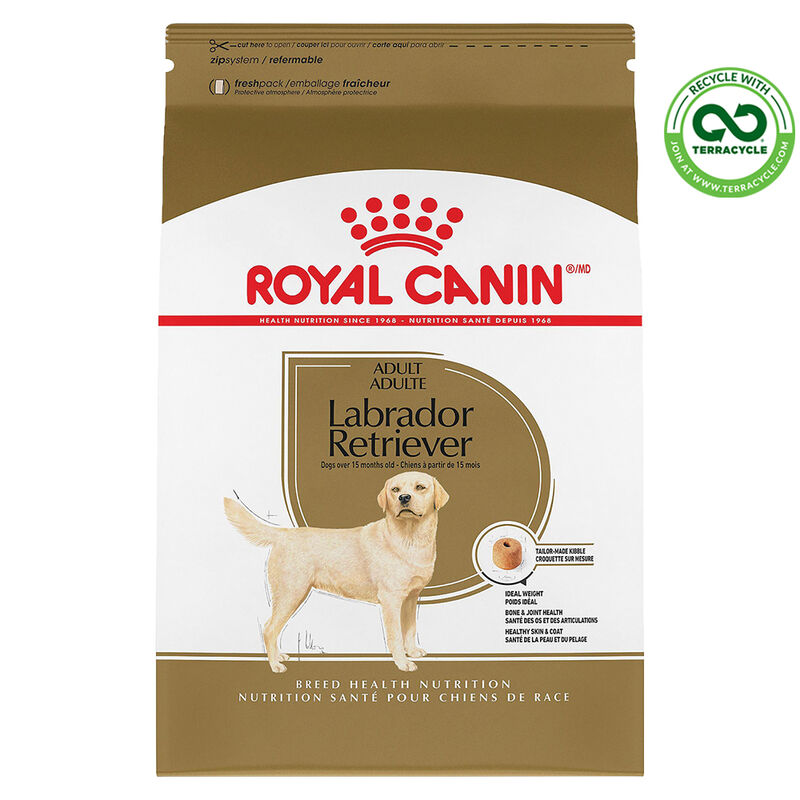
Selecting a reliable brand can make all the difference. Consider brands known for their quality ingredients and positive reviews. Brands like Blue Buffalo, Hill’s Science Diet, and Royal Canin are popular among Lab owners for their balanced formulas. Always check for AAFCO approval to ensure the food meets nutritional standards. Choosing the right adult dog food is more than just picking a bag off the shelf. It’s about understanding your Lab’s needs and making informed decisions. What will you choose to fuel your loyal companion’s adventures?Transitioning Smoothly
Switching your Lab from puppy food to adult dog food is a big step. Doing it smoothly helps avoid upset stomachs and keeps your dog happy. A careful transition lets your Lab adjust to new nutrients without stress.
Gradual Food Mixing
Start by mixing a small amount of adult dog food into your Lab’s current puppy food. Over 7 to 10 days, slowly increase the adult food portion while decreasing the puppy food. This slow change helps your dog’s digestive system get used to the new food.
Imagine rushing this process—you might see vomiting or diarrhea. Nobody wants that. Taking time to mix foods gently can prevent these issues and make mealtime enjoyable again.
Monitoring Digestive Health
Watch your Lab’s stools closely during the switch. Soft stools or irregular bathroom habits can signal that the new food isn’t agreeing with them yet. If you notice persistent problems, slow down the transition or consult your vet.
Pay attention to other signs too, like gas or a drop in energy. These clues tell you if your dog is adapting well or needs a different approach. Have you noticed any signs like these when switching your dog’s food before?
Adjusting Portions
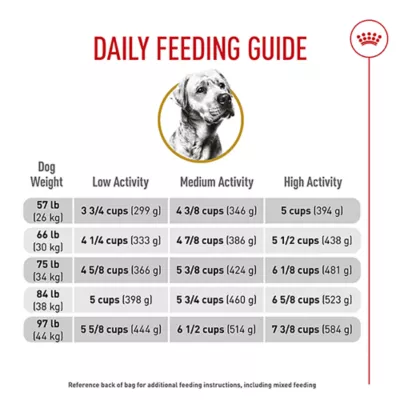
Your Lab’s calorie needs change as they grow from a puppy to an adult. Adult dog food is more calorie-dense, so feeding the same amount as puppy food could lead to weight gain. Adjust portions based on your dog’s activity level, age, and size.
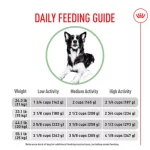
Use the feeding guidelines on the adult food package as a starting point. Then, observe your dog’s weight and energy, and tweak portions accordingly. Keeping your Lab at a healthy weight supports their long-term well-being.
Special Considerations
Deciding when to switch your Labrador to adult dog food isn’t just about age. There are special considerations that can influence the timing and type of food that best supports your dog’s health. Paying attention to these factors ensures your Lab stays healthy and happy throughout this transition.
Health Conditions
Your Lab’s health status can impact when and how you switch to adult food. Dogs with joint issues, allergies, or digestive sensitivities might need specially formulated adult diets. For example, a Lab with hip dysplasia may benefit from food rich in glucosamine and omega fatty acids.
Ignoring these conditions can lead to discomfort or worsen problems. Have you noticed any changes in your dog’s behavior or physical health that might signal a need for a tailored diet?
Activity Level Variations
Labs with high energy and active lifestyles often require a different nutritional profile than those who are more sedentary. An active Lab may need more calories and protein to fuel their exercise. Conversely, a less active Lab might benefit from adult food with controlled calories to prevent weight gain.
Think about your dog’s daily routine—is it full of walks, playtime, or rest? Matching food to activity level can keep your Lab fit and energized without unnecessary weight gain.
Veterinary Advice
Your vet is the best resource to guide you on the right time and type of adult food for your Lab. They can assess your dog’s growth, weight, and overall health to recommend the ideal transition plan. I once switched my Lab’s food based on vet advice and noticed an immediate boost in energy and coat shine.
Don’t hesitate to ask your vet specific questions, such as which brands or formulations are best for your Lab’s needs. Would you feel more confident making the switch with professional guidance?
Credit: www.petsmart.ca
Common Mistakes To Avoid
Switching your Labrador to adult dog food is important for their health. Many dog owners make simple mistakes during this change. These errors can cause digestive problems or poor nutrition. Avoiding common pitfalls ensures your Lab stays happy and healthy.
Switching Too Early Or Late
Changing to adult food too soon can harm growing puppies. Their bodies need special nutrients found in puppy food. Switching too late can lead to weight gain and nutrient imbalances. Follow your vet’s advice on the right age to switch.
Ignoring Nutritional Labels
Not checking food labels can cause missing essential nutrients. Adult dog food should meet specific standards for protein, fat, and vitamins. Look for foods approved by pet health organizations. This helps your Lab get balanced nutrition.
Rapid Diet Changes
Switching foods suddenly can upset your dog’s stomach. Rapid changes may cause diarrhea or vomiting. Gradually mix adult food with puppy food over 7 to 10 days. This slow process helps your Lab adjust smoothly.
Credit: www.petsmart.ca
Frequently Asked Questions
When Should I Switch My Lab To Adult Dog Food?
Switch your Labrador to adult dog food around 12 months old. At this age, their growth slows and nutrient needs change. Adult formulas support maintenance and healthy activity levels. Consult your vet to confirm the best timing for your Lab’s transition.
What Are Signs My Lab Needs Adult Food?
Signs include slowed growth, decreased calorie needs, and less puppy energy. Also, adult dog food better supports joint health and weight management. Observing these changes indicates it’s time to switch from puppy to adult formula for balanced nutrition.
How Do I Transition My Lab To Adult Food?
Gradually mix adult food with puppy food over 7-10 days. Increase adult food portion daily while decreasing puppy food. This prevents digestive upset and helps your Lab adjust smoothly to the new diet.
Can I Feed My Lab Adult Food Before One Year?
It’s generally not recommended to feed adult food before one year. Puppy food contains extra nutrients crucial for growth. Premature switching may affect development, especially joint and bone health. Always consult your vet before early transitions.
Conclusion
Switching your Lab to adult dog food helps keep them healthy and strong. Watch their growth and energy to know the right time. Adult food meets their changing needs as they grow. Gradual change makes the switch smooth and easy.
Healthy food means a happy, active dog for years. Always check with your vet if unsure about timing. Taking care of your Lab’s diet is a simple way to show love. Small steps lead to big health benefits. Your Lab deserves the best every day.