
Are you worried that a grain free diet might be harmful to your dog? You’re not alone.
Many pet owners wonder if skipping grains is really the best choice for their furry friend’s health. But how do you know what’s right for your dog? This article will help you understand the facts, clear up common myths, and make an informed decision that keeps your dog happy and healthy.
Keep reading—you owe it to your dog to get the full story.

Credit: wefeedraw.com
Grain Free Diet Basics
A grain free diet for dogs has become popular in recent years. Some pet owners believe grains cause allergies or digestive problems. This diet removes all grains like wheat, corn, and rice from dog food. It aims to offer a more natural or healthier option for pets.
Understanding the basics helps decide if this diet suits your dog. Knowing what replaces grains and the diet’s purpose is important. Below are key points about grain free diets.
What Is A Grain Free Diet?
A grain free diet excludes all cereal grains. These include wheat, corn, barley, oats, and rice. Dog food labeled grain free uses other ingredients instead. The goal is to avoid possible allergens or hard-to-digest grains.
This diet focuses on proteins and vegetables. Protein sources often include meats, fish, or eggs. Vegetables and fruits supply vitamins and fiber. Grain free dog food tries to keep nutrition balanced without grains.
Common Ingredients Replaced In Grain Free Foods
Grains are replaced by other carbohydrate sources in grain free dog food. Common substitutes include:
- Sweet potatoes
- Pumpkin
- Peas
- Lentils
- Chickpeas
- Potatoes
These ingredients provide energy and fiber. They also add nutrients like vitamins and minerals. Grain free foods still aim to meet a dog’s dietary needs fully.

Credit: www.houndsy.com
Reasons Owners Choose Grain Free
Many dog owners are drawn to grain free diets for their pets, believing these options offer unique benefits. Understanding the reasons behind this choice can help you decide if it’s right for your dog. Let’s look at what motivates owners to choose grain free food and how these reasons match up with your dog’s needs.
Perceived Health Benefits
Owners often believe grain free diets provide better nutrition for their dogs. They think these foods mimic a dog’s natural diet, which they assume is free from grains. This belief leads many to expect improved energy levels and shinier coats after switching.
Some owners have noticed fewer digestive issues, like less gas or softer stools, when they switched to grain free. You might ask yourself: Have I seen signs that my dog struggles with traditional kibble? If yes, grain free could be worth trying.
Allergy And Sensitivity Concerns
Many people choose grain free diets because they suspect their dog has allergies or food sensitivities. Grains like wheat, corn, and soy are common allergens in dogs. Removing these can seem like a simple solution to reduce itching, redness, or ear infections.
However, true grain allergies in dogs are relatively rare compared to protein allergies. If your dog shows signs of food sensitivity, it’s important to identify the exact cause rather than assuming grains are the problem. Have you consulted your vet or tried an elimination diet to pinpoint your dog’s triggers?
Potential Risks Of Grain Free Diets
Choosing the right diet for your furry friend can be a daunting task. Among various options, grain-free diets have gained popularity, but they come with their own set of concerns. While some pet owners swear by them, it’s crucial to be aware of the potential risks involved.
Link To Canine Heart Disease
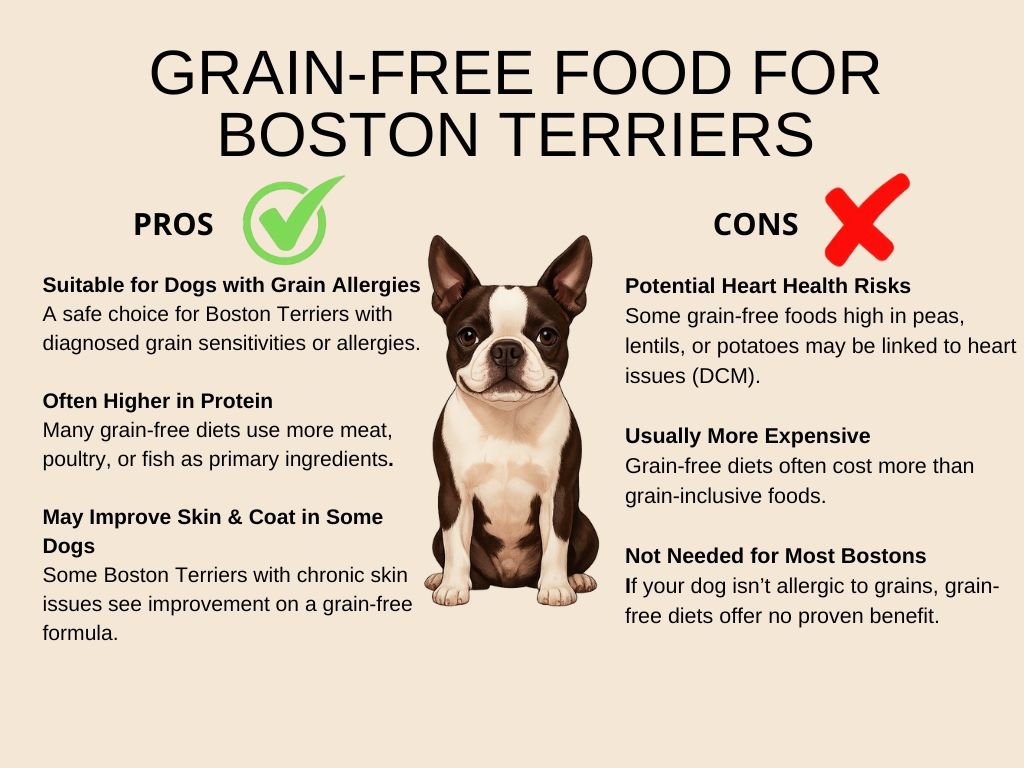
Recent studies have highlighted a concerning link between grain-free diets and canine heart disease, particularly dilated cardiomyopathy (DCM). This condition affects the heart’s ability to pump blood, leading to severe health issues. If your dog is on a grain-free diet, it’s essential to monitor their heart health closely and consult your vet regularly.
Nutritional Imbalances
Grain-free diets often replace grains with alternative carbohydrates like potatoes or legumes. While these ingredients may sound healthy, they can lead to nutritional imbalances. A balanced diet is crucial for your dog’s overall health, and grain-free options might miss the mark.
Lack Of Essential Nutrients
Grains are a source of essential nutrients like fiber, iron, and magnesium. Omitting them entirely could result in nutrient deficiencies. Have you checked if your dog’s grain-free food is compensating for these missing nutrients?
Choosing the right diet is about finding what works best for your dog’s unique needs. Always consider consulting with a veterinarian to tailor the best nutritional plan for your pet. After all, their health and happiness are in your hands.
Credit: bostonterrierblog.com
Scientific Research And Findings
Scientific research offers valuable insights into grain free diets for dogs. Studies explore how these diets affect dog health and overall well-being. Experts and veterinarians analyze data to guide pet owners in making informed decisions. Understanding the facts helps avoid myths and ensures proper nutrition for dogs.
Studies On Grain Free Diets And Dog Health
Research on grain free diets shows mixed results. Some studies link grain free food to certain heart problems in dogs. Dilated cardiomyopathy (DCM) has been a focus of concern. Researchers found possible links between grain free diets and DCM in some dog breeds.
Other studies emphasize that many dogs thrive on grain free diets. They report improved digestion and fewer allergies. The key lies in balanced nutrition, not just the absence of grains. Grain free does not mean free from essential nutrients.
Expert Opinions And Veterinary Guidance
Veterinarians suggest careful diet choices based on each dog’s needs. Most recommend consulting a vet before switching diets. Experts stress that grain free is not suitable for all dogs. They advise monitoring dog health regularly during diet changes.
Some vets highlight that certain ingredients in grain free food may cause nutrient imbalances. They recommend diets with proper taurine and amino acid levels. Regular check-ups help catch any health issues early. Expert guidance ensures safe and healthy feeding choices.
Alternatives To Grain Free Diets
If you’re questioning whether a grain free diet is right for your dog, it’s worth knowing there are other options that might suit their needs just as well or better. Alternatives to grain free diets can offer balanced nutrition without removing grains entirely. Let’s look at some practical choices to keep your dog healthy and happy.
Balanced Diets With Grains
Grains like rice, oats, and barley provide important nutrients such as fiber, vitamins, and minerals. Many dogs digest these grains well, and they can be part of a balanced diet that supports energy and digestive health.
Choosing a diet with grains doesn’t mean sacrificing quality. Look for dog foods that use whole grains and avoid fillers or artificial additives. Have you noticed how some dogs seem more energetic and have healthier coats when their food includes grains?
Limited Ingredient Diets
If your dog has allergies or sensitivities, limited ingredient diets offer a straightforward way to pinpoint and avoid triggers. These diets usually contain fewer components, making it easier to monitor how your dog reacts to each ingredient.
Unlike grain free diets, limited ingredient options don’t necessarily exclude grains but focus on simplicity and quality. This can reduce the risk of nutritional gaps while managing your dog’s specific health needs. Have you tried a limited ingredient diet and noticed changes in your dog’s digestion or skin condition?
How To Choose The Right Diet
Choosing the right diet for your dog can feel overwhelming, especially with so many options like grain-free, raw, or traditional kibble. Your goal should be to find a diet that truly fits your dog’s unique health needs, lifestyle, and preferences. Careful consideration and a bit of research will help you make a well-informed choice that supports your dog’s long-term wellbeing.
Assessing Your Dog’s Needs
Start by observing your dog’s age, breed, activity level, and any health issues. Puppies, seniors, and working dogs have very different nutritional requirements. If your dog has allergies or digestive problems, a grain-free diet might seem appealing, but it’s not always the best solution.
Ask yourself: Is your dog showing signs of food intolerance, or is it just a trend you’re curious about? Tracking their energy, coat condition, and stool quality after diet changes can give you valuable clues. This hands-on approach helps you see what truly works for your dog.
Consulting Your Veterinarian
Your vet knows your dog’s medical history and can provide personalized advice. Share your thoughts about grain-free diets and ask if it’s suitable for your dog. Sometimes, what looks like a food allergy could be a different health issue needing professional attention.
Don’t hesitate to bring up any supplements or treats your dog consumes. Your vet can help balance nutrients and prevent deficiencies. They might also recommend specific brands or formulas backed by research and clinical trials.
Reading Pet Food Labels
Labels can be confusing, but they hold important information. Look beyond marketing terms like “natural” or “premium.” Focus on the ingredient list and guaranteed analysis to understand the nutrient content.
Check for whole protein sources, not by-products, and avoid foods with excessive fillers or artificial additives. Remember, grain-free doesn’t always mean better; some grain-free diets use more potatoes or peas, which could affect digestion differently.
Ask yourself: Is the food balanced and complete according to AAFCO standards? This ensures your dog gets all essential nutrients in the right amounts. Reading labels critically helps you avoid costly mistakes and keeps your dog’s health on track.
Frequently Asked Questions
Is A Grain-free Diet Harmful To Dogs?
A grain-free diet isn’t inherently harmful but may lack essential nutrients. Consult your vet before switching to ensure balanced nutrition.
Can Grain-free Food Cause Heart Problems In Dogs?
Some studies link grain-free diets to canine heart disease. However, more research is needed. Always monitor your dog’s health closely.
Are Grains Necessary In A Dog’s Diet?
Grains provide fiber, vitamins, and energy. Dogs can digest grains well, so they are often beneficial unless your dog has allergies.
How Do I Know If My Dog Needs A Grain-free Diet?
If your dog has allergies or digestive issues, a grain-free diet might help. Consult your vet for a proper diagnosis first.
Conclusion
Choosing a grain free diet for your dog depends on many factors. Some dogs do well without grains, while others need them for energy. Always watch your dog’s health and behavior closely. Talk to your vet before changing their food.
Not every diet fits every dog. Balance and nutrition matter most. Grain free is not bad by itself. Think about what suits your dog best. Keep your pet happy and healthy. That’s what counts in the end.