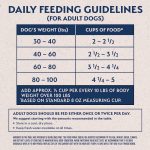
Are you wondering when your playful puppy should start eating adult dog food? Making this switch is a big step in your puppy’s growth, and getting the timing right can keep your furry friend happy and healthy.
If you choose too early, your puppy might miss out on important nutrients. Wait too long, and they could miss out on the energy they need to thrive. You’ll discover the signs to watch for and expert tips to help you know exactly when to make the change.
Keep reading to make sure your puppy’s diet supports their best life.
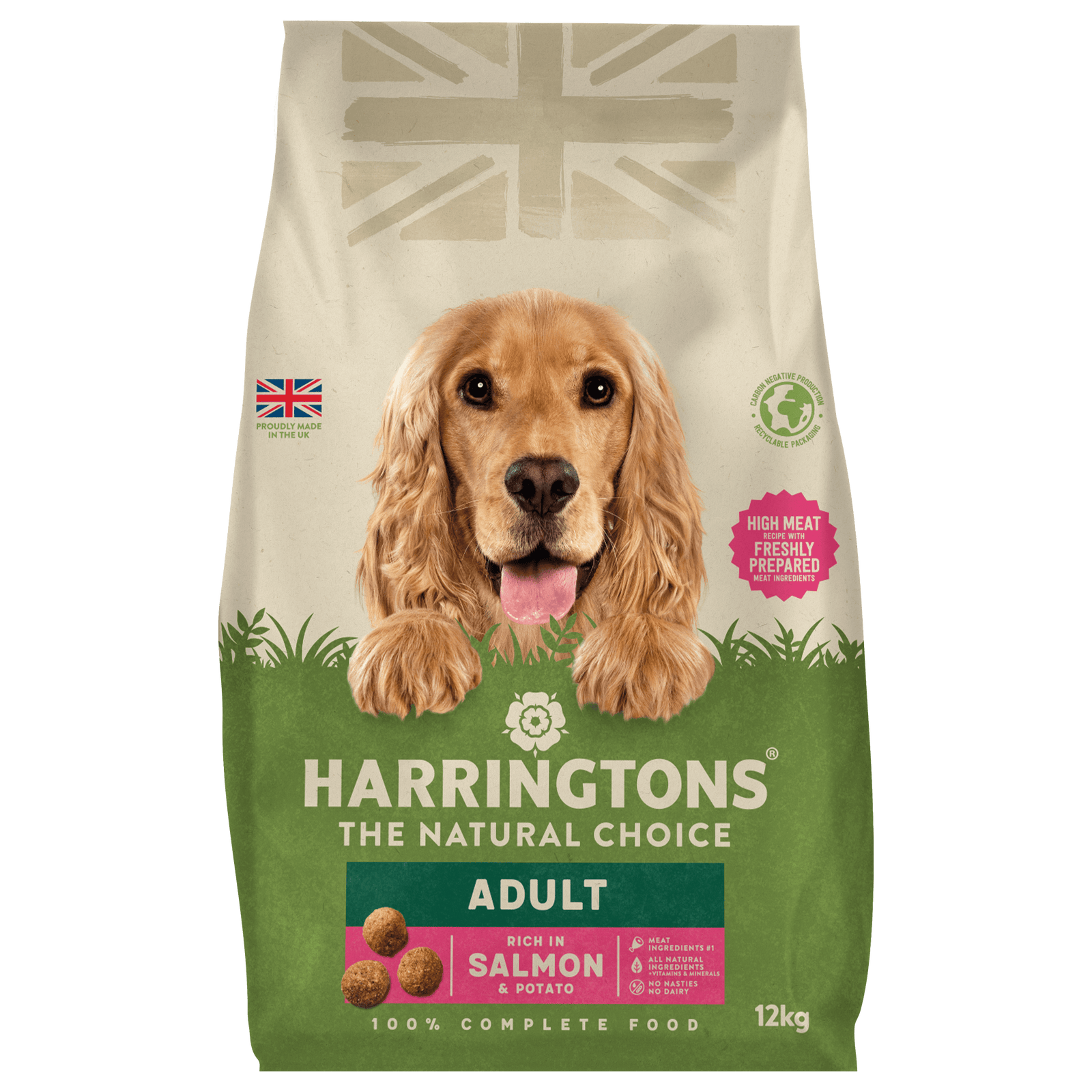
Credit: hairtattoo.ca
Signs Puppy Is Ready
Knowing when your puppy is ready to switch to adult dog food is crucial for their health and development. You might wonder if age alone decides it or if other signs can guide you. Paying attention to specific indicators can make this transition smoother and better suited to your puppy’s needs.
Age Milestones
Most puppies start eating adult dog food between 9 and 12 months old. However, breed size affects this timeline. Smaller breeds often transition earlier, around 9 months, while larger breeds might need puppy food up to 12 months or longer.
Have you noticed your vet giving different advice based on your puppy’s breed? That’s because age alone isn’t the only factor. Always use it as a guideline, not a strict rule.
Physical Growth Indicators
Look at your puppy’s body shape and teeth development. When their growth plates close, usually visible on X-rays, it’s a strong sign they’re ready for adult food. Also, adult teeth should be fully in place by 6 months, signaling their mouths can handle the adult diet texture.
If your puppy seems less bouncy and their weight gain slows, it might mean their rapid growth phase is ending. This is a good time to adjust their nutrition accordingly.
Behavioral Changes
Your puppy’s eating habits can tell you a lot. If they start to eat less frequently or seem less hungry, they might be ready to switch. Puppies often slow down their eating as they mature.
Are they more independent and less playful? These behavioral shifts often accompany physical changes. Adjusting their food to adult formulas can support these new energy levels better.
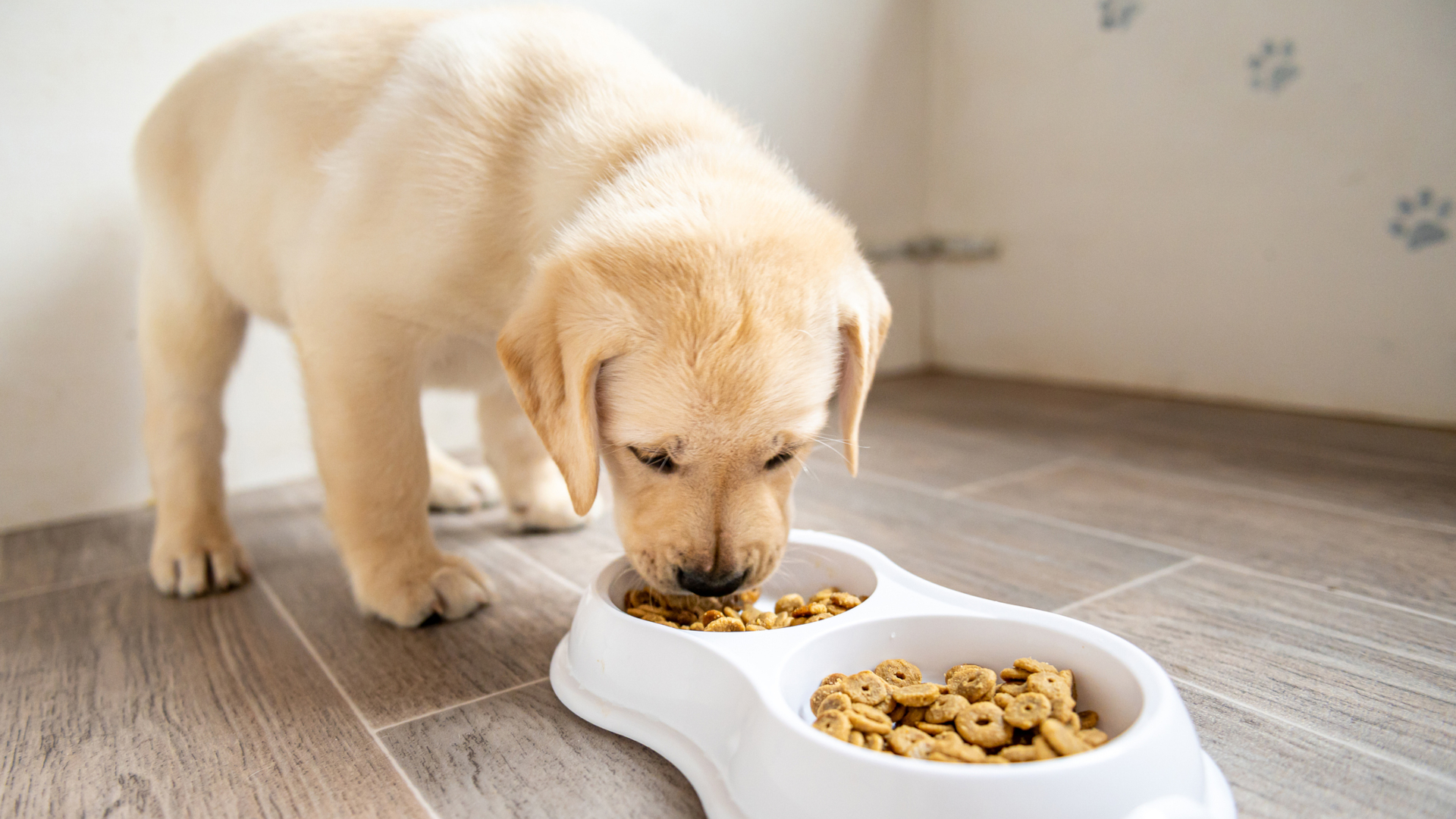
Credit: www.petsradar.com
Choosing Adult Dog Food
Choosing the right adult dog food for your growing puppy is more important than many realize. The shift from puppy to adult food marks a new chapter in your dog’s nutrition and health. Understanding what to look for will help you make a smart choice that supports your dog’s energy and wellbeing.
Nutritional Needs
Adult dogs require a different balance of nutrients compared to puppies. Their calorie needs usually decrease, but they still need high-quality protein to maintain muscle. Pay attention to the levels of fat, fiber, and essential vitamins that match your dog’s size and activity level.
Have you noticed your dog’s energy dropping or weight changing? It might be time to adjust their food to better fit their current needs.
Quality Ingredients
Look for dog food that lists real meat as the first ingredient. Avoid fillers like corn, soy, or wheat, which add little nutritional value. Ingredients such as sweet potatoes, brown rice, and vegetables provide good energy and fiber for digestion.
Sometimes, switching to a food with higher quality ingredients can make a visible difference in your dog’s coat and energy. What ingredients are you currently feeding your dog?
Consulting Your Vet
Your veterinarian knows your dog’s health history and can guide you on the best adult food options. They can help you spot any allergies or sensitivities that might require special diets. Don’t hesitate to ask about portion sizes and feeding frequency during this transition.
Have you scheduled a vet visit to discuss your puppy’s switch to adult food? It’s a great opportunity to get personalized advice and ensure your dog’s diet supports their long-term health.
Transitioning Gradually
Puppies need a slow change from puppy to adult dog food to avoid stomach upset. Mix small amounts of adult food with puppy food over several weeks. This helps their digestive system adjust smoothly to the new diet.
Transitioning your puppy from puppy food to adult dog food is a significant step in their development. This change doesn’t happen overnight and requires a careful approach to ensure your furry friend remains happy and healthy. Transitioning gradually can help prevent digestive issues and make the switch smoother for both you and your puppy.Mixing Foods
Begin by mixing a small amount of adult dog food with your puppy’s regular food. Gradually increase the proportion of adult food while decreasing the puppy food over a week or two. This method helps your puppy’s digestive system adjust to the new food, minimizing the risk of upset stomachs.Monitoring Appetite
Pay close attention to your puppy’s appetite during the transition. Changes in appetite can indicate if they’re adjusting well or if something is amiss. If your puppy refuses to eat or seems less enthusiastic, it might be worth slowing down the transition process.Adjusting Portions
As your puppy grows, their nutritional needs change, including the amount they should eat. Adult dog food is generally denser in nutrients, so you may need to adjust portion sizes accordingly. A sudden change in portion sizes can lead to weight gain or loss, so monitor your dog’s weight and energy levels to find the right balance.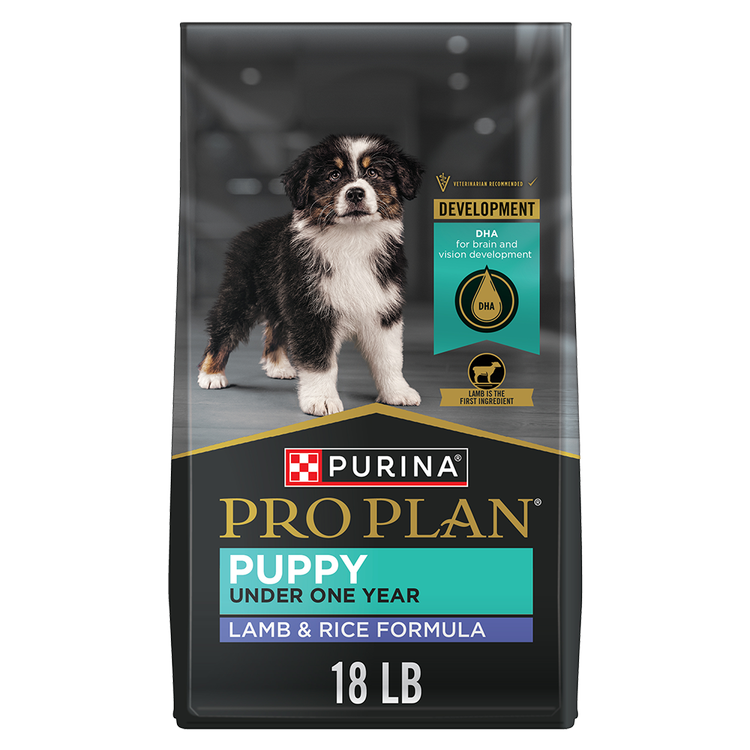
Credit: www.purina.com
Common Transition Challenges
Switching your puppy from puppy food to adult dog food is a big step, but it can come with some unexpected bumps. These challenges can affect your dog’s health and mood, so it’s important to watch closely during the transition. Knowing what to expect helps you manage issues before they become serious.
Digestive Upset
Your puppy’s digestive system is still developing, so changing food too quickly can cause stomach problems. You might see diarrhea, vomiting, or gas as your dog’s body struggles to adjust. To avoid this, try mixing a small amount of adult food with puppy food and increase the adult food gradually over 7-10 days.
Have you noticed your dog’s energy drop or appetite change after switching food? These signs often link to digestive upset and should not be ignored. If symptoms persist beyond a week, it’s wise to talk to your vet.
Food Refusal
Sometimes your puppy may simply refuse to eat the new adult dog food. This can happen because the taste, texture, or smell is unfamiliar. Don’t panic—offer the new food alongside the old one in small amounts and try warming it slightly to make it more appealing.
Try adding a bit of low-sodium broth or a small amount of wet food to encourage your dog to eat. If your puppy still refuses, consider if the food is the right fit or if they might be feeling unwell.
Allergic Reactions
Introducing adult dog food can sometimes trigger allergies or sensitivities. Watch for signs like itching, redness, swelling, or unusual ear infections. These symptoms may appear days or weeks after the switch.
If you suspect an allergy, stop the new food immediately and consult your vet. They might recommend a hypoallergenic diet or tests to pinpoint the problem ingredient. Being proactive can save your dog a lot of discomfort.
Maintaining Healthy Growth
Maintaining healthy growth is key when your puppy starts eating adult dog food. Puppies need the right care to grow strong and stay healthy. Proper nutrition supports their bones, muscles, and organs as they develop. Along with food, other factors like vet checkups and exercise help ensure balanced growth.
Regular Vet Checkups
Veterinarians monitor your puppy’s health closely. They check weight, teeth, and overall condition. Regular visits help spot any growth problems early. Vets can advise when to switch to adult dog food. They also recommend vaccines and supplements if needed.
Balanced Diet Tips
A balanced diet keeps puppies healthy and active. Adult dog food has different nutrients than puppy food. It usually has less fat and calories. Make sure the food meets your dog’s breed and size needs. Include proteins, fats, vitamins, and minerals in the meals. Avoid sudden food changes to prevent stomach upset.
Exercise And Activity
Exercise helps build strong muscles and bones. Playtime also improves coordination and mental health. Puppies need daily physical activities suitable for their age. Avoid over-exercising to protect growing joints. Short walks and gentle play are best during the transition to adult food.
Frequently Asked Questions
When Should Puppies Switch To Adult Dog Food?
Puppies typically switch to adult dog food between 9 to 12 months. Large breeds may transition later, around 12 to 18 months. This timing supports healthy growth and meets changing nutritional needs as they mature.
Why Not Feed Puppies Adult Dog Food Early?
Adult dog food lacks essential nutrients for puppy growth. Puppies need higher protein, fats, and calories for development. Feeding adult food too early may cause malnutrition and stunt their growth.
How To Transition Puppies To Adult Dog Food?
Gradually mix adult food with puppy food over 7 to 10 days. Increase adult food proportion slowly to avoid digestive upset. This helps puppies adjust to new taste and nutrients smoothly.
What Are Signs Puppies Need Adult Dog Food?
Puppies showing slowed growth and less energy may need adult food. Also, reaching one year old or breed-specific maturity signals it’s time to switch. Consult your vet for personalized guidance.
Conclusion
Puppies need special food to grow strong and healthy. As they grow, their needs change slowly. Usually, they start eating adult dog food around one year old. Watch your puppy’s size, energy, and health for signs. Changing food too soon can cause problems.
Always switch gradually to avoid upset stomachs. Proper nutrition helps your dog live a long, happy life. Remember, each puppy is different. Consult your vet if you feel unsure about the right time. Caring for your puppy’s diet is a key step in their growth.