
Are you wondering if your 8-month-old puppy can start eating adult dog food? It’s a question many dog owners face as their furry friend grows.
You want to make sure your puppy gets the right nutrition to stay healthy and happy. Choosing the wrong food could affect your puppy’s growth and energy levels. You’ll discover when it’s safe to switch to adult dog food and what signs to look for.
Keep reading to learn how to give your puppy the best start in life.
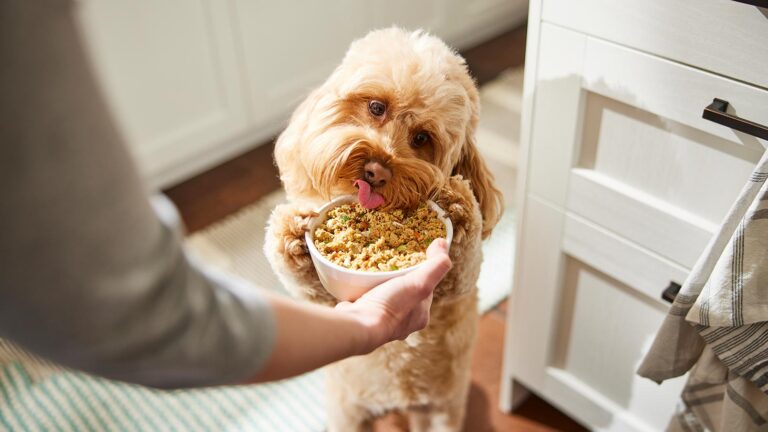
Credit: www.chewy.com
Nutritional Needs Of Puppies
Puppies are little bundles of energy and curiosity, growing rapidly every day. Their nutritional needs are different from adult dogs because their bodies are building bones, muscles, and vital organs at a fast pace. Understanding these needs helps you decide whether feeding adult dog food to an 8-month-old puppy is a good idea or not.
Growth And Development Requirements
Your puppy’s body is in a crucial stage of growth. During these months, they need more calories than an adult dog to fuel their active lifestyle and physical development.
Proteins support muscle building, while fats provide energy for those playful bursts. Deficiencies at this stage can lead to weak bones or poor immune health.
Have you noticed how your puppy’s appetite seems endless? That’s because their body demands more nutrients to keep growing strong and healthy.
Key Nutrients For Puppies
Puppies require a balanced mix of nutrients that adult dog food might not fully provide. Key components include:
- Protein:Vital for muscle and tissue growth.
- Fat:Provides concentrated energy and supports brain development.
- Calcium and Phosphorus:Essential for strong bones and teeth.
- DHA (an omega-3 fatty acid):Important for vision and cognitive development.
- Vitamins and Minerals:Support overall health and immune function.
Adult dog food may have lower levels of these nutrients because adult dogs don’t need them in the same amounts. Feeding your puppy adult food too early might slow their growth or cause nutrient imbalances.
Differences Between Puppy And Adult Dog Food
Understanding the differences between puppy and adult dog food is key when deciding what to feed your 8-month-old puppy. These foods are designed to meet very different nutritional needs, reflecting the rapid growth of puppies versus the maintenance phase of adult dogs. Feeding the right type ensures your puppy develops properly and stays healthy.
Calorie Content Comparison
Puppy food generally contains more calories than adult dog food. This extra energy supports their fast growth and high activity levels. If you switch your puppy to adult food too early, they might not get enough calories to fuel their development.
Have you noticed your puppy getting less energetic after switching foods? That could be a sign they’re not getting enough calories. Adult dog food often has fewer calories to prevent weight gain in less active dogs, which might not suit a growing puppy.
Protein And Fat Levels
Puppies need higher protein and fat levels to build strong muscles and healthy organs. Puppy formulas typically contain about 22-32% protein, whereas adult dog foods usually have 18-25%. Fats in puppy food are also higher to support brain and eye development.
If your puppy moves to adult food, they might miss essential nutrients needed for growth. You may not see immediate effects, but long-term growth could be compromised. Have you ever checked the protein percentage on your dog’s food label?
Vitamin And Mineral Balance
Vitamin and mineral contents differ between puppy and adult dog food to match their life stages. Puppies need more calcium and phosphorus for bone growth, while adult dogs require balanced levels to maintain bone health without excess. Puppy food is carefully formulated to avoid imbalances that can cause skeletal problems.
Switching to adult food too soon can disrupt this delicate balance. It’s important to read labels and understand what your puppy really needs. Are you confident your puppy’s diet supports their growing bones and immune system?
Risks Of Feeding Adult Food To Puppies
Feeding adult dog food to an 8-month-old puppy can pose risks. Puppies have different nutritional needs than adult dogs. Providing the wrong food can affect their growth and health.
Potential Nutritional Deficiencies
Puppies need more protein and calories than adult dogs. Adult dog food often lacks these levels. This can lead to poor muscle and bone development. Calcium and phosphorus are vital for growing puppies. Adult food may not provide the right balance. This imbalance can result in weak bones.
Impact On Growth And Health
Feeding adult food might slow down a puppy’s growth. Puppies grow rapidly in their first year. They need specific nutrients to support this growth. Lack of nutrients can lead to stunted growth. It can also cause other health issues.
Adult food may have larger kibble sizes. This can pose a choking hazard for puppies. Puppies have smaller mouths and teeth. They need smaller, softer pieces.
When To Transition To Adult Dog Food
Knowing the right time to switch your puppy from puppy food to adult dog food is crucial for their health and development. Puppies have different nutritional needs than adult dogs, and feeding the wrong type of food can affect their growth or cause digestive issues. Understanding the signs and recommended age for this transition helps you support your dog’s wellbeing effectively.
Signs Your Puppy Is Ready
One clear sign is when your puppy’s growth rate starts to slow down. If your 8-month-old puppy looks less like a baby and more like a smaller version of an adult dog, it might be time to consider switching.
Watch for changes in their energy levels too. If your puppy becomes less hyperactive and more balanced, their nutritional needs are shifting. Also, monitor their weight and body condition—if they are maintaining a healthy weight without rapid growth spurts, that’s a good indicator.
Recommended Age For Switching
Most vets suggest switching to adult dog food between 9 and 12 months. Large breeds often need to stay on puppy food longer, sometimes up to 18 months, because they grow at a different rate.
Since your puppy is 8 months old, you are close to this window. You can start introducing adult food gradually to avoid stomach upset. Mixing small amounts of adult food with puppy food over a week allows your dog to adjust comfortably.
Tips For A Smooth Food Transition
Switching your puppy from puppy food to adult dog food needs care. Sudden changes can upset their stomach or cause refusal to eat. A smooth food transition helps your puppy accept the new diet easily. It supports their digestion and keeps them healthy during the change.
Gradual Mixing Techniques
Start by mixing a small amount of adult dog food with puppy food. For example, use 25% adult food and 75% puppy food. Increase the adult food portion slowly over 7 to 10 days. This gentle change helps your puppy’s stomach adjust without stress.
- Day 1-3: 25% adult food, 75% puppy food
- Day 4-6: 50% adult food, 50% puppy food
- Day 7-9: 75% adult food, 25% puppy food
- Day 10: 100% adult dog food
Mix the foods well to keep the flavors consistent. Keep feeding times regular to build routine and comfort.
Monitoring Your Puppy’s Reaction
Watch your puppy closely during the transition period. Look for signs like vomiting, diarrhea, or loss of appetite. If these happen, slow down the transition or pause for a day or two.
Check your puppy’s energy and mood. Healthy puppies stay playful and alert. Keep an eye on their stool quality for any changes.
Speak to your vet if problems continue. They can suggest adjustments or special diets. Your puppy’s comfort and health are the top priorities.

Credit: www.lilyskitchen.co.uk
Consulting Your Veterinarian
Consulting your veterinarian is essential before changing your puppy’s diet. They understand your puppy’s health and growth needs best. A vet can guide you on whether adult dog food suits your 8-month-old puppy. This advice helps avoid nutritional gaps or health issues during this key growth phase.
Personalized Feeding Advice
Every puppy grows at a different pace. Vets offer feeding plans tailored to your puppy’s breed, weight, and activity level. They recommend the right food type and portion size. Personalized advice ensures your puppy gets enough energy and nutrients. This approach supports healthy development without overfeeding or underfeeding.
Special Dietary Needs
Some puppies need diets for allergies or medical conditions. Vets identify these special needs through exams and tests. They suggest foods that avoid triggers or provide extra supplements. Special diets keep your puppy healthy and comfortable. Consulting a vet prevents feeding mistakes that could harm your puppy.
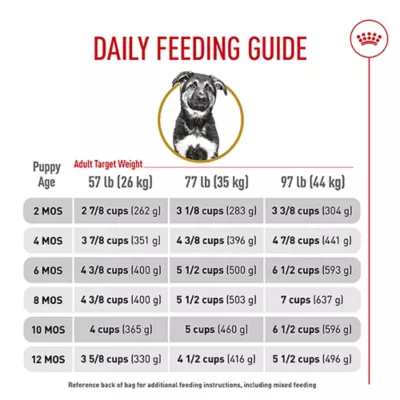
Credit: www.petsmart.ca
Frequently Asked Questions
Can An 8-month-old Puppy Eat Adult Dog Food?
An 8-month-old puppy can start eating adult dog food if they are large breed and near full growth. However, smaller breeds may need puppy food longer for proper nutrition and development.
When Should I Switch My Puppy To Adult Food?
Switch to adult dog food when your puppy reaches 80-90% of their expected adult size. This usually happens around 8-12 months but varies by breed and size.
What Are The Risks Of Feeding Adult Food Too Early?
Feeding adult food too early may cause nutritional imbalances. Puppies need extra protein and calories to support growth, so premature switching can lead to deficiencies and health issues.
How To Transition From Puppy To Adult Dog Food?
Transition gradually over 7-10 days by mixing increasing amounts of adult food with puppy food. This helps avoid digestive upset and allows your puppy to adapt to new nutrition smoothly.
Conclusion
An 8-month-old puppy can start eating adult dog food carefully. Puppies need extra nutrients to grow strong and healthy. Switching too soon may cause stomach upset or nutrient gaps. Choose high-quality adult dog food and introduce it slowly. Watch your puppy’s weight and energy to see how they adjust.
Consult your vet for the best feeding plan. Feeding the right food supports your puppy’s healthy growth and future. Keep your puppy happy and healthy with good nutrition.