
Choosing the right food for your dog is one of the most important decisions you’ll make as a pet owner. You might be wondering, “When is the perfect time to switch to adult dog food?” Giving your dog the wrong type of food at the wrong age can affect their health, energy, and happiness.
You’ll discover exactly when and how to make this change smoothly. Keep reading to learn how to keep your furry friend healthy and thriving at every stage of life.
Credit: www.petsmart.ca
When To Switch To Adult Dog Food
Knowing the right time to switch your puppy to adult dog food can impact their health and growth. The transition isn’t just about hitting a specific age—it depends on your dog’s breed size and individual development. Making the change too early or too late could affect their energy levels and nutritional balance.
Age Guidelines By Breed Size
Small, medium, and large breed dogs mature at different rates. Small breeds often reach adulthood faster, while larger breeds take longer to fully grow.
| Breed Size | Suggested Age to Switch |
|---|---|
| Small Breeds (<20 lbs) | 9 to 12 months |
| Medium Breeds (20-50 lbs) | 12 months |
| Large Breeds (50-90 lbs) | 12 to 18 months |
| Giant Breeds (>90 lbs) | 18 to 24 months |
These ranges give you a solid starting point, but your dog’s growth and activity level matter, too. Have you noticed your pup slowing down or their appetite changing? Those could be clues it’s time for adult food.
Signs Your Puppy Is Ready
Your puppy’s behavior and body can tell you when to switch foods. Look for signs like steady growth plate closure or a decrease in energetic bursts.
- Steady Weight Gain:Puppies grow rapidly early on. When their weight gain starts to slow, it might signal maturity.
- Change in Appetite:A shift in how much or how often your pup eats can mean their energy needs are changing.
- Dental Development:Adult teeth usually replace puppy teeth by 6-7 months, showing physical maturity.
- Stable Activity Levels:If your dog is less hyper and more consistent in energy, adult food could be suitable.
My own Labrador kept acting like a puppy well past a year, so I waited until 15 months to switch. The transition was smooth and helped maintain a healthy weight. Watch your dog closely—you know their habits best.
Credit: www.petsmart.ca
Nutritional Needs Of Adult Dogs
Adult dogs have different nutritional needs than puppies. Their growth has slowed, but they still need a balanced diet. Proper nutrition supports their energy, health, and longevity. Feeding the right food helps maintain a healthy weight and strong immune system. Understanding these needs guides the transition from puppy to adult food.
Key Nutrients For Adult Health
- Protein:Supports muscle maintenance and repair.
- Fats:Provide energy and support skin and coat health.
- Carbohydrates:Offer a source of energy and aid digestion.
- Vitamins:Boost immune function and overall health.
- Minerals:Important for bone strength and metabolic processes.
- Water:Essential for hydration and body functions.
Differences From Puppy Diets
Puppy diets focus on growth and development. They have higher calories and more protein. Adult dog food has fewer calories to prevent weight gain. Nutrient balance shifts to maintenance rather than growth. Adult diets support sustained energy without excess fat. Feeding the right formula avoids health issues later.
How To Transition Dog Food Safely
Adult dog food is usually suitable after 12 months, but breed size can affect timing. Gradually mix adult food with puppy food over 7-10 days for a smooth change. Watch your dog’s reaction to avoid stomach upset during the switch.
Transitioning your dog from puppy food to adult dog food is a significant milestone in their life. As they grow, their nutritional needs evolve, and it’s important to ensure that this transition is smooth and stress-free. But how do you make this change without upsetting their stomach or causing unnecessary stress? The key is to transition gradually and monitor closely to ensure your furry friend adapts comfortably.Gradual Mixing Techniques
Start by mixing a small amount of the new adult dog food with your dog’s current puppy food. A good ratio to begin with is about 75% puppy food and 25% adult food. Over the course of 7-10 days, gradually increase the amount of adult food while decreasing the puppy food. Consider this gradual change as a way to allow your dog’s digestive system to adjust. Make sure you observe how your dog reacts to the new mix. If you notice any signs of discomfort, slow down the process and give them more time to adapt.Monitoring For Digestive Issues
As you introduce the new adult food, keep a close eye on your dog’s digestion. Watch for any signs of diarrhea, vomiting, or changes in appetite, as these can indicate that the transition is too rapid. If your dog shows any of these signs, revert to the previous mix ratio for a few more days before trying to increase the amount of adult food again. You might need to try a different adult food if issues persist. Remember, every dog is unique. What works for one might not work for another. Have you ever found yourself adjusting a plan because your dog just wasn’t having it? It’s all part of the journey in understanding your pet’s needs. By taking these careful steps, you can help ensure a seamless transition to adult dog food, setting the stage for your dog’s continued health and happiness.Common Mistakes To Avoid
Choosing the right time to switch your dog to adult food is important. Mistakes in timing or diet can affect your dog’s health and growth. Avoid common errors to keep your dog healthy and happy.
Switching Too Early Or Late
Changing to adult dog food too soon can cause nutritional gaps. Puppies need special nutrients to support their growth. Feeding adult food early might lead to weak bones or poor development.
Switching too late also has risks. Adult dogs have different energy needs than puppies. Keeping your dog on puppy food too long can cause weight gain and digestive issues. Follow your vet’s advice on the right age to switch.
Ignoring Breed-specific Needs
Different breeds grow at different rates. Large breeds mature slower than small breeds. Feeding adult food at the wrong time can harm their health.
Some breeds need special diets for their size and activity. Ignoring these needs can cause joint problems or weight issues. Always consider your dog’s breed and size when choosing food.
Special Considerations For Senior Dogs
Senior dogs need special care, especially in their diet. As dogs grow older, their bodies change. Their metabolism slows down, and their energy needs shift. Choosing the right food helps keep them healthy and happy. Paying attention to their nutrition can prevent many health problems.
Adjusting Diet With Age
Older dogs often require fewer calories to avoid weight gain. Protein remains important to maintain muscle mass. Foods should be easier to chew and digest. Ingredients that support joint health, like glucosamine, can be helpful. Sometimes, adding fiber helps with digestion. Always consider your dog’s breed and size when adjusting food portions.
Signs Of Nutritional Deficiencies
Watch for dull coat or excessive shedding. Weakness or lack of energy can signal poor nutrition. Weight loss without reason may indicate a problem. Digestive issues like diarrhea or constipation are warning signs. Behavioral changes such as irritability might relate to diet. Regular vet check-ups help catch these signs early.
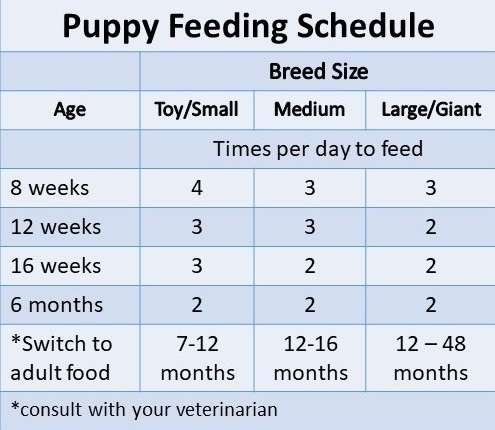
Credit: www.vetsupply.com.au
Frequently Asked Questions
When Should I Switch My Puppy To Adult Dog Food?
Switch to adult dog food when your puppy reaches 12 months. Large breeds may need up to 18 months. This ensures proper nutrition for growth and maintenance.
How Do I Know My Dog Is Ready For Adult Food?
Look for signs like slowed growth and stable weight. Your vet can confirm the right time to switch. Transition gradually to avoid digestive issues.
What Are The Risks Of Switching Dog Food Too Early?
Feeding adult food too soon can cause nutrient gaps. Puppies need higher protein and calories for growth. Early switching may stunt development or cause health issues.
Can I Feed Adult Dog Food To Small Breed Puppies?
Small breed puppies should stay on puppy food until 9-12 months. Their growth rate differs, needing more nutrients. Adult food lacks adequate vitamins for their development.
Conclusion
Choosing the right time to switch your dog to adult food is important. Most dogs need adult food around one year old. Small breeds may need it earlier, while large breeds later. Watch your dog’s size, activity, and health for clues.
Feeding adult food too soon or too late can cause issues. Talk to your vet for advice tailored to your dog. Healthy food helps your dog stay strong and happy. Trust your instincts and learn your dog’s needs. The right food supports a long, active life.