
Are you wondering if it’s okay to feed your adult dog puppy food? It’s a question many dog owners face, especially when they want the best for their furry friend.
You might think puppy food is more nutritious, but is it really the right choice for your adult dog? Keep reading to discover the surprising facts that could affect your dog’s health and well-being. Understanding the difference can help you make smarter choices for your loyal companion.
Don’t miss out on what your dog truly needs!

Credit: www.petscare.com
Differences Between Puppy And Adult Dog Food
Understanding the differences between puppy and adult dog food is essential before deciding what to feed your furry friend. Both types of food are specially designed to meet the unique needs of dogs at different life stages. Feeding the wrong type can impact your dog’s health, energy, and overall well-being.
Nutritional Needs Of Puppies
Puppies need more calories and nutrients than adult dogs because they are growing rapidly. Their food is rich in proteins and fats to support muscle development and brain growth. Essential vitamins and minerals like calcium and phosphorus are higher to strengthen bones and teeth during this critical stage.
Have you noticed how puppies seem to have endless energy? That’s because their food fuels rapid development and constant play.
Nutritional Needs Of Adult Dogs
Adult dogs require balanced nutrition to maintain their health without promoting unnecessary weight gain. Their energy needs are lower, so adult dog food usually contains fewer calories and fat. The focus shifts to maintaining muscle tone and joint health, often with added antioxidants and fiber for digestion.
If your adult dog is less active than a puppy, feeding high-calorie puppy food could lead to weight problems. Are you feeding your dog appropriately for their activity level?
Key Ingredient Variations
| Ingredient | Puppy Food | Adult Dog Food |
|---|---|---|
| Protein | Higher (around 22-32%) to support growth | Moderate (around 18-25%) for maintenance |
| Fat | Higher (8-20%) for energy | Lower (5-15%) to prevent weight gain |
| Calcium & Phosphorus | Elevated for bone development | Reduced to maintain bone health |
| Calories | More dense to meet energy needs | Less dense to avoid excess weight |
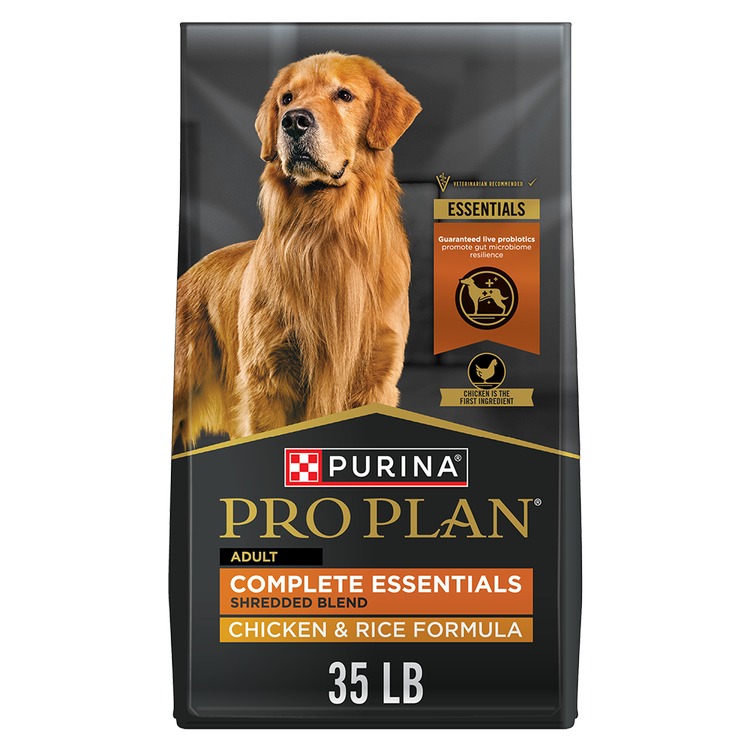
These ingredient differences are not just numbers—they directly affect how your dog’s body functions. Have you checked your dog food label lately to see if it matches your dog’s life stage?
Credit: www.purina.com
Potential Benefits Of Feeding Puppy Food To Adults
Feeding an adult dog puppy food might seem unusual, but it comes with some surprising benefits. Puppy food is specially formulated to support growth and development, which means it contains ingredients that can also aid adult dogs in specific situations. Understanding these benefits can help you decide if this diet tweak fits your dog’s unique needs.
Higher Calorie Content
Puppy food is packed with more calories than adult dog food. This higher energy content can be useful if your adult dog is very active, underweight, or recovering from illness. Have you noticed your dog struggling to maintain weight despite eating regularly? Puppy food might provide the extra fuel they need.
However, it’s important to monitor their weight closely. Too many calories without enough exercise could lead to unwanted weight gain. Keep a close eye on portion sizes and adjust as needed to match your dog’s activity level.
Enhanced Nutrient Density
Puppy formulas are rich in proteins, vitamins, and minerals designed to support rapid growth. These nutrients can also benefit adult dogs requiring extra support, such as seniors or those with health challenges. For example, extra protein can help maintain muscle mass in older dogs.
Feeding puppy food occasionally or in small amounts can give your dog a nutritional boost. But ask yourself—does your dog show signs of nutrient deficiency or reduced energy? If yes, the nutrient density in puppy food might be worth considering under your vet’s guidance.
Risks Of Feeding Adult Dogs Puppy Food
Feeding adult dogs puppy food can cause weight gain and digestive issues. Puppy food has extra nutrients meant for growing dogs, which adults don’t need. This may lead to health problems over time.
Feeding an adult dog puppy food might seem like a harmless choice, especially when you’re out of their regular food. However, this decision can come with a host of risks that could affect your dog’s health. While puppy food is designed to support the rapid growth and development of puppies, it may not be suitable for the nutritional needs of an adult dog.Weight Gain And Obesity
Puppy food is rich in calories to fuel a puppy’s growth. When adult dogs consume these extra calories, they are at risk of rapid weight gain. This can lead to obesity, which may result in health problems such as joint issues, diabetes, and heart disease. If you’ve ever noticed your dog’s waistband expanding unexpectedly, it’s worth considering what they’re eating.Digestive Issues
Adult dogs have different digestive needs compared to puppies. The rich, calorie-dense formulation of puppy food can overwhelm an adult dog’s digestive system. This might cause issues like diarrhea or vomiting. If your dog starts having tummy troubles after a switch in food, puppy food could be the culprit.Nutrient Imbalance
Puppy food contains higher levels of certain nutrients to support growth, such as calcium and phosphorus. An adult dog doesn’t need these in the same proportions, and excessive intake can lead to nutrient imbalances. For instance, too much calcium can affect bone health negatively. Are you providing your dog with a balanced diet, or inadvertently tipping the scales?When Puppy Food Might Be Appropriate For Adults
Adult dogs usually need food made for their age and size. Puppy food is richer in nutrients and calories. It supports growth but can be too much for most adult dogs. Still, some adult dogs may benefit from puppy food for a short time. These cases require extra energy or healing nutrients. Knowing when puppy food suits an adult dog is important for their health.
Pregnant Or Nursing Dogs
Pregnant or nursing dogs need extra nutrition. Their bodies work harder to support puppies. Puppy food provides more calories and protein. It helps maintain the mother’s strength and milk supply. Feeding puppy food during this time supports both mother and puppies well.
Highly Active Or Working Dogs
Dogs with high activity or working roles burn more energy. They require more calories and nutrients than typical adult dogs. Puppy food can meet these higher energy needs. It supports muscle health and stamina. This food helps keep active dogs strong and healthy.
Dogs Recovering From Illness
Illness or surgery can drain a dog’s energy. Recovery needs more protein, fat, and nutrients. Puppy food can aid faster healing and regain strength. It offers concentrated nutrition that supports repair and growth. This food helps sick dogs bounce back quicker.
Tips For Transitioning Between Puppy And Adult Food
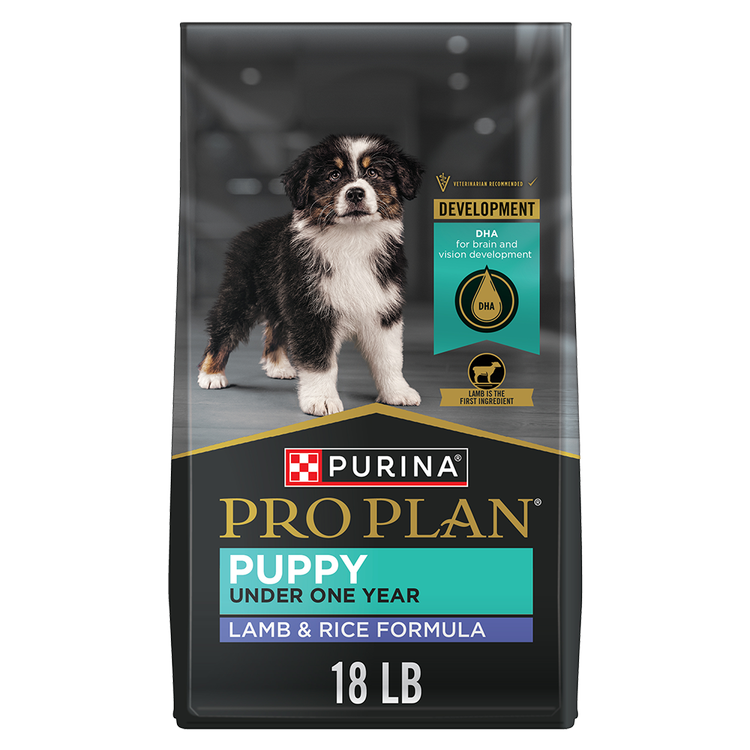
Switching your dog from puppy food to adult food is a key moment in their life. Doing it right ensures they get the nutrition they need without upsetting their stomach or causing stress. Here are some practical tips to help you make this transition smooth and healthy for your dog.
Gradual Food Changes
Sudden changes in diet can cause digestive issues for your dog. Start by mixing a small amount of adult food with their puppy food. Over the course of 7 to 10 days, slowly increase the proportion of adult food while decreasing the puppy food.
Pay close attention to how your dog reacts during this phase. If you notice vomiting, diarrhea, or loss of appetite, slow down the transition. Patience here can save you and your dog a lot of discomfort.
Monitoring Your Dog’s Health
Keep an eye on your dog’s energy levels, coat condition, and bathroom habits after changing their food. These signs reveal a lot about how well they’re adjusting.
Weight is another important factor. Use a scale regularly and note any sudden weight loss or gain. If your dog seems lethargic or overly hungry, these are clues to reconsider the food or portion size.
Consulting Your Veterinarian
Never hesitate to ask your vet for advice when changing your dog’s diet. They can recommend the best adult food based on your dog’s breed, size, and health status.
Sometimes underlying health conditions affect how your dog handles food changes. Your vet can help tailor a plan that suits your dog’s unique needs, preventing potential problems before they start.
Credit: www.purina.com
Frequently Asked Questions
Is Puppy Food Safe For Adult Dogs To Eat?
Puppy food is generally safe but not ideal for adult dogs. It contains extra calories and nutrients meant for growth. Feeding it long-term can lead to weight gain and nutrient imbalance in adults.
What Happens If An Adult Dog Eats Puppy Food Regularly?
Regular consumption can cause obesity and digestive issues in adult dogs. Puppy food has more fat and protein, which adults do not need in excess. It’s best to switch to adult-formulated dog food for balanced nutrition.
Can Feeding Puppy Food Harm An Adult Dog’s Health?
Feeding puppy food occasionally won’t harm an adult dog. However, consistently feeding it may strain kidneys and cause nutrient overload. Adult dogs need food that matches their energy and health requirements.
When Is It Appropriate To Feed Puppy Food To Adults?
Puppy food may be used temporarily for nursing or recovering adult dogs. It provides extra nutrients needed during growth or healing. Always consult a vet before making long-term diet changes for adults.
Conclusion
Feeding an adult dog puppy food is not ideal for long-term health. Puppy food has extra calories and nutrients meant for growth. This can cause weight gain and other health issues in adults. Adult dogs need balanced food for their age and activity level.
Always choose food made for your dog’s current stage. Consult your vet before changing diets. Proper nutrition helps your dog stay happy and healthy. Keep your dog’s diet simple and suitable. Good food supports a long, active life.