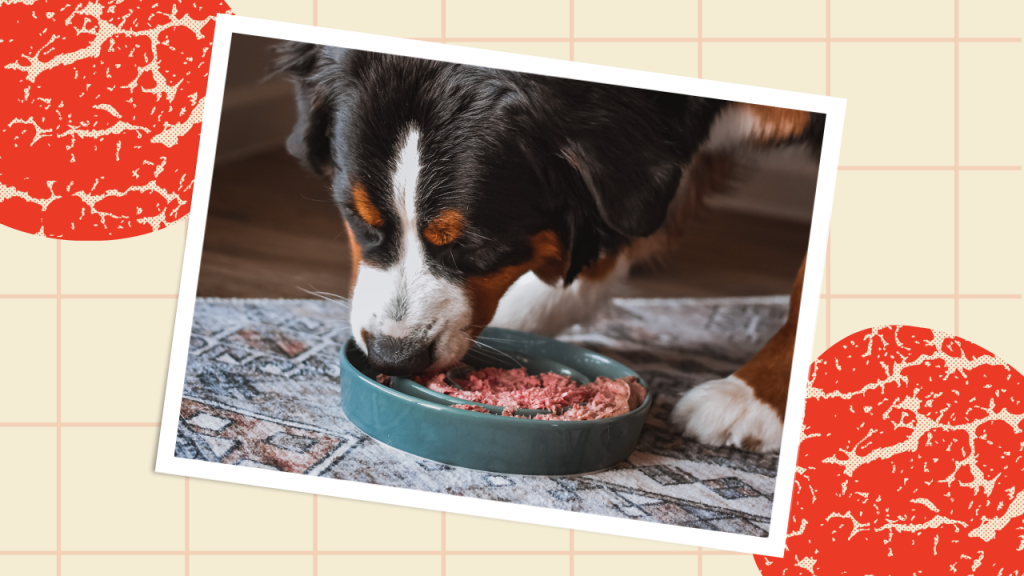

You want the best for your dog, and choosing the right food is a big part of that. Maybe you’ve heard that grain free diets are healthier or safer for dogs.
But what if that’s not true? What if feeding your dog grain free food could actually harm them? Understanding why grain free diets might be bad for your dog can save you time, money, and heartache. Keep reading to discover the surprising facts that every dog owner needs to know before making a choice that affects your furry friend’s health.
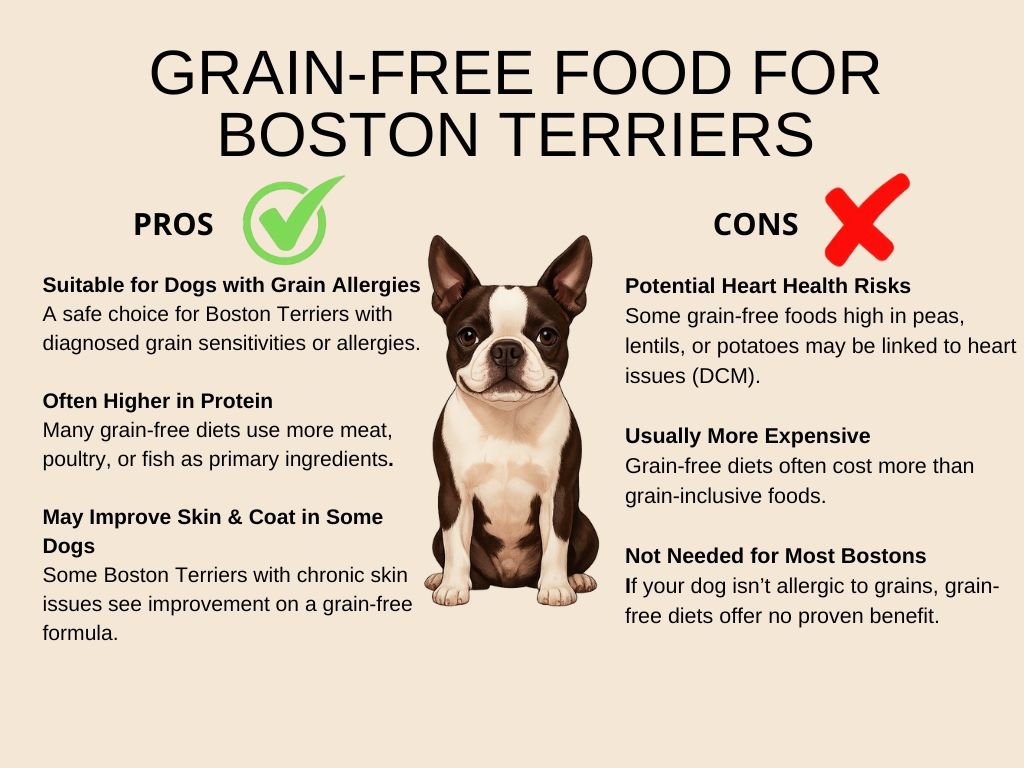
Credit: bostonterrierblog.com
Grain Free Diets Explained
Grain free diets for dogs have grown popular in recent years. These diets exclude common grains like wheat, corn, and rice. Many pet owners believe grain free foods are healthier or better for dogs with allergies. The reality is more complex. Understanding what grain free diets include and why owners choose them helps reveal potential issues.
Common Ingredients In Grain Free Foods
Grain free dog foods often replace grains with other carbohydrate sources. These include:
- Potatoes
- Sweet potatoes
- Pea protein
- Lentils
- Chickpeas
- Beans
Protein usually comes from meat, fish, or eggs. These ingredients can be harder to digest for some dogs. The higher legume content may affect nutrient absorption and cause digestive issues.
Reasons For Choosing Grain Free
Many owners pick grain free diets to avoid allergies. They think grains cause itching or stomach upset. Some believe grain free is more natural or closer to a wild diet. Others want to avoid gluten found in some grains. Marketing also plays a big role. Grain free sounds healthier and better for pets.
Unfortunately, most dogs tolerate grains well. True grain allergies are rare. Grain free diets can lack certain nutrients and cause imbalances. Some studies link grain free food to heart problems in dogs. Understanding these reasons helps explain why grain free is not always best.
Health Risks Linked To Grain Free
Grain free diets for dogs have gained popularity, but they carry serious health risks. Many pet owners do not realize these risks. Understanding these dangers can help keep dogs safe and healthy. The following sections explain key health issues linked to grain free diets.
Dilated Cardiomyopathy And Heart Issues
Grain free diets may increase the risk of dilated cardiomyopathy (DCM). DCM is a heart condition where the heart muscle weakens. This condition reduces the heart’s ability to pump blood effectively. Some grain free foods lack essential nutrients that support heart health. Taurine deficiency is one critical factor connected to DCM in dogs fed grain free diets. Signs of heart issues include coughing, weakness, and difficulty breathing. Early detection is vital for treatment.
Nutritional Imbalances
Grain free diets can cause nutritional imbalances. Many grains provide important vitamins and minerals. Removing grains may reduce these nutrients in the diet. Dogs need a balanced intake of protein, fats, and carbohydrates. Some grain free foods rely too much on certain ingredients like peas or lentils. This can lead to excesses or shortages of nutrients. Imbalanced nutrition affects overall health and energy levels. Careful formulation is essential to avoid these problems.
Digestive Problems
Grain free diets often cause digestive issues in dogs. Grains supply fiber that aids digestion. Without grains, dogs may experience diarrhea or constipation. Sudden changes to grain free foods worsen stomach upset. Some dogs have trouble digesting alternative ingredients like legumes. Digestive discomfort lowers a dog’s quality of life. A gradual diet transition helps reduce digestive problems.
Scientific Studies And Findings
In recent years, the popularity of grain-free diets for dogs has surged. However, scientific studies and findings have raised concerns about the potential risks associated with these diets. Understanding these findings is crucial for making informed decisions about your pet’s nutrition.
Fda Investigations
The FDA has been actively investigating the link between grain-free diets and heart disease in dogs. Their focus is on canine dilated cardiomyopathy (DCM), a condition affecting the heart muscle. Reports have suggested a potential connection between grain-free diets and an increased risk of DCM in breeds not typically prone to the disease.
This investigation began after veterinarians noticed an uptick in DCM cases linked to diets high in legumes and potatoes. These findings have prompted further research into the safety and nutritional adequacy of grain-free dog foods.
Research Data On Grain Free Diets
Recent studies have highlighted nutritional deficiencies that may arise from grain-free diets. For instance, some grain-free formulations lack essential nutrients like taurine, which is vital for heart health. Without these nutrients, dogs may be at risk for various health issues, including heart problems.
Research also shows that grains are a valuable source of carbohydrates, which provide energy and support overall health. By eliminating grains, you might unintentionally deprive your furry friend of these benefits. It’s important to evaluate whether the benefits of a grain-free diet outweigh the potential risks.
Have you considered how these findings might impact your dog’s diet? It may be time to review the ingredients list on your pet’s food and consult with your veterinarian to ensure your dog receives a balanced and nutritious diet. What steps will you take to ensure your dog’s health isn’t compromised by popular diet trends?
Misconceptions About Grains In Dog Food
Many dog owners avoid grains in their pet’s diet because they believe grains cause allergies and offer little nutritional benefit. This belief has led to a rise in grain-free dog foods, but it’s important to separate fact from fiction. Understanding the truth about grains can help you make better choices for your dog’s health.
Grains And Allergies
It’s easy to assume grains cause allergies because they are often listed as common allergens. However, true grain allergies in dogs are quite rare. Most food allergies in dogs are linked to proteins like beef, chicken, or dairy rather than grains.
Have you noticed your dog scratching or having skin issues? It might not be the grains. Consider consulting a vet for proper allergy testing instead of removing grains blindly. Cutting out grains without evidence may lead you to miss the real cause of your dog’s discomfort.
Nutritional Value Of Grains
Grains are often misunderstood as empty fillers, but they actually provide important nutrients. Whole grains offer fiber, B vitamins, and minerals like iron and magnesium, which support digestion and overall health.
Think about your own diet—would you want to miss out on these essentials? Similarly, your dog benefits from the slow energy release grains provide. Removing grains without replacing their nutrients can lead to an unbalanced diet.
Next time you check your dog’s food label, look for quality grains like brown rice or oats rather than just skipping them altogether. Your dog’s body can handle grains well and can thrive with them included.
Alternatives To Grain Free Diets
Many dog owners seek alternatives to grain free diets for their pets. These alternatives provide essential nutrients without risking health issues linked to grain free food. Choosing the right diet helps keep dogs healthy and energetic.
Balanced Diet Options
A balanced diet includes proteins, fats, carbohydrates, vitamins, and minerals. Whole grains can be part of this diet, offering fiber and energy. Ingredients like brown rice, oats, and barley support digestion and heart health.
Look for dog foods labeled as “complete and balanced.” These meet standards set by pet nutrition experts. They provide all nutrients dogs need for a strong immune system and healthy weight.
- Proteins from chicken, beef, or fish
- Healthy fats from fish oil or flaxseed
- Carbohydrates from whole grains and vegetables
- Vitamins and minerals for overall health
Consulting Veterinarians
A vet can recommend the best diet for your dog’s breed, age, and health. They check for allergies or medical conditions that need special care. Follow their advice to avoid risks from unsuitable food.
Regular vet visits help track your dog’s health and nutrition. A vet can suggest tests to ensure your dog absorbs nutrients well. This guidance keeps your pet happy and safe.

Credit: wefeedraw.com
Tips For Choosing Safe Dog Food
Choosing the right dog food can feel overwhelming, especially with so many options promoting grain-free formulas. But knowing what to look for can protect your dog’s health and avoid hidden risks. The key is understanding labels and ingredients to make a safe, informed choice.
Reading Labels Carefully
Labels hold the story of what’s inside the bag. Look beyond flashy claims and focus on the guaranteed analysis and ingredient list. Check for additives, fillers, and vague terms like “meat meal” or “animal by-products” that might hide low-quality ingredients.
Have you noticed how some labels list protein sources first, while others start with grains or vegetables? Ingredients are listed by weight, so the first few tell you what’s most abundant. If your dog’s food lists corn or potatoes before meat, it might not be the nutrient-rich option you expect.
Identifying Quality Ingredients
Quality ingredients fuel your dog’s energy and health. Look for named meats like “chicken,” “beef,” or “salmon” rather than generic terms. Whole foods such as sweet potatoes or brown rice offer better nutrition than processed fillers.
Don’t overlook supplements like omega fatty acids and antioxidants that support coat and immune health. Avoid foods with artificial colors, flavors, or preservatives—they add nothing but risk. Remember, your dog’s food should nourish, not just fill.

Credit: www.houndsy.com
Frequently Asked Questions
Why Are Grain Free Diets Harmful To Dogs?
Grain free diets often replace grains with high amounts of legumes. These can cause nutritional imbalances. This may lead to heart issues like dilated cardiomyopathy in dogs.
Can Grain Free Diets Cause Heart Problems In Dogs?
Yes, some grain free diets are linked to heart disease. Lack of essential nutrients like taurine can cause dilated cardiomyopathy. Always consult your vet before switching to grain free food.
Are Grain Free Diets Necessary For Dogs With Allergies?
Most dogs with allergies do not need grain free diets. True allergies to grains are rare. Consult a vet to identify the exact allergen before choosing a diet.
How Do Grain Free Diets Affect Dog Digestion?
Grain free diets can be harder to digest. They often contain more fiber from legumes. This may cause stomach upset or diarrhea in some dogs.
Conclusion
Grain free diets may seem healthy but can cause serious problems. Dogs need a balanced diet with all nutrients. Grains provide energy and fiber that support digestion. Some grain free foods contain more fats and proteins, which strain the heart.
Talk to your vet before changing your dog’s diet. Choosing the right food helps keep dogs strong and happy. Avoid diets that lack important ingredients. Good nutrition supports long, healthy lives for dogs.