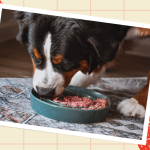

Are you wondering if it’s okay to give your adult dog puppy food? It’s a common question many dog owners have, especially when they want the best nutrition for their furry friend.
You might think puppy food is just more nutritious, but could it actually harm your adult dog? Before you make that choice, it’s important to understand what’s really in puppy food and how it affects your dog’s health. Keep reading, because what you learn here could make a big difference in your dog’s well-being.
Differences Between Puppy And Adult Dog Food
Understanding the differences between puppy and adult dog food is essential before deciding what to feed your furry friend. These two types of food are formulated to meet very different needs, reflecting the life stage of your dog. Feeding the right food at the right time supports your dog’s health, energy, and longevity.
Nutritional Needs Of Puppies
Puppies grow rapidly and need more calories per pound than adult dogs. Their food must be rich in protein to support muscle and tissue development. Additionally, puppies require higher levels of certain nutrients like calcium and phosphorus to build strong bones and teeth.
Essential fatty acids are also crucial for brain and eye development. Because puppies have smaller stomachs, their food is often more calorie-dense. This ensures they get enough energy without eating too much volume.
Nutritional Needs Of Adult Dogs
Adult dogs’ growth has slowed, so their calorie needs drop. Their food focuses on maintaining a healthy weight rather than promoting growth. It typically has balanced protein and fat levels to support muscle maintenance and daily activity.
Adult dog food also includes ingredients that support joint health and digestion. Vitamins and antioxidants help keep their immune system strong. Feeding adult dogs puppy food can lead to excess weight gain and nutritional imbalances, which might cause health issues over time.
Key Ingredient Variations
| Ingredient | Puppy Food | Adult Dog Food |
|---|---|---|
| Protein | Higher levels (22-32%) for growth | Moderate levels (18-25%) for maintenance |
| Fat | Higher fat content (8-20%) for energy | Lower fat content (5-15%) to prevent obesity |
| Calcium & Phosphorus | Increased amounts to support bone growth | Controlled levels to avoid excess |
| Calories | More calories per serving | Fewer calories to maintain weight |
Have you noticed how your puppy’s energy and appetite differ from your adult dog’s? These ingredient variations explain why their food looks and tastes different. Feeding your adult dog puppy food might seem harmless, but understanding these differences can help you make better choices for your dog’s health.
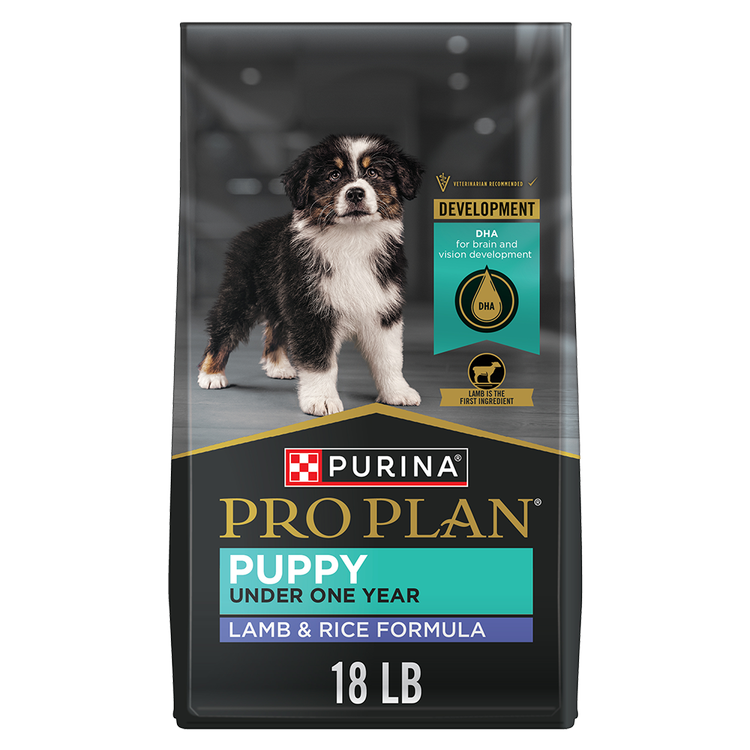
Credit: www.purina.com
Potential Effects Of Feeding Puppy Food To Adult Dogs
Feeding puppy food to adult dogs can have several effects on their health. Puppy food is richer in calories and nutrients to support growth. This difference can impact adult dogs in many ways. Understanding these effects helps pet owners make better feeding choices.
Weight Gain And Obesity Risks
Puppy food contains more calories than adult dog food. Adult dogs eating puppy food may consume excess calories. Extra calories can lead to rapid weight gain. Over time, this may cause obesity, which harms joints and heart health. Controlling calorie intake is vital for adult dogs.
Digestive Impacts
Puppy food has higher fat and protein levels. Adult dogs’ digestive systems may struggle with this rich diet. This can cause diarrhea or upset stomach. Some adult dogs may also develop food intolerances. Switching to adult dog food supports better digestion and gut health.
Energy Levels And Activity
Puppy food boosts energy to support growth and play. Adult dogs may feel overly energetic after eating it. This can lead to hyperactivity or restlessness. On the other hand, some dogs may gain weight and feel sluggish. Balanced nutrition helps maintain steady energy and activity.
When Puppy Food Might Be Beneficial For Adults
Puppy food can help adult dogs needing extra nutrients for growth or recovery. It’s richer in calories and protein than adult dog food. Always consult a vet before making changes to your dog’s diet.
When considering whether puppy food might be beneficial for adult dogs, there are specific situations where it can be advantageous. Puppy food is rich in calories and nutrients, designed to support rapid growth. In certain cases, these qualities can aid adult dogs in maintaining health and energy.Growth Recovery Or Illness
After illness, dogs need extra nutrients for recovery. Puppy food provides these essential nutrients. It helps rebuild strength and energy levels. This is especially helpful for dogs recovering from surgery or illness. Its higher protein and fat content supports healing.High-energy Adult Dogs
Some adult dogs have high energy needs. Working dogs, like herding or agility dogs, often need more calories. Puppy food can meet these demands. It provides the energy needed for intense activities. This ensures they stay active and healthy.Veterinary Recommendations
Veterinarians might recommend puppy food for specific health needs. They assess a dog’s condition and dietary requirements. Puppy food might be suggested for underweight dogs. It helps them gain weight safely. Always consult a vet before changing a dog’s diet. They provide the best guidance for individual needs.
Credit: www.becopets.com
Risks And Concerns Of Long-term Puppy Food Use
Feeding an adult dog puppy food over a long period can cause several problems. Puppy food has a different nutrient balance designed for growing dogs. This difference can lead to health issues if given continuously to adults.
Nutrient Imbalances
Puppy food contains more calories, protein, and fat than adult dog food. These extra nutrients support growth but may cause weight gain in adult dogs. Over time, excess nutrients can strain the liver and kidneys. The imbalance might also cause digestive problems and discomfort.
Joint Health Considerations
Puppy food often has added calcium and phosphorus for developing bones. Too much of these minerals can harm adult dogs’ joints. Excess calcium may lead to joint stiffness or arthritis. Adult dogs need a balanced mineral intake to keep their joints healthy.
Cost Implications
Puppy food usually costs more than adult dog food. Feeding it long-term can increase your expenses unnecessarily. Adult dog food is designed to meet their needs without extra nutrients. Choosing the right food saves money and supports your dog’s health.
Expert Tips For Transitioning Dog Food
Changing your dog’s food needs care and attention. Sudden changes can upset their stomach. Experts suggest a smooth transition to keep your dog healthy and happy. Follow these tips to help your dog adjust well.
Gradual Switching Process
Start mixing a small amount of new food with the old one. Increase the new food portion every few days. This slow change helps your dog’s digestive system adjust. A full switch usually takes 7 to 10 days. Watch for any signs of discomfort or refusal to eat.
Monitoring Health Changes
Check your dog’s stool and appetite daily. Look for diarrhea, vomiting, or loss of interest in food. Observe energy levels and coat condition. Any drastic change may mean the new food is not suitable. Consult a vet if problems continue for more than a few days.
Choosing The Right Formula
Select a formula that matches your dog’s age, size, and activity level. Avoid feeding puppy food to adult dogs for long periods. Puppy food has more calories and nutrients meant for growing pups. Adult dog food supports maintenance and overall health. Look for balanced ingredients and quality sources of protein.
Alternatives To Puppy Food For Adult Dogs
Adult dogs need different nutrition than puppies. Puppy food is rich in calories and nutrients to support growth. Feeding adult dogs puppy food regularly can cause weight gain and health issues. Choosing the right food helps keep your dog healthy and active. Several alternatives provide balanced nutrition for adult dogs.
Adult Dog Food Options
Adult dog food formulas match mature dogs’ energy needs. These foods contain controlled protein and fat levels. They support healthy weight and joint function. Dry kibble, canned food, and raw diets are common choices. Look for labels that say “complete and balanced” for adults.
Specialized Diets
Some dogs need special diets due to health problems. Options include grain-free, low-fat, or limited ingredient foods. Prescription diets target issues like allergies, kidney problems, or weight control. Always consult a vet before switching to a specialized diet.
Homemade Meals And Supplements
Homemade meals give control over ingredients and quality. Use lean meats, vegetables, and grains in proper portions. Add supplements like fish oil or vitamins for extra nutrients. Balance is key to avoid nutrient deficiencies. A vet or pet nutritionist can help create a safe recipe.
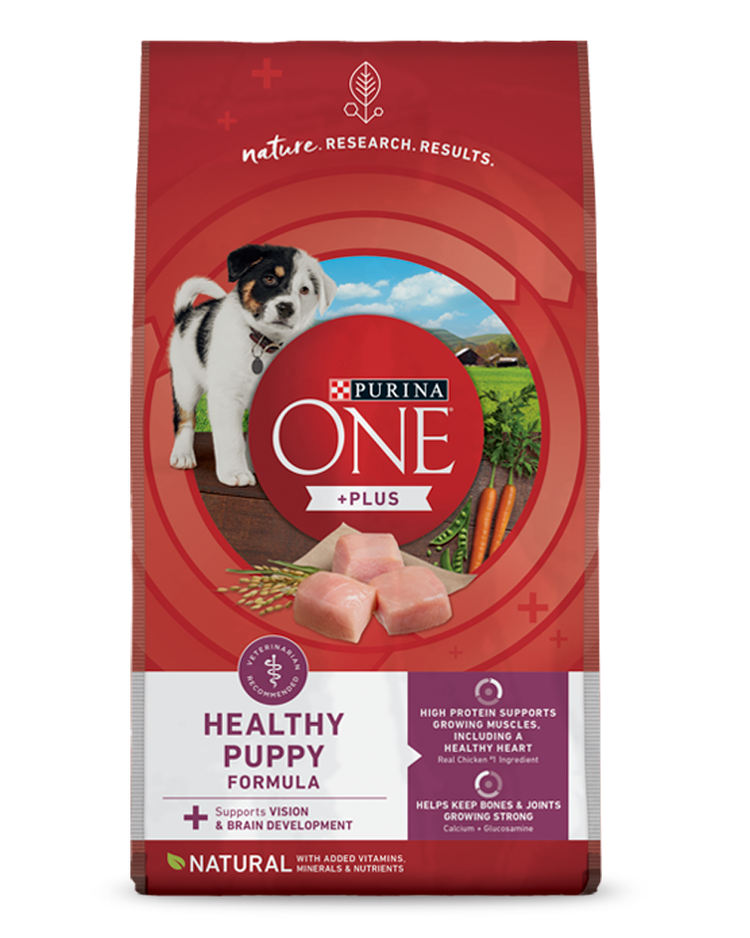
Credit: www.purina.com
Frequently Asked Questions
Can Adult Dogs Eat Puppy Food Safely?
Adult dogs can eat puppy food occasionally, but it’s not ideal. Puppy food is richer in calories and nutrients, which may cause weight gain or digestive issues in adults. Consult your vet before making long-term changes.
What Are The Risks Of Feeding Adults Puppy Food?
Feeding adult dogs puppy food regularly can lead to obesity and nutrient imbalances. Puppy food is higher in fat and protein, which might stress adult dogs’ kidneys. Always monitor your dog’s health if you switch foods.
How Long Can An Adult Dog Eat Puppy Food?
An adult dog should not eat puppy food long-term. Short-term feeding during growth spurts or recovery is okay. For daily nutrition, adult-formulated food meets mature dogs’ specific dietary needs better.
Does Puppy Food Benefit Senior Dogs?
Puppy food is generally too rich for senior dogs. Older dogs need lower calories and joint-support nutrients. Feeding them puppy food may cause weight gain or digestive upset. Choose senior-specific formulas instead.
Conclusion
Feeding adult dogs puppy food is not ideal for long-term health. Puppy food has extra nutrients that adult dogs do not need. Too many calories can cause weight gain and health problems. Adult dogs require a balanced diet made for their age and size.
Consult your vet before changing your dog’s food. Proper nutrition helps your dog stay happy and strong. Choose food that fits your dog’s specific needs. Keep your dog healthy by feeding the right diet every day.