
Have you ever wondered what happens if you feed your adult dog puppy food? It might seem like a harmless choice, especially if you want to give your furry friend extra nutrition.
But is it really safe? Could it affect your dog’s health or behavior? Understanding the effects of puppy food on adult dogs can help you make the best decision for your pet’s well-being. Keep reading to discover what you need to know before making this common feeding mistake.
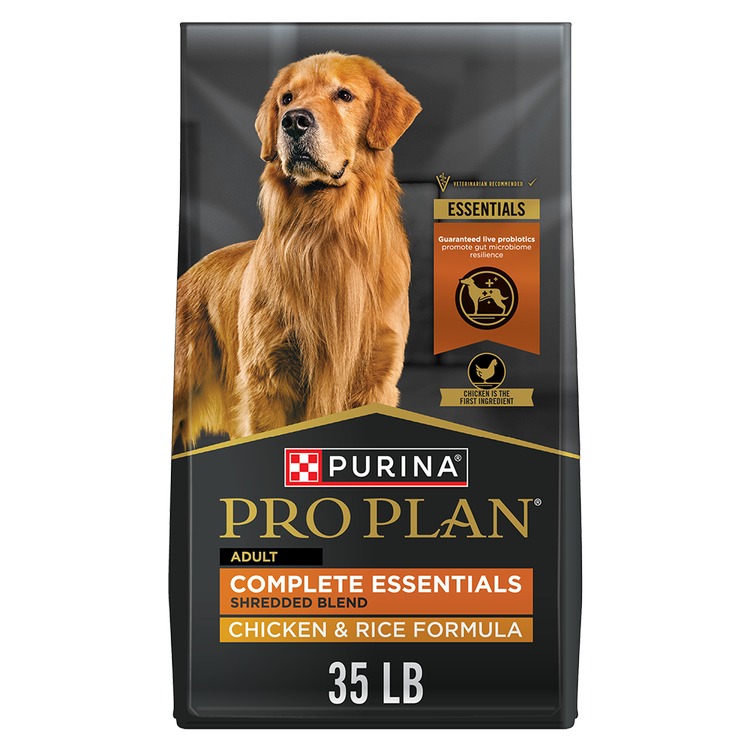
Credit: www.purina.com
Differences Between Puppy And Adult Dog Food
Understanding the differences between puppy and adult dog food is essential before deciding what to feed your furry friend. Feeding puppy food to an adult dog might seem harmless, but the variations in their nutritional makeup can impact your dog’s health over time. Let’s break down these differences so you can make an informed choice.
Nutritional Needs Of Puppies
Puppies require more calories to support their rapid growth and high energy levels. Their food is packed with extra protein and fat to help build strong muscles and maintain their energy throughout the day.
Essential vitamins and minerals are also included in higher amounts to support bone development and a healthy immune system. Have you noticed how playful and active puppies are? Their food helps fuel that boundless energy.
Nutritional Needs Of Adult Dogs
Adult dogs need fewer calories since their growth has slowed and their energy requirements have stabilized. Overfeeding an adult with puppy food can lead to weight gain and related health problems.
The balance of protein and fat is adjusted to maintain muscle mass without promoting excessive weight. Your adult dog’s food focuses more on maintaining health rather than promoting growth.
Key Ingredient Variations
| Ingredient | Puppy Food | Adult Dog Food |
|---|---|---|
| Protein | Higher to support growth and muscle development | Moderate to maintain muscle mass |
| Fat | Increased for energy and brain development | Lower to prevent weight gain |
| Calcium & Phosphorus | Elevated levels for bone growth | Balanced to maintain bone health |
| Calories | Higher energy density | Controlled to avoid obesity |
Seeing these differences laid out makes it clear why switching your adult dog to puppy food isn’t just about taste. Could feeding the wrong formula be quietly affecting your dog’s health? Paying attention to these ingredient variations helps you choose the right food to keep your dog thriving at every stage.
Potential Benefits Of Feeding Puppy Food To Adult Dogs
Feeding puppy food to adult dogs can offer certain benefits. Puppy formulas contain more nutrients designed to support growth and energy. Some adult dogs might benefit from these richer ingredients. It is important to understand how these benefits work and which dogs might need extra nutrition.
Higher Protein And Fat Content
Puppy food has more protein and fat than adult dog food. These nutrients help build and maintain muscles. Adult dogs with high energy needs may thrive on this extra nutrition. The higher fat content also provides more calories for energy. This can support dogs that burn calories quickly during activity.
Support For Active Or Working Dogs
Active and working dogs need more fuel to stay strong. Puppy food provides essential nutrients to meet these demands. It helps maintain stamina and muscle health during long hours of work or play. Dogs that exercise a lot may require the extra calories found in puppy food. This diet supports their busy lifestyle effectively.
Improved Coat And Energy Levels
Puppy food often contains ingredients that improve coat health. Rich oils and vitamins help keep fur shiny and soft. Adult dogs on puppy food may show more energy and vitality. The balanced nutrients support overall well-being and active behavior. This can be especially helpful for older dogs needing a boost.
Risks Of Feeding Puppy Food To Adult Dogs
Feeding adult dogs puppy food can cause weight gain and digestive problems. Puppy food has more calories and nutrients, which adults do not need daily. This mismatch may lead to health issues over time.
Feeding adult dogs puppy food can lead to several health problems. Puppy food is specially formulated for growing pups. It contains higher levels of calories, protein, and fat. These nutrients are essential for puppies but can be harmful to adult dogs. Here are some risks associated with feeding puppy food to adult dogs.Weight Gain And Obesity
Adult dogs require fewer calories than puppies. Feeding them high-calorie puppy food can lead to weight gain. Excess weight strains a dog’s joints and organs. It increases the risk of obesity-related diseases. Managing a dog’s weight ensures a longer, healthier life.Digestive Issues
Puppy food has rich ingredients that can upset an adult dog’s stomach. It may cause diarrhea or vomiting. Some dogs may experience bloating or gas. A consistent diet with the right nutrients helps maintain digestive health.Nutrient Imbalance Concerns
Puppy food has a different nutrient balance. It contains more calcium and phosphorus for bone growth. Adult dogs don’t need these in high amounts. Excessive nutrients can lead to health issues like kidney problems. It’s crucial to provide the right nutrients for an adult dog’s specific needs.
Credit: www.petscare.com
When Puppy Food Might Be Appropriate For Adults
Puppy food contains more calories, protein, and nutrients than adult dog food. This extra nutrition supports growth and development in young dogs. Sometimes adult dogs need this kind of boost too. Certain conditions or life stages may require richer food to help maintain or improve health. Feeding puppy food to adult dogs can be helpful in these specific situations.
Underweight Or Malnourished Dogs
Dogs that are underweight or recovering from illness need extra nutrition. Puppy food offers more calories and protein to help build muscle and fat. It can support faster recovery and improve energy levels. Vets may recommend puppy food for these dogs to restore their health safely.
Dogs With High Energy Needs
Active adult dogs, like working or sporting dogs, burn more calories daily. Puppy food provides extra energy to meet their high demands. It helps maintain strength, endurance, and overall fitness. Feeding puppy food can keep these dogs healthy and active.
Transitioning Between Life Stages
Some adult dogs may be in a transition phase from puppy to adult food. This change needs to be slow and gradual. Puppy food can be used during this time to avoid digestive upset. It ensures the dog gets enough nutrients while adjusting to new food types.
Guidelines For Switching Dog Food Types
Switching your dog’s food is more than just changing a bowl’s content. Dogs have sensitive digestive systems that react differently to new diets. Following clear guidelines ensures your dog adjusts smoothly and stays healthy during the switch.
Gradual Transition Process
Suddenly changing your dog’s food can cause stomach upset or diarrhea. Instead, mix a small amount of the new food with the old one. Over 7 to 10 days, slowly increase the new food’s portion while decreasing the old.
- Start with 25% new food and 75% old food.
- After a few days, move to 50% new and 50% old.
- Next, 75% new and 25% old.
- Finally, 100% new food.
This gradual switch helps your dog’s digestive system adjust without shock. It also lets you spot any immediate reactions early on.
Monitoring Health And Behavior
Watch your dog closely during the transition. Look for changes in appetite, energy, stool quality, and overall mood. These signs reveal how well your dog tolerates the new food.
If you notice vomiting, diarrhea, or lethargy, pause the transition. Sometimes dogs need more time or a different formula. Keep a journal of these observations—it helps you track patterns and communicate clearly with your vet.
Consulting A Veterinarian
Before switching foods, especially from adult to puppy food or vice versa, ask your vet for advice. They know your dog’s health history and can recommend the best diet tailored to your dog’s needs.
Your vet can also suggest supplements or alternative brands if your dog has allergies or sensitivities. Remember, what works for one dog might not work for another, so professional guidance is key.
Have you ever noticed a sudden change in your dog’s behavior after a food switch? Sharing your experience with your vet can make a big difference in finding the right diet.
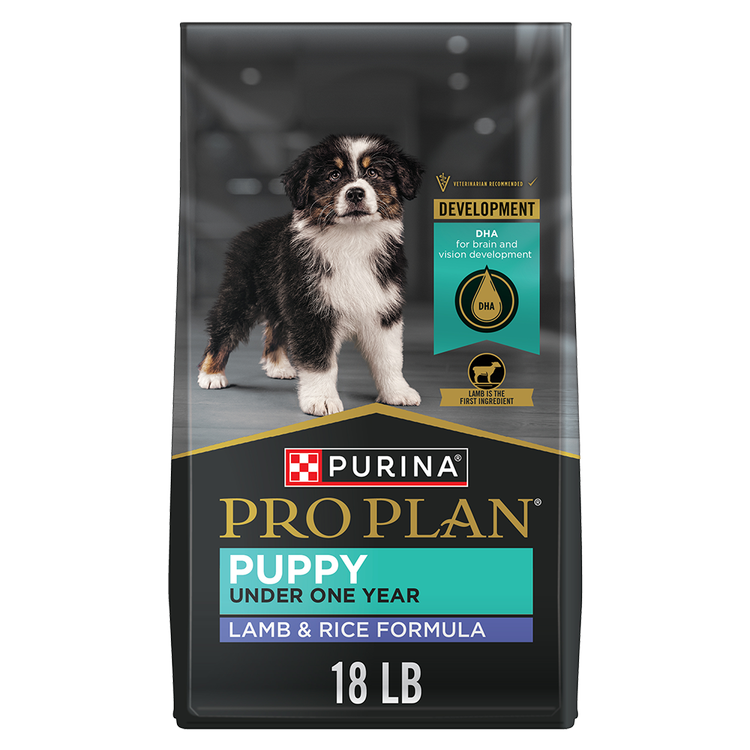
Credit: www.purina.com
Alternatives To Puppy Food For Adult Dogs
Feeding your adult dog puppy food might seem harmless, but it’s important to consider proper alternatives that fit their nutritional needs. Adult dogs require a balanced diet that supports their energy levels and overall health without overloading them with the extra calories and nutrients meant for growing puppies. Let’s look at some effective options that can keep your dog healthy and happy.
Specialized Adult Formulas
Adult dog foods are designed to meet the exact needs of dogs after their growth phase. These formulas usually have fewer calories and the right amount of protein to maintain muscle without encouraging excess weight gain.
Look for options labeled as “adult maintenance” or “all life stages” if you want flexibility. Some brands also focus on breed-specific needs, which can be helpful if your dog has particular health concerns.
Senior Dog Nutrition
If your dog is entering their golden years, consider senior dog foods that cater to aging joints, digestion, and immune support. These foods often contain added glucosamine, antioxidants, and fiber to help with mobility and overall vitality.
Switching to a senior formula at the right time can help your dog stay comfortable and active. Have you noticed changes in your dog’s energy or mobility? This could be a signal to adjust their diet.
Homemade And Raw Diet Options
Some dog owners prefer preparing meals at home or feeding raw diets to have complete control over ingredients. When done correctly, homemade diets can provide fresh, natural nutrition tailored to your dog’s preferences and health needs.
Ensure you research or consult a vet to avoid nutritional gaps. Adding veggies, lean meats, and supplements can create a balanced meal that matches or even exceeds commercial options.
What ingredients does your dog love? You might be surprised how simple it is to prepare meals that keep them excited about mealtime and healthy at the same time.
Frequently Asked Questions
Can Adult Dogs Eat Puppy Food Safely?
Yes, adult dogs can eat puppy food occasionally. However, puppy food has more calories and nutrients, which may cause weight gain if fed regularly.
What Happens If An Adult Dog Eats Puppy Food Daily?
Feeding puppy food daily to adults may lead to obesity and digestive issues due to excess fat and protein. Balanced adult dog food is better long-term.
Is Puppy Food Better For Active Adult Dogs?
Active adult dogs may benefit from higher calories in puppy food, but it’s best to consult a vet for proper diet recommendations.
Can Puppy Food Cause Allergies In Adult Dogs?
Puppy food ingredients differ and might cause allergies in some adults. Always check for known allergens and monitor your dog’s reaction when switching foods.
Conclusion
Feeding adult dogs puppy food now and then is not harmful. Puppy food has more calories and nutrients for growth. Adult dogs may gain weight or feel upset if fed too much. Always choose food that fits your dog’s age and needs.
Watch your dog’s health and energy closely. Talk to your vet for the best advice. Keeping your dog healthy means feeding the right food every day. Small changes can make a big difference in your dog’s life.