
If your dog is struggling with constipation, you know how uncomfortable and worrying it can be for both of you. You want to help your furry friend feel better quickly, but finding the right foods can be confusing.
What exactly should you feed your dog to ease their digestion and get things moving again? You’ll discover simple, natural foods that can relieve constipation in adult dogs. By making small changes to your dog’s diet, you can improve their comfort and keep their digestive system healthy.
Keep reading to learn which foods work best and why they make a difference.
Credit: www.walmart.com
Causes Of Constipation In Dogs
Constipation in adult dogs happens when bowel movements become infrequent or difficult. It can cause discomfort and affect your dog’s overall health. Understanding the causes helps you prevent and treat this issue effectively.
Dehydration
Dogs need enough water to keep stool soft and easy to pass. Lack of water makes stools hard and dry. This leads to constipation and discomfort.
Poor Diet
Diets low in fiber slow down digestion. Fiber helps food move through the intestines smoothly. Without enough fiber, dogs can get constipated easily.
Lack Of Exercise
Exercise helps stimulate the intestines and promotes regular bowel movements. Dogs who are inactive or confined may have slower digestion and constipation.
Medical Conditions
Health problems like intestinal blockages, spinal issues, or tumors can cause constipation. Some diseases affect nerves or muscles needed for normal bowel function.
Medications
Certain drugs can slow down the digestive system. Painkillers, antacids, and some supplements may lead to constipation in dogs.
Age Factors
Older dogs often have slower metabolism and weaker muscles. These changes can make bowel movements less frequent and harder to pass.
Credit: www.petmd.com
Symptoms To Watch For
Recognizing the symptoms of constipation in your adult dog is crucial for timely care. Not all signs are obvious, so knowing what to look for can save your pet from discomfort and potential health issues. Paying close attention to changes in behavior and bathroom habits can give you early clues.
Changes In Stool Appearance And Frequency
If your dog’s stools become hard, dry, or smaller than usual, it could be a sign of constipation. You might notice your dog struggling to poop or spending more time in the bathroom without success. Have you ever seen your dog try repeatedly but only produce tiny, dry pellets? This is a red flag.
Straining And Discomfort During Bowel Movements
Straining to poop is a clear symptom to watch for. Your dog might grunt, whine, or show signs of pain while trying to go. If you notice your dog looking uncomfortable or even sitting in unusual positions to relieve pressure, it’s time to take action.
Changes In Appetite And Energy Levels
Constipation can make your dog feel sluggish or less interested in food. If your pet is usually energetic but suddenly becomes lethargic or refuses meals, constipation might be affecting their overall well-being. Could this change in behavior be linked to digestive discomfort?
Abdominal Swelling Or Tenderness
Swelling in your dog’s belly or signs that they are sensitive when you touch their abdomen can indicate constipation. Sometimes, the discomfort is subtle and only noticeable when you gently press on their stomach. Don’t ignore these physical clues—they’re important signals.
Behavioral Changes And Restlessness
Your dog might become restless, pacing, or unable to settle down if they are constipated. Watch for unusual behaviors like excessive licking of the rear area or sudden irritability. These behaviors might be your dog’s way of telling you they are uncomfortable.
High-fiber Foods For Relief
Constipation can be uncomfortable for your furry friend, and finding the right solution is crucial. High-fiber foods can provide significant relief for adult dogs experiencing this issue. Incorporating certain vegetables, fruits, and whole grains into their diet can help promote regular bowel movements and improve overall digestive health.
Vegetables That Aid Digestion
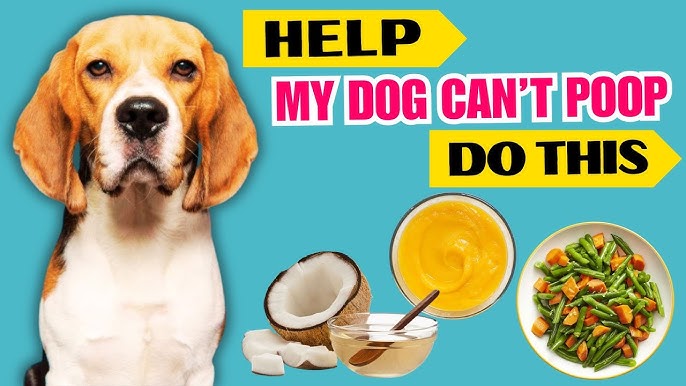
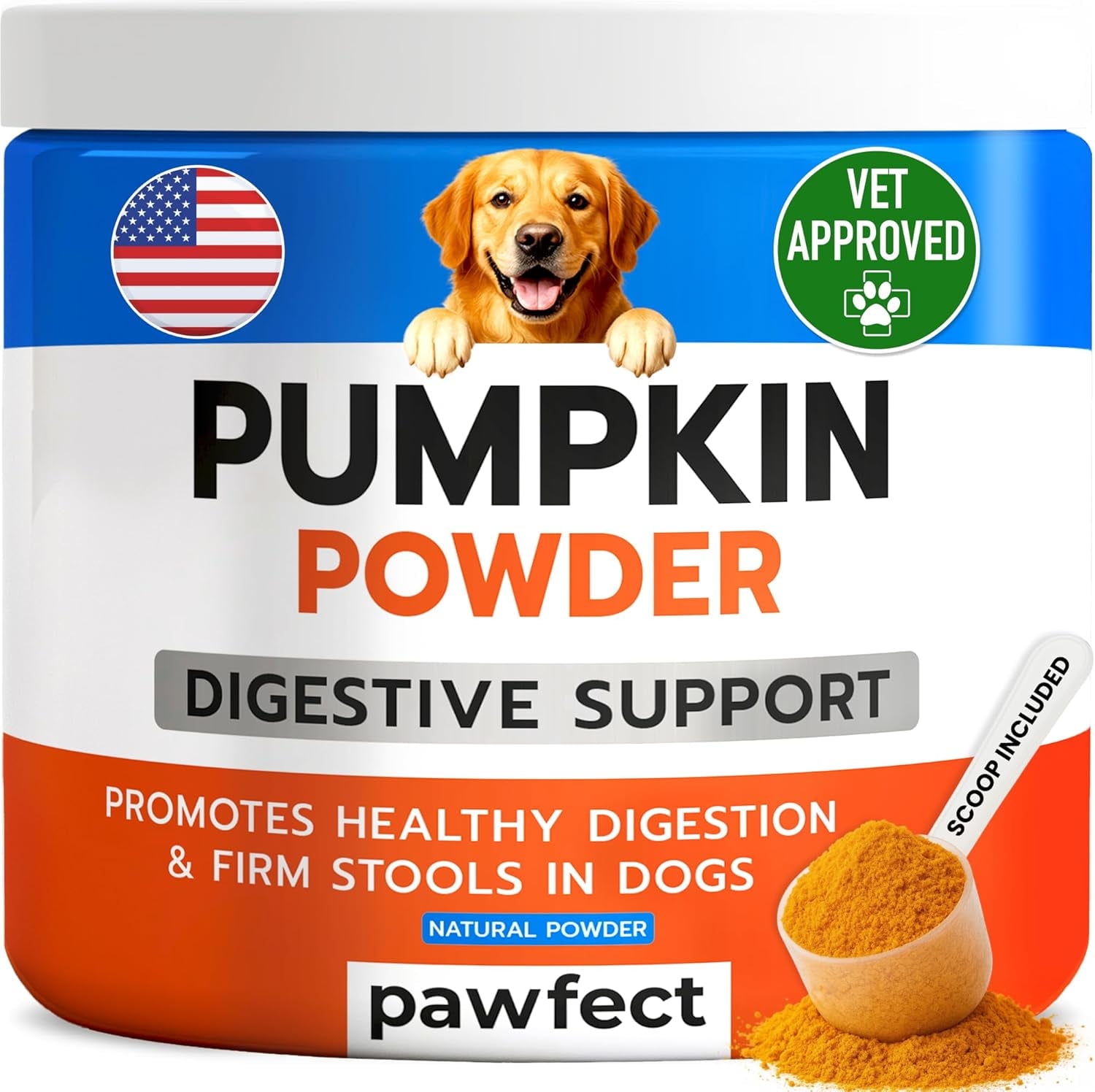
Including vegetables in your dog’s diet is a great way to boost their fiber intake. Pumpkin is a popular choice due to its high fiber content and natural laxative effect. Sweet potatoes are another excellent option, offering both fiber and essential vitamins.
Green beans can be a crunchy treat that also aids digestion. It’s important to serve these vegetables in moderation to avoid any digestive upset.
Fruits Safe For Dogs
Certain fruits can be both a tasty and beneficial addition to your dog’s diet. Apples, when peeled and cored, are a safe and fiber-rich choice. Blueberries not only offer fiber but also antioxidants that can support your dog’s health.
Pears can also help with digestion, but ensure they’re served without seeds or cores. Remember to introduce any new fruit slowly to monitor your dog’s reaction.
Whole Grains Benefits
Whole grains can provide the necessary fiber to help ease constipation. Oatmeal is a versatile option that can be easily mixed with your dog’s regular food. Brown rice is another grain that is gentle on the stomach and aids in digestion.
Quinoa is a less common but highly nutritious grain that can be beneficial in small amounts. Always cook grains thoroughly before serving them to your pet.
Have you tried any of these fiber-rich foods for your dog? Observing how your dog responds to these dietary changes can lead to a happier and healthier pet. Remember, any dietary changes should be made gradually and under the guidance of your vet.
Hydrating Foods To Soften Stool
Hydrating foods help ease constipation in adult dogs by softening their stool. These foods increase water content in the digestive system. This makes bowel movements smoother and less painful. Feeding hydrating foods can support your dog’s digestive health naturally. It also encourages regular bathroom habits.
Broths And Soups
Broths and soups add moisture to your dog’s diet. They are easy to digest and tasty for dogs. A simple bone broth provides hydration and nutrients at the same time. Avoid broths with onions, garlic, or excessive salt. Warm broth can soothe your dog’s digestive tract. It also promotes fluid intake, which softens stools.
Water-rich Fruits And Veggies
Water-rich fruits and vegetables supply extra hydration and fiber. Good options include cucumbers, watermelon, and zucchini. These foods contain high water content and gentle fiber. Fiber helps bulk up stool and improves gut movement. Serve these fruits and veggies in small, digestible pieces. Always introduce new foods slowly to prevent stomach upset.
Probiotic-rich Options
Probiotic-rich foods support healthy digestion in dogs. They introduce good bacteria that help balance the gut. These foods can ease constipation by improving bowel movements and stool quality. Including probiotics in your dog’s diet can promote overall digestive health.
Yogurt And Fermented Foods
Plain yogurt is a natural source of probiotics. Choose unsweetened, unflavored yogurt with live cultures. A small spoonful mixed into your dog’s food can aid digestion. Fermented foods like kefir or certain fermented vegetables may also help. Always introduce these foods gradually to avoid stomach upset.
Supplements To Consider
Probiotic supplements offer a controlled dose of beneficial bacteria. They come in powders, capsules, or chews made for dogs. Look for products containing strains like Lactobacillusand Bifidobacterium. These strains support healthy gut flora and regular bowel movements. Consult your vet before starting any new supplement.
Credit: www.petscare.com
Foods To Avoid
Choosing the right foods for your dog is crucial to avoid worsening constipation. Some foods can block digestion or reduce water absorption in the intestines. Feeding these can make your dog’s bowel movements harder and less frequent.
Knowing which foods to avoid helps keep your dog’s digestive system healthy. It also supports smooth and regular bowel movements.
Foods High In Fat
Fatty foods slow down digestion and can lead to constipation. Avoid giving your dog fried foods or fatty meat cuts. These foods can also cause discomfort and upset stomach.
Low-fiber Foods
Fiber helps move stool through the intestines. Foods low in fiber, like white rice or plain pasta, may worsen constipation. Dogs need fiber-rich foods to keep their digestion smooth.
Dairy Products
Many dogs cannot digest dairy well. Milk, cheese, and yogurt may cause stomach upset or hard stools. Avoid dairy if your dog shows signs of digestive trouble.
Human Snacks And Junk Food
Snacks like chips, cookies, and candy have little nutritional value. They often contain ingredients that are hard for dogs to digest. These snacks can lead to constipation and other health issues.
Foods Containing Bones
Cooked bones can splinter and block the intestines. Raw bones may also cause constipation if swallowed whole. Avoid giving your dog any bones to prevent digestive problems.
Additional Home Remedies
Some home remedies can help relieve constipation in adult dogs. These remedies support digestion and bowel movement naturally. They work well alongside dietary changes for better results. Small adjustments in daily routines often make a big difference in your dog’s health.
Exercise And Mobility
Regular exercise improves your dog’s digestion. It helps stimulate the intestines and promotes bowel movement. Short walks several times a day can be very effective. Playtime with toys or running in the yard also boosts mobility. Avoid long periods of inactivity, as it can worsen constipation.
Encourage gentle stretching and movement after meals. This can help food move through the digestive tract more easily. Monitor your dog’s energy levels and adjust exercise accordingly. Consistency is key to preventing future constipation problems.
Hydration Tips
Water is essential for soft stools and easy bowel movements. Always provide fresh and clean water for your dog. Some dogs drink less water naturally. You can increase their intake by offering water in different bowls around the house.
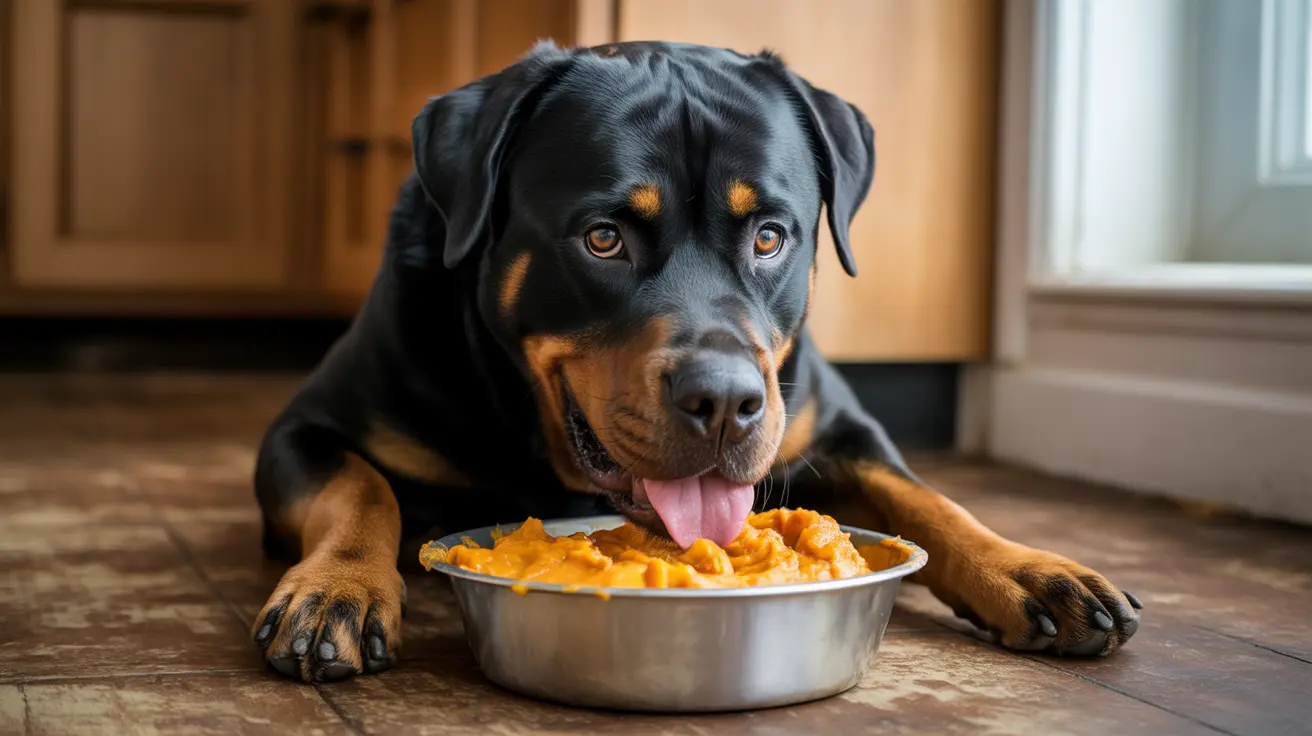
Wet dog food or adding water to dry kibble adds extra moisture. Broth made from chicken or beef without salt is another option. Avoid giving sugary drinks or milk, as these can upset digestion. Keeping your dog well-hydrated supports healthy digestion and prevents constipation.
When To See A Vet
Knowing when to see a vet is crucial if your adult dog is struggling with constipation. Sometimes, home remedies and dietary changes work well. Other times, constipation might signal a more serious issue that needs professional care.
Signs That Your Dog Needs Immediate Veterinary Attention
If your dog hasn’t pooped for more than two days and seems restless or uncomfortable, it’s time to call the vet. Look out for symptoms like vomiting, loss of appetite, or a swollen abdomen. These signs could mean a blockage or other urgent health problems.
Persistent Constipation Despite Dietary Changes
You might have tried adding fiber or water-rich foods to your dog’s diet, but nothing has improved the situation. If your dog’s constipation lasts longer than a week or worsens, a vet visit is necessary. They can check for underlying issues like tumors, nerve problems, or dehydration.
Behavioral Changes And Discomfort
Has your dog become unusually lethargic or irritable? Does it strain excessively during bathroom time or cry out in pain? These behavioral changes often point to discomfort that home care can’t fix. A vet can provide relief and diagnose the cause.
Underlying Health Conditions
Dogs with health problems such as arthritis, diabetes, or spinal injuries are more prone to constipation. If your dog falls into this category, regular vet check-ups are essential. The vet can tailor treatments to manage both constipation and the primary condition effectively.
What To Expect During The Vet Visit
Your vet will perform a physical exam and may recommend X-rays or blood tests to find the cause. They might suggest medications, special diets, or procedures like enemas. Knowing what happens next helps you stay calm and support your dog through recovery.
Frequently Asked Questions
What Foods Help Relieve Constipation In Adult Dogs?
High-fiber foods like pumpkin, sweet potatoes, and green beans aid dog constipation. These foods improve digestion and soften stools naturally.
Can Fruits Benefit Constipated Adult Dogs?
Yes, fruits like apples and blueberries provide fiber and hydration. They support healthy bowel movements and prevent constipation in dogs.
Is Hydration Important For Constipated Dogs?
Absolutely, water intake is crucial for easing constipation. Proper hydration helps soften stools and promotes regular bowel movements in dogs.
Are Commercial Dog Foods Effective For Constipation?
High-quality, fiber-rich commercial dog foods can help. Look for formulas designed to support digestive health and relieve constipation.
Conclusion
Feeding your dog the right foods helps ease constipation. Fiber-rich fruits and vegetables support healthy digestion. Plenty of water keeps your dog hydrated and stools soft. Avoid giving fatty or processed foods that can worsen constipation. Regular exercise also encourages bowel movements.
Watch your dog’s reaction to new foods closely. Consult a vet if constipation continues or worsens. Good diet and care improve your dog’s comfort and health. Simple changes make a big difference in your dog’s digestion. Keep your furry friend happy and healthy every day.