
Are you wondering if it’s okay to feed your large breed puppy adult dog food? You want the best for your growing pup, and choosing the right food is a big part of that.
But feeding adult food too soon could affect their growth and health. On the other hand, sticking with puppy food might feel expensive or confusing. Keep reading to discover what experts say about this and how you can make the best choice for your furry friend’s strong, healthy future.
Credit: www.renspets.com
Puppy Vs Adult Dog Food
Choosing the right food for your large breed puppy is crucial for their healthy growth and development. You might wonder if switching to adult dog food early could be okay. Understanding the difference between puppy and adult dog food helps you make the best choice for your furry friend.
Nutritional Needs Of Large Breed Puppies
Large breed puppies grow quickly and have unique nutritional demands. They need controlled amounts of protein and calories to prevent too rapid growth, which can harm their bones and joints.
Calcium and phosphorus levels are especially important. Too much or too little can lead to bone problems later in life. Your puppy’s diet should support steady, balanced growth rather than fast weight gain.
Have you noticed how your puppy’s energy levels change as they grow? Their food must provide enough nutrients to fuel their playful nature without causing unhealthy weight gain.
Differences In Ingredient Composition
Puppy food contains higher levels of protein and fat compared to adult dog food. These ingredients fuel growth and build strong muscles. Adult dog food, by contrast, focuses on maintaining weight and overall health.
Large breed puppy formulas often include joint-supporting supplements like glucosamine and chondroitin. These help protect developing joints during growth spurts. Adult dog food rarely has these extras since the growth phase is over.
Another key difference is calorie density. Puppy food packs more calories to meet higher energy needs. Feeding adult dog food to a puppy might leave them hungry or lacking essential nutrients.
- Puppy Food:Higher protein, fat, calories, added joint supplements
- Adult Food:Balanced nutrients for maintenance, lower calories
Would your large breed puppy thrive on adult food, or is it better to stick with puppy-specific formulas until they mature? Your choice impacts their health and happiness in the long run.
Risks Of Feeding Adult Food Early
Feeding adult food too soon can harm a large breed puppy’s growth and bones. Their nutritional needs differ from adult dogs and require special care. Early adult food may cause joint problems and slow development.
Feeding your large breed puppy adult dog food too soon can have serious consequences. Puppies have different nutritional needs compared to adult dogs. Giving them adult food early may disrupt their growth and development.Impact On Growth And Development
Large breed puppies grow rapidly. They need balanced nutrients for healthy development. Adult dog food lacks the necessary nutrients for this rapid growth. It has different protein and fat levels. This imbalance can affect bone growth and muscle development.Potential Health Issues
Feeding adult food early may lead to health problems. Large breed puppies can develop joint issues if fed improperly. They may also suffer from obesity or malnutrition. The nutrient imbalance can cause long-term health issues. It’s essential to provide age-appropriate food to prevent these risks.When To Transition To Adult Food
Knowing the right time to switch your large breed puppy from puppy food to adult dog food is crucial for their health. Transitioning too early or too late can affect their growth and energy levels. Pay close attention to your puppy’s development and behavior to decide the best moment to make this change.
Signs Your Puppy Is Ready
Your puppy will show clear signs when it’s time to transition. Look for these indicators:
- Slowing Growth:Large breed puppies grow rapidly but start to slow down around 9 to 12 months.
- Decreasing Energy:You might notice a drop in their hyperactive puppy energy.
- Adult Teeth:When most of their adult teeth have come in, it’s often a sign they’re maturing.
- Stable Weight:If your pup’s weight gains are becoming more consistent, their growth phase may be ending.
Have you noticed any of these changes in your puppy? These signs can guide you better than just relying on age alone.
Recommended Age For Large Breeds
Large breed puppies grow at a different pace than smaller dogs. Their bones and joints need more time to develop fully.
- Typically Between 12 to 18 Months:Most large breeds should transition between one and a half years old.
- Breed-Specific Timing:Giant breeds like Great Danes might benefit from waiting closer to 18 months.
- Consult Your Vet:Always check with your vet to personalize the timing based on your puppy’s growth and health.
Switching too early might cause nutritional imbalances. Waiting too long can lead to excess weight gain. Are you tracking your puppy’s growth milestones regularly?
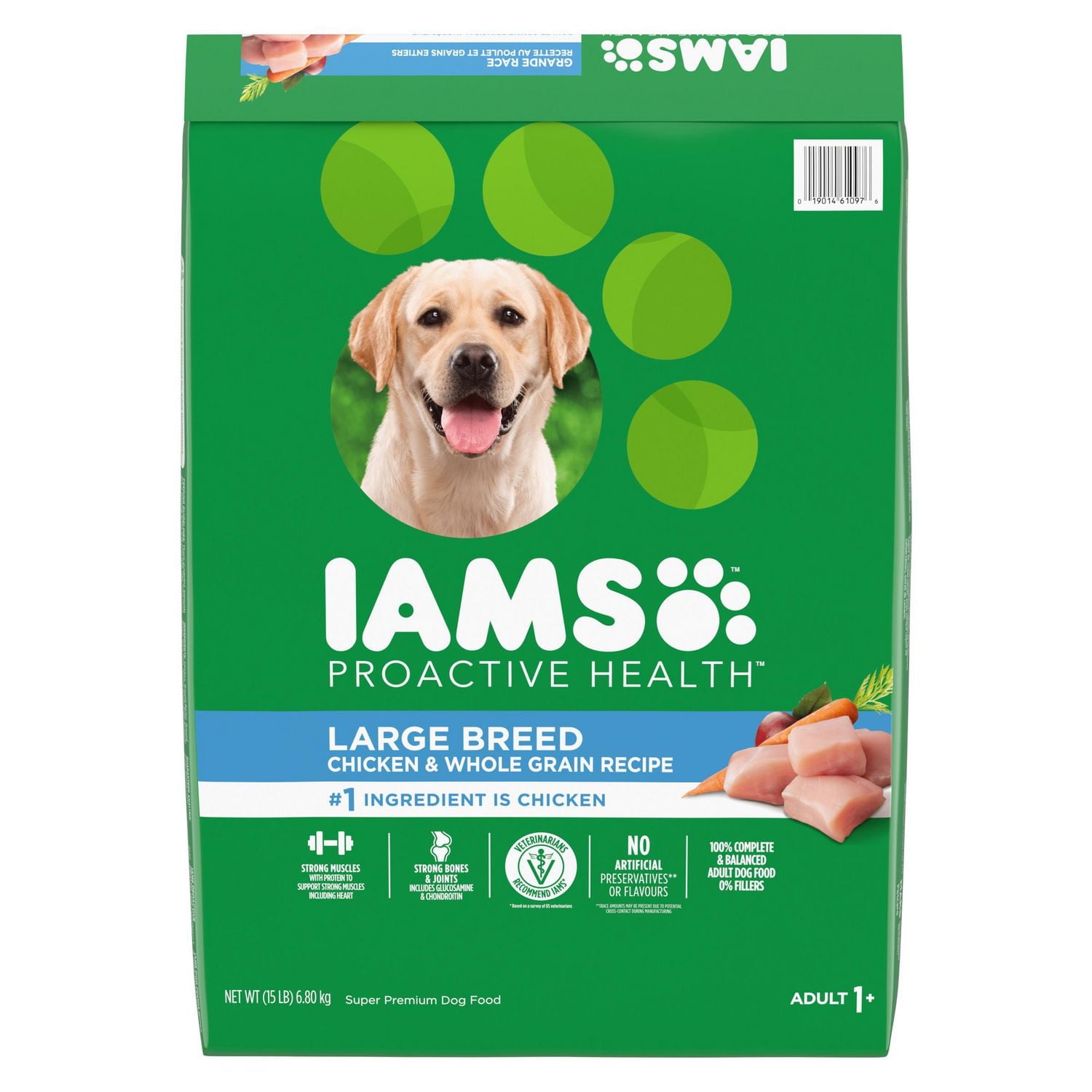
Credit: www.walmart.ca
Choosing The Right Food For Large Breeds
Choosing the right food for large breed puppies is important for their growth and health. Large breeds have different needs than small or medium dogs. Their bones and joints grow quickly and need special care. The right nutrition helps prevent future health problems and supports strong muscles and bones.
Key Nutrients To Look For
Large breed puppies need balanced nutrients to grow well. Protein helps build muscles. Look for high-quality animal protein like chicken or fish. Fat provides energy but should not be too high. Carbohydrates give fuel and fiber aids digestion.
Calcium and phosphorus are crucial for bone development. The right ratio supports strong, healthy bones. Too much or too little can cause problems. Vitamins and minerals support the immune system and overall health.
- High-quality protein sources
- Controlled fat levels
- Balanced calcium and phosphorus
- Essential vitamins and minerals
- Digestible carbohydrates and fiber
Special Formulas For Joint Health
Large breeds often face joint issues as they grow. Special food formulas include ingredients that support joint health. Glucosamine and chondroitin help protect cartilage. Omega-3 fatty acids reduce inflammation and promote mobility.
These nutrients keep joints flexible and reduce the risk of arthritis. Feeding a large breed puppy food with joint support helps maintain an active lifestyle.
Tips For A Smooth Food Transition
Switching your large breed puppy to adult dog food needs care. A smooth transition helps avoid tummy troubles and keeps your puppy happy. Follow these tips to make the change easy and stress-free for your dog.
Gradual Mixing Method
Start by mixing a small amount of adult food with your puppy’s current food. Increase the adult food portion slowly over 7 to 10 days. This lets your puppy’s digestive system adjust without shock.
- Day 1-3: 25% adult food, 75% puppy food
- Day 4-6: 50% adult food, 50% puppy food
- Day 7-9: 75% adult food, 25% puppy food
- Day 10: 100% adult food
Mix the foods well to keep the taste consistent. Serve fresh portions to keep your puppy interested in eating.
Monitoring Your Puppy’s Response
Watch your puppy closely during the transition. Check for signs like changes in stool, appetite, or energy levels. These clues show how well your puppy handles the new food.
- Soft stool or diarrhea may mean the change is too fast.
- Loss of appetite can signal dislike or digestive upset.
- Low energy may indicate nutritional needs are unmet.
If problems last more than a few days, pause the switch or seek advice from your vet. Adjust the timing based on your puppy’s comfort and health.
Credit: www.purina.com
Veterinary Advice And Recommendations
Veterinary advice plays a key role in deciding your large breed puppy’s diet. Every dog has unique needs that change as they grow. A vet’s guidance helps ensure your puppy gets the right nutrition for healthy development. This section covers when and why you should seek professional help about feeding adult dog food to a large breed puppy.
Consulting Your Vet
Talk to your vet before changing your puppy’s food. They can assess your puppy’s growth, weight, and health. Vets understand the risks of feeding adult food too early. They offer tailored advice based on breed, age, and activity level. A vet visit helps prevent nutritional imbalances or digestive issues.
During the consultation, discuss:
- Your puppy’s current diet and feeding schedule
- Signs of growth problems or allergies
- Suitable food brands and formulas
- Proper portion sizes and feeding frequency
When To Seek Professional Guidance
Seek vet advice if your puppy shows unusual symptoms. These include:
- Sudden weight loss or gain
- Changes in appetite or energy level
- Digestive problems like vomiting or diarrhea
- Joint or mobility issues
Also consult your vet if you plan to switch to adult food earlier than usual. Large breed puppies grow at different rates. A vet can tell if your puppy is ready or needs more time on puppy food. Early guidance avoids health risks and supports strong bones and muscles.
Frequently Asked Questions
Can I Feed Adult Dog Food To My Large Breed Puppy?
Feeding adult dog food to a large breed puppy is not recommended. Puppies need specific nutrients for growth. Adult food lacks these essential nutrients, leading to possible health issues and improper development.
When Should I Switch My Large Breed Puppy To Adult Food?
Switching to adult food is ideal around 12 to 18 months. Large breeds mature slower than small breeds. Consult your vet to determine the best time for your puppy’s transition.
What Are Risks Of Feeding Adult Food To Puppies?
Adult food may cause nutrient imbalance in puppies. This can result in poor bone growth, weak joints, and developmental problems. Puppies need higher protein and calorie content than adult dogs.
How Do I Choose The Right Food For Large Breed Puppies?
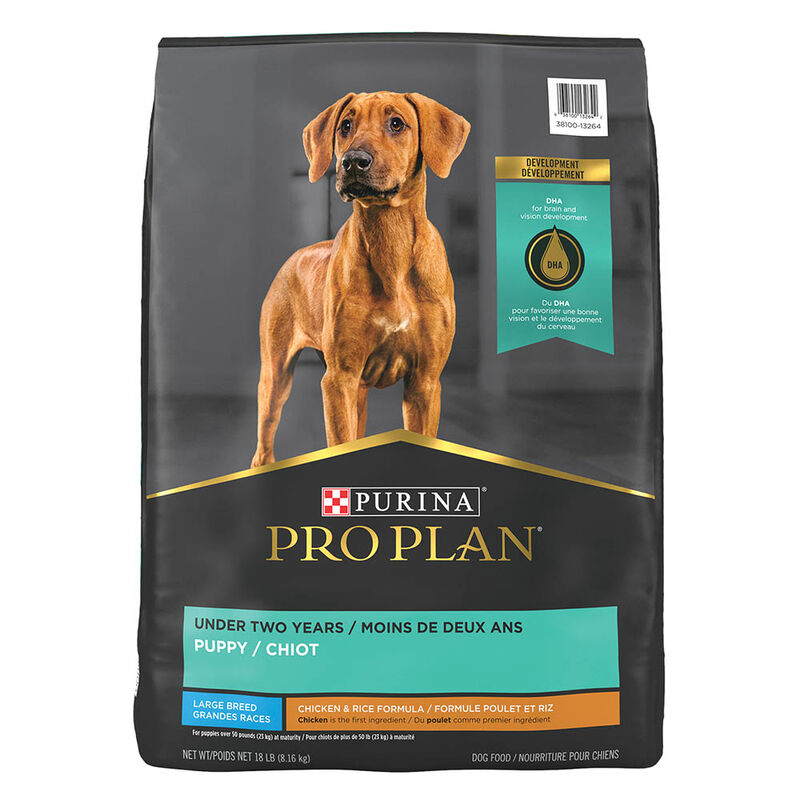
Choose food formulated specifically for large breed puppies. Look for balanced protein, calcium, and DHA levels. Proper nutrition supports healthy growth and joint development.
Conclusion
Large breed puppies need special nutrition for healthy growth. Adult dog food may lack key nutrients they require. Feeding adult food too soon can cause health issues. Choose food made for puppies to support bones and muscles. Always check with your vet before changing your puppy’s diet.
Proper food helps your puppy grow strong and happy. Take time to give your dog the right start. Healthy choices today mean a better life tomorrow.