
You want the best for your furry friend, and feeding them the right food at the right time is a big part of that. But when exactly should you switch your dog from puppy food to adult food?
Making this change too early or too late can affect your dog’s health and happiness. You’ll discover clear signs to look for, expert tips to make the switch smooth, and how to choose the perfect adult food for your dog.
Keep reading to learn how to keep your dog healthy and thriving every step of the way.

Credit: petheavenblogs.com
Puppy Growth Stages
Understanding the different puppy growth stages is key to knowing when to switch your dog to adult food. Each stage comes with unique nutritional needs that support healthy development. Paying attention to these stages helps you provide the right diet at the right time, ensuring your puppy grows strong and happy.
From Newborn To Weaning
Newborn puppies rely entirely on their mother’s milk for nutrition. This milk contains essential antibodies that protect them from illnesses. During this phase, puppies sleep and nurse frequently, building their immune system and strength.
At about 3 to 4 weeks old, puppies start the weaning process. This is when they gradually move away from milk to more solid foods. You’ll notice them showing interest in their mother’s food or soft puppy meals you offer.
Transition To Solid Food
The transition to solid food is a gradual journey. Begin by mixing a high-quality puppy food with water or puppy formula to create a soft mush. Offer small amounts multiple times a day to encourage your puppy to try it.
Watch your puppy’s reaction closely. If they refuse or have digestive upset, slow down the transition. This phase usually lasts until they’re about 8 weeks old, but each puppy’s pace differs.
Growth Milestones
By 3 to 6 months, puppies experience rapid growth spurts. Their energy needs increase, and they require nutrient-dense meals to support muscle and bone development. This is the perfect time to feed them specially formulated puppy food that matches their breed size.
Have you noticed your puppy becoming more active or suddenly hungrier? These are signs their nutritional needs are changing fast. Around 9 to 12 months, many dogs are ready to start transitioning to adult food, but it depends on their breed and size.
Credit: www.purina.com
Signs To Switch To Adult Food
Knowing when to switch your dog to adult food is essential for their health. Puppies have different nutritional needs than adult dogs. Recognizing the signs helps make the change smooth and safe. Watch for clear indicators in growth, behavior, and breed traits.
Physical Development Indicators
Check your dog’s size and weight regularly. Most dogs start slowing down growth around 9 to 12 months. Teeth are another sign; adult teeth usually replace puppy teeth by six months. Muscle tone and coat condition also improve as dogs mature. A full-grown body shape signals readiness for adult food.
Behavioral Changes
Puppies are often hyperactive and need more energy. As they grow, energy levels may drop and eating habits change. Notice if your dog seems less playful or rests more. Appetite patterns can shift, needing less frequent feeding. Calm behavior and slower metabolism suggest it is time to switch.
Breed And Size Considerations
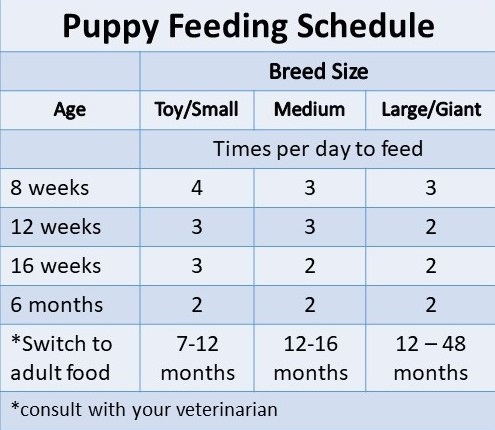
Small breeds mature faster, sometimes ready for adult food by eight months. Large and giant breeds take longer, often 12 to 18 months to mature. Different sizes require different nutrient balances. Check breed-specific guidelines or ask your vet for advice. Matching food to breed size supports proper growth and health.
Ideal Age For Switching
Knowing the right time to switch your dog to adult food helps keep them healthy. Dogs grow at different speeds depending on their breed and size. Feeding adult food too early or too late can affect their growth and energy. Watch for signs like slowing growth and changes in activity to decide the best time. Below is a guide based on breed size to help you.
Small Breeds Timeline
Small dogs grow quickly and reach adulthood faster than larger breeds. Most small breeds are ready for adult food between 9 and 12 months. Examples include Chihuahuas and Dachshunds. Their growth plates close earlier, so switching at this time supports their energy needs.
Medium Breeds Timeline
Medium-sized dogs take a bit longer to mature. They usually need adult food around 12 months of age. Breeds like Beagles and Cocker Spaniels fall in this group. Their growth is steady, so changing food at this stage helps maintain muscle and health.
Large And Giant Breeds Timeline
Large and giant breeds grow slower and need puppy food for longer. Switch to adult food between 12 and 24 months depending on the breed. Examples include Labradors, German Shepherds, and Great Danes. Delaying the switch helps protect their joints and supports slow, healthy growth.
Choosing The Right Adult Dog Food
Choosing the right adult dog food is a crucial step once your furry friend transitions from puppyhood. The food you select impacts their energy, health, and longevity. Understanding what your dog truly needs will help you make a choice that supports their well-being every day.
Nutritional Needs Of Adult Dogs
Adult dogs need a balanced diet rich in proteins, fats, vitamins, and minerals to maintain muscle, support metabolism, and keep their coat shiny. Unlike puppies, their calorie requirements decrease, so the food should match their activity level and size.
Have you noticed how your dog’s energy changes as they grow? Adjusting their food to meet these new nutritional demands prevents weight gain and keeps their joints healthy.
Types Of Adult Dog Food
You’ll find several types of adult dog food: dry kibble, wet canned food, raw diets, and homemade meals. Each has pros and cons depending on your dog’s preferences and health needs.
- Dry kibbleis convenient and helps keep teeth clean.
- Wet foodis more palatable and adds moisture to their diet.
- Raw dietsoffer natural nutrition but require careful preparation to avoid risks.
- Homemade mealsgive you control over ingredients but need vet guidance to ensure balance.
Which type suits your dog’s lifestyle and taste buds? Sometimes mixing types works best to keep mealtime interesting.
Reading Food Labels
Understanding dog food labels can be tricky but essential for making the right choice. Focus on the first few ingredients—look for named meats like chicken or beef rather than vague terms like “meat meal.”
Check for added fillers like corn or wheat, which offer little nutrition. Also, see if the food meets AAFCO standards, which guarantees it provides a complete diet.
Have you ever been confused by terms like “by-products” or “artificial preservatives”? Learning these details helps you avoid low-quality options and pick food that truly benefits your dog.
How To Transition Safely
Switching your dog to adult food is more than just changing the bag at mealtime. How you make that switch can affect your dog’s digestion, appetite, and overall health. Taking a careful approach ensures your furry friend stays happy and comfortable during this change.
Gradual Food Changes
Start by mixing a small amount of adult food with your dog’s current puppy food. Over the next 7 to 10 days, slowly increase the adult food portion while decreasing the puppy food. This slow shift helps your dog’s stomach adjust without causing upset.
Think about how you would feel if your meals suddenly changed overnight—your dog feels the same. A sudden switch can lead to tummy troubles or refusal to eat, so patience is key.
Monitoring For Digestive Issues
Watch for signs like diarrhea, vomiting, or constipation during the transition. These symptoms might mean your dog’s gut isn’t adjusting well. If you spot any of these, slow down the transition or consult your vet.
Remember, every dog is unique. Some handle new food easily, while others need extra time. Keep a close eye and take notes—it helps you understand what works best for your dog.
Adjusting Portions And Frequency
Adult dogs usually need fewer calories than puppies, so adjust the amount of food accordingly. Follow the feeding guidelines on the adult food packaging, but be ready to tweak based on your dog’s weight and activity level.
Consider your dog’s daily routine when deciding meal times. Some dogs do better with two meals a day instead of three. Have you noticed any changes in your dog’s energy or hunger during the transition?
Common Mistakes To Avoid
Switching your dog to adult food is a key step in their growth, but many pet owners make avoidable mistakes during this process. These errors can affect your dog’s health and digestion. Understanding what to avoid helps you make the transition smooth and beneficial for your furry friend.
Switching Too Early Or Late
Changing your dog’s diet before they are ready can cause digestive upset or nutritional gaps. Puppies need specific nutrients that adult food might lack, so switching too early can stunt their growth or weaken their immune system.
Waiting too long to switch can also be a problem. Adult food is formulated to maintain health, not support rapid growth, so staying on puppy food too long might lead to unnecessary weight gain. Pay attention to breed guidelines and consult your vet to find the right timing.
Ignoring Breed Differences
Every dog breed grows at a different pace and has unique nutritional needs. Small breeds often mature faster and need adult food sooner than large breeds, which may take up to two years to fully develop.
Ignoring these differences can cause health issues. For example, large breeds fed adult food too early might not get enough calcium, risking bone problems. Tailoring the switch to your dog’s breed helps avoid these issues.
Overfeeding During Transition
When switching diets, it’s tempting to give extra food to help your dog adjust. However, overfeeding during this phase can lead to weight gain and digestive discomfort.
Gradually mixing adult food with puppy food over 7 to 10 days helps your dog’s system adapt without overeating. Monitor your dog’s weight and appetite closely during this time to avoid surprises.
Veterinarian Recommendations
Puppies usually switch to adult dog food around one year old. Growth slows, and their nutrition needs change. Consulting a vet helps decide the best time to change food safely.
Switching your dog from puppy to adult food is a significant milestone in their life. It’s a decision that shouldn’t be taken lightly. Consulting a veterinarian can provide valuable insights tailored to your dog’s unique needs. They can guide you in making the transition smoothly and ensure your furry friend remains healthy and happy.When To Seek Professional Advice
Understanding when to make the switch can be tricky. It’s not just about age; factors like breed size and growth rate play crucial roles. If you’re uncertain, your vet is the best person to ask for guidance. They can assess your dog’s development and suggest the right timing for the change.Customizing Diet Plans
Each dog is unique, and their diet should reflect that individuality. A vet can help customize a diet plan that caters to your dog’s specific nutritional needs. Whether your dog has allergies or specific health conditions, a personalized plan can make all the difference.Regular Health Checkups
Regular visits to the vet are essential for maintaining your dog’s health. These checkups are perfect opportunities to discuss dietary needs and adjustments. Monitoring your dog’s weight and overall condition helps ensure that their diet continues to meet their needs as they grow older. As you navigate the transition to adult food, consider how these regular checkups can provide peace of mind. They offer a chance to catch any issues early and adjust your dog’s diet as needed. Have you booked your dog’s next vet visit?
Credit: www.chewy.com
Frequently Asked Questions
When Should I Switch My Puppy To Adult Dog Food?
Switch your puppy to adult dog food around 12 months old. Large breeds may need to wait until 18-24 months. This timing supports healthy growth and nutrition tailored to adult dogs.
How Do I Know My Dog Is Ready For Adult Food?
Look for steady growth and adult teeth development. Your vet can confirm if your dog’s growth phase is complete. Once growth slows, it’s safe to switch to adult dog food.
What Are The Signs To Change Dog Food Type?
Signs include slowed growth, increased activity, and changes in appetite. Transitioning to adult food supports energy needs and maintains healthy weight as your dog matures.
Can Switching Food Too Early Harm My Dog?
Yes, switching too early can cause nutritional deficiencies and digestive issues. Puppies need extra nutrients for growth, so wait until they are developmentally ready.
Conclusion
Switching your dog to adult food is an important step. Watch their age and growth signs closely. Most dogs need adult food around one year old. Small breeds might switch earlier, larger breeds later. Healthy eating keeps dogs active and strong.
Always choose a balanced diet for their needs. Consult your vet if unsure about timing. Proper nutrition supports a happy, healthy life. Changing food too soon or too late can cause issues. Pay attention to your dog’s behavior and energy.
Feeding adult food at the right time helps them thrive.