
Are you wondering when you can switch your furry friend to adult dog food? It’s a big step for your dog’s health and growth, and getting the timing just right is important.
Feed them too early, and they might miss out on essential nutrients. Wait too long, and you could be giving them food that no longer meets their needs. You’ll discover exactly when and how to make this change smoothly, so your dog stays happy and healthy every step of the way.
Keep reading to learn the simple signs and expert tips that will make this transition easy for both of you.
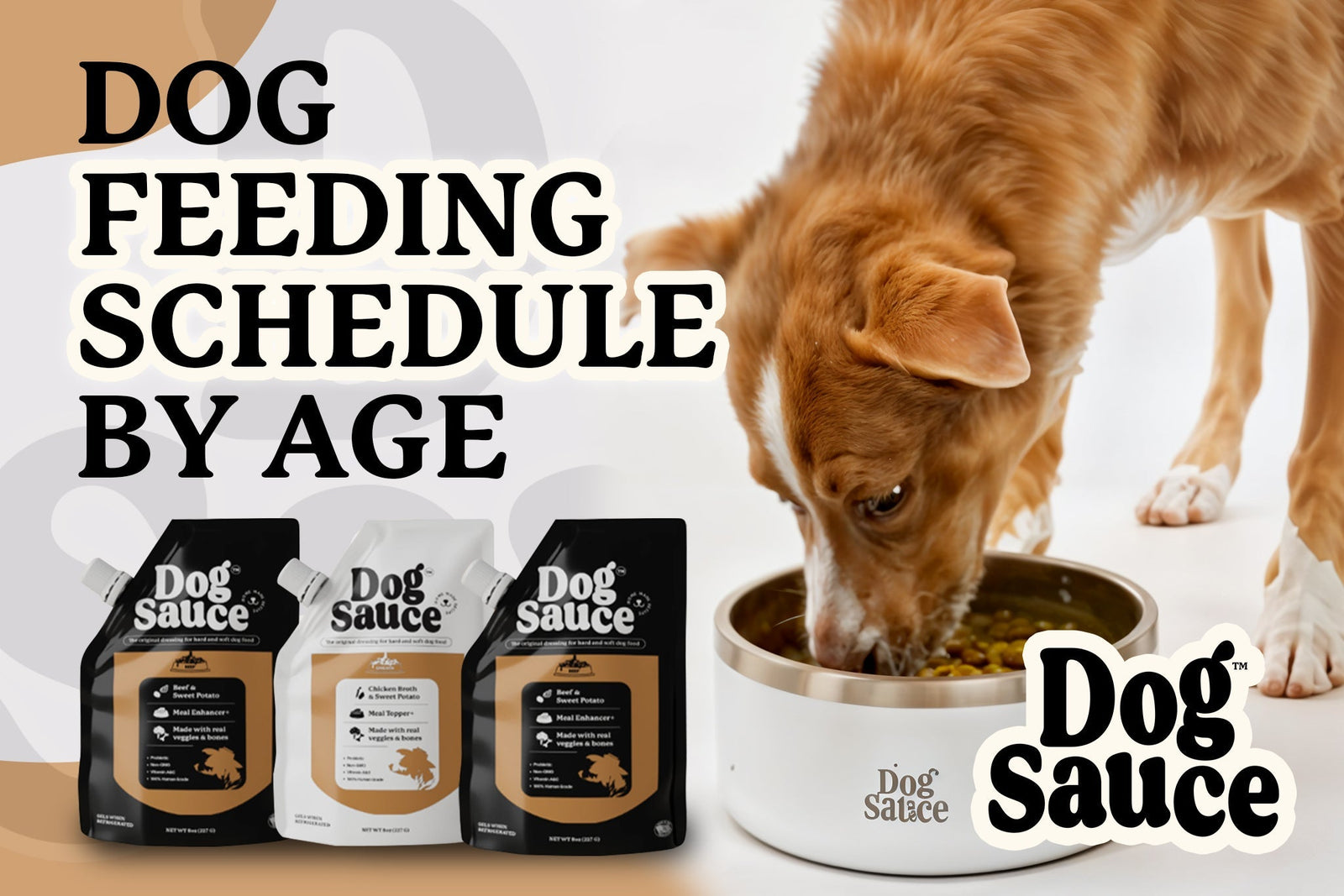
Credit: dogsauce.co
Signs Your Puppy Is Ready
Recognizing when a puppy is ready for adult food is important. Puppies grow fast, and their dietary needs change quickly. Watching for signs helps you switch food at the right time. This ensures your dog stays healthy and happy during growth.
Physical Growth Milestones
Puppies reach certain size and weight milestones before switching. Most puppies start adult food around 9 to 12 months old. Small breeds may mature faster, while large breeds take longer.
- Steady weight gain slows down
- Adult teeth mostly grown in
- Body shape looks more mature
These physical changes show the puppy is ready for adult nutrition.
Behavioral Changes
Behavior shifts as puppies grow. They become less hyperactive and more calm. Appetite changes too, often becoming steadier.
- Less chewing on everything
- More settled during the day
- Eating habits stabilize
These behavioral clues suggest the puppy’s metabolism suits adult food.
Veterinarian Recommendations
Your vet knows your puppy’s health best. Regular check-ups help track growth and diet needs. The vet can advise the best time to switch food.
- Health exams every few months
- Weight and growth monitoring
- Guidance on food types and brands
Follow your vet’s advice for a smooth transition to adult food.
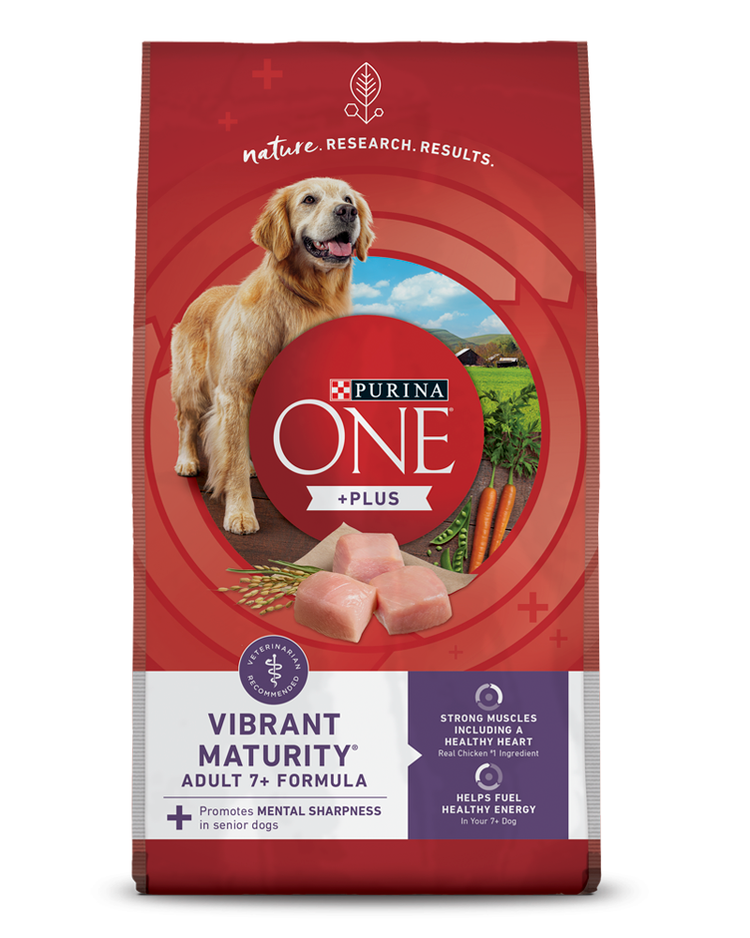
Credit: www.purina.com
Age Guidelines For Switching
Knowing the right age to switch your dog to adult food is crucial for their health and growth. Different breeds develop at different rates, so the timing varies. Feeding adult food too early or too late can affect your dog’s energy, weight, and overall wellbeing.
Small Breeds
Small breeds mature faster than larger dogs. Most small dogs are ready for adult food around 9 to 12 months old. If you wait too long, they might gain unnecessary weight because their metabolism slows down after reaching adulthood.
Watch your dog’s size and behavior closely. If your small dog seems less active or starts gaining weight, it might be time to switch. You don’t want to keep them on puppy food past their growth phase.
Medium Breeds
Medium breeds usually transition to adult food between 12 and 14 months. These dogs grow steadily, so timing the switch depends on their physical development and activity level.
Ask yourself: Is your dog still growing rapidly, or have they started to slow down? If growth has slowed, try introducing adult food gradually. This helps avoid digestive upset and adjusts their diet to their changing needs.
Large Breeds
Large breeds take longer to mature, often needing puppy food until 15 to 24 months. Their bones and joints require extra nutrients during this extended growth period.
Switching to adult food too early can lead to nutritional gaps, affecting bone strength. Monitor their growth carefully and consult your vet before making the transition.
Choosing The Right Adult Food
Dogs can switch to adult food around one year old, depending on their breed and size. Watch for signs like slowed growth and increased energy needs before changing their diet. Choosing the right time supports healthy development and maintains their well-being.
Choosing the right adult food for your dog is crucial. It supports their health and well-being. Transitioning to adult food requires understanding nutritional needs and ingredient quality. This ensures a balanced diet for your pet.Nutritional Needs
Adult dogs have different nutritional requirements than puppies. Ensure the food meets their energy needs. Protein is vital for muscle maintenance. Healthy fats support skin and coat health. Check for balanced vitamins and minerals. This maintains overall health and vitality.Ingredients To Look For
Quality ingredients are key. Look for whole proteins like chicken or beef. Whole grains and vegetables provide essential fiber. Omega fatty acids support brain and vision health. Antioxidants boost the immune system. Ensure ingredients are natural and minimally processed.Avoiding Common Allergens
Some dogs have food allergies. Common allergens include wheat, soy, and corn. Watch for symptoms like itching or digestive issues. Choose grain-free options if necessary. Opt for limited ingredient diets to identify allergens. Always consult a vet for advice on allergies.Transitioning Your Dog’s Diet
Transitioning your dog’s diet from puppy food to adult food is a crucial step that requires attention and care. A sudden switch can upset your dog’s stomach and cause digestive issues. Taking time to transition helps your dog adjust smoothly and maintain good health.
Gradual Food Mixing
Start by mixing a small amount of adult food with your dog’s current puppy food. Gradually increase the adult food portion over 7 to 10 days while reducing the puppy food. This slow change allows your dog’s digestive system to adapt without shock.
For example, on day one, mix 25% adult food with 75% puppy food. By day five, you can aim for a 50-50 mix. Monitoring how your dog reacts during this time is key to knowing if you need to slow down the transition.
Monitoring Digestive Health
Keep a close eye on your dog’s stool and overall behavior during the diet change. Loose stools, vomiting, or lack of appetite could indicate that the new food isn’t settling well. If you notice any of these signs, pause the transition or consult your vet.
Tracking these symptoms helps you catch issues early. Have you ever noticed your dog’s energy levels drop or their stools change after switching food? This observation is your best guide to adjusting the process.
Adjusting Portion Sizes
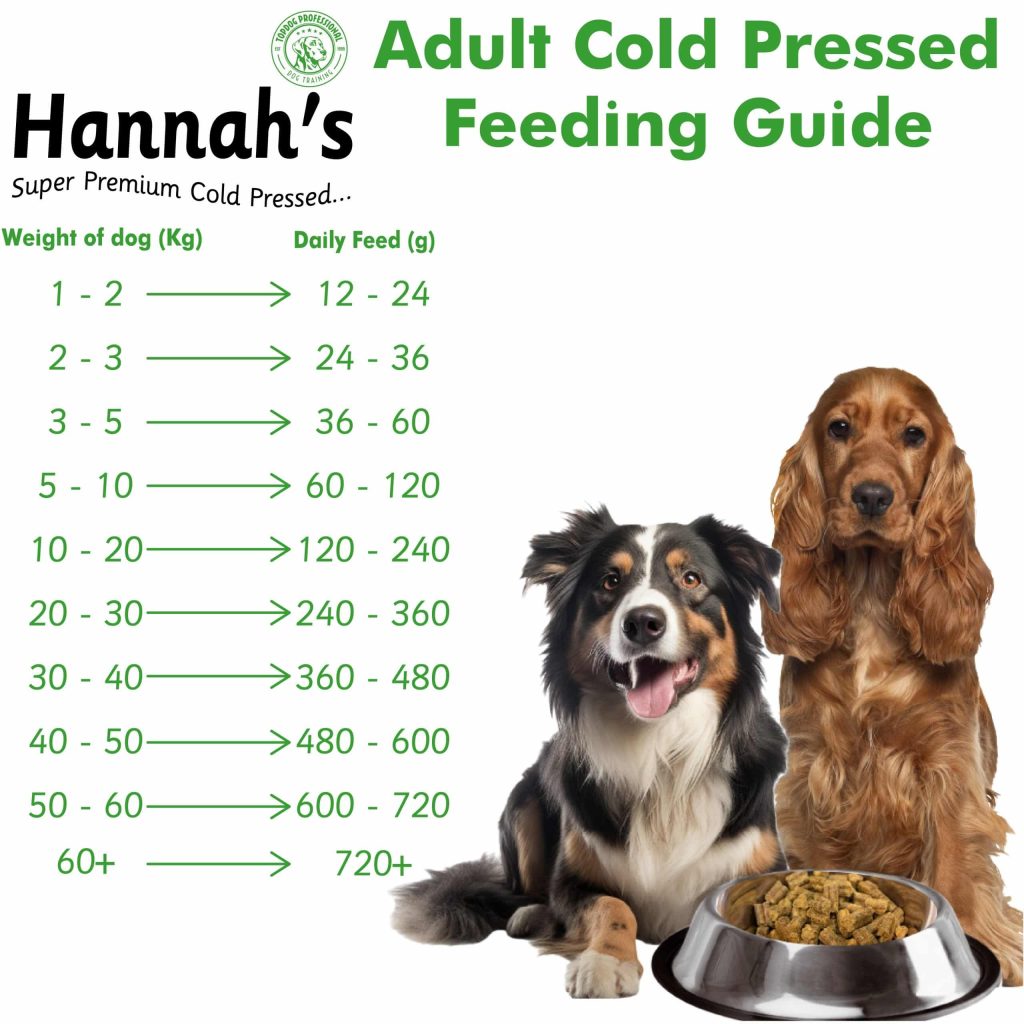
Adult dogs usually need fewer calories than puppies, so adjusting portion sizes is important. Use the feeding guidelines on the adult food package as a starting point, but tailor it to your dog’s activity level and weight.
If your dog starts gaining weight quickly, reduce the portions slightly. On the other hand, if they seem hungry or lose weight, consider increasing the amount. Finding the right balance ensures your dog stays healthy and happy during this change.
Signs To Delay Switching
Knowing when to switch your dog to adult food is important. Some signs show it is better to wait before making the change. These signs help ensure your dog stays healthy and grows properly. Recognizing these signs can prevent problems later.
Health Concerns
Delay switching if your dog shows any health issues. Problems like diarrhea, vomiting, or skin reactions mean wait. Changing food during illness can make symptoms worse. Keep feeding puppy food until your dog is fully healthy.
Incomplete Growth
Dogs still growing need puppy food for proper nutrition. Small breeds may grow faster than large breeds. Large breeds take longer to finish growing. Check your dog’s size and weight. If growth is not complete, hold off on adult food.
Veterinary Advice
Your vet knows best when to switch food. Always ask your vet before making changes. They will consider your dog’s breed, age, and health. Follow their advice to avoid feeding mistakes. This helps your dog stay strong and happy.
Benefits Of Feeding Adult Food On Time
Feeding your dog adult food at the right time supports their overall health and well-being. Puppies and adult dogs have different nutritional needs. Switching to adult food too early or too late can cause problems. Timely feeding helps your dog adjust smoothly and enjoy all the benefits of proper nutrition.
Improved Digestion
Adult dog food contains balanced nutrients for mature digestion. It has the right fiber and protein levels to keep your dog’s stomach calm. Feeding adult food on time reduces digestive upset and diarrhea. It helps your dog absorb vitamins and minerals better. Healthy digestion leads to a happier dog with less stomach discomfort.
Better Energy Levels
Adult food provides the right energy for your dog’s activity level. It has nutrients that support muscle maintenance and stamina. Feeding adult food too late can cause low energy or weight gain. Proper timing keeps your dog active and playful. Your dog will enjoy walks and playtime without tiring quickly.
Long-term Health
Adult dog food supports your pet’s long-term health needs. It helps maintain a healthy weight and strong bones. Timely feeding can reduce risks of obesity and related diseases. Adult formulas often include antioxidants to boost the immune system. Feeding on time sets a foundation for a longer, healthier life.

Credit: jiminys.com
Frequently Asked Questions
When Should I Switch My Dog To Adult Food?
Switch your dog to adult food after they reach one year old. Large breeds may need adult food later, around 18-24 months. Transition gradually over 7-10 days to avoid digestive upset and ensure balanced nutrition for your dog’s size and energy needs.
How To Tell If My Dog Is Ready For Adult Food?
Look for signs like reaching full size, decreased growth rate, and maturity. Puppies eating adult food too early may miss essential nutrients. Consult your vet for breed-specific advice to ensure the switch happens at the optimal time for your dog’s health.
Can Feeding Adult Food Early Harm My Puppy?
Yes, feeding adult food too early can cause nutritional deficiencies. Puppy food contains essential nutrients for growth that adult food lacks. Feeding adult food prematurely may lead to poor bone development and energy shortages. Always follow age and breed recommendations.
How To Transition My Dog To Adult Food Safely?
Gradually mix adult food with puppy food over 7-10 days. Increase adult food portion daily while decreasing puppy food. This helps avoid digestive issues and allows your dog to adjust to the new diet smoothly. Monitor your dog’s health during the transition.
Conclusion
Feeding your dog adult food at the right time keeps them healthy. Most dogs switch around one year old, but check with your vet. Watch your dog’s size, energy, and health to decide the best moment. Changing food too soon or too late can cause problems.
Always choose good quality adult dog food that fits their needs. Caring for your dog’s diet helps them live a happy, strong life. Stay patient and observe your dog’s growth carefully. This way, you give them the best start to adulthood.