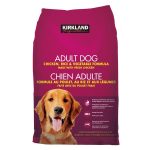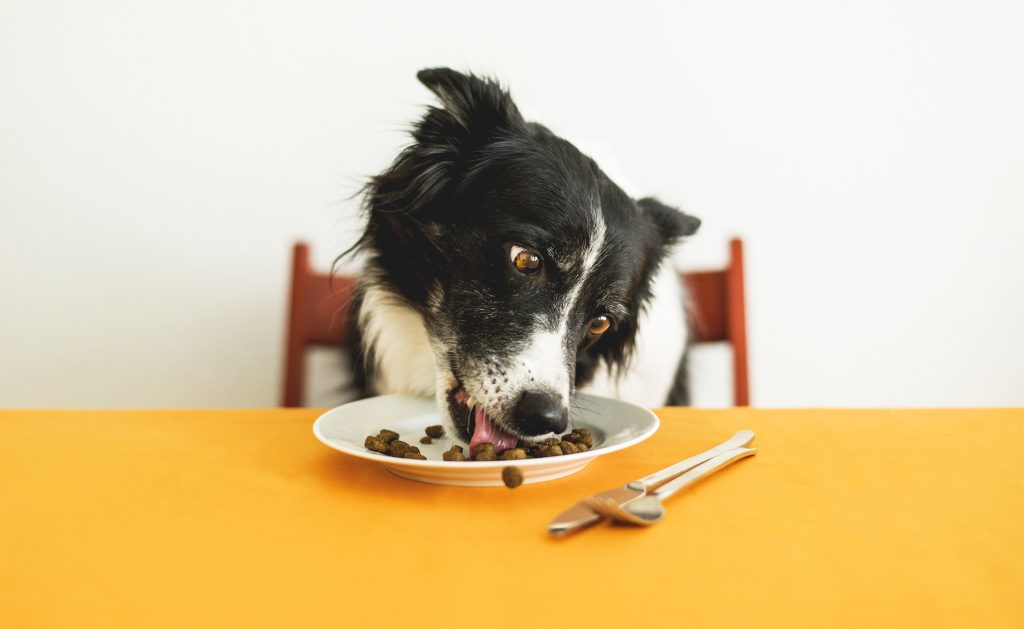

If you have a large breed dog, you know how important it is to give them the right nutrition at every stage of their life. But when exactly should you switch your big furry friend from puppy food to adult food?
Making this change at the right time can affect your dog’s growth, health, and energy levels. Get it wrong, and you might risk problems like obesity or joint issues. Keep reading to discover the signs you should watch for and learn how to make the switch smoothly.
Your dog’s future health depends on it!
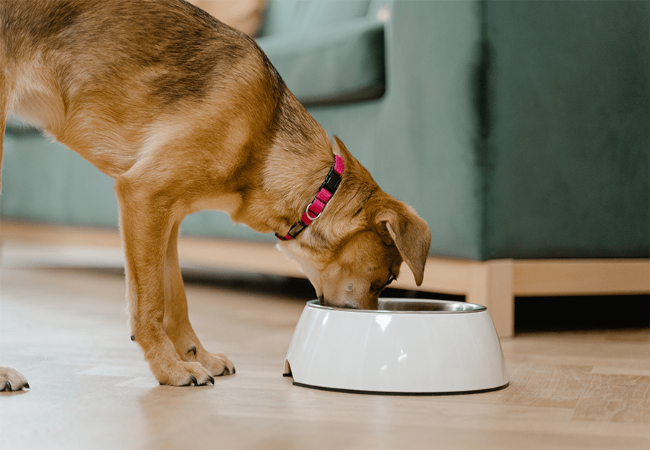
Credit: askavet.com
Growth Stages Of Large Breeds
Large breed dogs grow differently than smaller breeds. Their growth stages last longer and need special care. Knowing these stages helps decide the right time to switch to adult food. This ensures they get the right nutrients for healthy development.
Puppy Phase Duration
Large breed puppies grow rapidly but take more time to mature. This phase usually lasts from birth to about 12-18 months. During this time, they need food that supports bone and muscle growth. Puppy food for large breeds has balanced nutrients to prevent too fast growth.
Adolescence In Large Dogs
Adolescence starts after the puppy phase and can last several months. Growth slows down but their bodies still develop. Behavior changes also happen during this period. Nutritional needs shift gradually from puppy to adult food to maintain health.
Maturity Signs
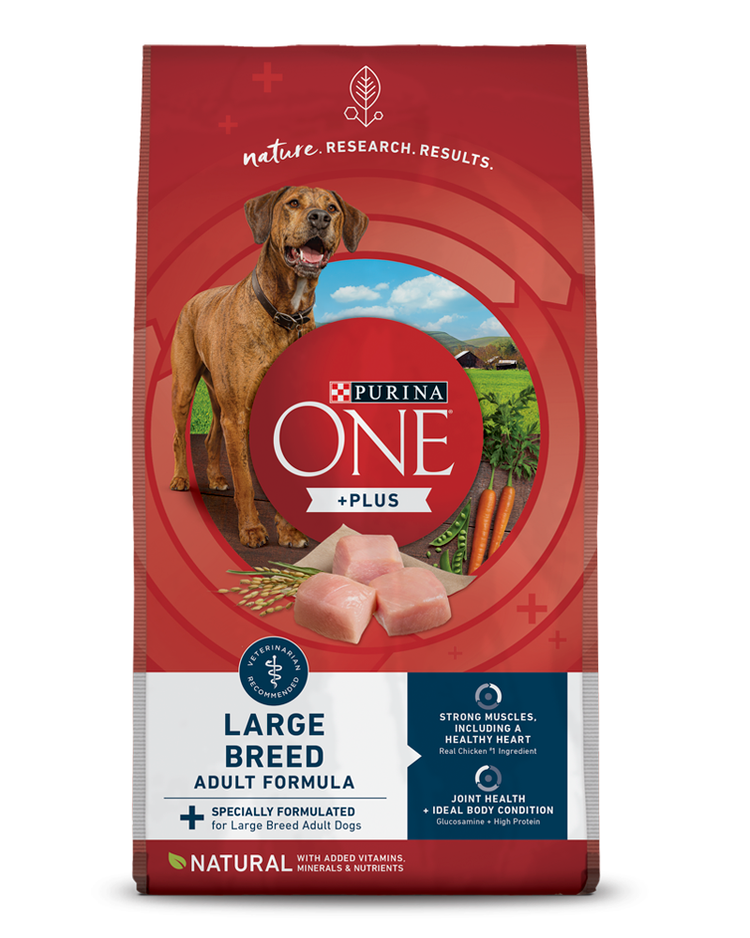
Signs of maturity include steady weight and a full adult coat. Large breeds often reach full size between 18-24 months. Their energy levels may stabilize, and bones and joints stop growing. These signs indicate it is time to switch to adult dog food for balanced nutrition.
Credit: www.purina.com
Nutritional Needs By Age
Dogs need different nutrients as they grow. Their food should match their age and size. Large breed puppies have specific needs for strong bones and muscles. Adult dogs require balanced nutrition to stay healthy and active. Feeding the right food at the right time helps avoid health issues and supports good growth.
Puppy Nutrition Essentials
Large breed puppies need more protein for muscle growth. They require calcium and phosphorus for bone development. Too much energy in food can cause rapid growth and joint problems. Puppies need food designed for slow, steady growth. This food supports healthy weight and strong bones.
Adult Dog Dietary Requirements
Adult large dogs need fewer calories than puppies. Their food must keep their weight steady and joints healthy. Protein is still important but in balanced amounts. Adult dog food has nutrients to support energy and maintain muscle. Fiber helps with digestion and overall health.
Risks Of Premature Switching
Switching to adult food too early can harm growth. Puppies may miss key nutrients needed for bones and muscles. This can lead to weak joints and bone diseases. Early switching may cause nutritional imbalances and health problems. It is best to wait until your dog reaches proper maturity.
Ideal Age For Transition
Knowing the ideal age to switch your large breed dog from puppy food to adult food is crucial for their health and growth. Transitioning too early or too late can affect their development and weight management. The right timing depends on several factors including breed, size, and advice from your vet.
Breed-specific Timelines
Large breeds like Great Danes or Mastiffs grow at different rates compared to medium breeds. While smaller dogs often transition around 9 to 12 months, many large breeds need more time.
For example, Great Danes may not be ready for adult food until they are 18 to 24 months old. This slower timeline supports their prolonged growth phase and helps prevent joint problems.
Have you noticed your large breed puppy still growing rapidly after a year? That’s a good sign to hold off on switching to adult food.
Weight And Size Considerations
Size matters more than age when deciding to switch foods. A large breed puppy nearing their full adult weight is usually ready for adult food.
Tracking your dog’s weight regularly can guide you. If your puppy is within 80-90% of their expected adult weight, it’s likely time to transition.
Keep in mind, switching too soon can lead to excess calcium and calories, increasing the risk of obesity or bone issues. Are you measuring your pup’s growth consistently enough to make this call?
Veterinary Recommendations
Your veterinarian is the best source for personalized advice on when to switch your dog’s diet. They can evaluate growth patterns and overall health to recommend the perfect timing.
During routine check-ups, ask your vet about your pup’s growth milestones and diet needs. They might suggest a gradual transition over several weeks to avoid digestive upset.
Remember, vets often adjust recommendations based on your dog’s activity level and any health concerns. Have you scheduled regular vet visits to monitor your pup’s progress?
How To Switch Dog Food
Switching your large breed dog to adult food needs careful attention. Abrupt changes can upset their stomach or cause food refusal. A smooth switch helps keep your dog healthy and happy during this important transition.
Gradual Transition Steps
Start by mixing a small amount of adult food into your dog’s current puppy food. Aim for about 25% adult food and 75% puppy food for the first few days. Over the next 7 to 10 days, slowly increase the adult food portion while decreasing the puppy food.
This slow change gives your dog’s digestive system time to adjust. Have you noticed how some dogs react immediately to new tastes? A gradual approach helps prevent that reaction from turning into a refusal.
Monitoring Dog’s Reaction
Watch your dog closely during the transition. Look for signs like loose stools, vomiting, or loss of appetite. These symptoms might mean the change is too fast or the new food doesn’t agree with them.
Keep a journal of your dog’s eating habits and bathroom routine. Noticing even small changes early can save you from bigger problems later.
Adjusting Portions
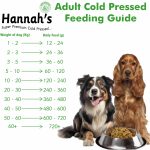
Adult dog food often has different calorie and nutrient levels than puppy food. You might need to adjust the amount you feed to maintain your dog’s ideal weight and energy. Use feeding guidelines on the package as a starting point but observe your dog’s body condition closely.
Does your dog seem hungry after meals or is weight creeping up? Adjust portions accordingly and consult your vet if you’re unsure. It’s about finding the right balance that suits your dog’s age, size, and activity level.
Signs Your Dog Is Ready
Signs like steady growth and adult teeth show your large breed dog may be ready for adult food. Changes in energy and digestion also hint at the right time to switch. Watch your dog’s behavior for these clues.
When your large breed dog reaches a certain age and size, it’s crucial to consider transitioning them to adult food. But how do you know when it’s the right time? Observing specific signs can help you make this important decision. Pay attention to your dog’s behavior, physical development, and energy levels. These indicators will guide you in ensuring your furry friend gets the nutrition they need for their adult years.Behavioral Changes
You might notice your dog’s behavior shifting as they mature. Puppies tend to be curious and playful, but as they age, they may become more relaxed and less interested in constant play. This calmer demeanor is a sign they’re growing up and might be ready for adult food. Additionally, if your dog starts showing independence, like being less clingy, it may indicate maturity. You might even find them responding better to training commands. Such behavioral changes often hint at a developmental milestone.Physical Development Indicators
Physical growth is another crucial sign. Large breed dogs grow rapidly, but this growth begins to slow down as they approach adulthood. You might notice their legs and body filling out rather than just lengthening. This is often a sign they are physically ready for adult nutrition. Check their weight. If your dog’s weight gain has plateaued and they’re maintaining a stable, healthy weight, it may be time to switch foods. Their teeth also change; adult teeth should have replaced puppy teeth, indicating a readiness for adult kibble.Energy Level Shifts
Energy levels can provide insight into your dog’s growth stage. Puppies are full of boundless energy, but as they mature, you may notice their energy levels stabilize. They might not require as many intense play sessions or as much running around. If your dog seems content with moderate activity and doesn’t tire easily, this is a good sign they’re maturing. An adjustment in their energy needs often signals they’re ready for an adult diet. Is your dog ready for the switch? Observing these signs closely will help you decide the optimal time to transition to adult food, supporting your dog’s health and happiness.Common Mistakes To Avoid
Switching your large breed dog to adult food is a crucial step that requires careful attention. Many dog owners make simple mistakes that can affect their pet’s health and growth. Avoiding these pitfalls helps ensure a smooth transition and supports your dog’s well-being.
Switching Too Early
Changing to adult food before your dog is ready can lead to nutritional gaps. Large breeds grow slower than small breeds, so switching too soon might stunt their development or cause joint problems. Watch your dog’s growth signs, not just age, to decide the right time.
Ignoring Dog’s Specific Needs
Every large breed has unique dietary requirements. Feeding a generic adult formula without considering breed, activity level, or health can cause issues. Ask yourself: Does your dog need extra joint support or calorie control? Tailor the diet to match those needs.
Overfeeding During Transition
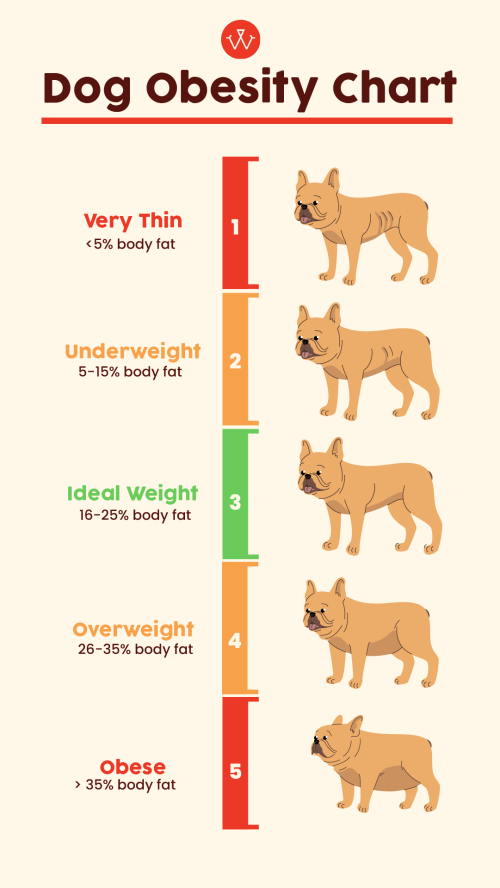
When changing food, it’s easy to accidentally give too much. Overfeeding can cause weight gain and digestive upset. Gradually mix the new food with the old and reduce portions to keep your dog’s weight steady during the switch.
Credit: wefeedraw.com
Frequently Asked Questions
When Should I Switch My Large Breed Puppy To Adult Food?
Switch your large breed puppy to adult food around 12 to 18 months. This timing supports healthy growth and avoids nutritional imbalances. Monitor your dog’s size and activity levels to decide the best switch time.
Why Is Adult Food Important For Large Breed Dogs?
Adult food contains balanced nutrients tailored for mature large breeds. It helps maintain joint health, supports a healthy weight, and reduces the risk of growth-related issues common in large dogs.
Can Switching To Adult Food Too Early Harm My Dog?
Yes, switching too early can lead to inadequate nutrition for growth. Puppies need higher protein and calories, so premature switching may stunt development or cause health problems.
How Do I Transition My Dog To Adult Food Smoothly?
Transition gradually over 7 to 10 days by mixing increasing amounts of adult food with puppy food. This helps prevent digestive upset and allows your dog to adjust comfortably.
Conclusion
Switching your large breed dog to adult food at the right time helps their health. Usually, this happens between 12 and 18 months of age. Watch for signs like slower growth or changes in energy. Choose food made for large breeds to support strong bones and joints.
Always check with your vet if you are unsure. Feeding the right food keeps your dog happy and healthy for years. Small changes now make a big difference later. Take your time and observe your dog closely. Your care matters most.