
Are you wondering if a grain free diet is really bad for your dog? You’ve probably heard mixed opinions and feel confused about what’s best for your furry friend.
Choosing the right food is one of the most important decisions you make for your dog’s health. What if the diet you trust could actually cause harm? Keep reading to discover the facts, avoid common mistakes, and learn how to make the best choice for your dog’s well-being.
Your dog’s health depends on it.
Credit: wefeedraw.com
Grain Free Diet Basics
A grain free diet for dogs has grown in popularity recently. Many pet owners want to know what it means and whether it is good for their pets. Understanding the basics of grain free dog food helps make better choices.
What Is Grain Free Dog Food
Grain free dog food contains no wheat, corn, rice, or barley. Instead, it uses other ingredients like potatoes, peas, or lentils. These foods aim to mimic a dog’s natural diet by focusing on proteins and vegetables. Grain free formulas come in dry kibble, canned food, and treats.
Common Grains And Their Role
Grains such as wheat, corn, oats, and rice provide carbohydrates and energy for dogs. They also supply fiber, vitamins, and minerals. Grains help with digestion and keep the dog’s stool firm. Many dogs digest grains well and get nutrients from them.
Why Owners Choose Grain Free
- Concern about allergies or food sensitivities
- Belief that grains cause inflammation or health issues
- Following trends or advice from other pet owners
- Preference for a diet closer to wild ancestors
- Seeking options for dogs with digestive problems
Myths About Grain Free Diets
Many dog owners hear mixed opinions about grain free diets. Some believe these diets are harmful, while others think they are the best choice for their pets. Let’s clear up common myths that often confuse people when deciding what to feed their dogs.
Grains Are Toxic To Dogs
You might have heard that grains are poisonous to dogs, but that’s not true. Dogs can safely digest many types of grains like rice, oats, and barley. These grains provide essential nutrients and energy that support your dog’s overall health.
Think about your dog’s natural diet. Wild canines eat a variety of foods, including small amounts of plant material. Grains aren’t toxic—they’re just one option among many for balanced nutrition.
Grain Free Means Healthier
Just because a dog food says “grain free” doesn’t guarantee it is healthier. Some grain free diets replace grains with other ingredients like potatoes or peas, which might not always be better. It’s important to read the ingredient list carefully rather than trusting labels alone.
Ask yourself: Does the food meet your dog’s nutritional needs? Healthier depends on the right balance of proteins, fats, and carbohydrates, not just the absence of grains.
All Grains Cause Allergies
Many assume grains cause allergies in dogs, but allergies to grains are actually quite rare. More often, dogs react to specific proteins like beef or dairy. If your dog has an allergy, a vet can help identify the true cause.
Eliminating all grains without knowing the real trigger may not improve your dog’s health. Have you noticed any signs of allergies in your dog? Pinpointing the right cause is key to effective treatment.
Health Benefits Linked To Grain Free
Many pet owners choose grain free diets for their dogs due to potential health benefits. This diet removes grains like wheat, corn, and rice from dog food. Some believe it helps improve digestion and reduce allergies. Others think it supports better weight control. Let’s explore these claims in detail.
Improved Digestion Claims
Grain free diets often include ingredients like sweet potatoes and peas. These can be easier for some dogs to digest than grains. Some dogs with sensitive stomachs may experience less gas and bloating. Better digestion means your dog may feel more comfortable after meals. Still, results vary depending on the dog’s unique needs.
Reduced Allergic Reactions
Grains are sometimes linked to food allergies in dogs. Removing grains might reduce symptoms like itching, redness, or ear infections. Grain free diets focus on novel proteins and vegetables. This can help dogs with grain sensitivities. Always watch for signs of allergies and consult a vet for proper diagnosis.
Weight Management Effects
Grain free foods often contain higher protein and fat levels. This can help dogs feel full longer and build muscle. Some dogs may find it easier to maintain a healthy weight on grain free diets. Portion control and regular exercise remain important for weight management. Not all dogs need grain free food for weight control.
Health Risks Of Grain Free Diets
Grain free diets for dogs have gained popularity, but they carry health risks. These diets remove grains and replace them with other ingredients. Some of these changes may affect your dog’s well-being. Understanding these risks helps you make better choices for your pet’s nutrition.
Dilated Cardiomyopathy Concerns
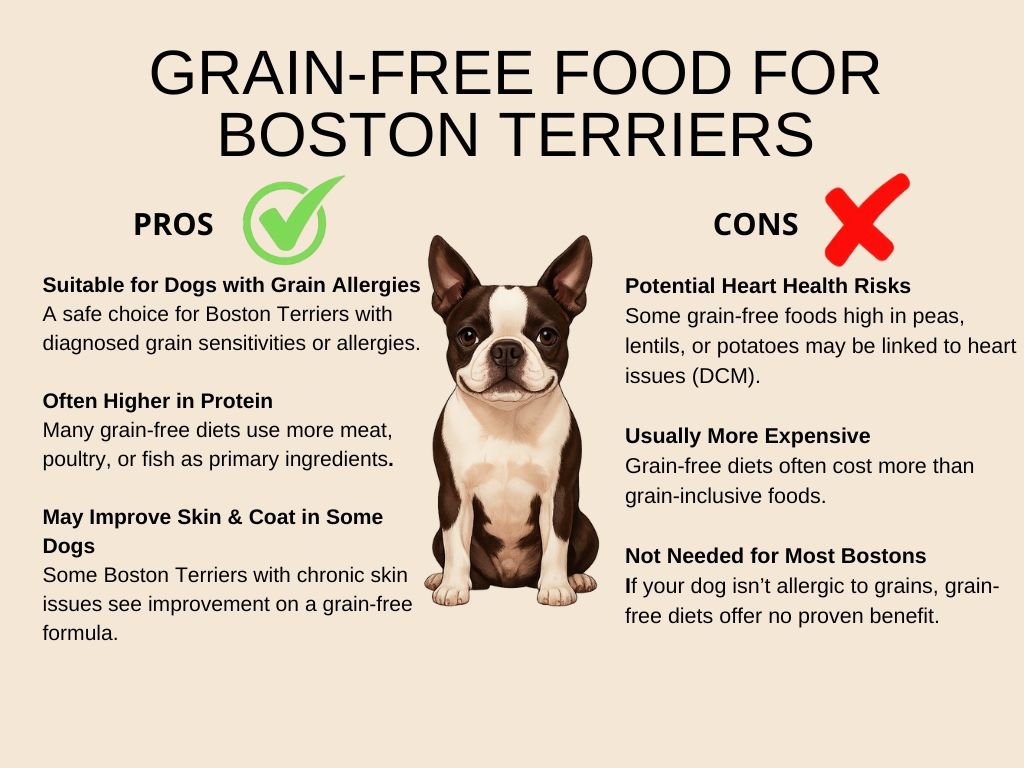
Some grain free diets link to heart disease called dilated cardiomyopathy (DCM). DCM weakens the heart muscle and reduces its ability to pump blood. Studies show certain grain free foods may contribute to this condition. Dogs on these diets might develop symptoms like weakness and difficulty breathing.
Nutritional Imbalance Issues
Grain free diets can lack essential nutrients. Grains often provide fiber, vitamins, and minerals important for health. Without grains, diets might miss these key elements. This imbalance can cause digestive problems and poor energy levels. Proper nutrition is vital for your dog’s growth and vitality.
Potential For Ingredient Substitutes
Removing grains means using alternative ingredients. These substitutes may include potatoes, peas, or lentils. Some dogs may not tolerate these well, causing allergies or stomach upset. Ingredient quality and variety matter for a balanced diet. Careful label reading ensures your dog gets safe nutrition.
Scientific Research Findings
Scientific research on grain-free diets for dogs reveals a mix of concerns and potential benefits. Understanding these findings helps you make an informed choice for your pet’s health. Let’s dive into what studies and experts say about this popular diet trend.
Studies Supporting Risks
Some studies highlight risks linked to grain-free diets, especially regarding heart health. Research by the FDA has investigated a possible connection between grain-free dog foods and canine dilated cardiomyopathy (DCM), a serious heart condition. The findings suggest that certain grain-free diets, often high in peas, lentils, or chickpeas, might contribute to this risk in some dogs.
However, not every dog on a grain-free diet develops DCM, which raises questions about other factors like genetics or overall nutrition. This uncertainty means you should watch your dog’s health closely if you choose a grain-free option.
Research On Benefits
On the flip side, many studies show benefits to grain-free diets, especially for dogs with allergies or digestive issues. Removing grains can reduce inflammation and improve skin and coat health in sensitive dogs. Some dogs also experience better digestion and more energy after switching to grain-free food.
Still, these benefits depend heavily on the quality of the diet and the individual dog’s needs. Are you noticing any allergy symptoms or digestive problems in your dog? Trying a grain-free diet might be worth considering with your vet’s advice.
Expert Opinions
Veterinarians and pet nutritionists offer varied opinions on grain-free diets. Some warn about the potential heart risks and recommend sticking to balanced diets that include grains. Others emphasize the importance of tailoring diets to your dog’s specific health conditions and lifestyle.
Experts agree that no one diet fits all dogs. Consulting a veterinary nutritionist can help you decide if grain-free is right for your dog and how to ensure it meets all their nutritional needs.
Credit: bostonterrierblog.com
Choosing The Right Diet
Grain-free diets for dogs often raise concerns about nutrient balance and heart health. Some dogs benefit from avoiding grains, but others may need them for energy. Choosing the right diet depends on your dog’s specific health needs and veterinarian advice.
Choosing the right diet for your dog can feel overwhelming. With so many options available, how do you determine what’s truly best for your furry friend? A grain-free diet is a popular choice, but is it the right one for your dog?Assessing Your Dog’s Needs
Every dog is unique, with its own set of dietary requirements. Consider factors like age, breed, size, and activity level. A young, active Labrador may need a different diet than a senior Chihuahua. Pay attention to any allergies or sensitivities your dog may exhibit. Does your dog scratch more after meals, or have a sensitive stomach? These could be indicators that a change is needed.Consulting Veterinarians
Before making any significant changes to your dog’s diet, consulting a veterinarian is crucial. They can provide insights specific to your dog’s health and nutritional needs. A vet can also help you weigh the pros and cons of a grain-free diet. During a visit, be open about any concerns or observations you’ve noticed in your dog. This partnership ensures your dog’s diet supports its overall well-being.Reading Ingredient Labels
Understanding ingredient labels can empower you to make informed choices. Look for high-quality proteins as the first ingredient. Avoid fillers and artificial additives. Grain-free doesn’t always mean healthier, as some substitutes may not be beneficial. Check for balanced nutrients, ensuring your dog receives a complete diet. Remember, a short list of recognizable ingredients is often a good sign.Alternatives To Grain Free Food
Choosing the right diet for your dog is important for their health. Grain free food is not the only option. Some dogs do better on other diets that suit their needs. These alternatives can help manage allergies, sensitivities, or digestion problems.
Exploring different diets gives you choices that might fit your dog better. It also helps avoid risks linked to grain free diets. Let’s look at some good alternatives to grain free food.
Limited Ingredient Diets
Limited ingredient diets use fewer components to lower allergy risks. They focus on simple recipes with one protein and one carbohydrate source. This makes it easier to identify food reactions.
These diets help dogs with sensitive stomachs or food allergies. Common ingredients include sweet potatoes, peas, and novel proteins like duck or venison. Always check labels for hidden grains or fillers.
Hypoallergenic Options
Hypoallergenic dog foods are designed to reduce allergic reactions. They use hydrolyzed proteins, which are broken down into tiny pieces. This makes them less likely to trigger allergies.
These diets support dogs with severe allergies or skin problems. They often exclude common allergens like wheat, corn, and soy. Talk to your vet to find the best hypoallergenic food for your pet.
Homemade Dog Food Choices
Preparing homemade meals lets you control every ingredient. You can avoid grains or include them based on your dog’s needs. Cooking fresh food ensures better quality and fewer additives.
Use balanced recipes that include proteins, vegetables, and grains in moderation. Consult a vet or pet nutritionist to ensure your dog gets all nutrients. Homemade food can support health and suit picky eaters well.

Credit: wefeedraw.com
Frequently Asked Questions
What Is A Grain Free Diet For Dogs?
A grain free diet excludes wheat, corn, rice, and other grains. It focuses on proteins, vegetables, and fruits. This diet aims to reduce allergies and improve digestion in some dogs.
Are Grain Free Diets Safe For All Dogs?
Grain free diets are safe for most dogs but not necessary for all. Some dogs with allergies may benefit, but consult a vet before switching diets.
Can Grain Free Diets Cause Health Problems?
Some studies link grain free diets to heart issues in dogs. However, more research is needed. Always monitor your dog’s health and consult a vet.
Do Dogs Need Grains In Their Diet?
Dogs don’t require grains to thrive. They get energy from proteins and fats. Grains can provide fiber and nutrients but aren’t essential.
Conclusion
Grain free diets for dogs have both pros and cons. Some dogs may feel better without grains. Others might miss important nutrients grains provide. Always watch your dog’s health closely. Talk to your vet before changing food. Choose a diet that fits your dog’s needs.
Balance and variety matter most in pet diets. Keep your dog happy and healthy every day.