Are you curious about what a grain free raw diet for dogs really means? If you want the best nutrition for your furry friend, understanding this diet could make a big difference.
Imagine feeding your dog meals that mimic what their ancestors ate, packed with natural ingredients and free from grains that might cause problems. This approach could improve your dog’s health, energy, and happiness. Keep reading to discover what a grain free raw diet involves and how it could benefit your loyal companion.

Credit: www.gosupps.com
Grain Free Raw Diet Basics
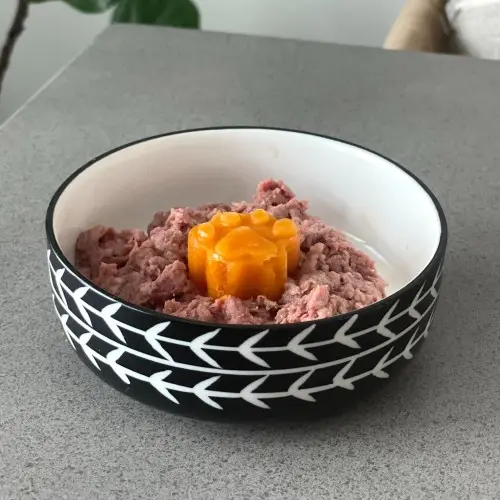
A grain free raw diet for dogs focuses on feeding natural, uncooked foods without grains. This diet mimics what wild dogs might eat in nature. It aims to provide balanced nutrition while avoiding common allergens found in grains. Many dog owners choose this diet to improve digestion, coat health, and energy levels.
Key Ingredients
- Raw meat such as beef, chicken, or lamb
- Organs like liver and kidney for essential nutrients
- Raw bones for calcium and dental health
- Vegetables such as carrots and spinach for vitamins
- Fruits like apples or blueberries for antioxidants
- Supplements like fish oil or probiotics, if needed
Why Remove Grains
Grains can cause allergies or digestive issues in some dogs. They are often fillers in commercial dog food and lack essential nutrients. Removing grains helps reduce inflammation and supports better nutrient absorption. Many dogs on grain free diets show improved skin and coat condition.
Raw Vs Cooked
Raw food keeps natural enzymes and nutrients intact. Cooking can destroy some vitamins and enzymes. Raw diets may improve digestion and energy. However, raw food needs careful handling to avoid bacteria. Cooked diets are safer but might lack some nutrients. Choosing between raw or cooked depends on dog’s health and owner’s preference.
Credit: wefeedraw.com
Health Benefits For Dogs
A grain free raw diet offers many health benefits for dogs. This diet focuses on natural, unprocessed foods without grains. Dogs often digest these foods better. They also show fewer allergy symptoms and have healthier skin and coats. Energy levels tend to rise as well.
Improved Digestion
Grains can be hard for some dogs to digest. A grain free raw diet includes proteins and vegetables that are easier on the stomach. This can reduce bloating and gas. Dogs often have firmer, healthier stools. Better digestion means dogs feel more comfortable and active.
Allergy Reduction
Many dogs are allergic to grains like wheat, corn, or soy. Removing these from the diet lowers allergy symptoms. Dogs may itch less and have fewer ear infections. This diet can help dogs with sensitive stomachs or skin problems.
Better Coat And Skin
Raw diets provide natural oils and nutrients. These help keep a dog’s skin moist and healthy. The coat becomes shinier and softer. Reduced inflammation from allergies also improves skin condition. A healthy coat shows a dog’s overall wellness.
Increased Energy Levels
Dogs fed a grain free raw diet often have more energy. They feel livelier and more playful. The natural nutrients support muscle health and stamina. This diet fuels dogs better for daily walks and exercise.
Potential Risks And Considerations
Grain free raw diets may lack essential nutrients if not balanced properly. Some dogs could face digestive issues or allergies. Careful planning and vet advice help reduce these risks.
A grain-free raw diet for dogs might seem like a natural choice for many pet owners, but it’s crucial to weigh the potential risks and considerations before making the switch. While this diet can offer benefits, such as improved coat condition and increased energy levels, it also poses certain challenges. Understanding these risks can help you make an informed decision for your furry friend.Nutritional Balance
Ensuring your dog gets a balanced diet is critical. A grain-free raw diet often lacks essential nutrients if not carefully planned. Protein is vital, but so are vitamins and minerals that grains typically provide. To fill these gaps, consider incorporating supplements or consulting with a vet. A professional can guide you in choosing the right combination of ingredients for a balanced meal. Have you checked if your dog’s diet meets all their nutritional needs?Food Safety
Handling raw meat carries risks of bacterial contamination. Pathogens like Salmonella and E. coli can be harmful not just to dogs, but also to humans handling the food. To mitigate these risks, practice safe handling and preparation techniques. Always wash your hands and clean all surfaces thoroughly after handling raw food. Have you thought about how to keep your kitchen safe while preparing your dog’s meals?Transitioning Tips
Switching your dog to a grain-free raw diet requires patience. Rapid changes can upset their digestive system, leading to discomfort. Begin by gradually introducing raw components into their existing diet. Monitor your dog’s reaction and adjust the transition pace as needed. Are you prepared to observe and adapt to your dog’s specific dietary needs during this transition?Choosing The Right Grain Free Raw Diet
Choosing the right grain free raw diet for your dog can feel overwhelming. There are many options and factors to consider, especially when you want to make sure your furry friend stays healthy and happy. Understanding the differences between commercial and homemade diets, knowing which nutrients are essential, and getting professional advice can make your decision easier and more confident.
Commercial Vs Homemade
Commercial grain free raw diets offer convenience and consistency. They are often balanced and formulated to meet your dog’s nutritional needs. Brands typically use high-quality ingredients and follow strict safety standards.
Homemade diets give you full control over what goes into your dog’s meals. You can tailor recipes to your dog’s preferences and any specific health issues. However, it takes time, research, and careful planning to ensure the diet is complete and safe.
Have you considered how much time you can realistically spend preparing meals? Convenience might be key, but homemade food allows for customization you can’t get from store-bought options.
Essential Nutrients
Protein is the foundation of a grain free raw diet. Dogs need animal-based proteins like chicken, beef, or fish for muscle health and energy. Fat is another critical nutrient, providing calories and supporting skin and coat condition.
Calcium and phosphorus support strong bones and teeth. These minerals are often added through ground bones or supplements. Vitamins and minerals from organ meats help fill nutritional gaps and boost your dog’s immune system.
Missing even one essential nutrient can affect your dog’s health over time. Are you confident the diet you choose covers all bases?
Consulting A Vet
Your veterinarian is your best resource when switching to a grain free raw diet. They can help you identify any special dietary needs based on your dog’s age, breed, or medical history. A vet can also recommend supplements or adjustments to avoid nutrient deficiencies.
Regular check-ups ensure your dog is thriving on the new diet. Blood tests and physical exams reveal how well the diet supports your dog’s health. Wouldn’t you want peace of mind knowing your dog’s diet is both safe and effective?
Feeding Guidelines And Portions
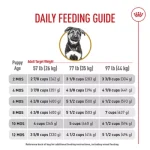
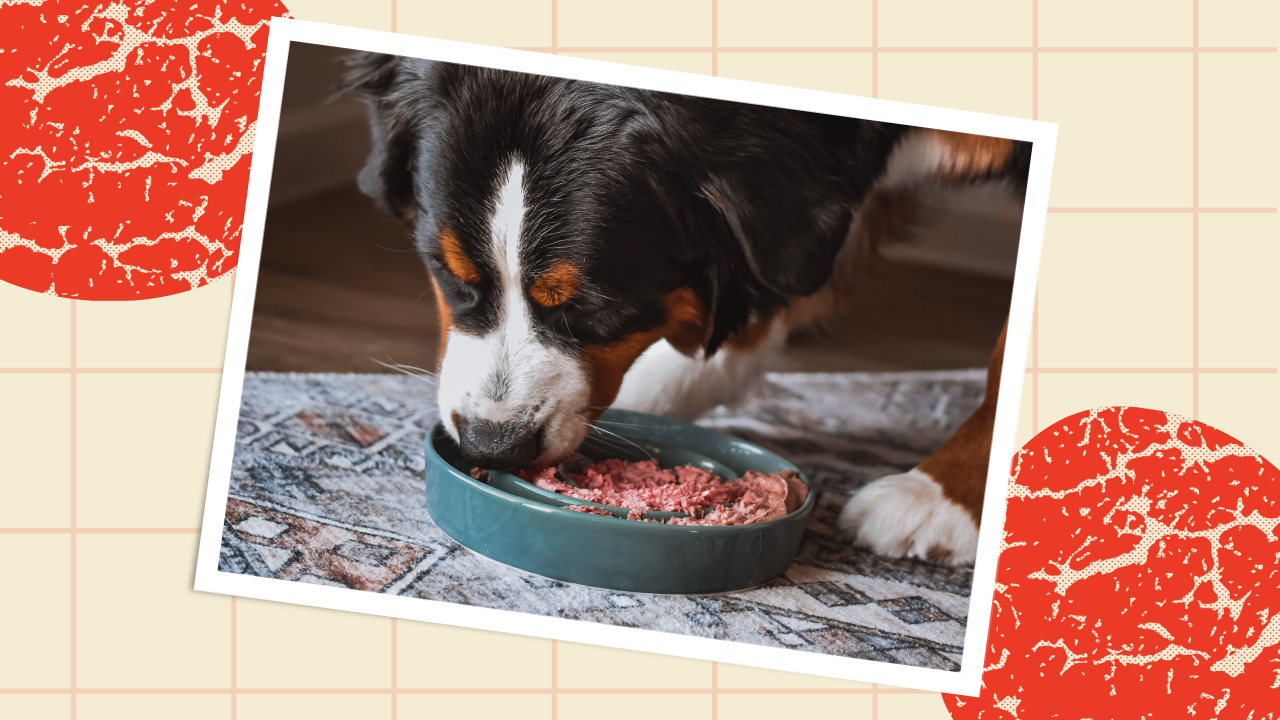
Feeding your dog a grain free raw diet requires careful attention to guidelines and portions. Proper feeding ensures your dog gets the right nutrients and stays healthy. Portion sizes and meal frequency depend on several factors. Monitoring your dog’s health helps adjust the diet as needed.
Age And Size Factors
Age and size influence how much food your dog needs daily. Puppies and young dogs need more calories for growth. Large breeds require more food than small breeds. Senior dogs often need fewer calories to avoid weight gain.
Use your dog’s weight and activity level to estimate portions. Adjust the amount if your dog gains or loses weight.
Meal Frequency
Meal frequency varies by age and lifestyle. Puppies benefit from three to four small meals daily. Adult dogs usually do well with two meals per day. Some dogs with sensitive digestion may prefer smaller, more frequent meals.
Keep meal times consistent. This helps regulate digestion and energy levels.
Monitoring Your Dog’s Health
Watch your dog’s weight and energy after changing diets. Look for signs like loose stools or lack of energy. Regular vet check-ups help track health and nutrient balance.
Adjust portion sizes or ingredients if health issues arise. A balanced diet supports a happy, active dog.
Credit: wefeedraw.com
Frequently Asked Questions
What Is A Grain Free Raw Diet For Dogs?
A grain free raw diet for dogs excludes grains like wheat and corn. It focuses on raw meat, vegetables, and fruits. This diet aims to mimic a dog’s natural ancestral eating habits. It supports better digestion and reduces allergies in some dogs.
Are Grain Free Raw Diets Healthy For Dogs?
Yes, grain free raw diets can be healthy if balanced. They provide essential nutrients, proteins, and fats naturally. Always consult a vet to ensure the diet meets your dog’s specific needs. Proper preparation and hygiene are crucial to avoid health risks.
How Does A Grain Free Raw Diet Benefit Dogs?
This diet improves digestion, skin health, and energy levels. It often reduces allergies caused by grains and fillers. Dogs may have healthier coats and stronger immune systems. Many owners report improved overall vitality and fewer digestive issues.
Can All Dogs Eat A Grain Free Raw Diet?
Most dogs can eat a grain free raw diet, but not all. Puppies, seniors, or dogs with health issues need tailored nutrition. Always consult your vet before changing your dog’s diet. Individual needs and conditions influence suitability.
Conclusion
A grain free raw diet for dogs focuses on natural, meat-based foods without grains. Many dogs show better digestion and more energy on this diet. It can reduce allergies and improve skin health. Always choose high-quality ingredients for your dog’s meals.
Consult your vet before changing your dog’s diet. Feeding your dog a grain free raw diet takes care and attention. It can support a happier, healthier pet in the long run. Worth trying for dogs with grain sensitivities or picky eaters?
Definitely.