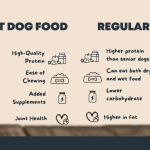

Are you wondering if it’s okay to feed your adult dog puppy food? You’re not alone.
Many dog owners ask this question because they want the best for their furry friends. But giving your adult dog the wrong food could affect their health in ways you might not expect. Before you make a decision, it’s important to understand what puppy food really does and how it compares to adult dog food.
Keep reading to find out if feeding your adult dog puppy food is a good idea—or if it might be doing more harm than good.
Differences Between Puppy And Adult Dog Food
Understanding the differences between puppy and adult dog food is key to making the right choice for your pet’s health. Each type of food is specially designed to meet the unique needs of dogs at different stages of life. Feeding the wrong type might seem harmless, but it can impact your dog’s well-being over time.
Nutritional Needs For Puppies
Puppies are growing rapidly, so they need more nutrients to support their development. Their food is packed with higher levels of protein, fat, vitamins, and minerals to build strong bones and muscles. Essential fatty acids like DHA are added to support brain and eye development.
Have you noticed how your puppy seems to have endless energy? This is thanks to their nutrient-rich diet that fuels their growth and activity. Skimping on these nutrients can slow their growth or affect their immune system.
Nutritional Needs For Adult Dogs
Adult dogs require balanced nutrition to maintain their health without gaining excess weight. Their metabolism slows down compared to puppies, so adult dog food has fewer calories and less fat. It focuses on maintaining muscle mass and supporting joint health.
Feeding adult dogs food formulated for their stage helps prevent obesity and related health issues. It also contains nutrients to keep their skin and coat healthy, which is essential as they age.
Calorie And Protein Content Comparison
| Type of Food | Calorie Content (per cup) | Protein Content (%) |
|---|---|---|
| Puppy Food | 400-500 kcal | 22-32% |
| Adult Dog Food | 300-400 kcal | 18-25% |
Notice the difference in calories and protein? Puppy food is richer because puppies burn more energy and need extra protein for growth. Giving an adult dog this higher calorie diet regularly can lead to weight gain and health problems. Does your dog’s current food match their activity level and life stage?
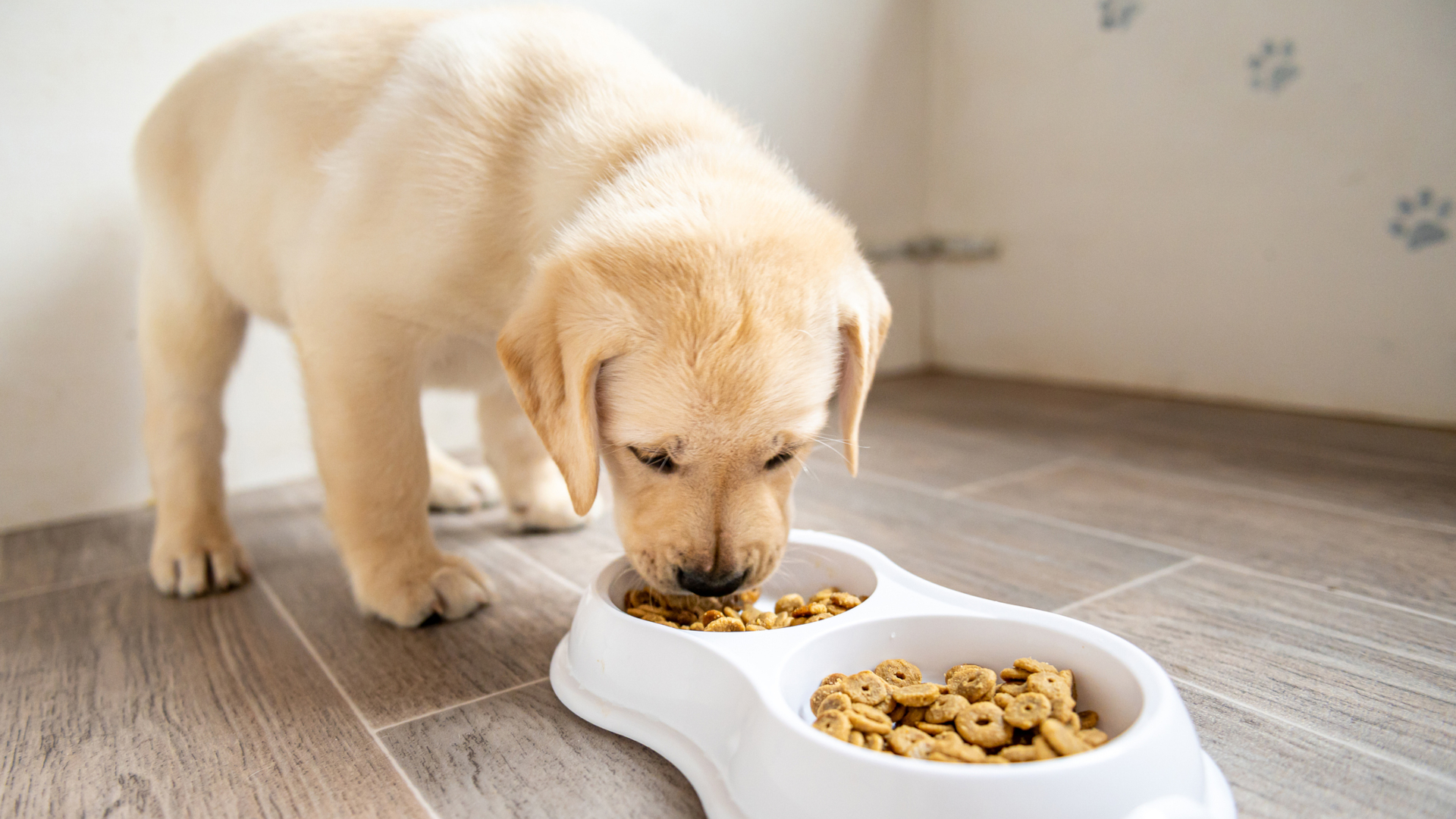
Credit: www.petsradar.com
Potential Risks Of Feeding Puppy Food To Adult Dogs
Feeding an adult dog puppy food can cause several health problems. Puppy food has more calories and nutrients made for growing dogs. Adult dogs do not need as much energy or protein. Using puppy food for adults can lead to unwanted effects. Understanding the risks helps keep dogs healthy and happy.
Weight Gain And Obesity
Puppy food contains extra calories to support growth. Adult dogs eating this food may gain weight quickly. Excess weight strains joints and organs. Obesity increases the risk of diabetes and heart disease. Controlling calorie intake is key to a healthy adult dog.
Digestive Issues
Puppy food is richer and harder to digest for adults. This can cause upset stomachs and diarrhea. Some adult dogs may also experience gas or vomiting. Their digestive system may not handle the nutrients well. Feeding the correct food keeps digestion smooth and steady.
Nutrient Imbalances
Puppy food has higher protein, fat, and certain vitamins. Adult dogs need balanced nutrients for maintenance, not growth. Too much protein or fat can stress the kidneys and liver. Imbalanced vitamins can cause health problems over time. Proper adult dog food matches their specific needs better.
When Puppy Food Might Be Suitable For Adult Dogs
Puppy food can sometimes suit adult dogs with higher energy needs or during recovery. Feeding adult dogs puppy food long-term may cause weight gain or nutrient imbalance. Choosing the right diet depends on your dog’s health and activity level.
When considering feeding puppy food to adult dogs, certain situations allow it. Puppy food is rich in nutrients and calories. It can be beneficial for some adult dogs.Underweight Or Malnourished Adults
Underweight dogs need extra calories. Puppy food provides this boost. Its nutrient density helps regain healthy weight. Consult a vet before making changes.Highly Active Or Working Dogs
Active dogs burn more energy. Puppy food offers more calories and protein. It supports their high energy needs. This keeps them strong and healthy.Veterinary Recommendations
Sometimes vets suggest puppy food for adult dogs. This is often for medical reasons. It might help with recovery or specific health conditions. Always follow your vet’s advice for best results.Signs To Watch For When Changing Dog Food
Switching your adult dog’s food, especially moving to or from puppy food, can bring noticeable changes. It’s important to watch carefully for signs that indicate how well your dog is adapting. These signs help you decide if the change is good or if it might be causing issues that need attention.
Behavioral Changes
Keep an eye on your dog’s mood and energy levels after the food switch. Some dogs may become more restless or less active. Others might show signs of discomfort, like whining or avoiding their food bowl.
If your dog suddenly becomes picky or refuses meals, this could indicate that the new food isn’t agreeing with them. Have you noticed your dog acting differently around mealtime? That’s a key clue you shouldn’t ignore.
Physical Symptoms
Changes in stool consistency are one of the most common signs of a food transition issue. Diarrhea, constipation, or unusual odors can signal digestive upset. Watch for vomiting or excessive gas as well.
Also, check your dog’s coat and skin condition. Dull fur or itching might mean the food lacks the right nutrients or contains ingredients that don’t sit well. These signs might not appear immediately but can develop over days or weeks.
Adjusting Feeding Portions
Puppy food often has more calories and nutrients than adult dog food. Feeding the same amount to an adult dog can lead to weight gain or digestive troubles. You might need to reduce the portion size when switching to puppy food for an adult dog.
Start with smaller portions and observe how your dog responds. Are they finishing the food quickly or leaving some behind? Adjusting portions carefully can prevent overeating and keep your dog comfortable during the transition.
Expert Tips For Feeding Adult Dogs
Feeding adult dogs the right food is more than just filling their bowl. It’s about meeting their specific nutritional needs and maintaining their health. Knowing how to choose, switch, and monitor your dog’s diet can make a huge difference in their well-being.
Choosing The Right Food
Adult dogs have different nutritional needs than puppies, especially when it comes to protein and calorie levels. Look for foods labeled specifically for adult dogs, which balance these nutrients to maintain energy and prevent obesity.
Think about your dog’s lifestyle too. Active dogs may need more calories, while less active or older dogs might require food with fewer calories and added joint support.
Have you checked the ingredient list lately? Ingredients like chicken, lamb, or fish should be among the first listed, and avoid foods with too many fillers like corn or soy.
Transitioning Between Foods
Switching your dog’s food suddenly can cause digestive upset. Instead, mix a small amount of the new food with their current food over 7 to 10 days.
Start with about 25% new food and 75% old food, then gradually increase the new food portion. Watch your dog’s stool and appetite during this time to spot any issues early.
Remember, patience during the transition helps your dog’s digestive system adjust smoothly and keeps mealtime enjoyable.
Monitoring Health And Weight
Regularly check your dog’s weight and body condition. A simple way is to feel their ribs—they should be easy to feel but not visible.
Changes in weight or behavior can signal that the diet isn’t right. Keep an eye on energy levels, coat condition, and digestion too.
Have you noticed any changes after feeding your dog puppy food? Tracking these signs helps you decide if it’s time to adjust their diet or consult your vet.
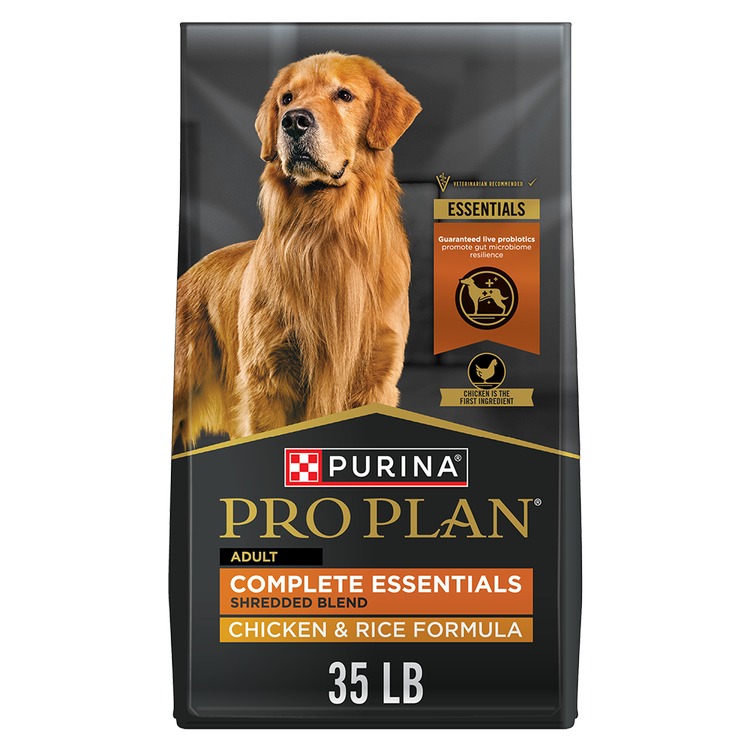
Credit: www.purina.com
Credit: www.thinkjinx.com
Frequently Asked Questions
Is It Harmful To Feed Adult Dogs Puppy Food?
Feeding adult dogs puppy food occasionally is not harmful but not ideal. Puppy food has higher calories and nutrients, which can cause weight gain and digestive upset in adults if fed long-term.
Can Adult Dogs Digest Puppy Food Properly?
Adult dogs can digest puppy food, but the nutrient balance differs. Puppy food is richer in protein and fat, which may stress an adult dog’s metabolism and digestive system over time.
What Are The Risks Of Feeding Puppy Food To Adults?
Risks include obesity, digestive issues, and nutrient imbalances. Puppy food’s high calorie and fat content can lead to weight gain and may affect adult dogs’ health negatively if fed regularly.
When Is It Acceptable To Feed Adult Dogs Puppy Food?
It’s acceptable during growth or recovery phases when extra calories and nutrients are needed. Otherwise, adult dogs should have food formulated for their specific life stage for optimal health.
Conclusion
Feeding an adult dog puppy food is not ideal. Puppy food has extra nutrients meant for growth. Adult dogs do not need those extra calories daily. Too much can cause weight gain and health issues. Stick to food made for adult dogs instead.
Always check with your vet for the best diet. Healthy food means a happy, active dog. Choose wisely to keep your dog strong and fit. Simple changes make a big difference in their life.