
Are you wondering when your furry friend should switch to adult dog food? Knowing the right time to make this change is key to keeping your dog healthy and happy.
Feeding your dog the right food at the right age supports their growth, energy, and overall well-being. You’ll discover clear signs that tell you when it’s time to move on from puppy food to adult meals. Stick with me, and you’ll never have to guess if you’re doing what’s best for your dog’s diet.

Credit: jiminys.com
Timing For Switching To Adult Food
Knowing the right time to switch your dog to adult food is crucial for their health and well-being. Feeding them too early or too late can impact their growth and energy levels. Understanding the timing helps you support their development properly and avoid common nutrition mistakes.
Age Milestones For Different Breeds
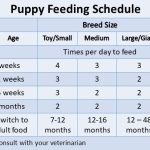
Different breeds grow at different rates, which affects when they should switch to adult food. Small breeds often mature faster and can transition around 9 to 12 months. Larger breeds, like Great Danes or Saint Bernards, may need puppy food for up to 18 or even 24 months.
Here’s a quick guide:
| Breed Size | Recommended Age to Switch |
|---|---|
| Small Breeds (e.g., Chihuahua, Dachshund) | 9-12 months |
| Medium Breeds (e.g., Beagle, Cocker Spaniel) | 12 months |
| Large Breeds (e.g., Labrador, Golden Retriever) | 12-18 months |
| Giant Breeds (e.g., Great Dane, Mastiff) | 18-24 months |
Have you noticed your dog’s breed size affecting how quickly they grow? Tailoring the timing to their specific breed can prevent overfeeding or underfeeding.
Growth And Development Indicators
Age is a helpful guideline, but your dog’s growth signs provide clearer signals. Look for when their rapid growth slows down and their adult teeth have fully come in. These are signs they are ready to handle adult nutrition.
- Steady weight gain slows
- Energy levels stabilize
- Adult teeth fully erupted
- Body shape becomes more defined
When you notice your pup’s puppy fluff turning into a sleek adult coat, that’s another hint. Are you watching your dog closely enough to catch these changes? Adjusting their diet based on these physical cues ensures they get the right nutrients at the right time.

Credit: us.eukanuba.com
Key Signs Your Dog Is Ready
Knowing when your dog is ready to switch to adult food can feel tricky. Watching for key signs helps you make the right call for your furry friend’s health. These signs reflect your dog’s growth, energy needs, and overall development.
Changes In Appetite And Energy
Your dog’s appetite often shifts as they grow. You might notice they eat more steadily and seem less finicky than before. Their energy levels also stabilize; they’re less hyperactive but still playful and alert.
If your puppy suddenly wants more food or shows steady energy bursts, it could mean their body needs more nutrients found in adult food. Have you observed your dog’s eating habits changing recently?
Teeth And Jaw Development
Strong teeth and a fully developed jaw are crucial for handling adult food. Puppies start losing baby teeth around 3 to 6 months and get their adult teeth by 7 months. If your dog’s mouth looks fully grown with no loose teeth, they’re likely ready for adult kibble.
Feeding adult food too early can strain their developing teeth, while waiting too long might mean missing important nutrition. Check your dog’s mouth during play or grooming to track this milestone.
Weight And Body Condition
Weight gain slows down as puppies approach adulthood. If your dog’s body is firm and well-proportioned, it’s a sign they’re ready for adult food. You should be able to feel their ribs without pressing hard, and they should have a visible waist behind the ribs.
Keep an eye on their growth curve and consult your vet if you’re unsure. Does your dog seem heavier or leaner than usual? Adjusting their diet now can prevent future health issues.
Choosing The Right Adult Food
Dogs usually switch to adult food around one year old. This change supports their growing energy needs and health. Choosing the right food helps maintain their strength and vitality.
Choosing the right adult food for your dog is crucial. Adult dogs have different needs than puppies. A balanced diet helps maintain their health. Consider factors like size, activity level, and ingredients.Nutritional Needs By Size And Activity
Dogs’ nutritional needs vary by size and activity. Small dogs often need more calories per pound. Large breeds may need joint support in their food. Active dogs require higher energy foods. Less active dogs need fewer calories to avoid weight gain. Always consult a vet for personalized advice.Reading Dog Food Labels
Understanding dog food labels can be tricky. Look for whole proteins as the first ingredient. Ensure there are no fillers like corn or soy. Check for AAFCO approval for balanced nutrition. Avoid artificial preservatives and colors. Look for foods with Omega-3 for healthy skin.Avoiding Common Ingredients
Some ingredients are best avoided in dog food. Corn and soy are common fillers. They provide little nutritional value. Artificial colors and flavors are unnecessary. Preservatives like BHA and BHT may be harmful. Opt for natural preservatives like Vitamin E. Always choose high-quality ingredients for your dog’s health.Transitioning Smoothly
Switching your dog to adult food is a key moment in their growth, but it doesn’t have to be a stressful one. A smooth transition helps prevent tummy troubles and keeps your dog happy and healthy. How you manage this change can make a big difference in their acceptance of the new diet.
Gradual Food Introduction
Start by mixing a small amount of adult food with your dog’s current puppy food. Increase the adult food portion slowly over 7 to 10 days while decreasing the puppy food. This gives your dog’s digestive system time to adjust without causing upset.
Have you noticed your dog turning their nose up at new food? Patience is key here. Some dogs need a few extra days to get used to the taste and texture.
Monitoring Digestive Health
Watch your dog’s stools closely during the transition. Soft stools or diarrhea can indicate that the change is too fast or the food isn’t agreeing with them. If this happens, slow down the transition and give your dog’s system a break.
Keep an eye out for other signs like vomiting or lethargy, which may require a vet visit. Tracking their digestive health ensures the new food is a good fit for your dog’s unique needs.
Adjusting Portion Sizes
Adult dogs generally need fewer calories than puppies, so reduce portion sizes accordingly. Check the feeding guidelines on the adult food package and adjust based on your dog’s weight and activity level. Overfeeding can lead to weight gain, while underfeeding may leave your dog hungry and irritable.
Think about your dog’s daily routine and energy use. Are they more active or mostly resting? Tailoring portions helps maintain their ideal weight and keeps them feeling their best.
Expert Tips For Feeding Adults
Feeding adult dogs requires more than just choosing the right food. It’s about understanding their changing nutritional needs and habits. With the right tips, you can ensure your dog stays healthy and happy throughout their adult years.
Maintaining Balanced Nutrition
Your adult dog needs a diet that supports steady energy and overall health. Choose foods rich in high-quality protein, moderate fat, and essential vitamins. Keep an eye on portion sizes to prevent weight gain, which is common as dogs become less active.
Think about your dog’s breed and size. Larger breeds may need joint-supporting nutrients like glucosamine. Smaller breeds often require calorie-dense meals to keep their energy up. Have you noticed changes in your dog’s appetite or energy? Adjust the food accordingly.
Hydration And Supplementation
Water is just as important as food. Always provide fresh water and encourage your dog to drink regularly. Dehydration can cause serious health issues that many owners overlook.
Supplements might help fill nutritional gaps, especially omega-3 fatty acids for a shiny coat and healthy skin. But don’t add supplements without consulting your vet. Sometimes, less is more when it comes to extras in your dog’s diet.
Regular Vet Check-ups
Regular vet visits are your best tool for monitoring your dog’s health. Vets can recommend dietary changes based on age, weight, and medical history. They may also spot early signs of nutritional deficiencies or health issues.
How long has it been since your dog’s last check-up? Scheduling consistent vet visits helps you stay ahead of potential problems. Your vet’s advice can make the difference between a good diet and the perfect diet for your dog.
Credit: dogsauce.co
Frequently Asked Questions
When Should A Dog Start Eating Adult Food?
Dogs typically switch to adult food around 12 months old. Large breeds may transition between 12-18 months. This timing supports their growth and nutritional needs.
Why Is Timing Important For Dog Food Transition?
Proper timing ensures dogs get the right nutrients for growth. Early or late transitions can cause digestive issues or nutrient imbalances. Follow vet advice for smooth changes.
How To Know If My Dog Is Ready For Adult Food?
Look for signs like slowed growth and increased activity. Consult your vet to assess your dog’s development before switching foods.
Can Puppies Eat Adult Dog Food?
Puppies should not eat adult food as it lacks essential nutrients. Puppy food supports their rapid growth and immune system better.
Conclusion
Feeding your dog adult food at the right time is important. Most dogs switch around one year old. Watch their size, weight, and energy for clues. Talk to your vet for the best advice. Changing food too soon or too late can cause problems.
Keep meals balanced and healthy for strong growth. Your dog will thank you with a happy life. Stay patient and careful during this change. Good nutrition helps dogs live longer and feel better every day.