
Your puppy is growing fast, and it’s time to switch their food from puppy formula to adult dog food. But how do you make this change without upsetting their tummy or slowing their growth?
If you want to keep your dog healthy, happy, and full of energy, knowing the right way to transition their diet is key. You’ll discover simple, effective steps to make this switch smooth and stress-free for both you and your furry friend.
Keep reading to learn how to give your dog the best nutrition at every stage of life.
When To Switch To Adult Food
Knowing the right moment to switch your dog from puppy food to adult food is crucial for their health and growth. Transitioning too early or too late can affect their nutrition and development. Let’s look at key signs and factors that help you decide the perfect timing for this change.
Signs Your Puppy Is Ready
Your puppy showing readiness for adult food is more than just age. You might notice their growth rate slowing down or their energy levels stabilizing. If your puppy finishes meals quickly without the frantic enthusiasm of a younger pup, it could indicate they are ready for adult food.
Check their body condition too. Are their ribs easily felt but not visible? This balance suggests they’re moving out of rapid growth and may benefit from adult food. Watch for changes in their stool consistency as well; adult food often leads to firmer stools.
Breed And Size Considerations
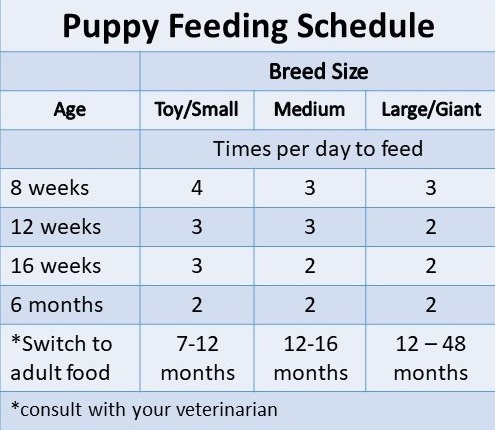
Breed and size play a big role in deciding when to switch food. Small breeds often mature faster and may be ready for adult food as early as 9 months. Larger breeds, on the other hand, require more time on puppy food because their bones and joints need extra support during growth.
For example, a Chihuahua might transition to adult food by 9 months, whereas a Great Dane might need puppy food until 12 to 18 months. Knowing your dog’s breed helps you tailor their diet to their unique growth timeline.
Age Guidelines For Transition
Age is a simple starting point, but it shouldn’t be the only factor you consider. Most puppies are ready to switch between 9 and 12 months old. Some breeds need a longer transition period, so following general age guidelines is a good base but watch your dog’s development closely.
- Small breeds: 9 to 12 months
- Medium breeds: 12 months
- Large breeds: 12 to 18 months
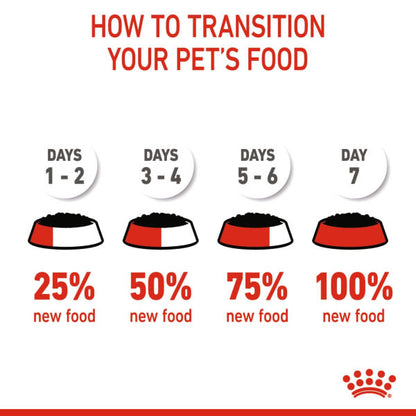
Have you noticed your puppy’s growth slowing down? That might be the sign you’re waiting for to start mixing in adult food gradually. A slow transition over 7-10 days helps avoid stomach upset and lets your dog adjust comfortably.
Credit: pet-supermarket.co.uk
Choosing The Right Adult Dog Food
Choosing the right adult dog food is key for your dog’s health as they grow. Their needs change from puppyhood to adulthood. Picking food that meets these new needs helps keep your dog active and strong. Quality adult dog food supports proper digestion, energy levels, and a healthy coat. It also prevents issues that can arise from poor nutrition.
Nutritional Needs Of Adult Dogs
Adult dogs need a balanced diet with the right nutrients. Protein supports muscle maintenance and repair. Fats provide energy and help absorb vitamins. Carbohydrates supply fuel for daily activities. Vitamins and minerals keep organs working well and boost the immune system. Portion sizes and calorie intake should match the dog’s size and activity level.
Types Of Adult Dog Food
Dry kibble is popular for its convenience and dental benefits. Wet canned food offers more moisture and strong flavors. Raw or freeze-dried diets aim to mimic natural eating habits. Homemade meals let you control ingredients but need careful planning. Each type has pros and cons based on your dog’s preferences and health needs.
Reading Ingredient Labels
Check ingredient lists carefully. Look for named meat sources like chicken or beef as the first ingredient. Avoid foods with too many fillers such as corn or soy. Natural preservatives and added vitamins are good signs. Watch out for artificial colors, flavors, or excessive by-products. Clear, simple ingredient lists often mean better quality food.
Preparing For The Transition
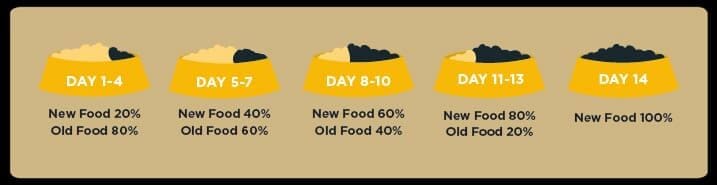
Transitioning your dog from puppy to adult food needs patience and care. Begin by mixing small amounts of adult food with puppy food. Gradually increase adult food over two weeks to avoid stomach upset.
Transitioning your dog from puppy food to adult food is a significant milestone that requires careful planning and attention. This change is not just about swapping one type of kibble for another; it involves understanding your dog’s nutritional needs as they evolve from puppyhood to adulthood. Preparing for the transition involves several steps that ensure your furry friend adapts smoothly to their new diet, maintaining their health and happiness.Gradual Mixing Method
Start by slowly introducing the adult food into your dog’s diet. Mix a small amount of adult food with their current puppy food. Gradually increase the proportion of adult food over a week or two. This method allows your dog’s digestive system to adjust without causing stomach upset. You might wonder, why not switch all at once? Dogs, like humans, need time to adapt to new foods, which is why a gradual approach works best.Monitoring Your Dog’s Reaction
Keep a close eye on your dog’s reaction to the new food. Watch for any signs of digestive discomfort, such as vomiting or diarrhea. If your dog shows any adverse reactions, slow down the transition process. Every dog is different; what works for one might not work for another, so be patient.Adjusting Portion Sizes
As you transition, you may need to adjust portion sizes. Adult dogs require different calorie intakes than puppies. Use your dog’s weight and activity level to determine the right amount of food. Consult your vet if you’re unsure about the appropriate portion size. By preparing carefully for the transition, you can help ensure your dog enjoys their new diet and maintains optimal health. Are you ready to make the switch and support your dog’s journey into adulthood?
Credit: jiminys.com
Common Challenges And Solutions
Switching your dog from puppy food to adult food can bring unexpected hurdles. Understanding these common challenges helps you prepare and respond effectively. Let’s look at some issues you might face and how to handle them smoothly.
Picky Eaters
Your dog may suddenly turn their nose up at the new food. This often happens because the taste or texture is different from what they are used to. You can try mixing a small amount of adult food with their puppy food, gradually increasing the new food over 7-10 days.
If your dog still refuses, try warming the food slightly to enhance aroma or adding a bit of low-sodium broth. Have you ever noticed your dog’s preferences change unexpectedly? Patience is key here—avoid switching brands too quickly, as this can confuse your dog even more.
Digestive Upset
Changing foods sometimes causes stomach upset, like diarrhea or vomiting. This happens because their digestive system needs time to adjust to new ingredients. Introduce the adult food slowly while monitoring your dog’s stool and energy levels.
If digestive issues persist beyond a few days, reduce the amount of new food and extend the transition period. Probiotics can also help balance gut bacteria during the change. How does your dog usually react to diet changes? Watching closely gives you clues to manage their comfort better.
Allergic Reactions
Allergies can emerge during the transition if your dog’s new food contains unfamiliar proteins or additives. Signs to watch for include itching, redness, or excessive licking. If you spot these symptoms, stop the new food immediately and consult your vet.
Select adult foods with limited ingredients or those labeled hypoallergenic if your dog has a history of sensitivities. Have you noticed any specific ingredients that upset your dog before? Keeping a food diary during transitions can help identify triggers quickly.
Maintaining A Healthy Diet Post-transition
Maintaining a healthy diet after switching your dog to adult food is vital. This phase supports steady growth and overall wellness. Proper care ensures your dog stays active and happy.
Regular Vet Check-ups
Schedule vet visits to monitor your dog’s health closely. Vets check weight, coat condition, and energy levels. They can recommend diet adjustments if needed. Early detection of issues keeps your dog healthy.
Balanced Treats And Supplements
Choose treats that complement the adult diet. Avoid sugary or fatty snacks that cause weight gain. Use supplements only if your vet suggests them. Balanced treats support nutrition without overfeeding.
Hydration Tips
Provide fresh water throughout the day. Hydration aids digestion and keeps your dog alert. Change water bowls daily to prevent bacteria growth. Encourage drinking by placing bowls in quiet spots.
Credit: www.cobberdogfood.com.au
Frequently Asked Questions
When Should I Switch My Puppy To Adult Dog Food?
Most dogs transition to adult food between 9 and 12 months. Large breeds may switch later, around 12-18 months. Consult your vet for the best timing based on your dog’s breed and growth rate.
How Do I Gradually Change My Puppy’s Diet?
Mix increasing amounts of adult food with decreasing puppy food over 7-10 days. This gradual transition helps prevent digestive upset and allows your dog to adjust smoothly.
What Are Key Differences Between Puppy And Adult Dog Food?
Puppy food contains more calories, protein, and nutrients to support growth. Adult food has balanced nutrients for maintenance and overall health. Feeding the right food ensures proper development and weight management.
Can Switching Dog Food Too Quickly Cause Problems?
Yes, abrupt changes can cause diarrhea, vomiting, or loss of appetite. Gradual transition minimizes digestive issues and helps your dog accept new food easily.
Conclusion
Transitioning your dog to adult food takes time and patience. Start slowly by mixing puppy and adult food together. Watch for any changes in digestion or energy. Keep meals consistent and avoid sudden changes. Your dog’s health depends on a smooth switch.
Remember, every dog is different. Adjust the pace as needed for comfort. This helps keep your dog happy and healthy. A good diet supports a long, active life. Stay attentive and enjoy this new stage together.