Are you tired of worrying about what’s really in your dog’s food? Making homemade dog food gives you control over every ingredient, ensuring your furry friend gets the best nutrition possible.
Imagine serving meals that are fresh, healthy, and tailored just for your dog’s needs. You’ll discover a simple, tasty recipe that’s easy to prepare and packed with nutrients your dog will love. Keep reading to learn how you can take your dog’s health into your own hands with a homemade meal they’ll eagerly devour.
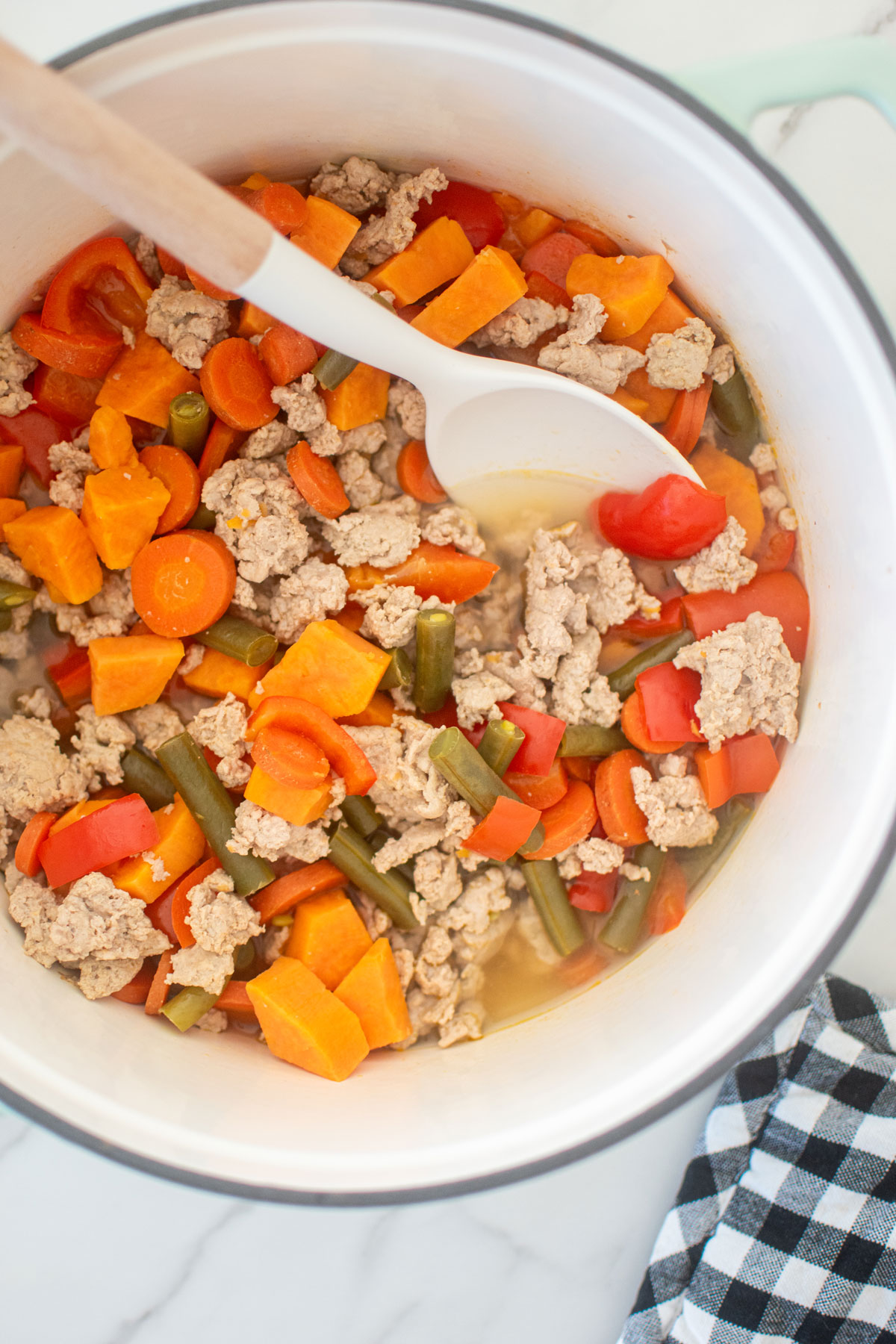
Credit: mimisorganiceats.com
Benefits Of Homemade Dog Food
Homemade dog food offers many benefits for your furry friend. It allows control over ingredients, ensuring high-quality and fresh nutrition. Dogs get meals without fillers or artificial additives. This leads to better digestion and fewer allergies. Preparing food at home also means you can tailor recipes to your dog’s specific health needs.
Feeding homemade dog food can improve your dog’s energy levels and coat shine. It supports overall well-being and can prevent obesity. Plus, it strengthens the bond between you and your pet through care and attention.
Improved Ingredient Quality And Freshness
Homemade dog food uses fresh, whole ingredients. You avoid preservatives and unknown fillers found in some commercial foods. This means your dog eats cleaner and healthier meals every day.
Better Digestive Health
Home-cooked meals are easier for dogs to digest. They can reduce stomach upset and gas. Homemade food helps maintain a healthy gut and regular bowel movements.
Customized Nutrition For Specific Needs
You can adjust recipes for allergies or sensitivities. Homemade food fits dogs with special diets or medical conditions. It helps manage weight, joint health, and energy levels.
Enhanced Flavor And Variety
Homemade meals offer more flavor and texture variety. Dogs enjoy different tastes and ingredients. This keeps mealtime exciting and satisfying for them.
Stronger Human-pet Bond
Preparing your dog’s food shows love and care. It creates a special connection and trust. Dogs sense your effort and enjoy mealtime more.
Essential Nutrients For Dogs
Feeding your dog homemade food means you’re in charge of every nutrient they get. Understanding essential nutrients helps you create balanced meals that keep your furry friend healthy and happy. Let’s break down what your dog really needs in their diet.
Proteins
Proteins build strong muscles and support your dog’s immune system. Good sources include chicken, turkey, beef, and fish. I once switched to a homemade recipe with lean turkey, and my dog’s energy levels noticeably improved within weeks.
Don’t forget to add eggs or cottage cheese sometimes. They provide high-quality protein and are easy to digest. How often do you think about the quality of protein in your dog’s food?
Carbohydrates
Carbs are a great energy source but choose wisely. Brown rice, sweet potatoes, and oats are excellent options that provide fiber and keep digestion smooth. I noticed my dog’s coat became shinier after switching to sweet potatoes instead of plain white rice.
Try to avoid fillers like corn or wheat, which offer little nutritional value. Could swapping your dog’s starch source improve their overall health?
Fats
Fats are crucial for a shiny coat and brain function. Healthy fats come from fish oil, flaxseed, and chicken fat. I add a teaspoon of fish oil to my dog’s food weekly, and it really makes a difference in their skin condition.
Balance is key—too much fat can cause weight gain. Are you paying attention to the right fat sources in your dog’s meals?
Vitamins And Minerals
Vitamins and minerals support your dog’s bones, vision, and overall well-being. Vegetables like carrots, spinach, and pumpkin are great for adding these nutrients naturally. I chop veggies finely or puree them so my dog enjoys every bite without fuss.
Sometimes a supplement is needed, but fresh ingredients should be your first choice. What simple veggies can you add to your dog’s next meal for a vitamin boost?
Safe Ingredients For Dog Food
Preparing homemade dog food can be rewarding and beneficial for your pet. Ensuring you choose safe ingredients is crucial for your dog’s health. This section will guide you through selecting safe and nutritious ingredients.
Meats And Proteins
Meat is a vital source of protein for dogs. Choose lean meats like chicken, turkey, or beef. Avoid processed meats and seasoned or spicy options. Cook the meat thoroughly to eliminate harmful bacteria. Eggs are also a great protein source, but ensure they are cooked.
Vegetables
Vegetables provide essential vitamins and minerals. Safe options include carrots, peas, and green beans. These can be lightly cooked or pureed for easy digestion. Avoid onions, garlic, and avocados, as these can be toxic to dogs.
Grains And Carbs
Grains supply energy and fiber. Brown rice and oatmeal are excellent choices. Ensure they are fully cooked and served in moderation. Avoid grains like corn and wheat if your dog has allergies or sensitivities.
Supplements
Supplements can enhance your dog’s diet. Consider adding omega-3 fish oils for a healthy coat. Calcium supplements are important for strong bones. Consult your vet for specific supplement advice tailored to your dog’s needs.
Ingredients To Avoid
Choosing the right ingredients for homemade dog food is crucial to keep your furry friend healthy and happy. However, some common foods that seem harmless can actually be dangerous or toxic to dogs. Knowing which ingredients to avoid will help you create meals that are safe and nutritious.
Foods Toxic To Dogs
Certain human foods can cause serious health problems for dogs. Chocolate, grapes, raisins, and onions are well-known offenders. Even small amounts can lead to vomiting, diarrhea, or worse.
Have you ever wondered why something as simple as grapes can be so harmful? They can cause kidney failure in dogs, which is life-threatening. Avoid these completely to keep your pet safe.
High-fat Ingredients
Fatty foods like bacon, sausage, and fried items can upset your dog’s digestive system. Too much fat may cause pancreatitis, a painful inflammation of the pancreas.
Feeding high-fat treats occasionally might seem harmless, but regular exposure can lead to serious health issues. Opt for lean proteins and healthy fats instead.
Artificial Additives And Preservatives
Homemade doesn’t always mean healthy if you use processed ingredients with artificial colors, flavors, or preservatives. These can cause allergies or digestive problems in dogs.
Check labels carefully if you use canned or packaged items. Simple, fresh ingredients are the safest choice for your dog’s meals.
Excessive Salt And Spices
Salt in large amounts can cause dehydration and kidney damage in dogs. Spices like garlic and chili are toxic and should never be part of your dog’s food.
Even a pinch of certain seasonings can upset your dog’s stomach or damage their red blood cells. Stick to natural flavors like plain cooked meats and vegetables.
Step-by-step Homemade Dog Food Recipe
Making homemade dog food is a rewarding way to ensure your pet eats healthy. This simple recipe uses fresh ingredients and basic cooking steps. Follow these clear instructions for a tasty meal your dog will love.
Gathering Ingredients
Choose fresh, quality ingredients for your dog’s meal. Include a protein source like chicken or beef. Add vegetables such as carrots and peas. Brown rice or oats provide good carbohydrates. Use fish oil or flaxseed oil for healthy fats.
- Lean chicken or beef (cooked and chopped)
- Carrots, peas, or green beans (steamed)
- Brown rice or oats (cooked)
- Fish oil or flaxseed oil (small amount)
- Optional: calcium supplement or crushed eggshells
Preparation Process
Start by cooking the protein thoroughly. Steam or boil vegetables until soft. Cook rice or oats until tender. Mix all ingredients in a large bowl. Stir well to combine flavors evenly. Let the mixture cool before serving.
Cooking Tips
- Use low heat to keep nutrients intact.
- Cut ingredients into small, bite-sized pieces.
- Avoid seasoning or salt to protect your dog’s health.
- Cook rice fully to aid digestion.
- Add oils after cooking to preserve benefits.
Portioning And Storage
Divide the food into daily portions based on your dog’s size. Store portions in airtight containers in the refrigerator. Use within three days for freshness. Freeze extra portions for up to two weeks. Thaw frozen food in the fridge before serving.

Credit: www.latimes.com
Adjusting Recipes For Different Dog Sizes
Adjusting homemade dog food recipes based on your dog’s size is important. Dogs of different sizes need different calorie and nutrient amounts. Feeding the right portions keeps your dog healthy and happy.
Smaller dogs require fewer calories but still need balanced nutrients. Larger dogs need more calories and protein to support their energy and muscle mass. Understanding these differences helps you prepare meals that fit your dog’s unique needs.
Adjusting Portions For Small Dogs
Small dogs have faster metabolisms and smaller stomachs. Serve smaller portions more frequently to avoid overfeeding. Use ingredients that are easy to digest and nutrient-rich. Focus on protein, healthy fats, and some carbohydrates for energy.
Balancing Nutrients For Medium Dogs
Medium dogs need a balanced diet with moderate calories. Ensure meals include a good mix of protein, fats, and carbohydrates. Monitor their weight and activity level to adjust portions if necessary. Include vegetables and grains for fiber and vitamins.
Feeding Large Dogs With High Energy Needs
Large dogs burn more calories and require higher protein. Include lean meats, healthy fats, and complex carbohydrates. Increase portion size but avoid overfeeding to prevent obesity. Consider adding joint-support supplements like glucosamine for bone health.
Using A Simple Feeding Chart
| Dog Size | Daily Food Amount | Protein % | Fat % |
|---|---|---|---|
| Small (under 20 lbs) | 1 to 1.5 cups | 25-30% | 10-15% |
| Medium (20-50 lbs) | 2 to 3 cups | 20-25% | 10-15% |
| Large (over 50 lbs) | 3 to 5 cups | 25-30% | 15-20% |
Tips For Transitioning To Homemade Food
Switching your dog’s diet to homemade food requires patience and careful planning. Abrupt changes can upset your dog’s stomach or cause them to reject the new food. Taking it slow helps your dog adjust comfortably and enjoy their meals.
Gradually Mix Homemade Food With Current Diet
Start by adding a small amount of homemade food to your dog’s regular meals. A good rule is to begin with 25% homemade food and 75% old food.
Increase the homemade portion by 25% every few days while decreasing the old food. This slow transition helps your dog’s digestive system adapt without causing discomfort.
Watch For Digestive Reactions
Keep an eye on your dog’s stool and behavior during the transition. Loose stools, vomiting, or loss of appetite can signal that the change is too fast or the recipe isn’t suitable.
If these signs appear, slow down the transition or consult your vet. Remember, every dog’s digestive system responds differently.
Maintain Consistency In Feeding Times
Feed your dog at the same times each day, even while changing their diet. Consistent feeding schedules help reduce anxiety and encourage regular digestion.
Consider portion sizes carefully to avoid overeating or hunger during the adjustment period.
Introduce New Ingredients One At A Time
If your homemade recipe includes new ingredients, add them gradually instead of all at once.
This approach helps you identify any food sensitivities or allergies early. For example, try adding cooked sweet potatoes first before introducing new proteins like chicken or beef.
Use Tasty Additions To Encourage Eating
If your dog is hesitant, mix in a bit of low-sodium broth or a sprinkle of parmesan cheese. These small incentives can make the homemade food more appealing.
Have you noticed your dog prefers certain flavors? Tailoring the recipe to their tastes can make the transition smoother.
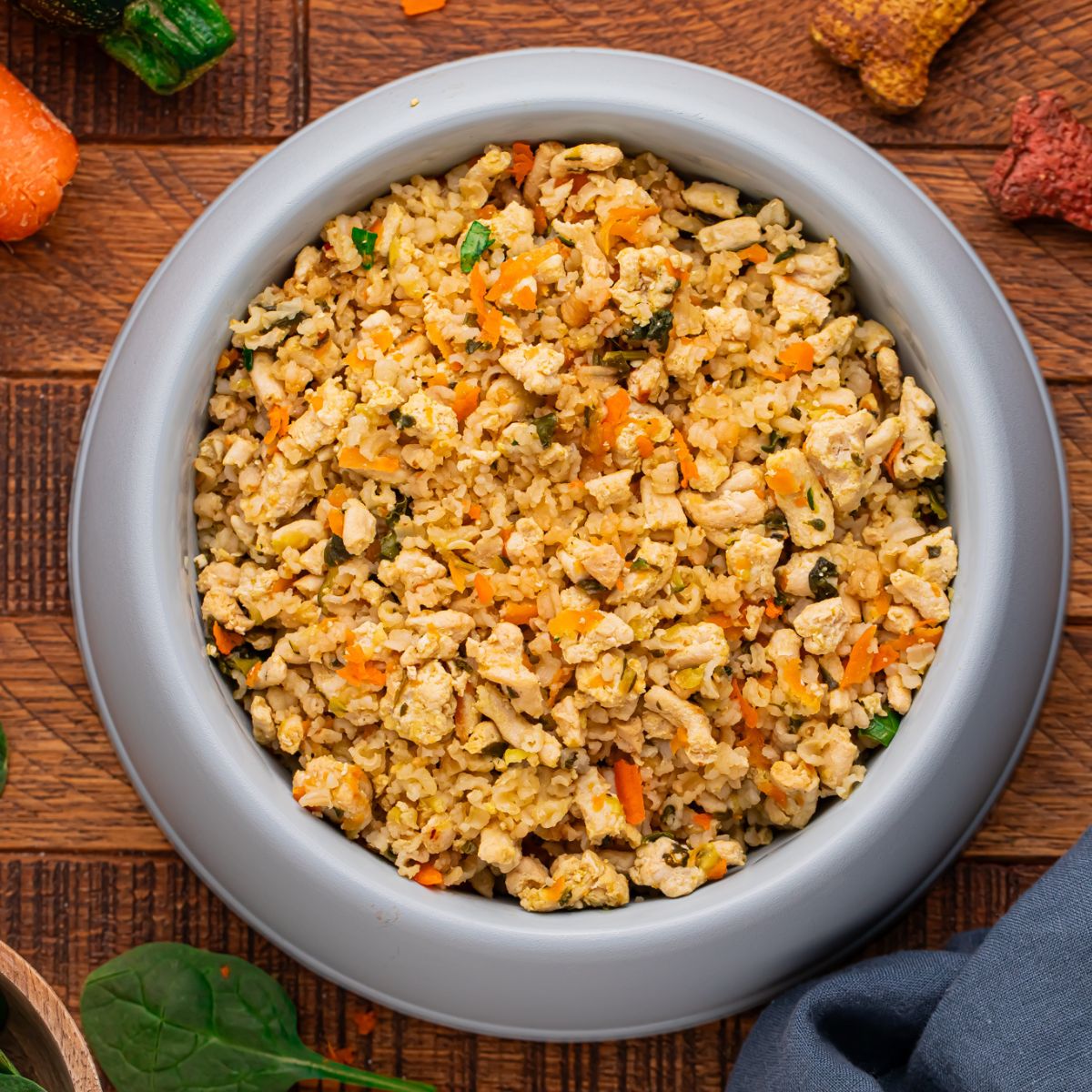
Credit: myincrediblerecipes.com
Common Mistakes To Avoid
Preparing homemade dog food is rewarding but requires care. Avoiding common mistakes helps keep your dog healthy and happy. Many pet owners overlook critical details that affect nutrition and safety. Understanding these pitfalls improves your dog’s diet and wellbeing.
Using Inappropriate Ingredients
Some human foods are toxic to dogs. Avoid onions, garlic, grapes, and chocolate. These can cause serious health problems. Always research ingredients before including them in recipes. Stick to dog-safe meats, vegetables, and grains.
Ignoring Nutritional Balance
Dogs need a mix of protein, fats, and carbohydrates. Skipping one nutrient can cause deficiencies. Consult a vet or pet nutritionist to create balanced meals. Variety is key to covering all nutritional needs.
Overfeeding Or Underfeeding
Homemade food portions must match your dog’s size and activity level. Overfeeding leads to weight gain and health issues. Underfeeding causes weakness and nutrient shortages. Use feeding charts or vet advice to measure correctly.
Skipping Food Safety Practices
Raw or improperly cooked food can carry bacteria. Always wash hands and utensils thoroughly. Cook meat to safe temperatures. Store food in sealed containers in the fridge. Fresh meals reduce the risk of illness.
Neglecting Supplements
Homemade meals may lack vitamins and minerals. Supplements fill these gaps and support health. Common supplements include calcium, omega-3, and multivitamins. Discuss with a vet before adding supplements.
Frequently Asked Questions
What Ingredients Are Best For Homemade Dog Food?
Use lean meats, vegetables, and grains for balanced nutrition. Avoid onions, garlic, and toxic foods. Include protein, fiber, and essential vitamins for your dog’s health.
How Do I Ensure Homemade Dog Food Is Balanced?
Consult a vet or pet nutritionist. Include protein, carbohydrates, fats, vitamins, and minerals. Use supplements if needed to meet your dog’s dietary requirements.
Can Homemade Dog Food Improve My Dog’s Health?
Yes, homemade food can enhance digestion, coat condition, and energy. It allows control over ingredients and avoids preservatives found in commercial food.
How Often Should I Feed My Dog Homemade Food?
Feed twice daily for most adult dogs. Adjust portions based on your dog’s size, age, and activity level. Always provide fresh water alongside meals.
Conclusion
Making homemade dog food can improve your pet’s health and happiness. Fresh ingredients give dogs the nutrition they need daily. It’s easy to control what goes into their meals. You save money and know exactly what your dog eats. Always check with a vet before changing your dog’s diet.
Simple recipes and care can keep tails wagging. Try making a batch today and see the difference. Your dog will thank you with energy and joy.