
Traveling with your dog can be a wonderful experience, but it also comes with its own set of challenges. You want your furry friend to be safe, comfortable, and happy throughout the trip.
So, what is the best way to travel with dogs? Whether you’re heading out for a short drive or a long vacation, knowing the right tips and tricks can make all the difference. Keep reading, and you’ll discover simple, effective ways to make every journey with your dog smooth and stress-free.
Your next adventure together is about to get a whole lot better!
Credit: medium.com
Choosing Dog-friendly Destinations
Choosing dog-friendly destinations makes travel enjoyable for both you and your pet. It helps avoid stress and ensures your dog feels comfortable. Picking places with suitable spaces and services for dogs is key. This section highlights important factors to consider before you book your trip.
Parks And Outdoor Spaces
Open parks and trails give your dog room to run and play. Many cities have special dog parks with fenced areas. These spaces allow dogs to socialize safely. Look for destinations with clean, well-maintained outdoor areas. Nature spots with shade and water sources are perfect for long walks.
Pet-friendly Accommodations
Places that welcome pets make your stay easier. Hotels, motels, and rentals often list their pet policies online. Some offer dog beds, bowls, and treats. Check for size limits and extra fees before booking. Staying in a pet-friendly place means your dog stays safe indoors too.
Local Pet Regulations
Every area has rules about pets in public. Some require dogs to be on a leash at all times. Others limit where dogs can go, like restaurants or beaches. Knowing local laws helps avoid fines or trouble. Prepare your dog’s vaccination records and ID tags for smooth travel.
Preparing Your Dog For Travel
Preparing your dog for travel is more than just packing a bag and hopping in the car. It involves careful planning and attention to your pet’s health, comfort, and behavior. Getting these details right can make the journey smoother and more enjoyable for both of you.
Health Check And Vaccinations
Start with a visit to the vet before your trip. Make sure your dog is up-to-date on vaccinations and in good health to travel.
Ask your vet about any travel-specific concerns, such as motion sickness or anxiety medication. A quick health check can prevent surprises on the road or at your destination.
Packing Essentials
Think beyond food and water bowls. Pack a travel kit with:
- Leash and collar with ID tags
- Favorite toys and a blanket for comfort
- Poop bags and cleaning supplies
- Medical records and any medications your dog needs
Having these items ready avoids last-minute stress and keeps your dog calm and cared for during the trip.
Training For Travel Behavior
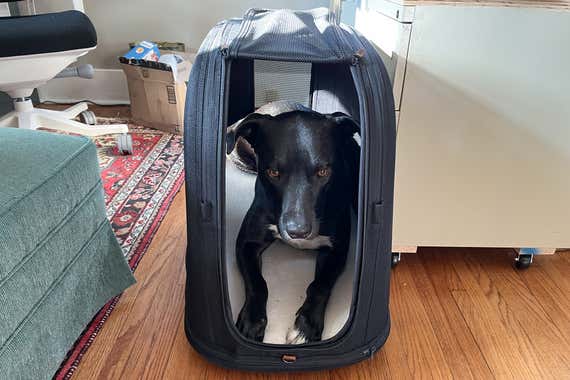
Travel can be overwhelming for dogs if they aren’t used to it. Practice short car rides and crate time at home to build positive associations.
Teach your dog to stay calm and settled during travel. Simple commands like “sit” and “stay” become lifesavers in busy airports or rest stops.
Have you noticed how your dog reacts on the first few minutes of a car ride? Use that moment to set a calm tone for the whole trip.
Traveling By Car
Keeping dogs safe and comfortable during car trips is key. Use a secure harness or crate to prevent distractions. Frequent breaks help dogs stretch and relieve stress on long drives.
Traveling with your dog by car is a popular choice for many pet owners. It offers flexibility and allows you to manage your pet’s needs on the go. To make the journey enjoyable and stress-free, proper preparation is crucial. Here are some important tips to consider.Safety Measures In Vehicles
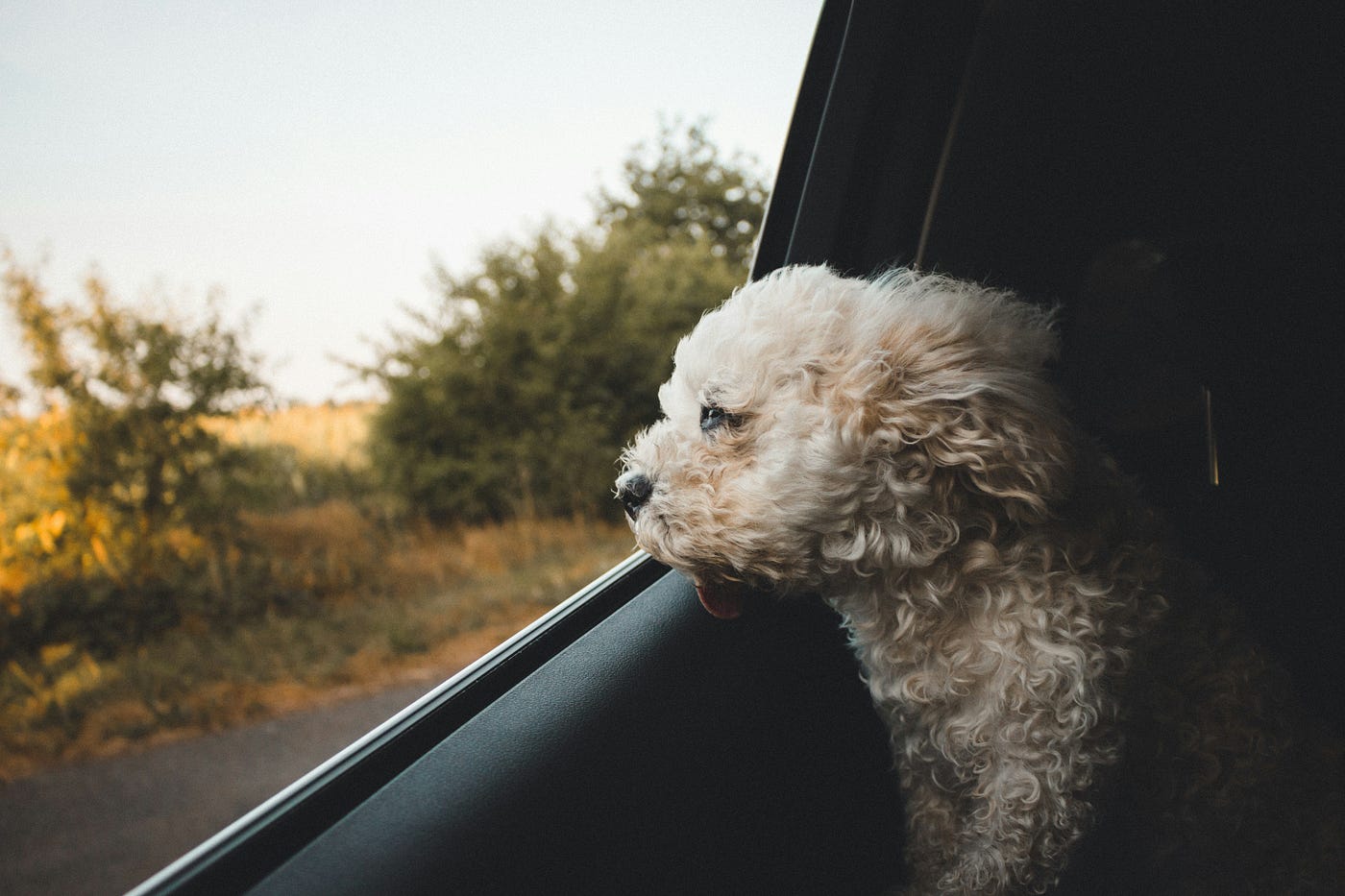
Ensure your dog’s safety with a secure harness or pet seatbelt. This prevents sudden movements during travel. Use a pet carrier if your dog feels comfortable inside it. It should be well-ventilated and spacious. Never let your dog sit in the front seat, as airbags can be dangerous. Keep windows partially open for fresh air, but not wide enough for escape.Frequent Breaks And Exercise
Plan regular stops to let your dog stretch and relieve itself. Short walks during these breaks keep them active and happy. Provide water to keep them hydrated, especially in warm weather. Avoid feeding them large meals before the journey to reduce motion sickness risk.Managing Motion Sickness
Some dogs experience motion sickness during car rides. Gradually acclimate your dog to car travel with short trips. If symptoms persist, consult your vet for appropriate medication. Keep the car cool and ventilated to make your dog comfortable. Offer toys or a favorite blanket to distract and calm them.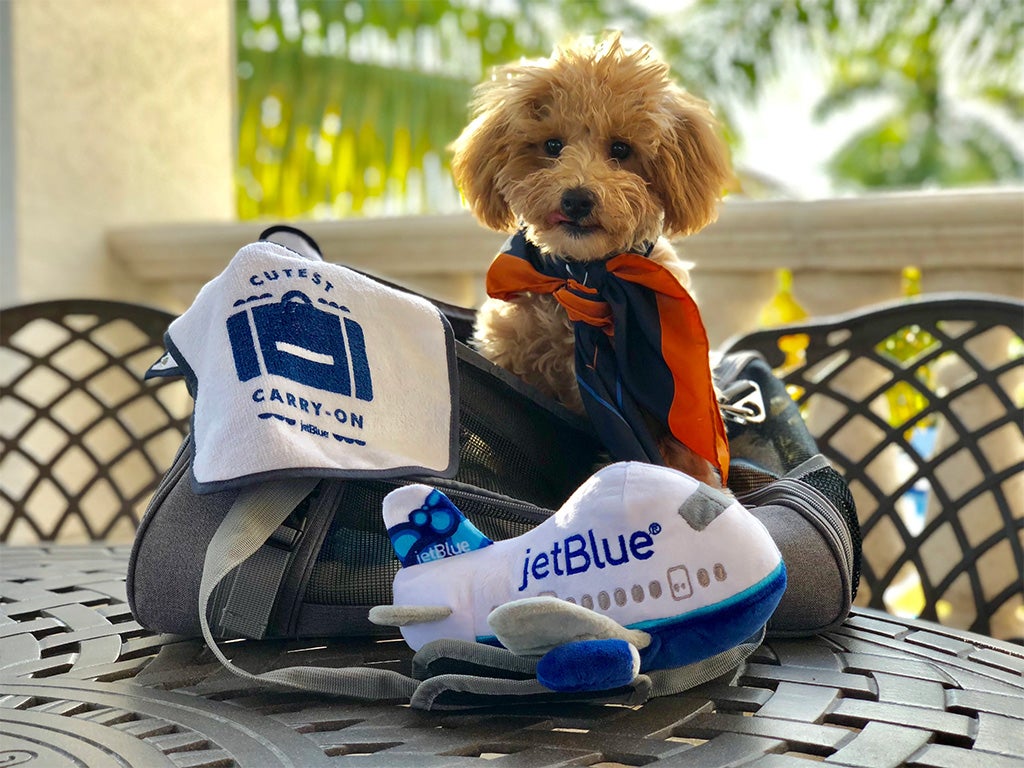
Credit: www.jetblue.com
Traveling By Air
Traveling by air with dogs can be smooth and safe with good planning. Air travel saves time, making it easier to reach far places. Knowing the rules and preparing your dog well helps avoid stress and problems. Comfort and safety are key for both you and your pet.
Airline Policies And Requirements
Each airline has rules for traveling with dogs. Some allow small dogs inside the cabin, while bigger dogs must fly in the cargo hold. Check the airline’s pet policy before booking. Airlines often require a health certificate from a vet, issued within 10 days of travel. Vaccination records may also be needed. Booking your dog’s spot early is important, as airlines limit the number of pets per flight.
Crate Selection And Comfort
Choosing the right crate is crucial for your dog’s comfort and safety. The crate must be airline-approved and large enough for your dog to stand, turn, and lie down. Proper ventilation and secure locks are necessary. Add soft bedding to keep your dog cozy. Label the crate with your contact details and “Live Animal” stickers. Familiarize your dog with the crate before the trip to reduce anxiety.
Airport Procedures
Arrive at the airport early to allow enough time for pet check-in. Follow the airline’s instructions for pet drop-off or carry-on procedures. Keep your dog calm by speaking softly and offering treats. Avoid feeding your dog right before the flight to prevent nausea. Security checks may require you to take your dog out of the crate. Have a leash ready and stay close to your pet. Stay patient and calm to help your dog feel safe.
Traveling By Other Modes
Traveling with dogs does not have to be limited to cars or planes. Other modes of transport offer unique experiences for both pets and owners. Choosing the right mode depends on your dog’s size, temperament, and comfort level. Planning ahead makes the journey smoother and more enjoyable.
Train Travel Tips
Train travel can be a calm way to move with your dog. Many train companies allow small pets onboard. Check the rules before booking tickets to avoid surprises.
- Use a secure pet carrier that fits under the seat.
- Bring a leash and collar for walking breaks.
- Offer water and snacks during the trip.
- Keep your dog calm with familiar toys or blankets.
- Plan bathroom stops at stations with pet relief areas.
Stay near your dog to monitor comfort and stress levels. Quiet voices and gentle petting help ease nerves. Avoid busy travel times to reduce noise and crowds.
Boat And Ferry Considerations
Boats and ferries create special travel moments. Safety and comfort should be your top priorities. Not all vessels allow pets, so verify policies early.
- Bring a life jacket designed for dogs.
- Keep your dog leashed at all times on deck.
- Provide shade and fresh water to prevent overheating.
- Use a non-slip mat inside cabins or boats.
- Prepare your dog for boat sounds and motion gradually.
Watch your dog closely during the trip. Calm dogs enjoy the fresh air and views. Avoid feeding right before boarding to reduce seasickness risk.
Keeping Dogs Calm During Trips
Traveling with dogs can be stressful for both pets and owners. Keeping dogs calm during trips helps ensure a smooth journey. Calm dogs enjoy the ride more and stay safe. Stress can cause barking, whining, or accidents. Use simple strategies to reduce anxiety in dogs while traveling.
Calming Techniques And Tools
Use gentle petting or a soft voice to soothe dogs. Play calming music or white noise to block road sounds. Natural remedies like lavender sprays may help relax dogs. Consider a snug dog vest or anxiety wrap for comfort. Frequent breaks let dogs stretch and relieve stress. Avoid feeding large meals before travel to prevent nausea.
Familiar Toys And Bedding
Bring favorite toys to keep dogs entertained. Chew toys help distract and reduce nervousness. A familiar blanket or bed provides a safe space. The scent of home comforts dogs during travel. Place bedding securely in the car or carrier. Let dogs rest on their own bedding during stops.
Routine Maintenance
Keep feeding and walking schedules consistent on trips. Regular bathroom breaks prevent discomfort and accidents. Exercise dogs before travel to reduce excess energy. Stick to normal bedtime routines to promote relaxation. Carry water and food to maintain hydration and energy. Consistent routines help dogs feel secure away from home.
Handling Emergencies On The Road
Handling emergencies on the road is crucial for any dog owner traveling with their pet. Being prepared can save your dog’s life and reduce stress during critical moments. Quick action and calm decisions help manage unexpected situations effectively.
Locating Veterinary Services
Research nearby veterinary clinics before your trip. Use apps or websites to find emergency vets along your route. Keep addresses and phone numbers saved on your phone and written on paper. Check opening hours and services offered. Know where the closest 24/7 emergency clinic is located.
First Aid Essentials
Carry a pet first aid kit in your car. Include items like bandages, antiseptic wipes, tweezers, and gauze. Add any medications your dog may need. Learn basic first aid skills for cuts, choking, and heatstroke. A first aid guidebook for pets can be helpful in emergencies.
Emergency Contact Planning
Create a list of emergency contacts before traveling. Include your regular vet, nearby clinics, and a poison control center. Share this list with anyone traveling with you. Have your dog’s medical history and vaccination records ready. Always keep your phone charged and accessible for quick calls.

Credit: www.tripadvisor.com
Frequently Asked Questions
How Do I Prepare My Dog For Travel?
Start by visiting the vet for a health check and vaccinations. Pack essentials like water, food, and a leash. Practice short trips to help your dog adjust. Comfort items like favorite toys reduce stress during travel.
What Are The Safest Travel Methods For Dogs?
Car travel is safest when using a secured crate or dog seatbelt. Airlines require approved carriers and health certificates. Trains and buses have specific pet policies, so check in advance for dog-friendly options.
How Can I Keep My Dog Calm During Travel?
Use calming aids like pheromone sprays or anxiety wraps. Maintain a regular feeding schedule and avoid feeding just before travel. Speak softly and offer treats to reassure your dog throughout the journey.
What Essential Items Should I Pack For Dog Travel?
Bring food, water, bowls, leash, waste bags, and a first aid kit. Include your dog’s vaccination records and any medications. Don’t forget comfort items like a blanket or favorite toy to ease anxiety.
Conclusion
Traveling with dogs can be fun and safe with the right steps. Plan well and pack all essentials for your pet. Take breaks often to let your dog stretch and relax. Keep your dog comfortable and secure during the trip.
Always check rules for pets where you go. Enjoy the journey and create happy memories together. Your dog will thank you for the care and attention. Safe travels make the trip better for everyone involved.