If you have a small breed dog, you probably want the best for your furry friend. But when it comes to feeding, you might wonder: can small breed dogs eat adult dog food?
Choosing the right food is more important than you think. The wrong diet could affect your dog’s health, energy, and happiness. You’ll discover what small breed dogs really need and whether adult dog food fits the bill. Keep reading to make sure your pup gets the nutrition they deserve.
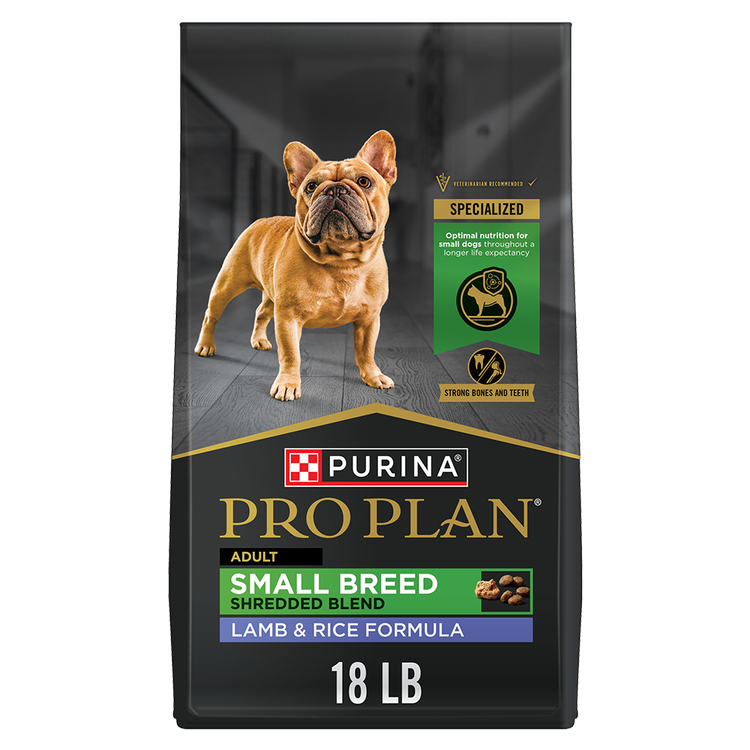
Credit: www.purina.com
Nutritional Needs Of Small Breeds
Small breed dogs have unique nutritional needs. Their bodies work differently than larger dogs. Feeding them the right food supports their health and energy. Understanding these needs helps choose the best adult dog food for them.
Calorie Requirements
Small breeds burn calories faster than big dogs. They need more calories per pound of body weight. This keeps their energy up throughout the day. Feeding low-calorie food may cause them to feel tired or weak.
Protein And Fat Levels
Protein helps build muscles and repair tissues. Small dogs need moderate to high protein levels. Fat provides energy and supports skin and coat health. Healthy fats like omega-3 and omega-6 are important for small breeds.
Vitamin And Mineral Needs
Vitamins and minerals support bones, teeth, and immune health. Small breeds need balanced amounts to stay strong. Key nutrients include calcium, phosphorus, and vitamins A and E. Proper intake prevents deficiencies and health problems.
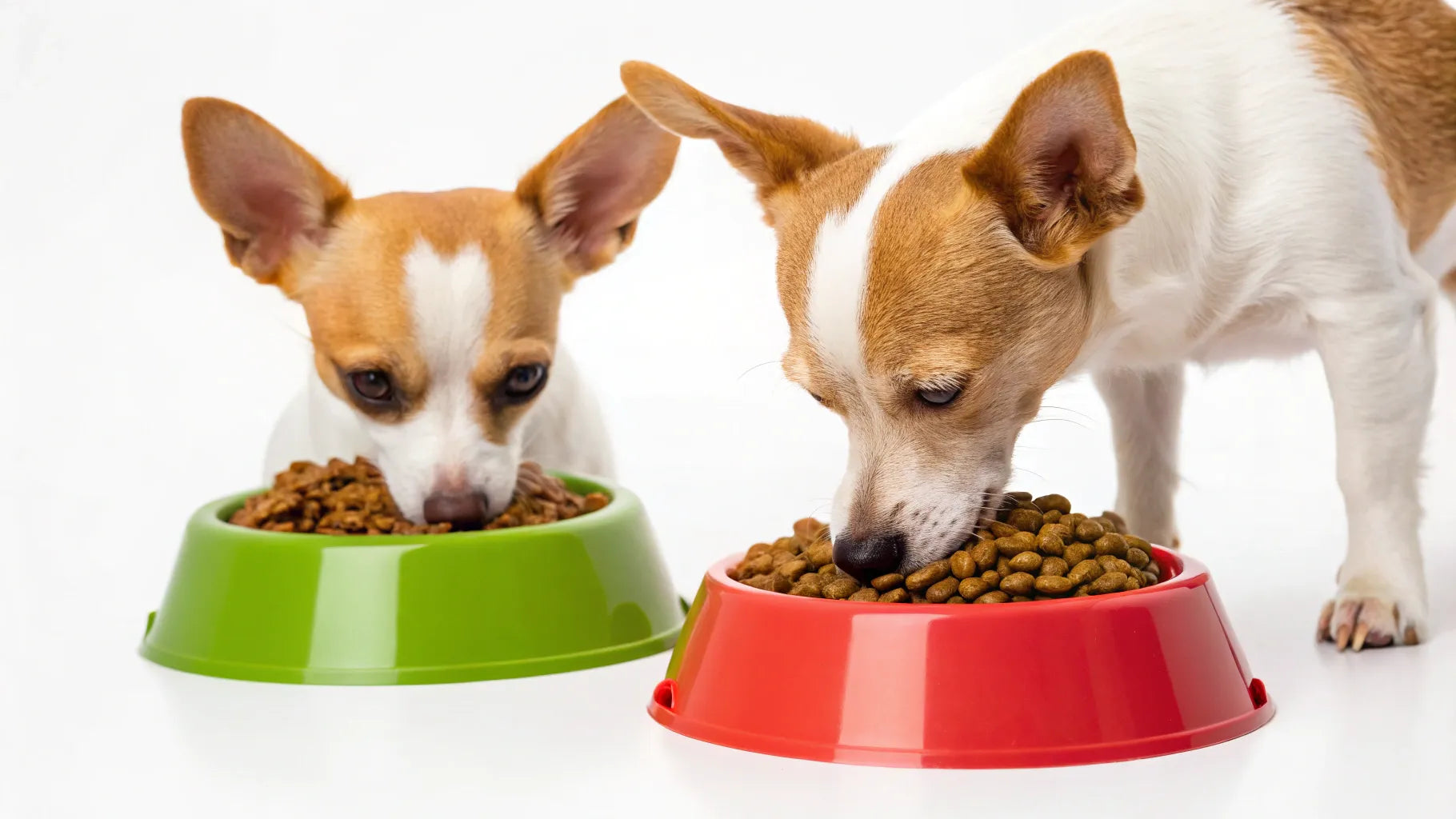
Credit: www.houndsy.com
Differences Between Puppy And Adult Food
Understanding the differences between puppy and adult dog food is essential if you want to keep your small breed dog healthy. These foods are designed with different nutritional goals in mind. Feeding the right type can impact your dog’s energy, growth, and overall well-being.
Formulation Variations
Puppy food is specially crafted to support rapid growth and development. It often contains higher calories and more protein than adult food.
Adult dog food focuses on maintaining health rather than growth, so it usually has balanced nutrients to prevent weight gain.
Think about your own diet—would you eat the same meals as a growing teenager? Dogs have similar changing needs.
Growth Vs Maintenance Nutrients
Puppies need extra nutrients like DHA, calcium, and phosphorus to build strong bones and brains. These nutrients are in higher amounts in puppy food.
Adult dog food reduces these growth-focused nutrients and emphasizes antioxidants and joint support to keep your dog active and healthy.
Giving adult food to a growing puppy might slow their development, while feeding puppy food to an adult dog can cause weight gain. Have you checked what’s in your dog’s bowl today?
Suitability Of Adult Food For Small Breeds
Choosing the right food for small breed dogs is essential. Their nutritional needs differ from larger breeds. Many dog owners wonder about feeding adult dog food to their small companions. This blog explores if adult dog food is suitable for small breeds. Let’s dive into the factors that matter.
Health Implications
Small breeds have unique health needs. Adult dog food may not meet these requirements. Small dogs often require specific nutrients for optimal health. Regular adult food might lack these essentials. Feeding inappropriate food can lead to health issues. It’s crucial to ensure the food supports their overall well-being.
Energy Needs
Small dogs are often energetic. They burn calories faster than larger dogs. Adult dog food may not provide enough energy for small breeds. These dogs need calorie-rich diets to maintain their energy levels. It’s vital to choose a food that fuels their active lifestyle.
Digestibility Factors
Small breeds have sensitive digestion. Adult dog food might be harder for them to digest. Poor digestibility can cause stomach issues. Small dogs benefit from easily digestible foods. This helps in nutrient absorption and prevents digestive discomfort.
Risks Of Feeding Adult Food To Small Dogs
Feeding adult dog food to small breed dogs can cause several health problems. Their bodies need specific nutrients to grow and stay healthy. Adult food might not match these needs, leading to risks. Understanding these risks helps keep small dogs safe and well-nourished.
Nutrient Deficiencies
Small dogs need more calories and nutrients per pound than larger dogs. Adult dog food often lacks the right balance for their fast metabolism. Missing vitamins and minerals can slow growth and weaken bones. Deficiencies can also affect their skin, coat, and energy levels.
Weight Management Issues
Adult food may contain fewer calories than small dogs require. This can cause weight loss or poor muscle development. Some adult formulas have too much fat, leading to weight gain. Overweight small dogs face risks like joint pain and heart problems.
Potential Allergies
Ingredients in adult food sometimes trigger allergies in small dogs. Common allergens include grains, certain proteins, and additives. Allergic reactions cause itching, redness, and digestive upset. Choosing the right food helps prevent these uncomfortable symptoms.
Expert Recommendations
Deciding whether your small breed dog should eat adult dog food requires more than just grabbing a bag off the shelf. Experts emphasize the importance of timing, quality, and professional advice to keep your furry friend healthy and happy. Here’s what you need to know to make the best choice for your pet.
When To Transition Food
Switching your small breed dog from puppy to adult food should happen at the right moment. Typically, most small breeds are ready for adult food between 9 to 12 months of age, but this can vary based on their growth rate.
Watch for signs like slowed growth and changes in energy levels to guide your timing. Moving too early or too late can affect your dog’s digestion and nutrition. Have you noticed your pup’s activity level shifting lately? That might be your cue.
Choosing The Right Brand
Not all adult dog foods are created equal, especially for small breeds with unique nutritional needs. Look for brands that tailor formulas to small breeds, focusing on higher protein, smaller kibble size, and balanced fat content.
Ingredients matter—opt for dog foods with real meat as the first ingredient and avoid unnecessary fillers like corn or soy. Your dog deserves food that supports their metabolism and keeps their coat shiny. Have you checked the ingredient list on your current dog food lately?
Consulting A Veterinarian
Your vet is the best source for personalized advice on your small breed’s diet. They can assess your dog’s health, weight, and activity level to recommend the most suitable adult food.
Regular check-ups allow for adjustments as your dog ages or if health issues arise. Don’t hesitate to bring up your feeding questions during visits—your vet’s guidance can prevent costly mistakes and ensure your dog thrives.
Tips For Feeding Small Breed Dogs
Feeding small breed dogs requires more attention than just picking any adult dog food. Their tiny bodies have unique needs that affect how much and how often they should eat. Getting these details right helps keep your little companion happy and healthy.
Portion Control
Small breed dogs have faster metabolisms but smaller stomachs. This means they need smaller portions that meet their energy needs without overloading their system. Use a kitchen scale or measuring cup to serve exact amounts instead of guessing.
Think about your own dog. I once gave my Chihuahua too much food at once, and she got an upset stomach. Adjusting the portions to smaller, balanced servings solved the problem quickly.
Meal Frequency
Because of their fast metabolism, small dogs do better with multiple small meals rather than one or two large ones. Feeding them 3 to 4 times a day helps keep their energy steady and prevents hunger-induced irritability.
Try setting regular meal times and stick to them. This routine not only benefits digestion but also helps with training and behavior management.
Monitoring Health
Watching your dog’s weight, coat condition, and energy levels provides clues about whether their food intake is right. Sudden weight gain or loss should prompt a reevaluation of their diet.
Keep a simple journal or use an app to track changes. Noticing subtle shifts early can save you from costly vet visits later.
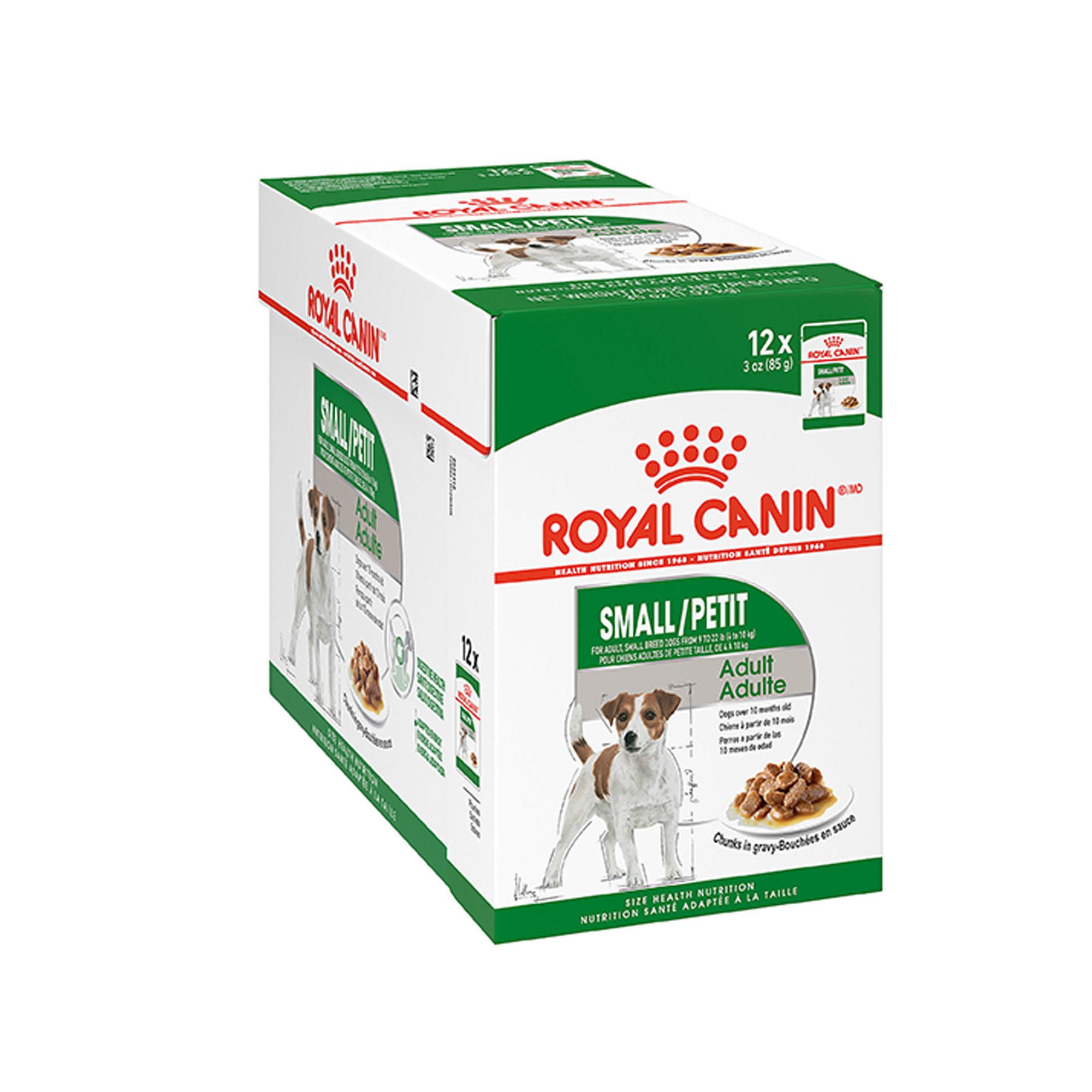
Credit: www.petsmart.ca
Frequently Asked Questions
Can Small Breed Dogs Eat Adult Dog Food Safely?
Yes, small breed dogs can eat adult dog food if it meets their nutritional needs. Choose formulas designed for small breeds. These foods support their metabolism and energy levels. Avoid large kibble sizes that are hard to chew. Consult your vet for personalized advice.
What Are The Risks Of Feeding Adult Food To Small Dogs?
Feeding adult dog food not formulated for small breeds can cause digestive issues. Nutrient imbalances may lead to weight gain or deficiencies. Small dogs need calorie-dense food with proper vitamin levels. Always select food made for their size and age to avoid health problems.
How To Choose The Right Adult Food For Small Dogs?
Look for dog food labeled for small breeds and adult dogs. Check for high protein and fat content to support their energy needs. Smaller kibble size helps with easy chewing. Review ingredient quality and avoid fillers. Consult your vet to ensure it suits your dog’s health.
Can Small Breed Puppies Eat Adult Dog Food?
Small breed puppies should not eat adult dog food. They need puppy-specific nutrition to support growth and development. Adult food lacks essential nutrients and calories required by puppies. Always feed age-appropriate food until your dog reaches adulthood to maintain optimal health.
Conclusion
Small breed dogs can eat adult dog food, but choose carefully. Their smaller size means they need nutrient-rich, well-balanced meals. Adult food may lack some nutrients small breeds need. Always check ingredients and feeding guidelines. Watch your dog’s health and energy levels closely.
Consult your vet to find the best diet. Feeding the right food helps your dog live happily and healthily. Keep your pet’s needs in mind for a long, joyful life.