
Are you wondering if your adult dog can eat senior dog food? It’s a question many pet owners ask, especially when they want the best nutrition for their furry friend.
Choosing the right food can feel confusing, and you want to be sure you’re making the healthiest choice. What if switching to senior dog food could affect your dog’s energy or health? Keep reading, because we’ll break down everything you need to know to make the best decision for your dog’s diet.
Differences Between Adult And Senior Dog Food
Understanding the differences between adult and senior dog food is key to making the right choice for your dog’s diet. These foods are specially formulated to meet the changing needs of dogs at different stages of life. Feeding your adult dog senior dog food might seem harmless, but it’s important to know what sets these diets apart.
Nutritional Needs Of Adult Dogs
Adult dogs require balanced nutrition to maintain energy and support a healthy metabolism. Their diet usually contains moderate levels of protein and fat to keep muscles strong and provide steady energy. Essential vitamins and minerals help keep their immune system sharp and support overall health.
Think about your adult dog’s activity level. If your dog is active, you want food that fuels their energy without causing weight gain. Adult dog food often focuses on maintaining a healthy weight and muscle tone.
Nutritional Needs Of Senior Dogs
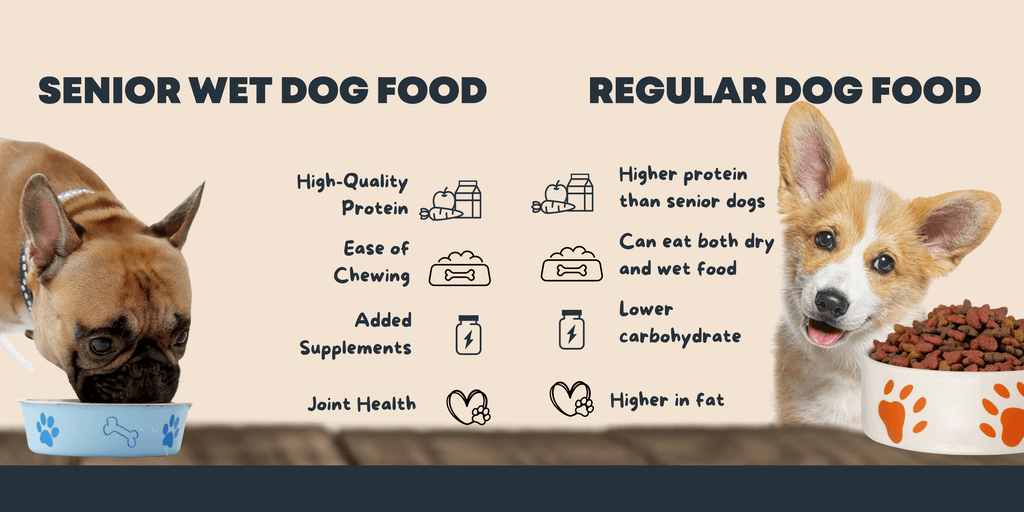
Senior dogs have different nutritional needs due to aging bodies and slower metabolism. They typically need fewer calories to prevent weight gain but higher levels of certain nutrients to support joints and cognitive function. Ingredients like glucosamine and antioxidants become more important for mobility and brain health.
Have you noticed changes in your dog’s energy or joint stiffness? Senior dog food addresses these issues with adjusted nutrient levels and supplements to ease aging effects.
Common Ingredients In Senior Dog Food
- Glucosamine and chondroitin:Support joint health and reduce arthritis symptoms.
- Antioxidants:Help fight free radicals, promoting better brain and immune function.
- Fiber:Improves digestion, which can slow down with age.
- Lower fat content:Helps prevent obesity as metabolism slows.
- High-quality protein:Maintains muscle mass without overloading the kidneys.
Choosing the right food means matching your dog’s current needs. Could feeding senior dog food to an adult dog provide benefits, or might it lack the energy they need? Understanding these differences helps you make smarter feeding decisions.
Potential Benefits Of Senior Food For Adult Dogs
Senior dog food is formulated to meet the changing needs of aging dogs. Adult dogs might benefit from some of these special ingredients. These foods often focus on easier digestion, joint care, and weight control. Here are some potential benefits of feeding senior food to adult dogs.
Lower Calories And Weight Management
Senior dog food usually contains fewer calories. It helps maintain a healthy weight in less active dogs. Adult dogs with a slow metabolism may find this helpful. Controlled calories reduce the risk of obesity. Healthy weight means less strain on the heart and joints. This can improve overall energy levels and well-being.
Joint Support Ingredients
Senior formulas often include ingredients that support joints. Glucosamine and chondroitin are common examples. These help protect cartilage and reduce inflammation. Adult dogs with early joint issues might benefit. Strong joints improve mobility and comfort. This support is important for dogs who exercise a lot or have a history of joint problems.
Digestive Health Components
Senior dog food contains fiber and probiotics. These help improve digestion and gut health. Adult dogs with sensitive stomachs may find relief. Better digestion means better nutrient absorption. It can reduce issues like diarrhea or constipation. Healthy digestion supports the immune system and overall health.
Risks Of Feeding Senior Dog Food To Adults
Feeding senior dog food to adult dogs may cause nutrient imbalances and weight gain. Adult dogs need different energy levels than seniors. This mismatch can affect their health over time.
Feeding senior dog food to an adult dog might seem harmless at first glance. However, it poses certain risks that could affect your dog’s health. Understanding these potential pitfalls can help you make informed dietary choices for your furry friend.Nutritional Imbalance Concerns
Senior dog food is designed to meet the specific needs of aging dogs. It often contains fewer calories and more fiber to support slower metabolisms and potential digestive issues. For an adult dog, this could mean not getting enough protein and essential nutrients necessary for maintaining muscle mass and overall health. You might unknowingly deprive your dog of the balanced diet it needs to thrive.Possible Weight Gain Or Loss
Have you noticed changes in your dog’s weight after switching to senior food? This could be due to the caloric differences. Adult dogs may gain weight if they consume more food to compensate for the lower calorie content, or they might lose weight if they don’t eat enough to meet their energy needs. Monitoring your dog’s weight and adjusting its diet accordingly is crucial.Impact On Energy Levels
A decrease in energy levels can be a noticeable change when an adult dog is fed senior dog food. Senior formulas often contain fewer calories and fats, which might not provide the necessary energy for an active adult dog. You might find your dog less enthusiastic about playtime or walks, which can affect its quality of life. Is your dog’s diet fueling its lifestyle, or is it holding it back? Understanding the link between food and energy can make all the difference.
Credit: www.chewy.com
Veterinary Recommendations
Veterinary recommendations guide pet owners on the best diet for their dogs. Adult dogs have different nutritional needs than senior dogs. Feeding senior dog food to adult dogs is not always suitable. Vets provide advice based on health and lifestyle. Following their guidance helps maintain your dog’s well-being.
When Senior Food May Be Suitable
Senior dog food can suit some adult dogs with special needs. Dogs with joint problems or early signs of aging might benefit. Diets lower in calories and higher in fiber support weight control. Some adult dogs with health issues require senior formulas. Vets suggest this after a thorough health check.
Signs To Monitor In Adult Dogs
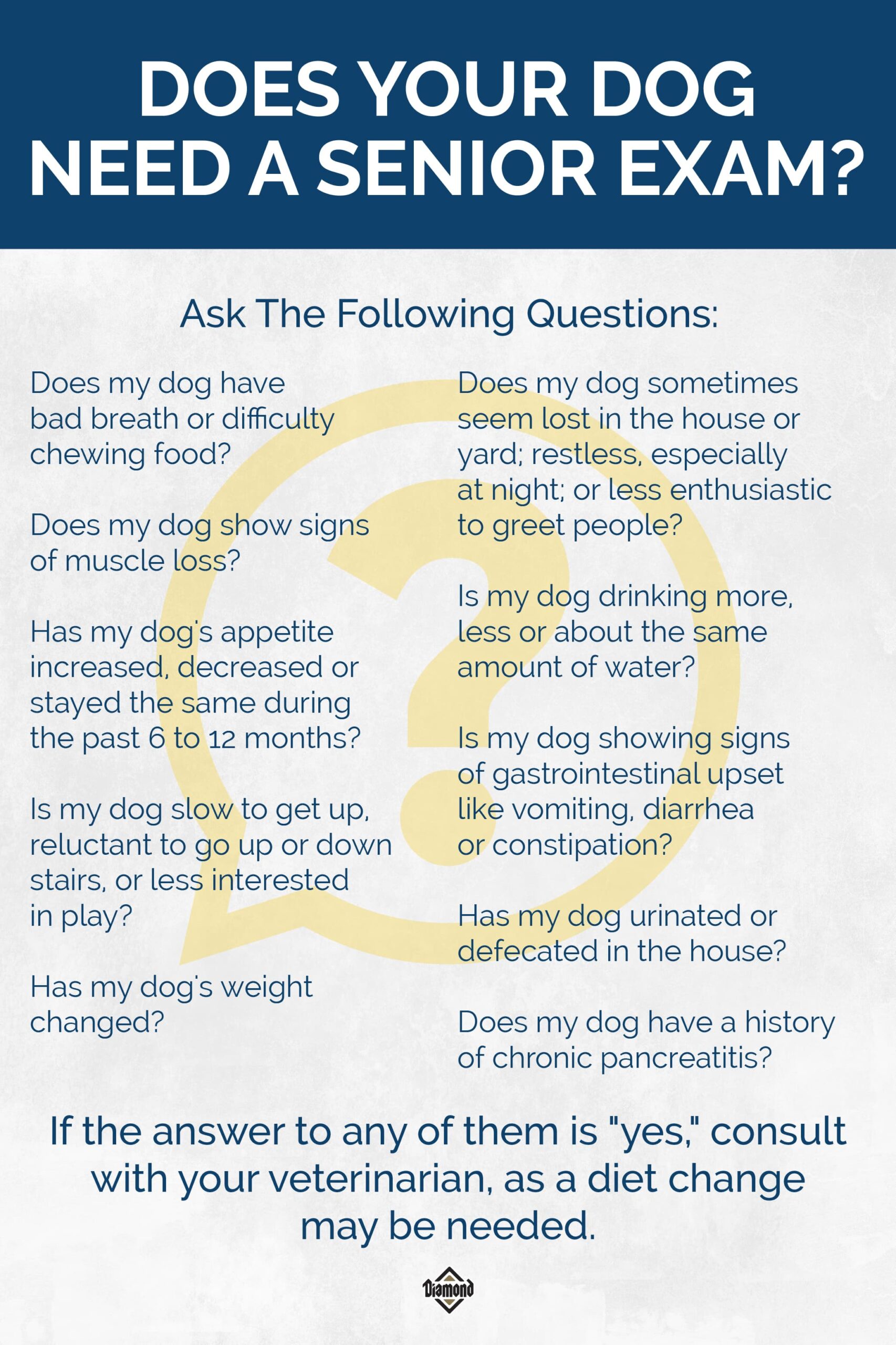
Watch your adult dog for signs that may need diet change. Loss of energy, stiffness, or weight gain are key signals. Changes in appetite or digestion also matter. Regular monitoring helps catch early health issues. Noticing these signs early allows timely vet consultation.
Consulting Your Vet For Diet Changes
Always talk to your vet before changing your dog’s diet. Vets assess your dog’s age, weight, and health status. They recommend the right food type and portion size. Sudden diet changes can upset digestion or cause allergies. A vet’s advice ensures safe and effective feeding plans.
Alternatives To Senior Dog Food For Adults
Finding the right food for your adult dog can be tricky, especially when you wonder if senior dog food might be suitable. While senior dog food is tailored for older dogs, there are plenty of alternatives that meet your adult dog’s nutritional needs without being too rich or limited. Let’s look at some practical options that keep your dog healthy and happy.
Specialized Adult Dog Diets
Adult dogs come in all shapes, sizes, and activity levels, so specialized diets can offer the exact balance they need. You can choose formulas designed for weight management, sensitive stomachs, or high energy levels. These diets focus on your dog’s current lifestyle and health, not just their age.
Think about your dog’s daily routine—are they a couch potato or an active runner? This helps you pick a diet that supports their energy demands and keeps their weight in check. Have you noticed how some foods cause upset stomachs? Specialized diets often avoid common allergens or irritants.
Supplements For Aging Support
Even if your dog isn’t ready for senior food, adding supplements can support their joints, skin, and coat as they mature. Products with glucosamine, omega-3 fatty acids, and antioxidants can make a big difference in comfort and vitality.
You don’t have to switch their entire diet to help their aging process. Adding these supplements to their regular food can boost their health without confusing their digestive system. Have you ever tried supplements and noticed a change in your dog’s mobility or energy?
Homemade Diet Considerations
Some dog owners prefer making homemade meals tailored specifically for their pets. This lets you control every ingredient, ensuring your dog gets fresh, quality nutrition suited to their needs.
However, creating a balanced homemade diet requires research and careful planning. Missing out on essential vitamins or minerals can cause health problems. Consulting a vet or pet nutritionist can help you design meals that keep your dog strong and satisfied.
Would you consider cooking for your dog if it meant better control over what they eat? Many owners find this rewarding but also realize it’s a big commitment.
Credit: www.diamondpet.com

Credit: www.businessinsider.com
Frequently Asked Questions
Can Adult Dogs Eat Senior Dog Food Safely?
Yes, adult dogs can eat senior dog food, but it may lack necessary nutrients for younger dogs. Consult your vet before switching to ensure balanced nutrition and avoid potential deficiencies or excesses that might affect your dog’s health.
What Are The Differences Between Adult And Senior Dog Food?
Senior dog food typically contains fewer calories, more fiber, and joint-supporting nutrients. Adult dog food focuses on balanced energy and maintenance. Each formula suits different life stages to support health and activity levels appropriately.
Will Senior Dog Food Benefit Adult Dogs’ Health?
Senior dog food may aid joint health and digestion due to added supplements. However, it might not meet the higher energy needs of active adult dogs. Always check ingredients and consult your vet for optimal diet choices.
Can Feeding Senior Food To Adult Dogs Cause Weight Gain?
Senior dog food is lower in calories, which might cause weight loss rather than gain in adult dogs. Overfeeding any food can lead to weight issues. Monitor your dog’s weight and adjust portions accordingly.
Conclusion
Adult dogs can eat senior dog food, but it’s not always best. Senior food has fewer calories and added nutrients for older dogs. Young or active dogs might not get enough energy from it. Watch your dog’s health and weight closely.
Talk to your vet before changing their diet. Each dog has unique needs. Feeding the right food helps your dog stay strong and happy. Choose wisely for your dog’s health and comfort.