
Are you wondering what happens if you feed your puppy adult dog food? It might seem like a small change, but this choice can affect your puppy’s growth, energy, and health in surprising ways.
Your puppy needs special nutrition to grow strong and stay healthy, and adult dog food might not give them what they need. Keep reading to find out the risks and what you should do to keep your furry friend happy and healthy.
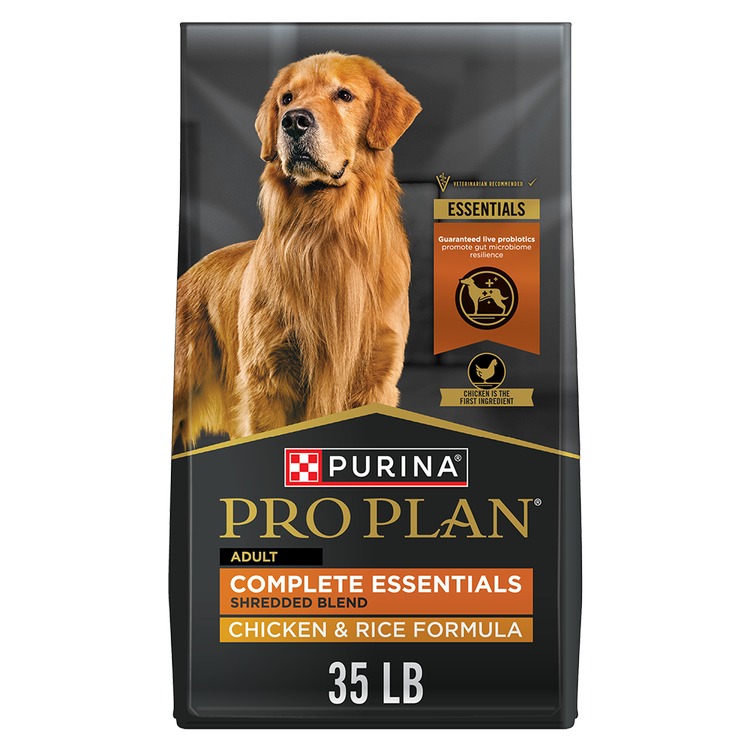
Credit: www.purina.com
Puppy Nutritional Needs
Puppies have unique nutritional needs that differ from adult dogs. Their bodies grow fast, and they require specific nutrients to support this rapid development. Feeding the right food helps ensure they build strong bones, muscles, and a healthy immune system.
Growth And Development Requirements
Puppies need more calories than adult dogs because they burn energy quickly. Their food must support healthy brain and organ growth. Balanced nutrition helps prevent future health problems. Proper feeding encourages good behavior and energy levels.
During growth, puppies require:
- Higher protein levels for muscle development
- More fat for energy and brain function
- Essential vitamins and minerals for bones and immune health
Key Nutrients For Puppies
Protein is crucial for building tissues and repairing cells. Fat provides energy and helps absorb vitamins. Calcium and phosphorus strengthen bones and teeth. DHA, an omega-3 fatty acid, supports brain and eye development.
- Protein: Supports muscle and tissue growth
- Fat: Energy source and vitamin absorption
- Calcium & Phosphorus: Bone and teeth formation
- DHA: Brain and vision development
- Vitamins: Aid in immune function and overall health
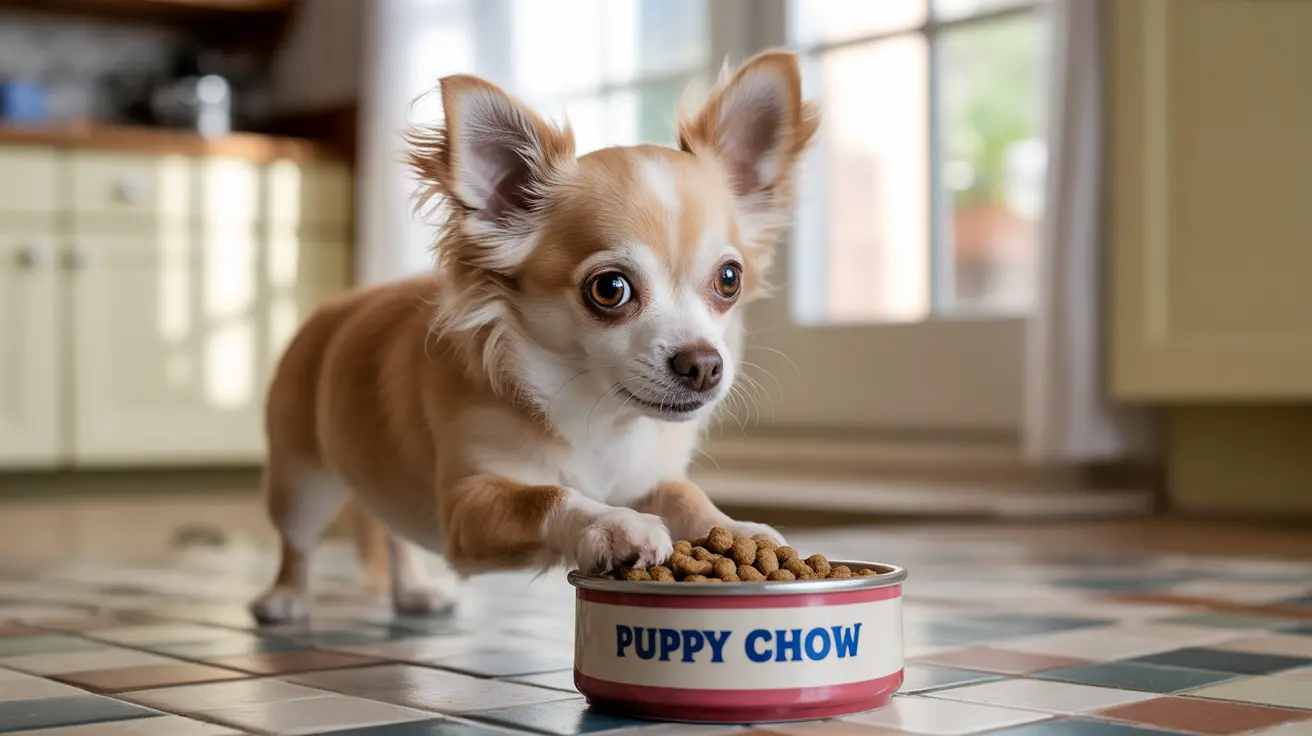
Credit: www.petscare.com
Differences Between Puppy And Adult Dog Food
Puppy food and adult dog food differ significantly. Puppies need more energy and nutrients for growth. Adult dogs require food that maintains their health and weight. Feeding adult food to a puppy can affect its development. Understanding these differences helps in choosing the right diet for your puppy’s stage of life.
Calorie And Protein Content
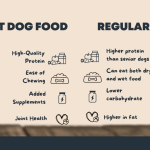
Puppy food contains higher calories than adult dog food. Puppies burn more energy while growing and playing. They need more protein to build strong muscles and tissues. Adult dog food has fewer calories to prevent weight gain. Protein levels in adult food support maintenance, not growth.
Vitamin And Mineral Levels
Puppy food is rich in vitamins and minerals for bone growth. Calcium and phosphorus are carefully balanced in puppy diets. Adult dog food has lower levels of these minerals. Too much calcium in adult food can harm puppies. Vitamins in puppy food boost the immune system and brain development.
Potential Risks Of Feeding Adult Food To Puppies
Feeding your puppy adult dog food might seem like a simple shortcut, but it can lead to serious health problems. Puppies have different nutritional needs than adult dogs, and adult food often lacks the right balance to support their rapid growth and development. Ignoring these differences could cause more harm than good, affecting your puppy’s overall wellbeing.
Nutrient Deficiencies
Puppies need higher levels of protein, fat, and specific vitamins to build strong bones and muscles. Adult dog food usually has fewer nutrients, which can leave your puppy lacking essential building blocks for healthy growth.
Without enough calcium and phosphorus, for example, your puppy’s bones might not develop properly. You might notice weaker joints or slower recovery from minor injuries, which could have long-term effects on mobility.
Digestive Issues
Your puppy’s digestive system is more sensitive than an adult dog’s. Adult food might be harder for them to digest, causing upset stomachs, diarrhea, or constipation.
Feeding the wrong food can lead to discomfort and even reduce your puppy’s appetite. Have you ever seen your puppy refuse meals or become sluggish? This could be a sign that their food isn’t agreeing with them.
Slowed Growth
Growth is a critical phase for puppies, and the right nutrition fuels this process. Adult dog food lacks the extra calories and nutrients needed, which can slow down your puppy’s growth.
Smaller size and delayed milestones might seem harmless at first, but they can indicate deeper health issues. Don’t let your puppy miss out on their full potential by feeding food that’s not designed for their needs.
Signs Your Puppy May Be Affected
Feeding your puppy adult dog food might seem harmless, but it can lead to noticeable changes in your furry friend. Recognizing the signs early helps you adjust their diet before bigger problems arise. Here are some key indicators that your puppy may be affected by eating adult dog food.
Weight Changes
Puppies need specific nutrients to grow properly, and adult dog food usually contains fewer calories and different nutrient ratios. You might notice your puppy losing weight unexpectedly or struggling to gain enough. On the other hand, some puppies may gain weight if the food is too rich or not balanced for their age.
Have you weighed your puppy recently? A sudden shift in weight can signal that the current diet isn’t meeting their needs.
Behavioral Symptoms
Your puppy’s energy levels and mood can also reveal diet issues. If your usually playful puppy becomes lethargic or less interested in activities, it could be due to inadequate nutrition. Additionally, signs like irritability or difficulty concentrating during training might appear.
Think about your puppy’s daily behavior—are they acting different? Changes in behavior often point to underlying health or nutritional problems.
Health Complications
Puppies fed adult dog food may face digestive problems like diarrhea or constipation. Skin and coat issues, such as dullness or excessive shedding, might also develop. Over time, improper nutrition can weaken their immune system, making them more prone to infections.
Have you noticed any health changes after switching food? Addressing these complications early can prevent long-term damage and keep your puppy thriving.
When To Transition To Adult Dog Food
Knowing the right time to switch your puppy to adult dog food is crucial for their growth and health. Feeding adult food too early or too late can affect their nutrition and development. Let’s look at key factors that help you decide the perfect timing for this change.
Age Guidelines
Puppies grow fast, and their nutritional needs change quickly. Most dogs can transition to adult dog food between 9 to 12 monthsof age.
Smaller breeds often mature faster and may be ready closer to 9 months. Larger breeds, however, might need puppy food until 12 to 18 months because their growth lasts longer.
Have you noticed your puppy’s energy levels or appetite shifting? These can be clues that their diet needs an update.
Breed And Size Considerations
Breed size plays a big role in deciding when to switch to adult food. Small breeds reach maturity sooner, so switching earlier can prevent excess calorie intake.
Large and giant breeds require diets that support slow, steady growth to avoid joint problems. Their adult food introduction should be more gradual.
| Breed Size | Recommended Age to Switch | Reason |
|---|---|---|
| Small Breeds (under 20 lbs) | 9 – 12 months | Faster maturity, prevent obesity |
| Medium Breeds (20-50 lbs) | 12 months | Balanced growth and energy needs |
| Large Breeds (over 50 lbs) | 12 – 18 months | Support joint and bone development |
Consider your puppy’s breed and size before making the switch. Have you talked to your vet about the best timing? Their advice can tailor the plan to your dog’s unique needs.
Tips For Safely Switching Puppy Food
Feeding a puppy adult dog food can cause poor growth and digestive problems. Gradually mix puppy food with adult food to avoid stomach upset. Monitor your puppy’s health closely during the switch.
Switching your puppy’s food can be a delicate process that requires careful planning and attention. Puppies have different nutritional needs than adult dogs, and feeding them the wrong type of food can impact their health and development. Transitioning to a new food, whether it’s from puppy food to adult dog food or simply changing brands, should be done with care. Here are some tips to help you safely switch your puppy’s food without causing any digestive issues or nutritional imbalances.Gradual Transition Methods
A gradual transition is key to helping your puppy adjust to a new diet smoothly. Sudden changes can upset their stomach, leading to digestive issues like diarrhea. – Start with a Mix: Begin by mixing a small amount of the new food with the current puppy food. A common ratio is 75% old food to 25% new food. – Increase Gradually: Over the course of a week, gradually increase the proportion of new food while decreasing the old food. Aim for a complete switch in about 7-10 days. – Observe Reactions: Pay attention to your puppy’s reactions during the transition. If you notice any adverse effects, slow down the process.Monitoring Your Puppy’s Health
Keeping a close eye on your puppy’s health during the food transition is crucial. Changes in diet can sometimes lead to unexpected reactions. – Watch for Signs: Look for signs like vomiting, diarrhea, or changes in appetite. These may indicate that the new food isn’t agreeing with them. – Check Energy Levels: Notice any changes in your puppy’s energy levels. A decrease might suggest they’re not getting the nutrients they need. – Consult a Vet: If any concerning symptoms persist, consult your veterinarian. They can provide guidance tailored to your puppy’s specific needs. Switching your puppy’s food doesn’t have to be a daunting task. With careful planning and attention, you can make the transition smooth and stress-free for both you and your furry friend. Are you ready to make the switch with confidence?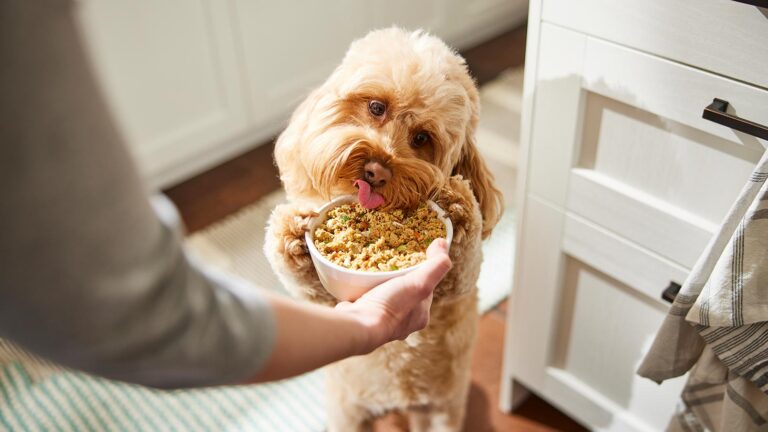
Credit: www.chewy.com
Frequently Asked Questions
What Happens If My Puppy Eats Adult Dog Food?
Feeding adult dog food to a puppy may cause nutrient imbalance. Puppies need more calories, protein, and vitamins for growth. Adult food lacks these, possibly leading to stunted growth and weak immunity. Always choose puppy-specific food for optimal health and development.
Can Adult Dog Food Harm A Puppy’s Growth?
Yes, adult dog food can harm a puppy’s growth. It contains fewer essential nutrients like calcium and protein. These are vital for developing bones and muscles. Feeding adult food may cause developmental delays and health issues. Use puppy food to support healthy growth.
How Long Can A Puppy Eat Adult Dog Food Safely?
Puppies should not eat adult dog food for extended periods. A few accidental meals are okay but not ideal. Long-term feeding risks nutritional deficiencies and growth problems. Transition to puppy food until around 12 months old for balanced nutrition.
Is Adult Dog Food Less Nutritious For Puppies?
Adult dog food is less nutritious for puppies. It has lower levels of protein, fat, and calories needed for growth. Puppies require nutrient-rich diets to build strong bones and immune systems. Always select specially formulated puppy food for their unique needs.
Conclusion
Feeding a puppy adult dog food can affect growth and health. Puppies need special nutrients for strong bones and energy. Adult food may lack these important nutrients. This can lead to slow growth or health problems. Always choose food made for puppies.
It helps your puppy grow healthy and strong. Remember, good nutrition builds a happy, active dog. Taking care of your puppy’s diet is simple but important. Make the right choice today for a bright future.