
Switching your dog to adult food should be a simple step in their growth, but what do you do when it causes diarrhea? It’s frustrating and worrying to see your furry friend uncomfortable.
You want to help them feel better fast, but you’re not sure how. You’ll discover why this happens and exactly what you can do to keep your dog healthy and happy during this change. Keep reading—your dog’s comfort depends on it.
Credit: www.petscare.com
Causes Of Diarrhea After Switching Food
Switching your dog’s food can sometimes lead to unexpected tummy troubles, like diarrhea. Understanding the root causes helps you manage this issue effectively and keeps your dog comfortable. Let’s look at the common reasons why diarrhea happens after changing your dog’s diet.
Dietary Changes And Digestive Upset
Your dog’s digestive system needs time to adjust to new ingredients and nutrients. Sudden switches overwhelm the gut, causing loose stools or diarrhea. Gradual transition over 7-10 days often prevents this upset.
Think about how you feel after suddenly eating unfamiliar food. Your dog’s gut reacts similarly, making a slow introduction crucial.
Food Sensitivities And Allergies
New adult dog food might contain ingredients your pet’s sensitive system can’t handle. Common culprits include grains, certain proteins, or additives. Watch for other signs like itching or vomiting alongside diarrhea.
If your dog’s diarrhea persists despite a slow transition, consider food allergies. You may need to try a limited ingredient or hypoallergenic formula.
Overfeeding And Portion Control
Even the best adult dog food can cause diarrhea if you feed too much too quickly. Overloading the stomach stresses digestion and leads to loose stools. Check feeding guidelines carefully and adjust portions based on your dog’s weight and activity level.
Have you measured your dog’s portions lately? Small changes in quantity can make a big difference in stool quality.
Signs To Watch For
Switching your dog to adult food can sometimes upset their stomach, leading to diarrhea. Knowing what signs to watch for helps you decide when to take action or seek help. Paying close attention to your dog’s condition ensures you don’t overlook any serious issues.
Severity And Frequency Of Diarrhea
Notice how often your dog has diarrhea. Is it once or multiple times a day? Occasional loose stools might just mean their digestive system is adjusting.
Also, check how severe it is. Is it just soft stools or watery and uncontrollable? Watery diarrhea that lasts more than a day or is accompanied by blood is a red flag.
Ask yourself: Is your dog able to hold it, or do they have accidents frequently? Frequent diarrhea can quickly lead to dehydration, which needs immediate attention.
Additional Symptoms To Note
Look beyond diarrhea. Is your dog lethargic or refusing to eat? These could be signs that the issue is more than just a food change.
Vomiting, excessive thirst, or a swollen belly are important symptoms to watch for. These signs may indicate an underlying health problem needing a vet’s care.
Remember, your dog can’t tell you how they feel. Watching their behavior closely is your best way to understand their health during this transition.
Immediate Steps To Take
Switch your dog’s food slowly over 7 to 10 days to avoid stomach upset. Offer plenty of fresh water and monitor their stool. If diarrhea continues, consult a veterinarian promptly for advice.
Switching your dog to adult food can sometimes lead to digestive issues like diarrhea. This can be concerning, but there are immediate steps you can take to address the situation. Addressing these issues promptly not only ensures your dog’s comfort but also prevents further health complications. What should you do when your furry friend faces such a challenge?Temporarily Revert To Previous Food
If the new adult dog food is causing diarrhea, consider temporarily switching back to the previous food. This familiar diet can help stabilize your dog’s digestive system. It’s like hitting the reset button for their tummy. Monitor your pet closely to see if the symptoms improve after the change.Hydration And Electrolyte Balance
Diarrhea can lead to dehydration, which is dangerous for dogs. Ensure your dog has constant access to fresh, clean water. Consider offering an electrolyte solution designed for pets. These solutions help replenish lost minerals and support recovery.Fasting Periods For Digestive Rest
Allowing your dog’s digestive system to rest can be beneficial. You might skip one meal to give their stomach a break. This period of fasting can reduce irritation and give the intestines time to heal. Taking these steps can significantly aid in your dog’s recovery. Remember, always consult your vet if symptoms persist or worsen. Have you faced a similar situation with your pet? How did you handle it? Your experience could be a great help to others navigating the same issue.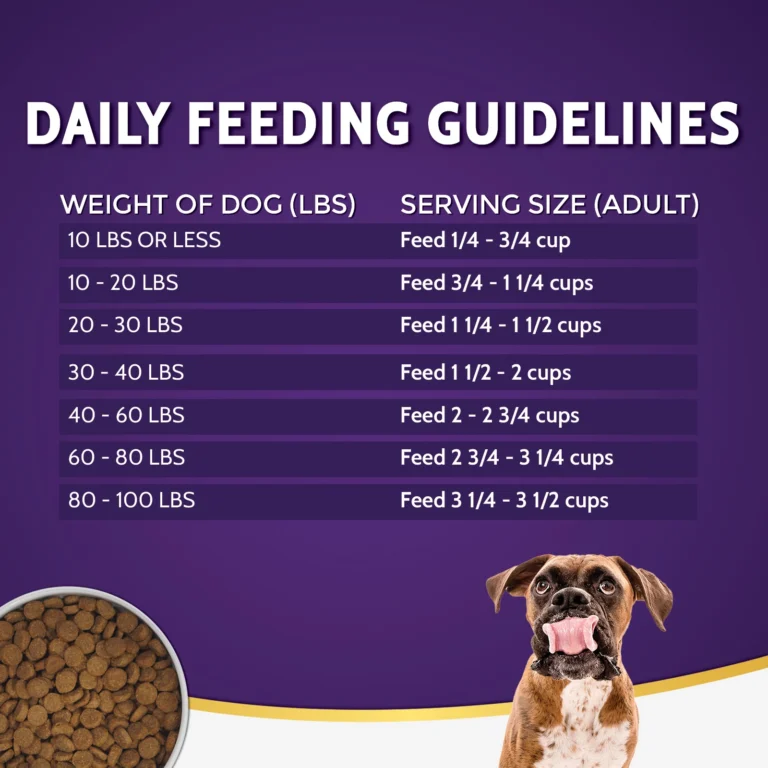
Credit: zignature.com
Gradual Food Transition Tips
Switching your dog to adult food can sometimes upset their stomach, leading to diarrhea. A sudden change in diet shocks their digestive system. A smooth, gradual transition helps your dog adjust comfortably and keeps their tummy calm.
Slow Introduction Schedule
Start by adding just a small amount of the new adult dog food to your pet’s current diet. Over the next 7 to 10 days, slowly increase the new food portion while decreasing the old food. This slow schedule gives your dog’s digestive system time to adapt without overwhelming it.
Think about how you feel if you suddenly change your entire diet overnight—your dog experiences something similar. How patient are you willing to be to avoid those uncomfortable tummy troubles?
Mixing Old And New Food
Mixing the two types of food is key. Begin with about 25% new food mixed with 75% old food. After a few days, change the ratio to 50/50, then 75/25, until your dog is eating only the new adult food.
Use a clean bowl and mix the foods well to ensure your dog gets a consistent taste every meal. This consistency helps prevent food rejection and reduces the risk of diarrhea.
Monitoring Your Dog’s Response
Watch your dog closely during the transition. Check for signs like loose stools, vomiting, or a sudden drop in appetite. If diarrhea continues beyond a few days or worsens, it’s important to pause the switch and consult your vet.
Keep a daily log of your dog’s stool consistency and eating habits. Have you noticed any patterns that could help you adjust the transition pace better?
Home Remedies And Supportive Care
Switching your dog to adult food can sometimes upset their digestive system, leading to diarrhea. During this adjustment period, you can use simple home remedies and supportive care to ease your dog’s discomfort and help restore gut balance. These approaches focus on gentle nutrition and maintaining hydration while avoiding anything that could worsen the problem.
Probiotics For Gut Health
Probiotics can be a game-changer for dogs experiencing diarrhea after a diet change. These beneficial bacteria help restore the natural balance in your dog’s gut, improving digestion and reducing inflammation.
You can find probiotic supplements specifically designed for dogs at pet stores or use plain, unsweetened yogurt in small amounts. Have you noticed how a small spoonful of yogurt often calms your own stomach? It can work similarly for your dog, but always check with your vet before starting any new supplement.
Bland Diet Options
A bland diet gives your dog’s digestive system a break. Simple foods like boiled chicken (no skin or seasoning) and plain white rice are easy to digest and can firm up stools.
Feed small portions multiple times a day instead of one large meal. This reduces the workload on your dog’s stomach and helps prevent further upset. Have you tried this approach to see if it shortens the diarrhea phase?
Avoiding Harmful Human Foods
It’s tempting to share your food when your dog looks at you with those big eyes, but some human foods can worsen diarrhea or cause other health issues. Avoid anything spicy, fatty, or sugary, as well as onions, garlic, chocolate, and grapes.
Stick to dog-safe treats and the bland diet until your pet’s digestive system settles. This careful attention can make a big difference in how quickly your dog recovers.
When To See A Vet
Switching to adult dog food can sometimes upset your dog’s stomach. Diarrhea might occur as their digestive system adjusts. Most cases improve quickly with simple care at home. Some situations require professional help. Knowing when to see a vet protects your dog’s health and comfort.
Persistent Or Severe Diarrhea
Diarrhea lasting more than two days needs veterinary attention. Severe diarrhea can cause your dog to lose vital nutrients. Watch for frequent watery stools or blood in the stool. These signs show a serious problem. Immediate care prevents complications and speeds recovery.
Signs Of Dehydration Or Illness
Diarrhea often leads to dehydration. Look for dry gums, sunken eyes, or lethargy. Your dog may also refuse to eat or drink. These symptoms signal the need for a vet visit. Early treatment helps avoid dangerous dehydration and illness.
Potential Underlying Health Issues
Some dogs react to adult food due to hidden health problems. Allergies, infections, or digestive disorders can cause diarrhea. A vet can diagnose these issues through tests. Proper diagnosis ensures the right treatment plan. Don’t ignore ongoing diarrhea as it may hide serious illness.
Preventing Future Digestive Issues
Switching your dog to adult food can sometimes lead to tummy troubles like diarrhea. Preventing these issues requires thoughtful choices and habits that support your dog’s digestive health. Paying attention to what you feed, how you feed, and your dog’s overall health can make a big difference.
Choosing The Right Adult Dog Food
Pick an adult dog food that matches your dog’s breed, size, and health needs. Look for formulas with high-quality protein and easily digestible ingredients.
If your dog has a sensitive stomach, consider foods with limited ingredients or those labeled for sensitive digestion. Always check the ingredient list for artificial additives or fillers that could upset your dog’s system.
Consistent Feeding Routine
Dogs thrive on routine. Feed your dog at the same times every day and stick to consistent portion sizes.
A sudden change in feeding times or amounts can stress your dog’s digestive system and cause diarrhea. Gradually introduce any new food over 7-10 days by mixing it with the old food to help your dog adjust smoothly.
Regular Health Checkups
Regular vet visits can catch digestive problems before they worsen. Your vet can recommend diet adjustments or identify underlying health issues causing diarrhea.
Have you ever noticed that your dog’s digestive issues improve after a vet visit? That’s because professional advice tailored to your dog’s needs makes a real difference. Don’t wait for symptoms to escalate—schedule checkups to keep your dog’s gut happy and healthy.
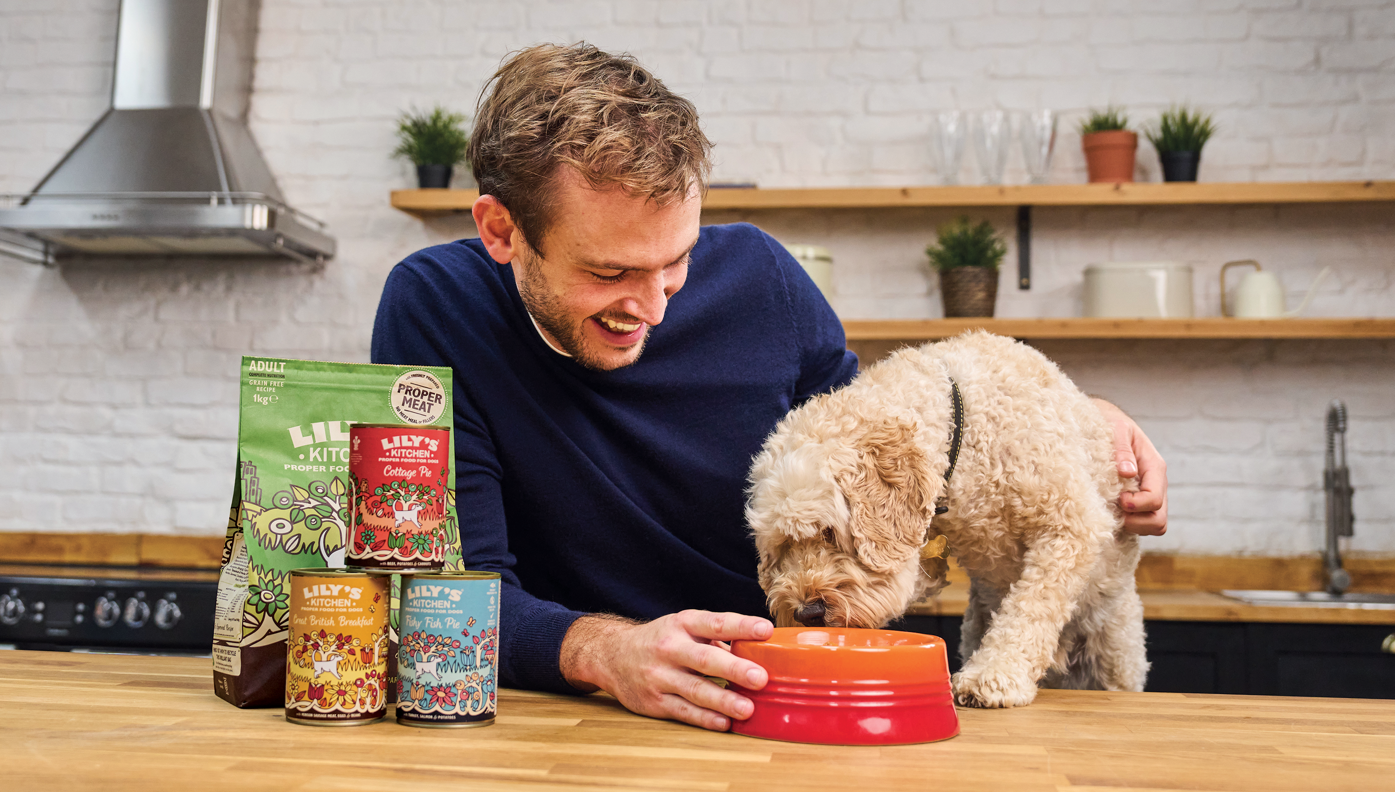
Credit: www.lilyskitchen.co.uk
Frequently Asked Questions
Why Does Switching To Adult Dog Food Cause Diarrhea?
Switching dog food abruptly can disrupt digestion. The new ingredients may irritate the gut. Gradual food transition helps prevent diarrhea and supports digestive adjustment.
How Long Does Diarrhea Last After Changing Dog Food?
Diarrhea usually lasts 3 to 5 days after the switch. If it persists longer, consult a veterinarian. Timely intervention prevents dehydration and other complications.
What Is The Best Way To Switch Dog Food Safely?
Mix old and new food gradually over 7 to 10 days. Increase new food portion daily. This slow transition minimizes digestive upset and diarrhea risks.
Should I Stop Feeding Adult Dog Food If Diarrhea Occurs?
Do not stop abruptly. Pause new food and feed bland diet temporarily. Consult your vet for advice and safe reintroduction of adult dog food.
Conclusion
Switching to adult dog food can upset your dog’s stomach. Diarrhea may happen but usually improves soon. Give your dog time to adjust gently. Offer plenty of fresh water to avoid dehydration. Choose high-quality food with familiar ingredients. Consult your vet if diarrhea lasts more than a few days.
Watch for other signs like lethargy or vomiting. Patience and care help your dog feel better fast. Keep changes slow to protect your dog’s health. Your dog will enjoy adult food once settled in.