
Are you wondering if it’s time to switch your 11-month-old dog to adult food? Making the right choice about your dog’s diet is crucial for their health and happiness.
You want to give your furry friend the best nutrition without risking any issues. This decision might feel confusing, but don’t worry—you’re not alone. You’ll discover exactly when and why you should consider adult food for your pup. Keep reading to find out how to make this transition smooth and safe for your loyal companion.
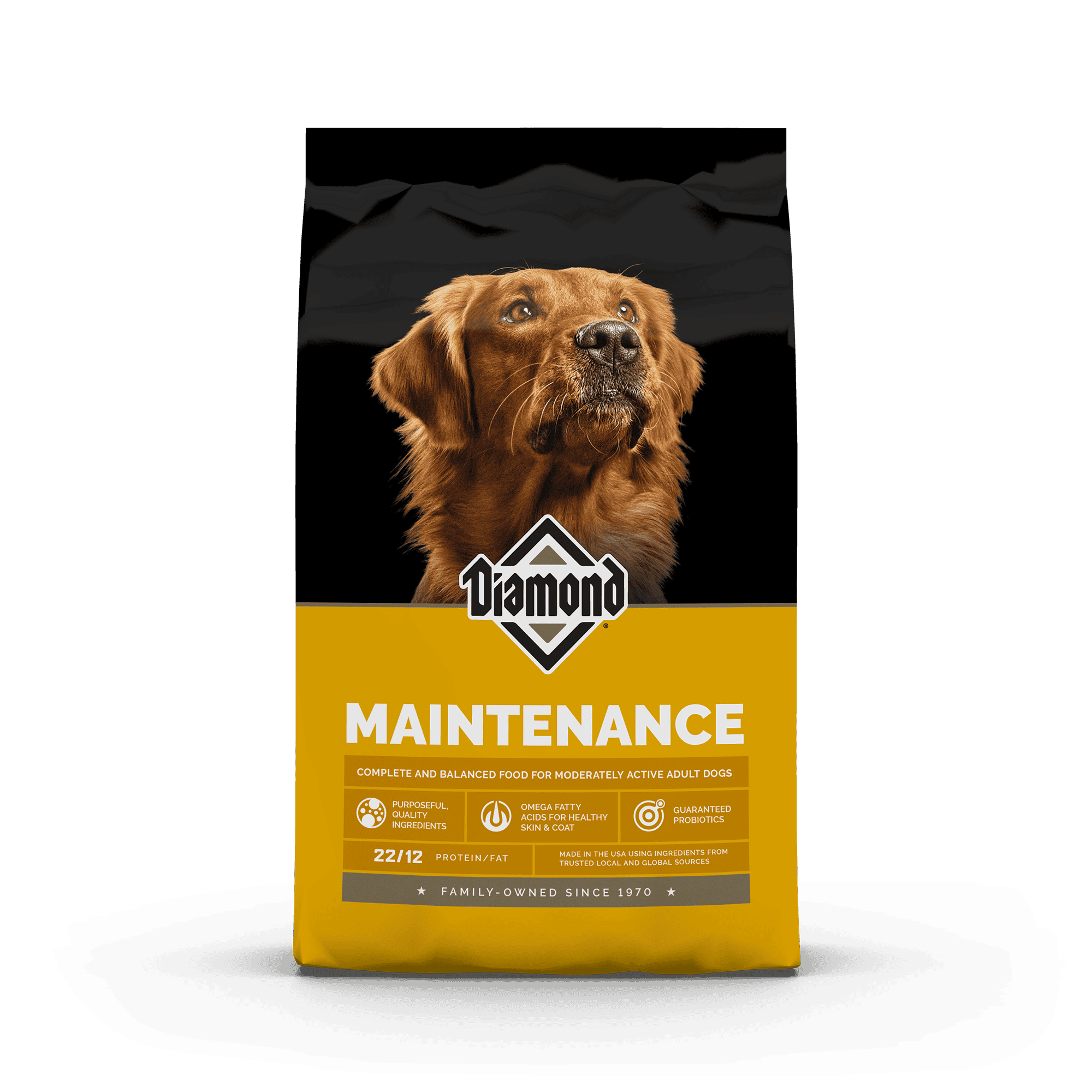
Credit: www.diamondpet.com
When To Transition To Adult Food
Knowing the right time to switch your 11-month-old dog from puppy food to adult food is important for their health and growth. Transitioning too early or too late can affect their nutrition and energy levels. Paying attention to your dog’s development helps you make the best decision for their diet.
Signs Your Dog Is Ready
Your dog may start showing signs that they are ready for adult food around 11 months, but every dog is different. Look for changes like slower growth or a decrease in puppy energy levels. If your dog’s weight stabilizes and they seem less hyperactive, it could be time to switch.
Also, observe their coat and digestion. A shiny coat and solid stools often mean their current food suits them, but if you notice any changes, adult food might be better. Have you seen your dog’s appetite change recently? That can be a hint, too.
Breed And Size Considerations
Breed and size make a big difference in when to move to adult food. Small breeds often mature faster and can switch earlier, sometimes around 9 to 12 months. Larger breeds may need puppy food longer, up to 18-24 months, because they grow at a slower pace.
Think about your dog’s size compared to breed standards. A Great Dane’s nutritional needs differ from a Chihuahua’s. If you’re unsure, ask yourself: Is my dog still growing in height or filling out? If yes, keep puppy food a bit longer.
Veterinarian Recommendations
Your vet knows your dog’s health better than anyone else. They can help you decide the exact time to transition based on growth, weight, and overall health. Don’t hesitate to ask about the best adult food options tailored to your dog’s needs.
Sometimes, vets suggest a gradual switch over 7-10 days to avoid stomach upset. Have you talked to your vet about your dog’s current diet? Their advice can save you from common feeding mistakes and ensure your dog stays happy and healthy.
Differences Between Puppy And Adult Food
Puppy food and adult dog food serve different purposes. Puppies need special nutrients to grow strong and healthy. Adult dogs require a diet that maintains their health without extra growth support. Feeding the right food helps your dog feel good and stay active.
Nutritional Needs
Puppy food has more protein and fat. These nutrients support muscle and brain development. It also contains extra vitamins and minerals for bones and teeth. Adult dog food has balanced nutrients for energy and maintenance. It focuses on keeping your dog fit and healthy.
Calorie Content
Puppies need more calories per pound of body weight. Their fast growth and energy use demand this. Adult dog food has fewer calories to prevent weight gain. It matches the slower metabolism of grown dogs. Feeding adult food too early may cause nutrient shortages.
Ingredient Variations
Puppy food often includes ingredients for immune support and digestion. It may have DHA, an important fat for brain growth. Adult dog food ingredients focus on joint health and coat condition. The formulas differ to meet the changing needs of your dog’s life stage.
Risks Of Switching Too Early Or Too Late
Switching your 11-month-old dog to adult food too early can cause nutrient gaps. Waiting too long may lead to excess calories and weight gain. Timing the change carefully supports healthy growth and energy.
Switching your 11-month-old dog to adult food too early or too late can pose significant risks. Timing is crucial for their health and well-being. Transitioning at the right moment ensures they get the appropriate nutrients needed for their growth.Potential Health Issues
Introducing adult food too early can lead to digestive problems. Puppies have different nutritional needs, requiring higher protein and fat levels. Adult food may lack these, causing your pup to miss out on essential nutrients. On the other hand, delaying the switch can also be harmful. Continued use of puppy food can lead to obesity. Puppy food is calorie-dense, and an older dog might gain unnecessary weight, leading to health issues like joint problems.Growth And Development Concerns
Switching at the wrong time can affect your dog’s growth. Puppies need specific nutrients to develop muscles and bones properly. Adult food might not provide enough calcium, crucial for growing bones. Moreover, the lack of proper nutrition can impact their energy levels. You might notice your dog becoming lethargic or less playful. Their playful nature is a sign of healthy development, and any change might indicate a dietary issue. Is your dog’s coat looking dull? Diet plays a significant role in their skin and coat health. Ensuring they get the right nutrients at the right time can keep them looking vibrant. Finding the right time to switch involves observing your dog’s growth and consulting with your vet. How has your experience been with transitioning your pup’s diet? Share your insights and learn from fellow dog lovers.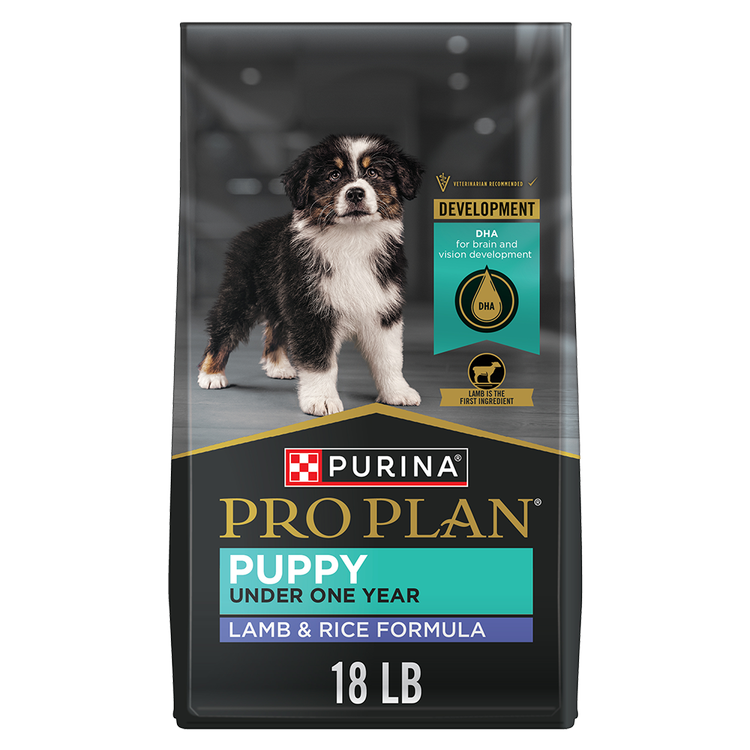
Credit: www.purina.com
How To Transition Safely
Switching your 11-month-old dog to adult food requires care and attention. A sudden change can upset their stomach or cause them to reject the new food. Taking the right steps ensures your dog adjusts smoothly and stays healthy during this important transition.
Gradual Food Mixing
Start by mixing a small amount of adult food with your dog’s current puppy food. You might begin with 25% adult food and 75% puppy food for a few days.
Slowly increase the adult food portion while decreasing the puppy food over 7 to 10 days. This gentle switch helps your dog’s digestive system adapt without shock.
Monitoring Your Dog’s Reaction
Keep a close eye on your dog’s digestion and energy levels during the transition. Watch for signs like vomiting, diarrhea, or unusual lethargy.
If you notice any discomfort, slow down the transition or consult your vet. Your dog’s reaction is the best guide to how fast you should proceed.
Adjusting Portion Sizes
Adult food often has different calorie content than puppy food. You’ll need to adjust portion sizes accordingly to avoid overfeeding or underfeeding.
Check the feeding guidelines on the adult food package and compare them with your dog’s current intake. Monitoring your dog’s weight and body condition helps you fine-tune the portions effectively.
Special Considerations For Large Breeds
Large breed dogs have unique nutritional needs, especially as they transition from puppy to adult food. Their growth patterns and physical demands differ significantly from smaller breeds. Understanding these differences can help you make better decisions about your 11-month-old dog’s diet and overall well-being.
Slower Growth Rates
Large breed puppies grow at a slower pace compared to smaller dogs. This slower growth helps prevent developmental issues like bone and joint problems. Feeding them adult food too early may cause them to miss out on essential nutrients designed for gradual growth.
Think about your dog’s breed size and growth timeline. Have you noticed if your dog seems ready for a diet change, or do they still look like they’re growing? Adjusting feeding times to match their growth rate can protect their long-term health.
Joint Health Support
Joint health is critical for large breeds, especially as they approach adulthood. Puppy foods for large breeds often contain extra supplements like glucosamine and chondroitin, which support joint development. Switching to adult food too soon might reduce these supportive nutrients.
If your dog shows signs of stiffness or discomfort, it could be linked to their diet. You can talk to your vet about adding joint supplements or choosing adult foods that still support joint health. How proactive are you in monitoring your dog’s mobility as they grow?
Credit: www.petmd.com
Expert Tips For Choosing Adult Dog Food
Choosing the right adult dog food for your 11-month-old pup is more than just grabbing the first bag off the shelf. It requires understanding what your dog’s body needs as they transition from puppyhood to adulthood. Here are expert tips to help you make informed decisions and keep your furry friend healthy and happy.
Reading Labels
Labels tell you a lot about what’s inside the food. Look for real meat as the first ingredient; this ensures your dog gets quality protein. Avoid vague terms like “meat by-products” or “animal digest,” which can hide low-quality ingredients.
Check the guaranteed analysis for protein, fat, and fiber percentages. Adult dogs typically need around 18-25% protein and 8-15% fat. If the label shows numbers far outside this range, the food might not suit your dog’s energy needs.
Avoiding Common Ingredients
Some ingredients can cause digestive issues or allergies. Steer clear of artificial colors, flavors, and preservatives like BHA, BHT, or ethoxyquin. These additives don’t provide any nutritional value and may harm your dog’s health over time.
Fillers such as corn, wheat, and soy can be hard to digest and sometimes trigger allergies. If your dog has sensitive skin or stomach, these are best avoided. Instead, look for foods with whole grains like brown rice or oats, or grain-free options if recommended by your vet.
Tailoring To Your Dog’s Needs
Every dog is unique. Consider your dog’s breed, size, activity level, and any health issues when choosing food. For example, a highly active large breed needs more calories and joint support, while a small breed might require smaller kibble and fewer calories.
Think about your dog’s preferences, too. Some dogs prefer wet food or a mix of wet and dry. If your dog has allergies or sensitivities, consult your vet for specialized diets. Have you noticed your dog’s coat or energy change after switching food? These signs can guide your choices.
When To Consult Your Veterinarian
Knowing when to consult your veterinarian is key if you plan to switch your 11-month-old dog to adult food. Changes in diet can affect your dog’s health in many ways. Watching for signs of trouble helps prevent bigger problems.
Veterinarians can give advice tailored to your dog’s breed, size, and health. They check if your dog’s body is ready for adult food. They also help spot issues you might miss. Contacting your vet ensures your dog stays healthy during this transition.
Behavioral Changes
Notice if your dog acts differently after changing food. Sudden irritability or tiredness can signal a problem. Loss of appetite or reluctance to eat may mean discomfort. These changes need a vet’s evaluation to rule out health issues.
Digestive Issues
Watch for vomiting, diarrhea, or constipation after switching food. Digestive upset often shows the new diet may not suit your dog. Persistent digestive problems require a vet’s assessment. They can recommend the right food or treatment.
Nutritional Deficiencies
Signs like dull coat, weak muscles, or low energy may indicate poor nutrition. Adult food may lack nutrients your growing dog needs. A vet can test for deficiencies and suggest supplements or diet changes. Proper nutrition supports your dog’s long-term health.
Frequently Asked Questions
When Should I Switch My Dog To Adult Food?
Switch your dog to adult food around 12 months old. For large breeds, wait until 18-24 months. This timing supports proper growth and nutrition. Consult your vet for breed-specific advice. Transition gradually to avoid digestive issues.
Can 11-month-old Dogs Eat Adult Dog Food?
Yes, 11-month-old dogs can start eating adult dog food. Ensure the food meets their nutritional needs. Monitor their health and energy levels. Consult your vet before switching, especially for large or giant breeds.
What Are The Risks Of Early Adult Food Feeding?
Feeding adult food too early may cause growth issues. Puppies need specific nutrients for bone and muscle development. Early switch can lead to deficiencies or obesity. Always follow vet recommendations for age-appropriate nutrition.
How To Transition My Puppy To Adult Dog Food?
Transition gradually over 7-10 days. Mix increasing amounts of adult food with puppy food. Monitor digestion and stool quality during the switch. Gradual change minimizes stomach upset and helps your dog adjust comfortably.
Conclusion
Feeding an 11-month-old dog adult food can be okay sometimes. Puppies need extra nutrients to grow strong and healthy. Transition slowly to avoid stomach upset. Watch your dog’s weight and energy closely. Choose food made for adult dogs with good quality.
Consult your vet for the best advice. Every dog is different, so care matters most. Keep your dog happy and healthy with the right food. Simple steps help your pet thrive every day.