
Are you planning a trip and wondering, “Can my dog travel with me on a plane?” You’re not alone. Many pet owners want to bring their furry friends along but feel unsure about the rules and what to expect.
Traveling with your dog can be a smooth and stress-free experience if you know the right steps to take. Keep reading to discover everything you need to know to make your next flight with your dog safe, comfortable, and hassle-free.
Your journey together starts here.
Airline Pet Policies
Traveling with your dog by plane requires careful attention to airline pet policies. Each airline sets specific rules to ensure safety and comfort for pets and passengers alike. Understanding these policies can save you stress and help your furry friend have a smooth journey.
Carrier Requirements
Most airlines require pets to be transported in approved carriers. These carriers must fit under the seat in front of you if your dog is traveling in the cabin. Airlines often specify dimensions and materials, such as soft-sided carriers for cabin travel and hard crates for cargo.
Check if the carrier has proper ventilation and secure closures. I once tried a carrier that was slightly too large, and the airline refused to let me board until I switched it. That experience taught me to measure carefully and pick a carrier that meets exact airline rules.
Breed And Size Restrictions
Airlines may restrict certain breeds, especially brachycephalic dogs like Bulldogs or Pugs, due to breathing issues at high altitudes. Size limits can also determine whether your dog travels in the cabin or cargo hold.
- Small dogs usually fly in the cabin with you.
- Larger dogs often must travel as checked baggage or cargo.
- Some breeds may be banned from cargo travel for safety reasons.
Ask yourself: Does your dog’s breed or size fit within these rules? If not, you might need to explore alternative travel options or airlines with more flexible policies.
Health Certificates
Many airlines require a recent health certificate from a licensed vet. This certificate proves your dog is healthy and fit to fly. Typically, it needs to be issued within 10 days before your trip.
Vaccination records are also important, especially for international travel. I once forgot to update my dog’s health certificate before a flight, which led to last-minute vet visits and extra fees. Don’t let paperwork derail your plans.
Always check the specific health requirements for your airline and destination. Preparing these documents ahead of time ensures a hassle-free check-in process.
Credit: www.jetblue.com
Booking Your Dog’s Flight
Booking a flight for your dog requires careful planning and attention to detail. It’s not just about securing a ticket; it’s about ensuring your furry friend’s comfort and safety throughout the journey. Understanding the airline policies and fees can save you from unexpected surprises and stress.
Choosing Pet-friendly Airlines
Not all airlines treat pets the same. Some have better reputations for accommodating dogs, whether in-cabin or as checked baggage. Look for airlines with clear pet policies, good customer reviews, and experience handling animals.
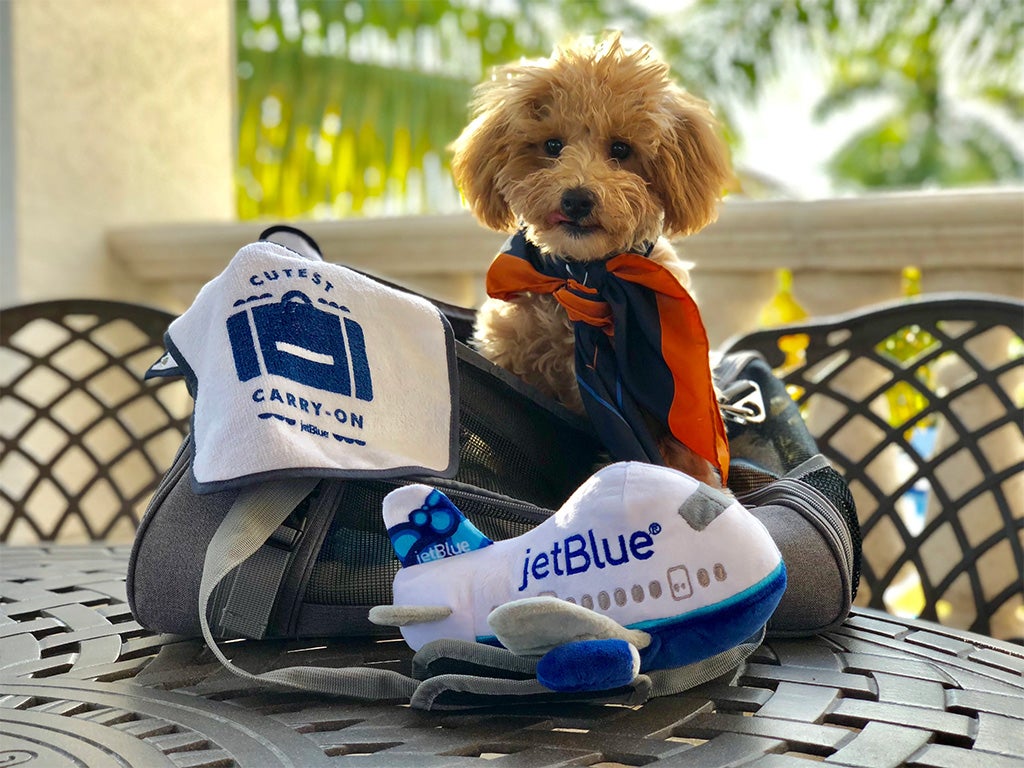
Consider airlines that allow small dogs to travel in the cabin with you. This option keeps your dog close and reduces anxiety. Airlines like Southwest and JetBlue are known for their pet-friendly service, but always double-check their current rules.
Reservation Tips
Booking your dog’s flight early is crucial. Most airlines limit the number of pets per flight, so reserving ahead ensures your dog isn’t left behind. Call the airline directly to confirm pet availability and ask about any special requirements.
Be ready to provide details about your dog’s size, breed, and health. Some airlines have restrictions on breeds or require health certificates. Also, consider the timing of your flight; avoid peak travel days to reduce stress for your dog.
Fees And Charges
Pet travel often comes with extra fees. These can vary widely depending on the airline and whether your dog travels in-cabin or as cargo. Knowing the exact costs upfront helps you budget properly and avoid surprises at the airport.
| Airline | In-Cabin Pet Fee | Checked Baggage/Cargo Fee |
|---|---|---|
| Southwest Airlines | $95 each way | Not accepted |
| JetBlue | $125 each way | Varies |
| American Airlines | $125 each way | $200-$500 |
Have you checked your airline’s policy on pet fees? It’s a simple step that can make your travel experience smoother and your dog’s trip more comfortable.
Preparing Your Dog For Travel
Traveling with your dog by plane requires careful planning. Check airline rules about pet size, carrier types, and health documents. Preparing your dog helps make the journey safe and comfortable for both of you.
Preparing your dog for air travel ensures a smooth journey for both of you. A little preparation goes a long way in easing your dog’s travel stress. Focus on crate training, pre-flight exercise, and feeding guidelines.Crate Training
Crate training your dog is essential before flying. Choose a crate that is airline-approved. Ensure the crate is comfortable and spacious for your dog. Introduce the crate as a safe space at home first. Gradually increase the time your dog spends inside. This helps them feel secure during the flight.Pre-flight Exercise
Exercise your dog before heading to the airport. A tired dog is usually a calmer traveler. Take your dog for a long walk or play fetch. This helps burn off excess energy and reduces anxiety.Feeding Guidelines
Follow feeding guidelines carefully on travel day. Avoid feeding your dog a large meal right before travel. Offer a small, light meal three to four hours before the flight. Ensure your dog has access to water. This prevents dehydration during the journey.
Credit: www.sunset.com
Airport Procedures With Dogs
Traveling with your dog requires understanding airport procedures. Airports have specific rules to ensure safety and comfort for all passengers, including pets. Knowing these steps helps your journey go smoothly. Here is what to expect when bringing your dog through the airport.
Security Screening
At security checkpoints, you must remove your dog from its carrier. Carry your dog through the metal detector while the carrier goes through the X-ray machine. If your dog is too large, the security officer may check the dog with a handheld scanner. Keep your dog calm and close to you during this process. Prepare to show any necessary documents about your pet.
Check-in Process
Check in early to allow time for pet procedures. Inform the airline you are traveling with a dog. Some airlines require a health certificate or vaccination records. Present your dog’s documents at the counter. The staff will give instructions on where to drop off your dog if flying in cargo. If your dog travels in the cabin, confirm carrier size and placement rules.
Waiting Areas
Many airports have pet relief areas before and after security. Use these designated spots to let your dog relieve itself. Keep your dog on a leash or inside its carrier at all times. Stay near your boarding gate to avoid rushing. Bring water and a small bowl to keep your dog hydrated. A calm dog is a happy traveler.
In-flight Tips
Flying with your dog can be stressful for both of you, but having the right in-flight strategies makes a huge difference. Preparing ahead and knowing how to handle common challenges will keep your furry friend comfortable and safe throughout the journey. Here are some practical tips to help you navigate the flight with confidence.
Keeping Your Dog Calm
Dogs can get anxious in new environments, especially on planes. To help your dog stay calm, bring a favorite blanket or toy that smells like home. These familiar scents can provide comfort during the flight.
Consider using a calming vest or natural supplements designed for pets, but always test these before travel to ensure your dog reacts well. Speaking softly and offering gentle pets when allowed can also reassure your dog.
Have you noticed how a simple touch can soothe your dog’s nerves? Try to stay relaxed yourself—your dog can pick up on your emotions and feel more at ease when you’re calm.
Managing Bathroom Needs
Bathroom breaks are tricky on planes, so plan ahead. Take your dog for a walk right before boarding to minimize the chance of accidents.
Use puppy pads or absorbent liners inside the carrier as a backup. Some airports now have pet relief areas—check their locations so you can make a quick stop if there’s a layover.
Ask yourself: How long is the flight and what are your dog’s usual bathroom habits? Knowing this helps you prepare the right supplies and timing for breaks.
Handling Emergencies
Even with the best planning, emergencies can happen. Pack a small first aid kit for your dog that includes bandages, antiseptic wipes, and any medications your dog might need.
Keep your veterinarian’s contact information and the nearest emergency animal hospital at your destination handy. This can save crucial time if your dog needs urgent care.
Stay alert to signs of distress like excessive panting, vomiting, or lethargy. Acting quickly and calmly can make all the difference in keeping your dog safe during unexpected situations.
Traveling Internationally
Traveling internationally with your dog requires careful planning. Different countries have strict rules to protect their local animals and people. Understanding these rules helps avoid surprises at the airport or border. Preparation ensures a smooth journey for both you and your pet.
Import And Export Rules
Each country has its own rules for bringing pets in and out. Some countries ban certain dog breeds. Others limit the number of pets allowed per traveler. Rules may include vaccinations, microchipping, and health checks. Always check the rules of the country you are visiting and returning to.
Quarantine Regulations
Many countries require pets to stay in quarantine after arrival. Quarantine can last from a few days to several weeks. It protects local animals from diseases your dog might carry. Some countries offer quarantine-free entry if your dog meets strict health rules. Planning for quarantine saves time and stress.
Documentation Needed
Proper documents are a must for international pet travel. These often include:
- Health certificate from a licensed vet
- Proof of up-to-date vaccinations
- Microchip details
- Import permits or licenses
- Proof of parasite treatments
Documents must be recent and official. Some countries require translation or notarization. Always carry extra copies during travel.
Alternatives To Flying With Your Dog
Flying with your dog is not always the best choice. Some pets get very stressed on planes. Other times, airline rules make it hard to travel together. You can find other ways to move your dog safely and comfortably. These options can fit different needs and budgets.
Pet Shipping Services
Pet shipping companies specialize in moving animals. They handle all travel details for your dog. This service includes pickup, flight arrangements, and delivery. Your pet travels in a safe, climate-controlled environment. Staff trained in animal care watch over them. These services reduce stress for both you and your dog.
Hiring Pet Sitters
Pet sitters care for your dog at home. They provide feeding, walks, and playtime. This option keeps your dog in a familiar place. It avoids the stress of travel completely. Some sitters can stay at your house. Others visit several times a day. This choice suits dogs that do not like change.
Road Trip Options
Driving can be a good way to travel with your dog. It lets you stop often for breaks and exercise. Your dog stays in a familiar car space. You control the environment and pace. Plan routes with pet-friendly hotels and parks. Bring water, food, and favorite toys for comfort. Road trips can be fun and less stressful than flying.

Credit: www.theglobeandmail.com
Frequently Asked Questions
Can Dogs Fly In The Cabin With Their Owners?
Yes, small dogs can fly in the cabin if they fit in an airline-approved carrier. Airlines have size and weight limits. Always check the specific airline’s pet policy before booking.
What Are The Airline Requirements For Dog Travel?
Airlines require a health certificate, vaccinations, and an appropriate carrier. Some airlines also require advance reservations for pets. Each airline’s rules may vary, so review them carefully.
Can Large Dogs Travel In The Cargo Hold Safely?
Large dogs usually travel in the cargo hold in a sturdy, ventilated crate. The cargo area is temperature-controlled but can be stressful. Ensure your dog is comfortable and meets airline guidelines.
How Early Should I Arrive With My Dog At The Airport?
Arrive at least 2 hours early to allow time for pet check-in. Early arrival helps manage paperwork, security, and pet comfort. It reduces stress for both you and your dog.
Conclusion
Traveling with your dog on a plane takes some planning. Each airline has its own rules to follow. Make sure your pet is comfortable and safe during the trip. Bring all necessary documents and supplies for your dog. Knowing what to expect helps reduce stress for both of you.
Enjoy your journey together, creating new memories with your furry friend. Safe travels start with good preparation and care.