Are you feeding your adult dog puppy food and wondering if it’s safe? It might seem like a harmless choice, especially if your furry friend loves the taste.
But could it actually be causing hidden harm? What you don’t know about puppy food and adult dogs could affect your dog’s health in surprising ways. Keep reading to discover why choosing the right food matters more than you think—and how you can make the best decision for your dog’s well-being.
Credit: visapoint.travel
Differences Between Puppy And Adult Dog Food
Puppy food and adult dog food serve different purposes. Puppies need food that supports fast growth and development. Adult dogs require a diet that maintains their health and energy. Understanding these differences helps in choosing the right food for your dog’s stage of life.
Nutritional Needs For Puppies
Puppies need more calories per pound than adult dogs. Their food has extra protein to build muscles. Puppies also require higher fat levels for energy. Vitamins and minerals like calcium support bone growth. This food is richer to meet their rapid growth demands.
Adult Dog Dietary Requirements
Adult dogs need fewer calories to avoid weight gain. Their food focuses on maintaining healthy organs and skin. Protein is still important but in moderate amounts. Fiber supports digestion and helps keep weight stable. Adult dog food balances nutrients to sustain long-term health.
Key Ingredient Variations
- Protein:Puppy food contains more protein than adult food.
- Fat:Higher fat content in puppy food provides extra energy.
- Calcium and Phosphorus:Increased levels in puppy food support bone growth.
- Calories:Puppy food is calorie-dense to fuel growth.
- Fiber:Adult food has more fiber to aid digestion.
Potential Risks Of Feeding Puppy Food To Adult Dogs
Feeding puppy food to an adult dog may seem harmless. Yet, it can cause several health issues over time. Puppy food is specially made for growing dogs. It contains more calories, protein, and fats than adult dog food. This difference can lead to problems for adult dogs.
Excess Calories And Weight Gain
Puppy food has more calories to support growth. Adult dogs need fewer calories. Eating puppy food regularly can cause weight gain. Excess weight puts stress on joints and organs. Obesity can lead to diabetes and heart disease in dogs.
Imbalanced Nutrient Intake
Puppy food contains nutrients in higher amounts. Adult dogs need a balanced diet for maintenance. Too much protein or fat can harm kidneys and liver. Imbalanced nutrients can affect skin and coat health. Long-term feeding of puppy food may cause deficiencies or excesses.
Digestive Issues
Adult dogs may struggle to digest puppy food properly. The rich formula can upset their stomach. Symptoms include diarrhea, vomiting, or gas. Digestive discomfort reduces a dog’s quality of life. Switching to adult dog food helps maintain a healthy gut.
When Puppy Food Might Be Suitable For Adults
Puppy food has extra nutrients for growth, which might be too rich for some adult dogs. Feeding adult dogs puppy food long-term can cause weight gain or stomach upset. Occasionally, it may suit adults with high energy or special needs.
When Puppy Food Might Be Suitable for Adults Puppy food has more calories and nutrients. It supports growth and development. But, there are times adult dogs can benefit too. Understanding when it’s suitable helps maintain their health.High Activity Or Growth Phases
Adult dogs with high energy may need extra calories. Puppy food provides this boost. It helps active dogs maintain their weight. Dogs in growth spurts may also benefit. Nutrient-rich puppy food supports muscle development.Veterinary Recommendations
Sometimes vets suggest puppy food for adults. This happens with specific health needs. Underweight dogs may need more calories. Nutritional deficiencies might require a richer diet. Always follow your vet’s advice for the best results.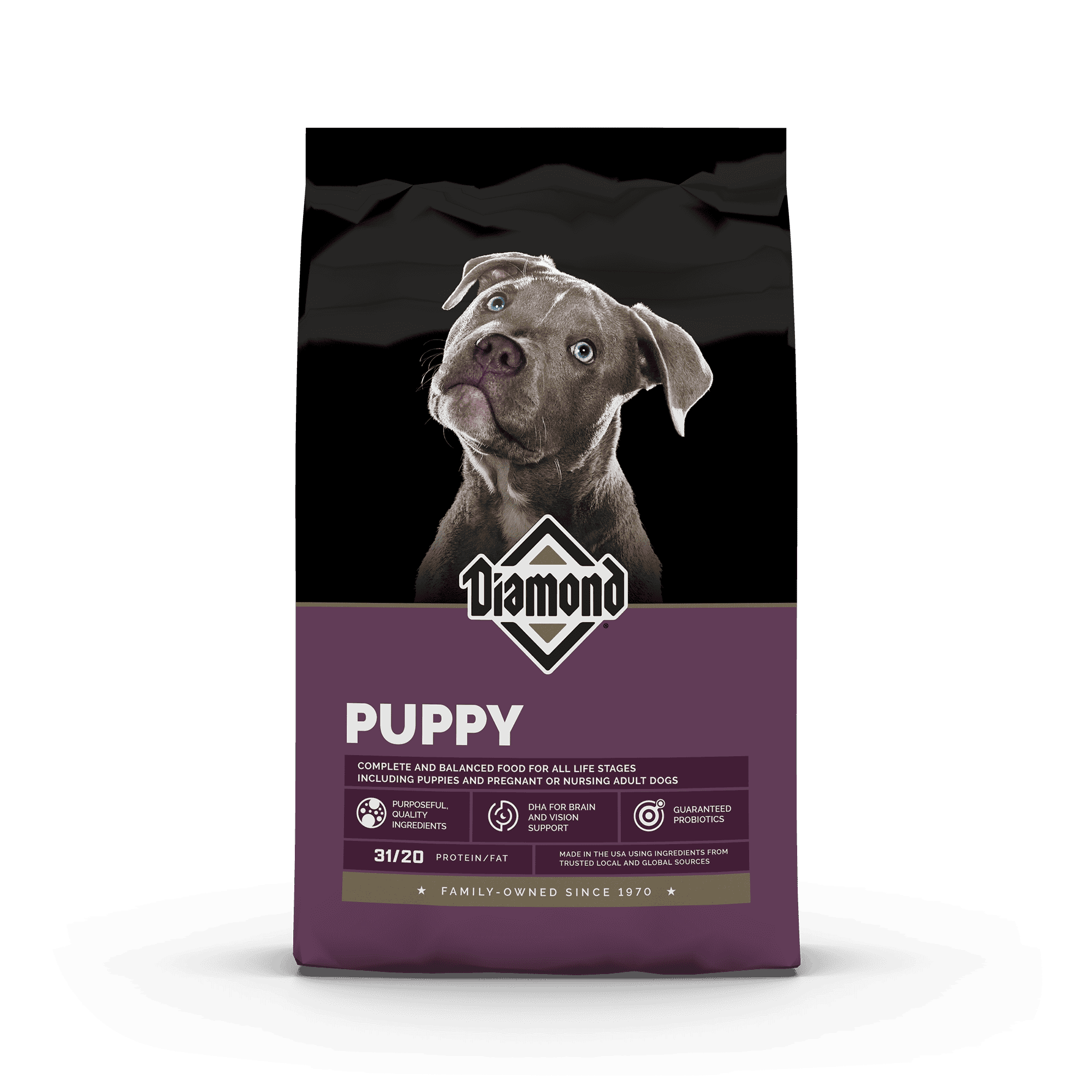
Credit: www.diamondpet.com
Signs Your Adult Dog Is Struggling With Puppy Food
Adult dogs eating puppy food may face some issues. Their bodies need different nutrients than puppies do. This mismatch can cause problems that show in behavior and health. Watch your dog closely for signs of struggle. Early detection helps keep your dog healthy.
Behavioral Changes
- Increased irritability or unusual restlessness
- Loss of interest in play or walks
- Changes in appetite, like eating less or more
- Excessive thirst or unusual licking habits
- Sudden tiredness or reluctance to exercise
Physical Symptoms To Watch
- Weight gain or sudden weight loss
- Diarrhea or upset stomach
- Skin problems such as itching or dryness
- Vomiting or nausea
- Dull coat or hair loss
Long-term Health Concerns
Continuous feeding of puppy food may harm your adult dog’s health. Excess calories can lead to obesity. Too much calcium affects bones and joints. Over time, kidney stress may develop. Digestive issues might become chronic. These risks reduce your dog’s quality of life.
Tips For Transitioning Your Dog’s Diet
Switching your dog’s food requires care and patience. A sudden change can upset their stomach or cause refusal to eat. Proper transition helps your dog adjust smoothly to new nutrition and taste. It protects their digestion and maintains their energy levels during the change.
Gradual Food Changes
Introduce new food slowly over 7 to 10 days. Start by mixing 25% new food with 75% old food. Increase the new food amount gradually. Watch for signs of upset stomach or allergies. Slow changes help avoid digestive issues and encourage acceptance.
Selecting The Right Adult Dog Food
Choose adult dog food that fits your dog’s breed, size, and health needs. Look for balanced nutrients and high-quality ingredients. Avoid foods with excessive fillers or artificial additives. Proper nutrition supports your dog’s health and activity level.
Consulting Your Veterinarian
Ask your vet for advice before changing your dog’s diet. They can recommend the best food based on age and health. Your vet helps identify any allergies or special dietary needs. Regular check-ups ensure your dog thrives on the new diet.

Credit: www.petscare.com
Frequently Asked Questions
Can Adult Dogs Safely Eat Puppy Food?
Adult dogs can eat puppy food occasionally, but it’s not ideal. Puppy food has more calories and nutrients, which can cause weight gain and digestive issues in adults.
What Risks Does Puppy Food Pose To Adult Dogs?
Puppy food’s high fat and protein content can lead to obesity and upset stomach in adult dogs. Long-term feeding may cause nutrient imbalances.
When Is It Okay To Feed Adult Dogs Puppy Food?
Only feed adult dogs puppy food under veterinary guidance, such as during pregnancy or recovery. Otherwise, adult dog food is best for their health.
How Does Puppy Food Differ From Adult Dog Food?
Puppy food contains more calories, protein, and fat to support growth. Adult dog food has balanced nutrients for maintenance and overall health.
Conclusion
Adult dogs need food made just for them. Puppy food has more fat and calories. This can cause weight gain and upset tummies. Long-term use might lead to health problems. Choose the right food to keep dogs strong. Talk to a vet for the best advice.
Feeding adult dogs puppy food is not safe. Healthy meals help dogs live happy lives. Keep your dog’s diet balanced and proper. Simple choices make a big difference.