
Looking for the best way to train your dog? You want a guide that’s clear, simple, and actually works.
A good dog training book can be your secret weapon, helping you build a strong bond with your furry friend while teaching them the right behaviors. Imagine having step-by-step instructions right at your fingertips, making every training session easier and more fun.
Keep reading, and you’ll discover how to choose the perfect dog training book and get the results you’ve been hoping for. Your dog—and your peace of mind—will thank you.
Choosing The Right Training Book
Choosing the right training book for your dog sets the foundation for effective learning. Not every book fits every dog or owner. A suitable guide offers clear instructions and matches your dog’s needs. It helps build good habits and strengthens your bond. Spend time finding a book that feels right for your situation.
Key Features To Look For
- Simple language easy to understand
- Step-by-step instructions for training
- Positive reinforcement methods
- Clear photos or illustrations
- Advice on solving common behavior issues
- Information on dog psychology and learning
- Tips for consistency and patience
Popular Titles Compared
| Book Title | Best For | Training Style | Price Range |
|---|---|---|---|
| “The Art of Raising a Puppy” | New dog owners | Gentle, positive | $$ |
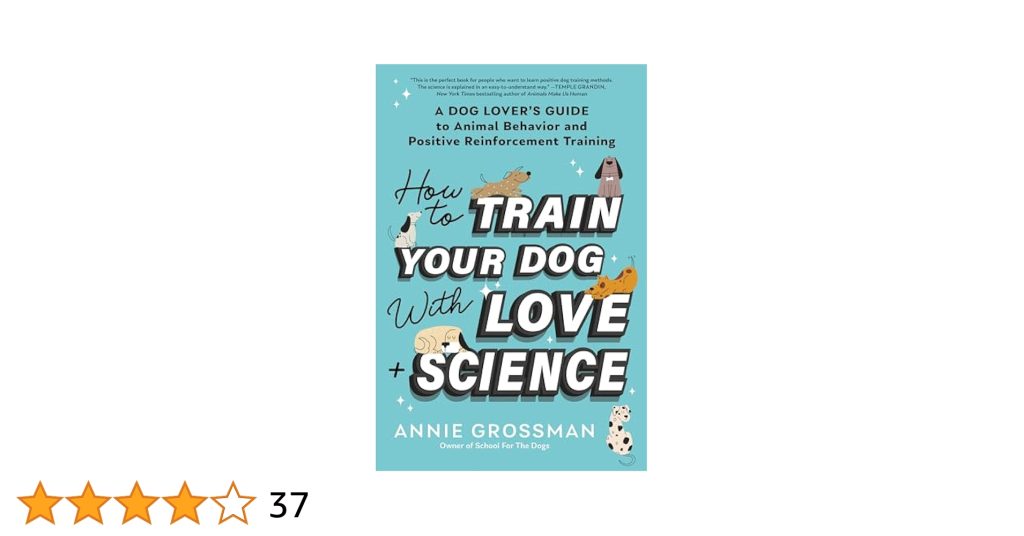
| “How to Train Your Dog” by Zak George | Active owners | Reward-based, fun | $ |
| “Train Your Dog Like a Pro” | Experienced handlers | Structured, clear commands | $$ |
| “The Puppy Primer” | Puppy training beginners | Stepwise, gentle | $ |
Tailoring Books To Your Dog’s Breed
Different breeds learn in different ways. Some breeds need more mental stimulation. Others respond better to firm commands. Select books that recognize breed traits. For example, herding dogs may require more focus on obedience. Smaller breeds often need patience and gentle handling. Breed-specific tips improve training success. Your dog’s personality matters too. Adjust techniques based on energy and temperament.

Credit: www.hoopladigital.com
Basic Dog Training Principles
Training a dog needs clear and simple principles. These basics help build trust and good behavior. Dogs learn best with kindness and regular practice. Understanding key training ideas makes the process smooth and fun.
Positive Reinforcement Techniques
Positive reinforcement means rewarding good behavior. Treats, praise, and petting work well as rewards. It motivates dogs to repeat desired actions. Avoid punishment; it can cause fear and confusion. Reward immediately after the behavior to connect the action and treat.
Consistency And Patience
Consistency helps dogs understand what you want. Use the same commands and rules every day. Patience is important because learning takes time. Repeat training sessions often but keep them short. Calm and steady practice leads to lasting results.
Setting Realistic Goals
Set small, clear goals for each training session. Focus on one command or behavior at a time. Celebrate little successes to keep motivation high. Avoid rushing the process to prevent frustration. Realistic goals make training achievable and enjoyable for both.
Essential Commands To Teach
Teaching essential commands is crucial for a well-behaved dog. This book guides you through simple training steps.
Training your dog is a rewarding journey, and teaching essential commands is a vital part of that process. These basic commands not only ensure your dog’s safety but also foster a strong bond between you and your furry friend. Understanding and mastering these commands can make everyday life more enjoyable for both of you. Let’s dive into some of the essential commands you should focus on.Sit, Stay, And Come
The command “Sit” is often the first that many dog owners teach. It’s simple and serves as the foundation for more complex commands. Start by holding a treat close to your dog’s nose, then move your hand up, allowing their head to follow the treat and their bottom to lower. Once they’re in a sitting position, say “Sit,” followed by praise and the treat. Once your dog masters “Sit,” “Stay” is the natural next step. After your dog sits, hold your palm out in front of you, similar to a stop sign, and say “Stay.” Take a step back. If they maintain their position, reward them. This command is perfect for keeping your dog safe in potentially dangerous situations. “Come” is another crucial command, ensuring your dog returns to you when called. Use a leash initially for control. Crouch down to their level and say, “Come,” gently pulling on the leash if necessary. Reward them warmly when they arrive. This command can prevent them from running into traffic or other hazards.Heel And Leave It
Walking politely on a leash is a skill every dog should learn. The “Heel” command helps achieve this by keeping your dog close to your side. Hold a treat in your hand and start walking. Encourage your dog to stay by your side by saying “Heel.” Consistent practice will lead to pleasant walks without the pulling. “Leave It” is essential for preventing your dog from picking up harmful items. Hold a treat in each hand, letting them sniff one while you say, “Leave It.” When they stop focusing on the first hand, reward them with the treat from the other hand. This teaches them that ignoring certain things can lead to a better reward.Advanced Commands For Control
As you progress, you might want to teach more advanced commands for better control. “Down” can be particularly useful in calming an overly excited dog. Begin with your dog in a sitting position, then guide them into a lying down position with a treat, saying “Down” as they follow. The “Wait” command is similar to “Stay,” but offers more flexibility. Use it when you want your dog to pause but not necessarily remain in a fixed position. It’s handy for situations like waiting for a green light at a crosswalk. Finally, “Off” can help manage jumping behavior. When your dog jumps up, turn away and ignore them until they settle down. Once all four paws are on the ground, say “Off” and reward them. Consistent use of this command reinforces acceptable greeting behavior. Teaching your dog these commands may take time and patience, but the payoff is a well-behaved companion. What command will you start with today?Addressing Common Behavioral Issues
Training a dog often involves dealing with typical behavior problems. These issues can cause frustration for owners and stress for pets. A well-written dog training book guides readers through common challenges. It provides clear steps to manage and reduce unwanted behaviors. Addressing these problems early helps build a stronger bond with your dog.
Barking And Chewing
Dogs bark and chew for many reasons. They might be bored, anxious, or trying to get attention. Teaching your dog when it is okay to bark is important. Reward quiet moments to encourage calm behavior. Offer plenty of chew toys to protect your belongings. Redirect chewing from furniture to toys to avoid damage. Consistent training helps your dog learn limits quickly.
Separation Anxiety
Separation anxiety happens when dogs feel lonely or scared alone. Symptoms include whining, barking, and destructive behavior. Gradually teach your dog to stay calm when alone. Start with short absences and slowly increase time apart. Create a safe space with toys and comfort items. Avoid dramatic departures or greetings to reduce stress. Patience and steady practice reduce anxiety over time.
Leash Pulling Solutions
Leash pulling makes walks tiring and unsafe. Teaching loose-leash walking improves control and enjoyment. Stop walking when your dog pulls to show it does not work. Reward your dog when the leash is slack and walking nicely. Use short training sessions to build good habits. Consistent practice teaches your dog to stay by your side. This makes walks peaceful for both of you.
Training Tools And Equipment
Training tools and equipment play a big role in teaching your dog. They help guide your dog’s behavior and make learning clear. Choosing the right tools makes training easier and more effective.
Each tool serves a special purpose. Some tools help with control, while others encourage good behavior. Using these tools properly builds trust between you and your dog.
Collars And Leashes
Collars and leashes are basic but important tools. A collar holds ID tags and attaches to the leash. Use a comfortable, well-fitting collar for your dog’s safety.
Leashes keep your dog close during walks and training sessions. Choose a strong leash that fits your training style. Short leashes offer more control. Long leashes give your dog freedom to explore.
- Flat collars work well for everyday use.
- Martingale collars prevent slipping for dogs with narrow heads.
- Retractable leashes allow distance but need careful handling.
Clickers And Treats
Clickers and treats help mark good behavior clearly. The click sound tells your dog when it does something right. Treats reward and motivate your dog to repeat that behavior.
Use a clicker with a consistent tone. Pair the click with a tasty treat immediately. This helps your dog connect the sound with the reward.
- Choose small, soft treats for quick eating.
- Click right when your dog performs the desired action.
- Keep treats ready during training sessions.
Using Training Aids Safely
Training aids must be used with care and respect. Avoid tools that cause pain or fear. Training should be a positive experience for your dog.
Always check equipment for damage. Replace worn collars or frayed leashes. Use gentle pressure and release quickly when using collars or harnesses.
- Never leave training tools on your dog unsupervised.
- Use choke or prong collars only under professional guidance.
- Watch your dog’s reaction and adjust methods if needed.
Creating A Training Schedule
Creating a training schedule for your dog sets a clear path to success. It helps build consistency, which dogs rely on to learn new behaviors. A well-planned schedule balances practice, play, and rest, making training both effective and enjoyable for you and your furry friend.
Daily Practice Routines
Consistency is key in daily training. Set aside short sessions, around 10 to 15 minutes, two to three times a day. This keeps your dog engaged without overwhelming them.
Focus each session on one or two commands or behaviors. Repetition helps your dog remember, but mixing it up prevents boredom. For example, spend one session on “sit” and “stay,” then another on “come” and “heel.”
Think about your dog’s energy levels. Training works best when they’re alert but not hyper. Have you noticed how your dog responds better after a walk or some playtime? Use that to your advantage.
Balancing Training And Play
Training shouldn’t feel like a chore for your dog. Adding play breaks keeps their interest high and builds a positive association with learning.
- Use toys or fetch sessions as rewards after training sets.
- Alternate between focused commands and fun activities.
- Let your dog lead at times—observe when they need a break or want to try new things.
Remember, training is about connection. A tired but happy dog learns better than one who feels pressured. How often do you pause training to play and bond?
Tracking Progress Effectively
Keeping a record of your dog’s progress helps you spot improvements and areas that need more work. Use a simple notebook or a phone app to jot down what you practiced and how your dog responded.
Note details like command success rates, distractions present, and your dog’s mood. This information guides adjustments to your schedule. For example, if “stay” only works indoors but fails outside, plan extra outdoor practice.
Tracking progress also motivates you. Seeing small wins builds confidence and keeps you committed. What patterns might you discover by reviewing your notes weekly?
Adapting Training For Puppies Vs Adults
Training a dog varies with age. Puppies and adults learn differently. Puppies are more open to new experiences and habits. Adults may have habits already formed. Adjusting training methods makes learning easier. Tailoring your approach helps build trust and progress.
Early Socialization Tips
Start socializing puppies early. Introduce them to people, sounds, and places. Gentle exposure helps reduce fear later. Use positive rewards to encourage good behavior. Keep sessions short and fun. Avoid overwhelming your puppy with too much at once.
Adjusting Techniques For Age
Puppies respond well to praise and treats. Use simple commands and clear signals. Adults may need more patience and consistency. Focus on undoing bad habits gently. Repeat lessons often to reinforce learning. Keep training sessions brief to maintain attention.
Handling Setbacks
Setbacks happen in all training. Stay calm and patient. Identify what causes the problem. Change your approach if needed. Celebrate small victories to stay motivated. Remember, consistency is key for all dogs.

Credit: www.amazon.com
Involving Family In Training
Training a dog works best with the whole family involved. Each member plays a key role in teaching your dog good behavior. A united approach helps the dog learn faster and stay consistent.
Consistent Commands Across Members
Everyone should use the same commands for each action. Dogs get confused when words change from person to person. Agree on simple, clear commands before training starts. Consistency helps your dog understand what is expected.
Encouraging Participation
Invite all family members to join training sessions. Keep sessions short and fun to maintain interest. Children can help with simple tasks like giving treats or praising. Participation builds a strong bond between the dog and family.
Reward Systems For Everyone
Use rewards to motivate both the dog and family members. Praise, treats, or playtime work well as rewards. Teach family members to give rewards immediately after good behavior. A shared reward system keeps training positive and effective.
When To Seek Professional Help
Training a dog with a book is helpful for many pet owners. Still, some situations need extra support from a professional. Knowing when to seek help saves time and reduces frustration. It also ensures your dog learns in a safe and healthy way.
Recognizing Training Limits
Books cover many basic training topics. They work well for simple commands and good behavior. But dogs with strong fear, aggression, or anxiety need more than a book. If your dog does not improve or worsens after trying different techniques, it may be time for expert help. Persistent problems like biting, constant barking, or refusing to follow commands need professional attention.
Choosing The Right Trainer
Not all trainers use the same methods. Look for one who uses positive reinforcement and gentle techniques. A good trainer understands dog behavior and tailors lessons to your pet’s needs. Check reviews, ask for recommendations, and meet trainers before deciding. This helps find someone trustworthy and effective for your dog’s training journey.
Combining Books With Expert Guidance
Books give a strong foundation for training. Professionals add personalized advice and hands-on help. Use books to learn the basics and understand your dog better. Then apply what you learn during sessions with a trainer. This combination speeds up progress and builds a stronger bond between you and your dog.

Credit: www.amazon.ca
Frequently Asked Questions
What Is The Best Dog Training Book For Beginners?
The best dog training book for beginners offers clear steps and positive techniques. It covers basic commands, behavior tips, and consistent training methods to build trust and obedience effectively. Look for books with easy language and practical exercises.
How Long Does It Take To Train A Dog?
Training duration varies by breed, age, and method. Basic obedience usually takes 4 to 6 weeks with daily practice. Consistency and patience are key for lasting results. Advanced skills may require months of ongoing training and reinforcement.
Can I Train My Dog Without Professional Help?
Yes, many owners successfully train dogs using books and online resources. Success depends on dedication, consistency, and understanding dog behavior. Books provide structured guidance, making professional help optional but useful for complex issues.
What Are Common Mistakes In Dog Training?
Common mistakes include inconsistent commands, punishment, and lack of patience. Avoid confusing your dog with multiple cues. Positive reinforcement and clear communication lead to faster, more effective training outcomes.
Conclusion
Training a dog takes patience and clear steps. A good book guides you through each stage. Practice daily and stay consistent with commands. Celebrate small wins to keep motivation high. Training builds a stronger bond with your pet. Remember, every dog learns at its own pace.
Use simple methods and stay positive always. This helps your dog understand and respond better. Keep learning and enjoy the journey together. Your efforts will lead to a happy, well-behaved dog.