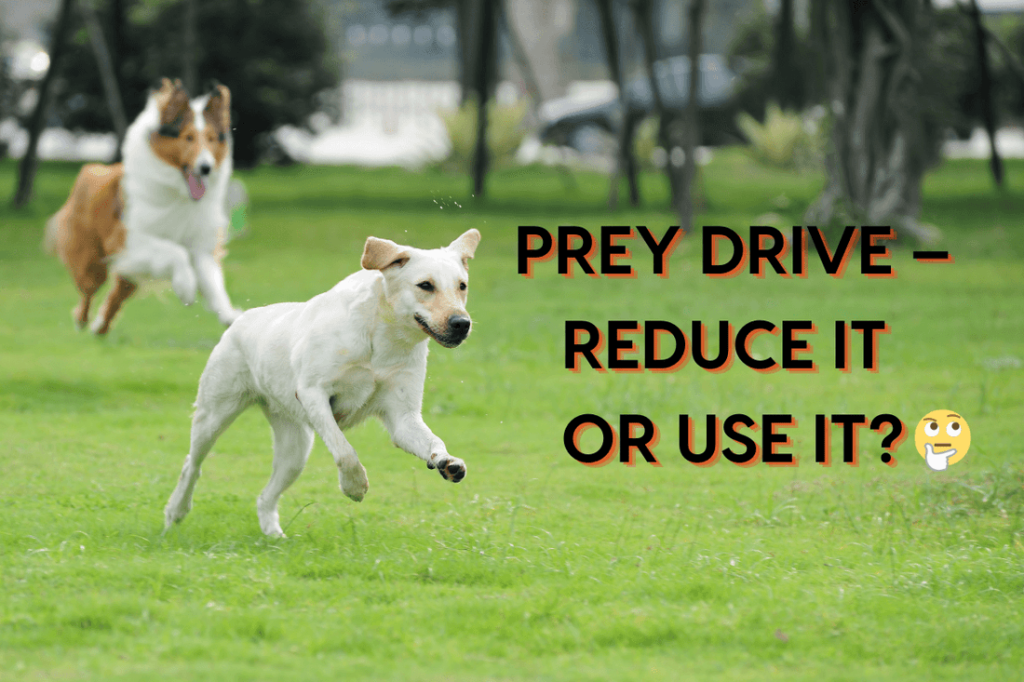

Have you ever watched your dog suddenly bolt after a squirrel or chase a car, leaving you feeling worried or out of control? That intense urge your dog feels to chase moving things is called prey drive, and it can be both exciting and challenging to handle.
You might be wondering—can you actually train that natural instinct out of your dog, or at least manage it better? Keep reading, because understanding how prey drive works and what you can do about it could change the way you and your dog enjoy every walk, playtime, and outing together.

Credit: www.youtube.com
What Is Prey Drive
Prey drive is a natural instinct found in many dogs. It is the urge to chase and capture moving objects, often animals or toys. This behavior comes from their wild ancestors, who hunted for food. Understanding prey drive helps owners manage their dogs better and keep them safe.
Instincts Behind Prey Drive
Prey drive is part of a dog’s survival skills. It involves several steps:
- Stalking:Quietly watching or moving toward the target.
- Chasing:Running after the moving object.
- Grabbing:Catching or biting the target.
- Killing or holding:Holding the target still.
These instincts vary among breeds. Hunting dogs usually have a stronger prey drive. Family pets may show it less but still have the urge.
Common Signs In Dogs
Many dogs show prey drive in simple ways. Watch for these signs:
- Fixing their eyes on moving objects.
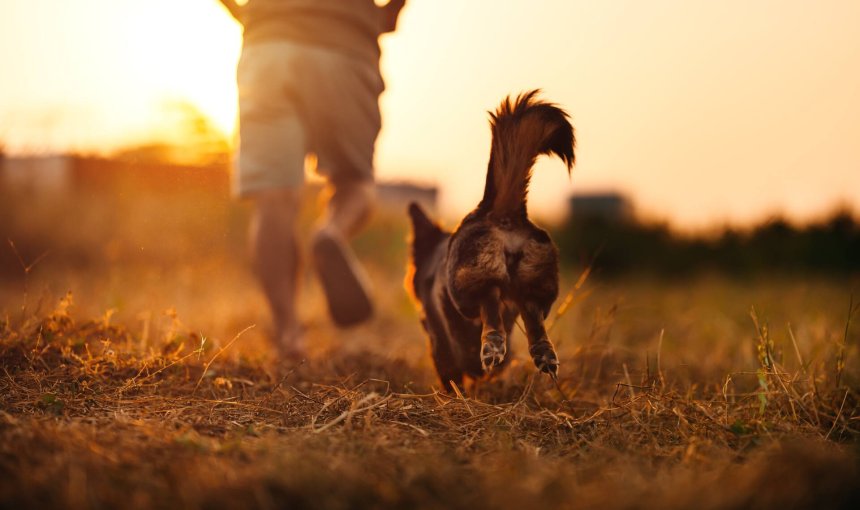
- Sudden bursts of running or chasing.
- Snapping or biting at toys or small animals.
- Stalking or crouching before pouncing.
- Excitement or focus on something that moves quickly.
Recognizing these signs helps owners control and redirect the behavior safely.
Credit: tractive.com
Factors Influencing Prey Drive
Prey drive varies in dogs due to many factors. Understanding these helps manage or train this instinct better. Some influences are natural, others come from surroundings or life stage.
Breed Tendencies
Different breeds have different prey drives. Hunting dogs like retrievers and terriers often have a strong chase instinct. Herding breeds may focus more on control than chasing. Knowing breed traits helps predict prey behavior.
Age And Development
Puppies show varying prey interest as they grow. Young dogs explore with high energy and curiosity. Prey drive often peaks in adolescence. Older dogs may calm down, but some keep strong instincts.
Environmental Triggers
Surroundings can trigger prey drive quickly. Moving objects, small animals, or sounds may spark chasing. Busy or quiet environments affect how often dogs react. Training helps reduce these triggers over time.
Challenges In Modifying Prey Drive
Modifying a dog’s prey drive presents a unique set of challenges that many owners find surprising. This instinct is deeply wired into your dog’s brain, making it more than just a behavior you can easily change. Understanding the complexity behind this drive is crucial before you attempt any training.
Natural Instincts Vs. Training
Prey drive is an inherited survival mechanism. It motivates your dog to chase and capture moving objects, which once helped wild ancestors hunt for food. Trying to suppress this instinct entirely can be like asking a fish not to swim.
Training can redirect your dog’s prey drive rather than erase it. For example, teaching your dog to fetch or play tug-of-war can satisfy the urge in a controlled way. But don’t expect that your dog will simply forget this natural impulse.
Ask yourself: Is it better to fight this instinct or channel it? Redirecting prey drive often leads to safer, more manageable behavior than trying to eliminate it.
Potential Risks And Safety
Ignoring your dog’s prey drive during training can lead to dangerous situations. Dogs with strong prey drive might chase after cars, bicycles, or even small animals without warning. This can put both your dog and others at risk.
Safety should be your top priority. Use a leash or secure area when practicing training exercises that involve prey-like stimuli. Also, be aware that some dogs might become frustrated if their prey drive isn’t properly managed, which can lead to behavioral problems.
What precautions have you taken to keep your dog safe while working on their prey drive? Sharing your experiences could help others facing similar challenges.

Credit: www.youtube.com
Effective Training Techniques
Effective training techniques help manage a dog’s prey drive safely. These methods focus on guiding your dog’s natural instincts into positive behaviors. With patience and consistency, you can shape your dog’s reactions and reduce unwanted chasing or biting. Training also strengthens your bond with your dog.
Redirecting Energy
Redirecting energy means giving your dog a safe outlet for their prey drive. Use toys like balls or tug ropes to capture their focus. Play fetch or hide-and-seek games to engage their mind and body. This keeps their energy busy and less likely to target small animals or people. Change activities often to keep your dog interested and tired in a good way.
Positive Reinforcement
Positive reinforcement rewards good behavior instead of punishing bad actions. Use treats, praise, or petting when your dog listens or stops chasing. This teaches your dog what you want without fear or stress. Always reward quickly so your dog links the action with the reward. Keep sessions short and fun to maintain your dog’s attention.
Impulse Control Exercises
Impulse control exercises teach your dog to pause and think before acting. Practice commands like “sit,” “stay,” and “leave it” in different places. Use controlled situations to test your dog’s self-control around distractions. Gradually increase difficulty to build stronger habits. These exercises help your dog manage urges and act calmly.
Tools To Manage Prey Drive
Managing a dog’s prey drive requires consistent training tools like toys and controlled exercises. Redirecting their focus helps reduce chasing instincts over time. Using positive reinforcement encourages calm behavior around small animals.
Managing a dog’s prey drive can be challenging, but with the right tools, it becomes manageable. Prey drive, a natural instinct in many dogs, can sometimes lead them to chase after squirrels, birds, or other moving objects. Instead of trying to eliminate this instinct, focus on managing it effectively with the right equipment and strategies.Leashes And Harnesses
Using the right leash and harness is crucial. A sturdy, non-retractable leash offers better control, preventing sudden lunges. Harnesses, especially no-pull designs, provide more control over your dog’s movement compared to collars. Consider a front-clip harness to guide your dog back towards you rather than pulling ahead. It can also make walks more enjoyable and less stressful for both of you. Remember, consistency is key. Use these tools regularly to reinforce good behavior.Toys And Distractions
Toys can be excellent distractions to manage prey drive. Interactive toys that engage your dog’s mind can divert their attention from potential prey. Think about using fetch toys or puzzle feeders during walks or outings. Engage your dog with a favorite toy when you notice them fixating on a target. This will help redirect their attention and energy. Offering treats as a reward for ignoring prey can also be effective. It’s about creating positive associations away from the chase. Have you ever wondered how many toys are too many? The answer lies in your dog’s response. Find out which ones captivate their interest the most. By using these tools, you can channel your dog’s prey drive in a controlled and fun way.When To Seek Professional Help
Knowing when to seek professional help is key to managing your dog’s prey drive. Some behaviors may be too strong or risky for basic training alone. A skilled trainer can provide tailored guidance to keep your dog and others safe.
Signs Training Isn’t Enough
- Your dog chases animals or objects despite repeated commands.
- Prey drive causes aggressive or destructive behavior.
- Training sessions lead to frustration for you or your dog.
- Safety becomes a concern during walks or playtime.
- Your dog’s behavior worsens or does not improve over time.
These signs suggest a need for expert intervention. Professionals understand how to control strong prey instincts safely.
Choosing The Right Trainer
- Find trainers with experience in prey drive and behavior issues.
- Look for positive reinforcement methods that build trust.
- Check reviews and ask for references from other dog owners.
- Ensure the trainer offers clear communication and personalized plans.
- Choose someone who can work with your dog’s breed and energy level.
The right trainer helps you manage prey drive with confidence and care.
Frequently Asked Questions
What Is Prey Drive In Dogs?
Prey drive is a dog’s natural instinct to chase and capture moving objects. It varies by breed and individual temperament.
Can Prey Drive Be Reduced Through Training?
Yes, consistent training and redirection can manage prey drive. Positive reinforcement helps dogs focus on commands over chasing instincts.
Is It Possible To Eliminate Prey Drive Completely?
Complete elimination is unlikely. Training can control and channel prey drive but won’t erase the natural instinct entirely.
Which Training Methods Help Control Prey Drive Best?
Methods like impulse control, obedience commands, and mental stimulation effectively manage prey drive in dogs.
Conclusion
Training a dog’s prey drive takes patience and consistency. You cannot erase it completely, but you can control it well. Use positive methods that reward calm behavior. Set clear rules and boundaries every day. Practice exercises that teach your dog to focus on you.
This helps reduce unwanted chasing or biting. Remember, every dog is different and learns at its own pace. Stay patient and keep training simple. You can help your dog live safely with a strong prey drive. It’s a long journey, but worth the effort.