
Training your dog can sometimes feel like a tough challenge. You want your furry friend to listen, behave, and stay safe.
Using an electric collar might sound a bit intimidating, but it can be a powerful tool when used correctly. If you’re looking for a way to improve your dog’s training quickly and effectively, this guide will show you exactly how to do it right.
By the end, you’ll understand how to use an electric collar safely and confidently, helping your dog become the well-behaved companion you’ve always wanted. Keep reading to unlock the secrets of successful training with an electric collar.

Credit: www.youtube.com
Choosing The Right Electric Collar
Choosing the right electric collar is crucial for effective and humane dog training. The collar you pick affects how your dog responds and learns. A well-chosen collar fits comfortably, suits your dog’s size and temperament, and offers safety features that protect your pet during training.
Types Of Electric Collars
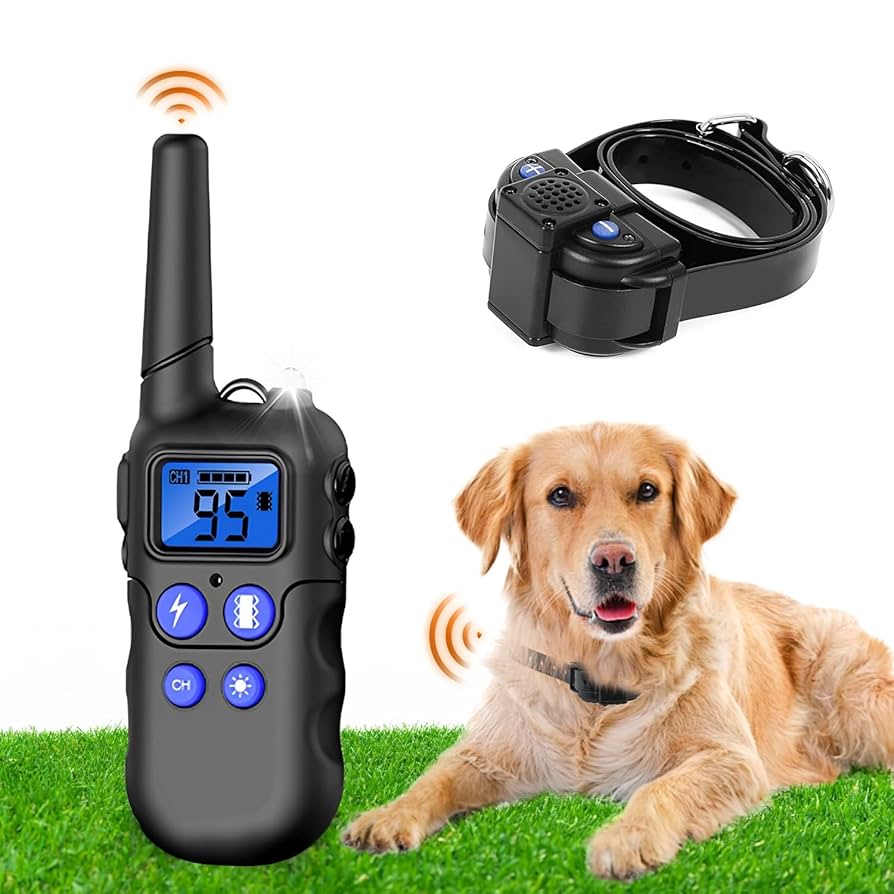
Electric collars come in various styles designed for different training needs. Some offer static stimulation, which provides a mild shock, while others use vibration or sound as a warning. There are also remote-controlled collars that let you adjust settings on the fly, giving you more control during training sessions.
Think about what motivates your dog best. Does your dog respond better to vibration or a gentle static correction? Choosing the right type helps avoid unnecessary stress and makes training more efficient.
Sizing And Fit
Proper sizing is essential to ensure the collar works and feels comfortable. The collar should sit snugly against your dog’s neck without pinching or sliding around. Too loose, and the signal might not reach; too tight, and it can irritate or harm your dog.
Measure your dog’s neck accurately before buying. Many collars come with adjustable straps, but if your dog is between sizes, go for the larger option and adjust carefully. Remember, comfort leads to better training results.
Safety Features To Look For
Not all electric collars are created equal in terms of safety. Look for collars with automatic shut-off features to prevent over-correction. Some also have adjustable stimulation levels, allowing you to start low and increase only if necessary.
Water resistance is another important factor, especially if your dog loves outdoor adventures. A collar that can withstand rain or splashes protects your investment and keeps your dog safe. What safety features make you feel confident about using an electric collar on your dog?

Credit: www.amazon.com
Getting Started With The Collar
Getting started with an electric collar requires patience and a clear understanding of how your dog reacts to new tools. The goal is to make the collar a normal part of your dog’s routine without causing stress or fear. Taking time to introduce the collar properly sets the foundation for effective training and a stronger bond between you and your pet.
Introducing The Collar To Your Dog
Begin by letting your dog wear the collar without turning it on. Allow them to get used to the feeling around their neck for several minutes each day. Watch for signs of discomfort or irritation, and remove it if your dog seems overly stressed.
Try pairing the collar with positive experiences, like treats or playtime. This helps your dog associate the collar with good things, reducing resistance. How does your dog react to wearing something new? Their response will guide your pace.
Setting The Correct Stimulation Level
Every dog reacts differently to the collar’s stimulation. Start with the lowest setting and increase slowly until you see a mild reaction, such as a quick head turn or a slight pause in movement. Avoid using levels that cause your dog to yelp or show signs of fear.
Keep in mind, the stimulation is a warning, not a punishment. It should get your dog’s attention without causing pain. Think about what intensity would work best for your dog’s size and temperament.
Initial Testing And Observation
Test the collar in a controlled environment like your backyard or quiet room. Observe your dog’s behavior closely during the first few uses. Are they responding calmly, or do they seem anxious?
Adjust your approach based on what you see. If your dog appears stressed, lower the stimulation or take a break. Your goal is clear communication, not intimidation.
Basic Training Techniques
Training your dog with an electric collar can be effective. It’s important to use it responsibly. Basic training techniques help build a strong foundation. Consistent practice is key to success. Electric collars assist in reinforcing commands. They provide immediate feedback to your dog. Let’s explore some techniques to use the collar effectively.
Using The Collar For Recall Commands
Recall commands ensure your dog returns promptly. Start in a quiet space. Attach the collar snugly around your dog’s neck. Call your dog using a clear command like “come.” Press the button on the collar if they don’t respond. Release it when they turn towards you. Reward your dog with a treat or praise. Practice regularly to reinforce learning.
Teaching Sit And Stay
The “sit” command is fundamental. Hold a treat close to your dog’s nose. Move your hand upward, allowing their bottom to lower. Press the collar button gently, if needed. Release it as soon as they sit. For “stay,” use a firm hand signal. Step back slowly. If they move, use the collar to remind them. Reward them for staying in place. Consistency helps make these commands second nature.
Correcting Unwanted Behaviors
Unwanted behaviors can be frustrating. Use the collar to correct them promptly. Observe your dog closely. When they misbehave, press the button briefly. This should capture their attention. Redirect their focus to a positive behavior. Praise and reward them when they comply. Patience and consistency are vital. Over time, your dog will learn which behaviors are acceptable.
Advanced Training Tips
Advanced training with an electric collar helps refine your dog’s behavior. It focuses on control, consistency, and clear communication. This stage builds on basic commands and introduces new challenges. Practice these tips to improve your dog’s response and safety.
Combining Collar Training With Positive Reinforcement
Pair electric collar signals with rewards like treats or praise. This creates a positive association with commands. Use the collar to get attention quickly. Then immediately reward good behavior. This method encourages your dog to obey without fear.
- Start with simple commands like “sit” or “come.”
- Use the collar gently to avoid stress.
- Give treats right after the correct response.
- Repeat consistently to build trust.
Training For Off-leash Control
Off-leash control requires strong recall and focus. Use the electric collar to reinforce your dog’s attention at a distance. Begin in a safe, enclosed space. Practice calling your dog back using the collar signal. Reward immediately when your dog returns.
- Increase distance gradually as your dog improves.
- Keep sessions short and fun.
- Use a long leash for added safety at first.
- Always reward good off-leash behavior.
Dealing With Stubborn Dogs
Stubborn dogs need patience and clear signals. Avoid raising collar levels too high quickly. Keep training sessions calm and consistent. Break commands into smaller steps to help understanding. Reinforce every small success with praise or treats.
- Observe your dog’s reactions carefully.
- Lower the collar intensity if signs of stress appear.
- Practice in quiet areas to reduce distractions.
- Repeat commands gently and firmly.
Common Mistakes To Avoid
Training your dog with an electric collar can be effective, but it requires careful attention to avoid common pitfalls. These mistakes can not only reduce the collar’s effectiveness but also harm your dog’s trust and comfort. Recognizing what to avoid will help you create a positive training experience for both you and your dog.
Overusing The Collar
Many owners make the mistake of relying too heavily on the electric collar. Using it constantly can confuse or frighten your dog, making training counterproductive. Instead, use the collar as a tool for specific commands and gradually reduce its use as your dog learns.
Ask yourself: are you using the collar to teach or just to control? Frequent use might signal that your training methods need adjustment. Give your dog plenty of positive reinforcement alongside the collar to build trust.
Ignoring Your Dog’s Reactions
Your dog’s response to the collar is a crucial guide. If you notice signs of stress, fear, or discomfort, stop and reassess your approach immediately. Ignoring these reactions can damage your dog’s confidence and make training harder.
Watch for subtle clues like tail position, ear movement, or avoidance behaviors. These often tell you more than barking or whining. Are you listening closely to what your dog is telling you?
Improper Collar Placement
Placing the collar incorrectly is a common error that can cause discomfort or reduce its effectiveness. The collar should sit high on the dog’s neck, just below the ears, ensuring good contact with the skin. Loose or too-tight collars can cause skin irritation or inconsistent signals.
Take time to adjust the collar properly before each training session. A well-fitted collar helps your dog understand commands clearly without unnecessary discomfort. How often do you check the fit during your training?

Credit: www.youtube.com
Maintaining And Caring For The Collar
Keeping your electric collar in good condition is key to effective training and your dog’s safety. Regular maintenance helps avoid unexpected failures and ensures the collar works exactly when you need it. Let’s look at simple steps that keep your device ready for action.
Regular Battery Checks
Check the battery level before every training session. A weak battery can cause inconsistent signals, confusing your dog and reducing training success.
Rechargeable collars usually have indicator lights—learn what each color means to stay informed. If your collar uses replaceable batteries, keep spares on hand to avoid interruptions.
Think about how often you train. If daily, a weekly full charge or battery swap might be enough. If less frequent, check the battery each time to be safe.
Cleaning And Storage
Dirt and moisture can damage the collar’s electronics. Wipe the collar strap and receiver with a damp cloth after use, especially if your dog plays outside.
Remove the collar before baths or swimming unless it’s waterproof. Let the device dry completely before putting it away.
Store the collar in a cool, dry place. Avoid leaving it in direct sunlight or extreme temperatures, which can wear down the battery and plastic.
When To Replace The Collar
Watch for signs like frequent signal loss, weak battery life, or visible damage to the collar. These signs mean your device may no longer be reliable or safe.
If your dog grows significantly, the collar might fit poorly or be uncomfortable. Upgrading to a new model that fits well and has updated features can improve training results.
Ask yourself: Is the collar still helping your dog learn and respond well? If not, investing in a new one is smarter than risking confusion or injury.
Frequently Asked Questions
What Is An Electric Collar For Dog Training?
An electric collar is a training tool that delivers mild static stimulation. It helps reinforce commands and correct unwanted behaviors safely and effectively.
How Do You Safely Use An Electric Collar?
Start with low stimulation levels and observe your dog’s reaction. Always combine collar use with positive reinforcement and never use it for punishment.
Can Electric Collars Harm My Dog?
When used correctly, electric collars are safe and cause no harm. Misuse or excessive stimulation can cause discomfort, so proper training is essential.
How Long Does It Take To Train A Dog With An Electric Collar?
Training duration varies by dog and consistency. Most dogs respond within a few weeks with regular, patient training sessions.
Conclusion
Training your dog with an electric collar takes patience and care. Always use the collar as a tool, not a punishment. Start slow and watch how your dog reacts. Reward good behavior with praise and treats. Keep training sessions short and consistent every day.
Remember, your dog learns best with kindness and clear signals. Electric collars can help guide your dog safely. Stay calm and confident throughout the process. This way, training becomes easier and more effective for both of you. Trust the journey, and enjoy the bond you build.