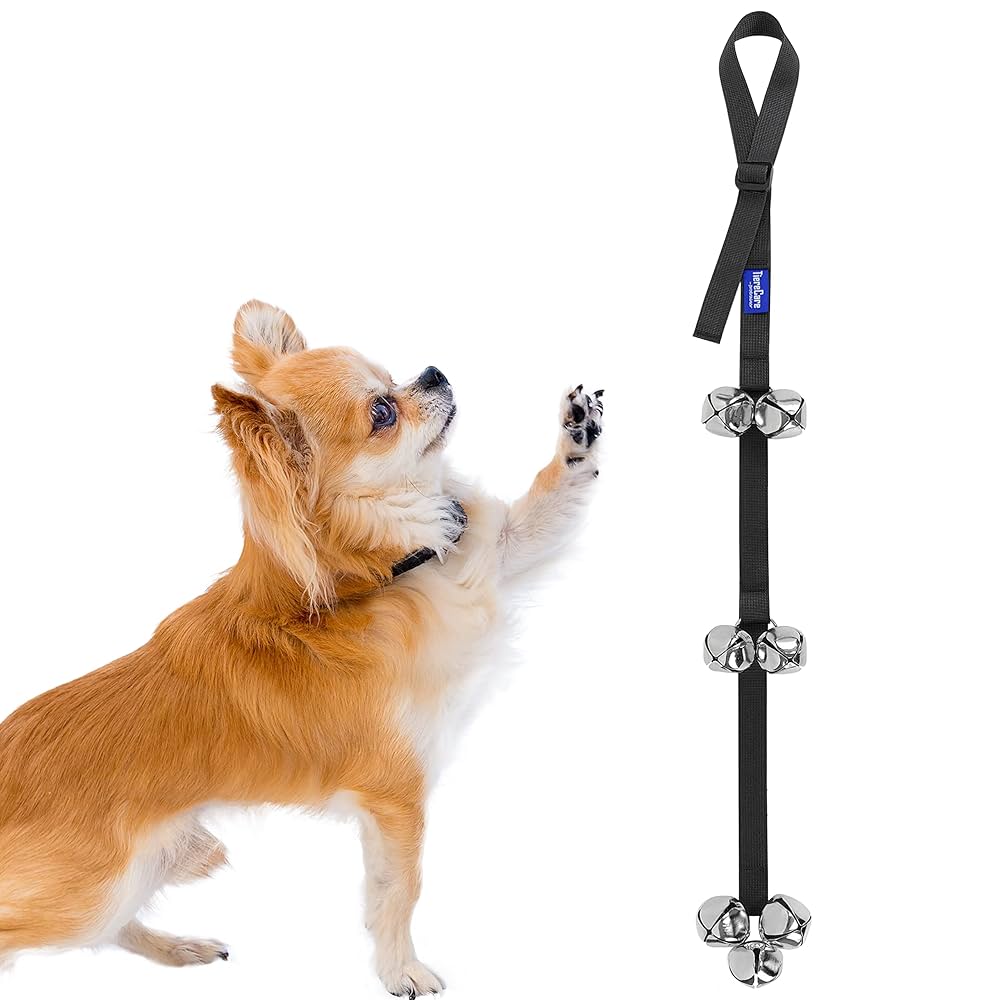

If you’re tired of guessing when your dog needs to go outside, bell training can be a simple and effective solution. Imagine your dog ringing a bell to tell you they need a bathroom break—no more accidents, no more confusion.
This method strengthens your bond and makes life easier for both of you. You’ll discover step-by-step how to teach your dog to use a bell, making potty time clear and stress-free. Ready to transform your daily routine? Let’s dive in.
Choosing The Right Bell
Choosing the right bell is essential to successful bell training your dog to go outside. The bell acts as your dog’s communication tool, so picking one that suits their size, hearing, and personality can make all the difference. A bell that is too loud or too quiet might confuse your dog or annoy your household.
Types Of Bells
There are several types of bells you can consider for training:
- Hanging Bells:These are often mounted on the door and ring when touched. They encourage your dog to nudge or paw at them.
- Handheld Bells:Smaller bells that you can attach to a leash or collar. These can be useful for teaching your dog to ring on command.
- Door-mounted Bell Strips:These come as a series of small bells on a strip and can be attached at your dog’s nose level.
Choosing between these depends on your dog’s size and how you want them to signal you.
Size And Sound Considerations
The bell’s size matters. A large bell might be too heavy or intimidating for a small dog. Conversely, a tiny bell might not be loud enough for you to hear.
Sound quality is just as important. Some bells have a sharp, high-pitched ring that could startle sensitive dogs. Others produce a softer, pleasant tone that might encourage your dog to use it more often.
Think about your living situation too. If you live in an apartment with thin walls, a bell that rings too loudly could disturb neighbors. Have you noticed how your dog reacts to different sounds? Use that observation to guide your choice.
Introducing The Bell To Your Dog
Introducing a bell to your dog is the first step in teaching them to signal when they need to go outside. The bell acts as a clear and simple communication tool between you and your pet. The goal is to help your dog understand that ringing the bell means they want to go out for a potty break.
Start slow and patient. Your dog needs time to get used to the sound and the idea of using the bell. Make the bell a fun and positive object. This approach helps your dog stay interested and ready to learn.
Familiarizing Your Dog
Place the bell near the door your dog uses to go outside. Let your dog sniff and explore the bell without pressure. Praise your dog for any attention given to the bell. This builds a positive link between the bell and going outside.
Ring the bell yourself a few times. This introduces the sound to your dog. Watch your dog’s reaction. Repeat this a few times daily. Keep the experience calm and positive to avoid confusion.
Encouraging Interaction
Encourage your dog to touch the bell with their nose or paw. Use treats or a favorite toy as motivation. Reward your dog immediately when they interact with the bell. This teaches your dog that ringing the bell leads to good things.
Try gently guiding your dog’s paw or nose to the bell. Celebrate every small success with praise and treats. Practice this step several times each day. Consistency helps your dog understand what to do.
Associating The Bell With Going Outside
Teaching your dog to ring a bell to go outside can simplify potty training. This method creates a clear communication signal between you and your pet. It’s all about associating the bell with the action of going outside. With patience and practice, your dog can learn this helpful skill.
Pairing Bell Ringing With Door Opening
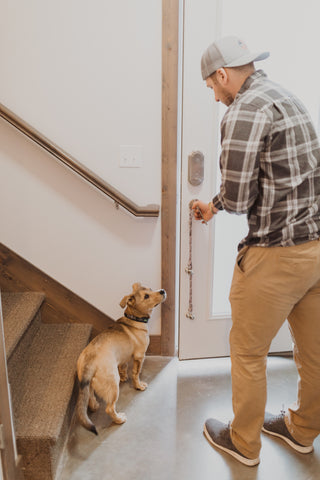
Start by hanging a bell near the door your dog uses. Encourage your dog to touch the bell with their nose or paw. As soon as they ring the bell, open the door immediately. This action helps them link the bell sound with the door opening.
Use treats to motivate your dog to interact with the bell. Hold a treat near the bell to draw their attention. Praise them warmly each time they ring the bell. Consistent positive reinforcement strengthens the association.
Timing And Consistency
Consistency is key to successful bell training. Always respond promptly when your dog rings the bell. Open the door and let them go outside right away. This immediate reaction reinforces the connection between the bell and going outside.
Practice regularly to reinforce the habit. Set specific times during the day for bell training sessions. This helps your dog understand that ringing the bell means it’s time to go outside.
Involve all family members in training for consistency. Everyone should follow the same steps and reactions. Consistent training helps your dog learn faster and reduces confusion.

Credit: www.leoalmanac.org
Reinforcing The Behavior
Reinforcing your dog’s bell training is key to making the behavior stick. Consistency and positive feedback help your dog understand that ringing the bell leads to going outside. This builds a reliable habit that benefits both of you in the long run.
Using Treats And Praise
Start by rewarding your dog immediately after they ring the bell and go outside. Use tasty treats that your dog loves to make the experience exciting. Pair treats with enthusiastic praise like “Good job!” or “Well done!” to strengthen the connection.
Try to catch the moment right after the bell ring to make sure your dog knows exactly what action you’re rewarding. You can also use a happy tone and petting to add extra encouragement. These positive signals tell your dog that ringing the bell means something good is coming.
Gradually Reducing Rewards
Once your dog consistently rings the bell to go outside, start cutting back on treats slowly. Instead of a treat every time, give one every other time or randomly. This prevents your dog from becoming dependent on food rewards alone.
Keep praising your dog even as you reduce treats. Verbal praise and affection can maintain motivation without needing constant food rewards. Have you noticed how some dogs respond better to praise than treats? It’s worth testing what works best for your furry friend.
By tapering rewards, your dog will learn to perform the behavior because it’s expected, not just for a snack. This step is essential for creating a behavior that lasts a lifetime.
Handling Common Challenges
Training your dog to use a bell to signal when they need to go outside can be a game-changer. Yet, it’s not always smooth sailing. You might face some common hurdles that test your patience and creativity.
Understanding these challenges helps you tackle them effectively and keeps your training on track. Here’s how to handle some typical issues that come up.
Ignoring The Bell
If your dog rings the bell but you don’t respond, they may lose interest. Dogs quickly learn that their efforts don’t bring results, so consistency is key.
Try to always respond promptly when the bell rings. Even if you’re busy, a quick trip outside reinforces the behavior.
Ask yourself: Are you missing those first few rings and unintentionally discouraging your dog? Setting reminders or having family members help can ensure you never miss a cue.
Excessive Ringing
Sometimes, dogs get excited and ring the bell repeatedly, which can be frustrating. This often happens when they want attention rather than to go outside.
To manage this, wait for just one clear ring before opening the door. Ignoring the extra rings teaches your dog to be patient and only ring when necessary.
Consider using a command like “wait” or “one ring” to clarify what you expect. This makes your dog’s requests more precise and reduces overuse of the bell.
Bell Chewing
Some dogs see the bell as a toy and start chewing it. This can damage your training tool and slow progress.
To prevent this, choose a sturdy bell designed for dogs or attach it higher up where your dog can reach it with their nose but not their mouth.
You can also redirect chewing by offering chew toys right after the bell use. This helps your dog understand the bell’s purpose without turning it into a plaything.

Credit: medium.com
Maintaining The Training Long-term
Maintaining bell training for your dog requires ongoing attention and care. Consistency helps your dog remember what the bell means. Without regular reinforcement, your dog might forget the behavior. Patience and persistence are key to long-term success.
Regular Practice
Practice bell training daily, even after your dog learns it. Short, frequent sessions work best to keep the habit strong. Praise your dog every time they ring the bell correctly. Avoid long breaks that might confuse your dog. Use the bell at the same door to build a clear connection.
Adapting To Changes
Changes in routine or environment can affect your dog’s training. If you move to a new house, place the bell in the same spot near the door. Adjust training times if your dog’s schedule changes. Watch for signs your dog is unsure and offer extra practice. Stay calm and patient during transitions to keep training effective.
Credit: mightypaw.com
Frequently Asked Questions
What Is Bell Training For Dogs?
Bell training teaches dogs to ring a bell when they need to go outside. It helps communicate their bathroom needs clearly. This method is effective, easy, and reduces accidents indoors by improving your dog’s communication skills.
How Do I Start Bell Training My Dog?
Begin by hanging a bell near the door. Encourage your dog to touch it with their nose or paw. Reward them immediately with treats and praise when they ring it. Consistency and patience are key to success.
How Long Does Bell Training Take?
Training duration varies but usually takes 1 to 3 weeks. Daily, short sessions and positive reinforcement speed up learning. Regular practice helps your dog understand the bell’s purpose quickly.
Can All Dog Breeds Learn Bell Training?
Yes, all dog breeds can learn bell training. It depends more on consistency and training methods than breed. Patience and positive reinforcement ensure success regardless of your dog’s size or age.
Conclusion
Teaching your dog to use a bell takes time and patience. Keep training sessions short and fun for your dog. Reward your dog each time it rings the bell correctly. Soon, your dog will ask to go outside without hesitation.
This method helps you avoid accidents inside the house. Stay consistent and calm throughout the process. Your dog will learn to communicate its needs clearly. Bell training builds trust and makes life easier for both of you. Try it step by step and watch your dog succeed.