
Are you wondering if it’s time to switch your furry friend to adult dog food? You want what’s best for your dog’s health and happiness, but the choices can feel confusing.
Making the right decision now can keep your dog strong, energetic, and thriving for years to come. Keep reading to discover when and why transitioning your dog’s diet matters—and how to do it smoothly without stress for you or your pet.
Credit: pet-supermarket.co.uk
When To Switch Dog Food
Knowing when to switch your dog from puppy food to adult food is important for their health and development. Feeding adult food too early or too late can affect their energy, growth, and digestion. Let’s look at clear signs and age guidelines that can help you make the right choice for your furry friend.
Age Guidelines For Transition
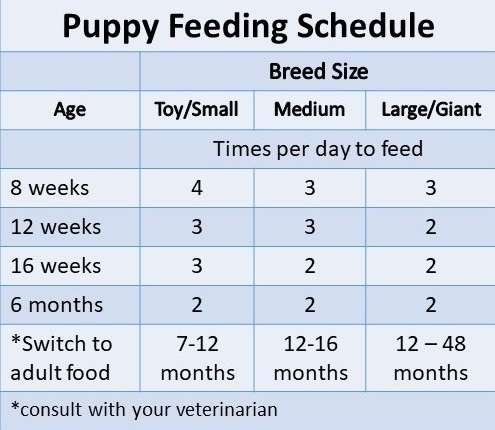
Most dogs are ready to switch to adult food between 9 and 12 months old. Smaller breeds tend to mature faster, so they might be ready closer to 9 months. Larger breeds often take longer, sometimes up to 18 months, due to their extended growth periods.
Keep your dog’s breed and size in mind because age alone doesn’t tell the whole story. If your dog is a Great Dane, waiting until 12 to 18 months might be best. On the other hand, a Chihuahua may be ready by 9 months.
Signs Your Dog Is Ready
Age is just a guideline; your dog’s behavior and body condition are better indicators. Look for signs like:
- Decreased growth rate – if your puppy’s growth has slowed or stopped.
- Change in energy levels – if your dog is calmer and less hyperactive.
- Teeth development – when adult teeth have fully come in.
If your dog seems hungry all the time or is gaining too much weight, it might be time to reconsider their diet. Have you noticed your puppy acting more mature or less playful? These subtle hints often mean their nutritional needs have shifted.
Credit: www.renspets.com
Differences Between Puppy And Adult Food
Understanding the differences between puppy and adult dog food is key to making the right choice for your furry friend. Puppy food isn’t just smaller kibble; it’s specially designed to support rapid growth and high energy levels. Adult food, on the other hand, focuses on maintaining health and preventing issues that arise with age.
Nutritional Needs
Puppies need more calories per pound of body weight because they are growing fast and burning a lot of energy. Their food is higher in protein and fat to support muscle development and brain growth. Adult dogs require fewer calories and a balanced diet to maintain weight and overall health without excess energy that can lead to obesity.
Have you noticed how your puppy’s appetite changes as they grow? That’s because their nutritional needs shift too. Feeding them adult food too early might leave them hungry or lacking vital nutrients. Conversely, continuing puppy food past the right age can cause unwanted weight gain.
Ingredient Variations
Puppy foods often contain ingredients that boost brain development, like DHA from fish oils. They also include higher levels of calcium and phosphorus for strong bones and teeth. Adult dog foods usually have ingredients aimed at joint health, such as glucosamine, and more fiber to support digestion.
Look closely at the ingredient list the next time you buy dog food. You’ll see puppy formulas enriched with vitamins and minerals tailored for growth stages, while adult formulas focus on balanced nutrition and maintaining vitality. Does your dog’s current food match their life stage and lifestyle?
Benefits Of Transitioning To Adult Food
Transitioning your dog to adult food is an important step. It ensures they receive the right nutrients for their age. As dogs grow, their nutritional needs change. Adult food provides balanced nutrition for mature dogs. Let’s explore the benefits of making this transition.
Supporting Growth And Energy
Adult food supports your dog’s energy levels. It contains essential nutrients for active lifestyles. Puppies have different energy needs than adults. Adult food meets the specific needs of mature dogs. It helps maintain their vitality and health.
Maintaining Healthy Weight
Adult food helps control your dog’s weight. It has balanced calories to prevent obesity. Overfeeding can lead to weight gain and health issues. Adult food portions are suitable for maintaining an ideal weight. This ensures your dog stays fit and healthy.
Risks Of Not Transitioning
Failing to transition your dog to adult food can lead to serious health risks. Puppies and adult dogs have different nutritional needs. Continuing puppy food for too long or skipping the change can cause problems. These issues affect your dog’s growth and well-being.
Nutritional Imbalance
Puppy food contains extra calories and nutrients for growth. Adult dogs need fewer calories to avoid weight gain. Feeding puppy food for too long can cause obesity. Too many nutrients can stress organs like the kidneys. Adult dog food has the right balance for maintenance. Without transition, your dog may not get proper nutrition. This imbalance can lower energy and harm health.
Digestive Issues
Puppy food is richer and harder to digest for adults. The digestive system changes as dogs grow. Not switching to adult food can cause stomach upset. Your dog might face diarrhea, vomiting, or gas. These issues make eating uncomfortable and reduce appetite. Adult food supports healthy digestion with suitable ingredients. Skipping the transition can disrupt gut health and nutrient absorption.
How To Transition Smoothly
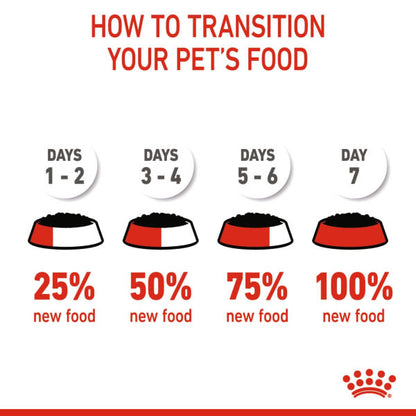
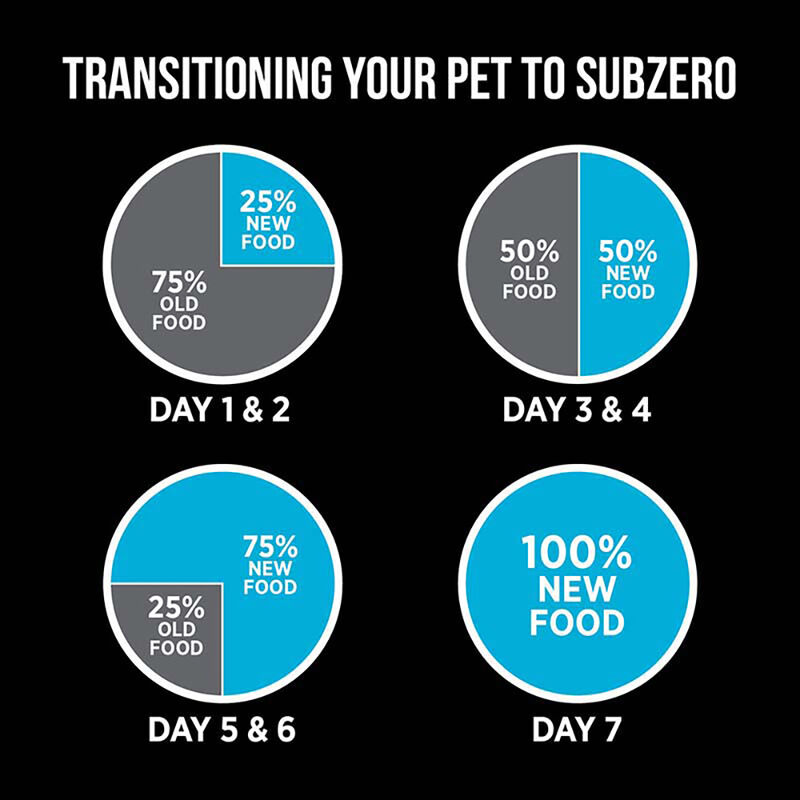
Transitioning your dog to adult food requires care and patience. A smooth change helps your dog adjust without digestive problems. Gradually mixing new food with old food reduces stress. This process supports your dog’s health and comfort during the change.
Step-by-step Process
- Start by mixing 25% adult food with 75% puppy food.
- Feed this mix for about three days to let your dog adjust.
- Increase the adult food to 50% and decrease puppy food to 50% for the next three days.
- Next, mix 75% adult food with 25% puppy food for three more days.
- Finally, switch to 100% adult food after about two weeks.
This slow change helps avoid stomach upset and keeps your dog happy.
Monitoring Your Dog’s Reaction
Watch your dog closely during the food change. Look for signs like vomiting, diarrhea, or loss of appetite. Check if your dog seems less energetic or uncomfortable.
Keep an eye on stool consistency and frequency. If you notice problems, slow down the transition. Give your dog extra time to adjust before increasing adult food.
Consult your vet if problems continue or your dog shows severe symptoms. Careful monitoring ensures your dog stays healthy and enjoys the new diet.
Choosing The Right Adult Food
Choosing the right adult food is key to your dog’s health and happiness. Adult dog food provides the nutrients needed for energy, muscle maintenance, and overall well-being. The selection process should consider quality ingredients and your dog’s unique needs. Careful thought helps ensure your dog thrives in this new stage of life.
Evaluating Ingredients
Check the ingredient list carefully. High-quality protein, such as chicken, beef, or fish, should be the first item. Whole grains like brown rice or oats add good energy. Avoid foods with too many fillers like corn or soy. Look for added vitamins and minerals for balanced nutrition. Natural preservatives are better than artificial ones.
Considering Breed And Size
Different breeds and sizes need different nutrition. Small breeds often require more calories per pound and smaller kibble size. Large breeds benefit from nutrients supporting joint health and slower growth. Breed-specific formulas can address unique health concerns. Match the food to your dog’s size and breed for best results.
When To Consult A Vet
Knowing when to consult a vet about transitioning your dog to adult food can save you from unnecessary stress and health issues. It’s not always a simple switch, especially if your dog has unique needs or starts showing signs of discomfort. Paying attention to these moments can help you make the best decision for your furry friend’s health.
Special Dietary Needs
Some dogs have specific dietary requirements that make transitioning more complicated. If your dog has allergies, sensitivities, or a medical condition like diabetes, it’s important to get professional advice. Your vet can recommend the best type of adult food or supplements to keep your dog healthy.
Have you noticed your dog avoiding certain foods or having digestive problems? This might indicate a special diet is necessary. Your vet can help identify which ingredients to avoid and suggest alternatives that still provide balanced nutrition.
Health Concerns During Transition
Switching your dog’s diet can sometimes cause digestive upset, like vomiting, diarrhea, or loss of appetite. If these symptoms persist beyond a few days, it’s time to talk to your vet. They can determine if the new food is suitable or if there’s an underlying health issue.
Your dog’s energy levels and coat condition also give clues about how well they are adjusting. If you see a sudden drop in energy or dull fur, don’t hesitate to get a check-up. These signs might mean the new food isn’t meeting your dog’s needs.
Credit: www.vetsupply.com.au
Frequently Asked Questions
When Should I Transition My Dog To Adult Food?
You should transition your dog to adult food around 12 months. Large breeds may need adult food at 18-24 months. This timing supports healthy growth and meets changing nutritional needs.
What Are Signs My Dog Needs Adult Food?
Signs include slowed growth, lower energy, and less need for puppy nutrients. Adult food helps maintain health and supports mature metabolism.
Can I Feed Puppy Food To An Adult Dog?
Feeding puppy food to an adult dog long-term is not recommended. It has excess calories and nutrients that may cause weight gain or health issues.
How Do I Switch My Dog To Adult Food?
Gradually mix adult food with puppy food over 7-10 days. This helps avoid digestive upset and allows your dog to adjust smoothly.
Conclusion
Transitioning your dog to adult food depends on their age and health. Puppies need special nutrients for growth. Adult dogs require balanced food for energy and maintenance. Watch your dog’s size, activity, and health closely. Sudden changes can upset their stomach.
Gradual switching helps them adjust well. Consult your vet to choose the right food. Healthy eating supports a happy, active dog. Taking time with this change benefits your pet’s life. Keep your dog’s needs in mind always.