
Are you worried that feeding your dog a grain free diet might harm their heart? You’re not alone.
Many pet owners are asking the same question, wondering if skipping grains could lead to serious health problems. Your dog’s health is important, and understanding the truth behind this concern can help you make the best choices for them. Keep reading to uncover the facts about grain free diets and heart disease in dogs – what you need to know to keep your furry friend happy and healthy.
Grain Free Diet Basics
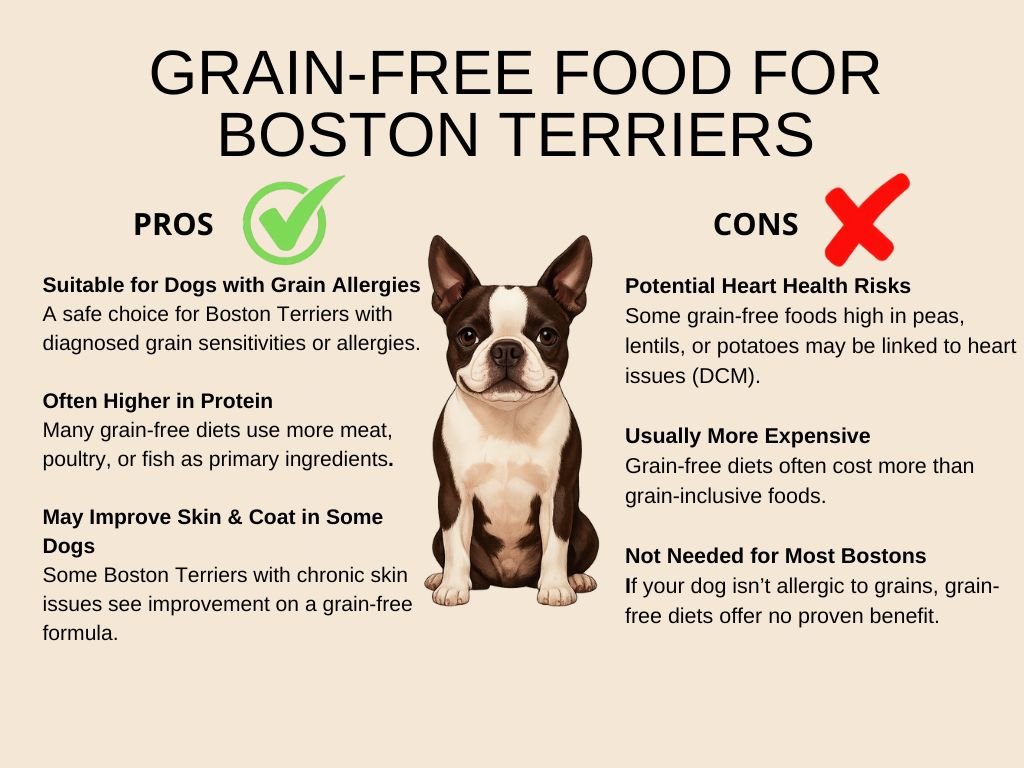
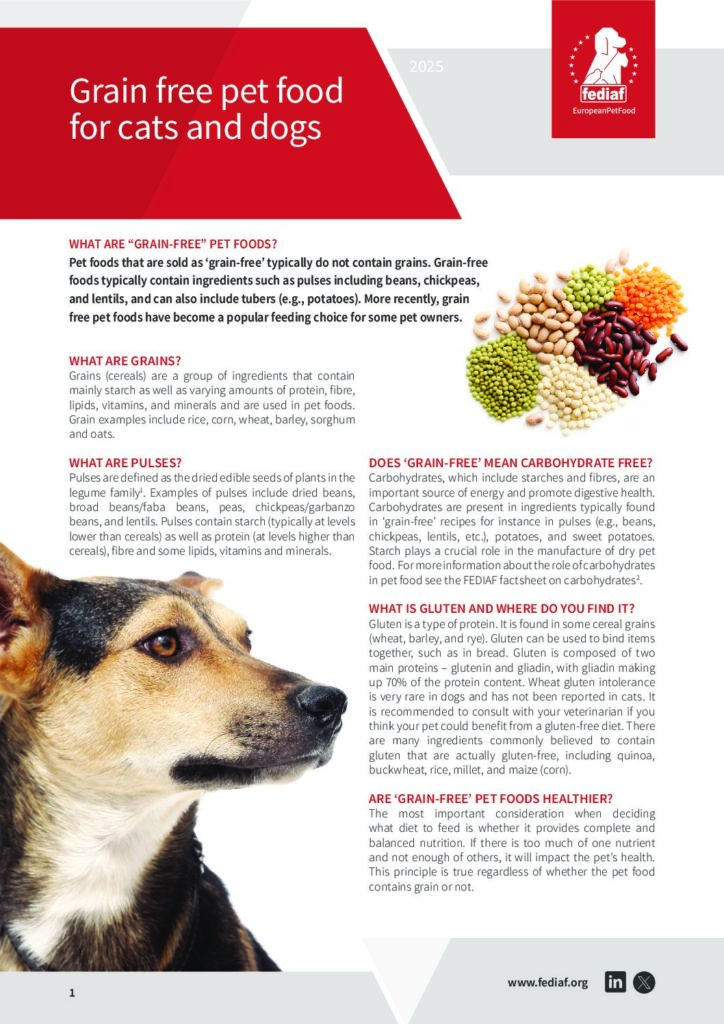
A grain free diet for dogs removes grains like wheat, corn, and rice. This type of diet focuses on other sources of carbohydrates and proteins. Many pet owners choose grain free food for dogs with allergies or digestive issues. Some believe it is closer to a dog’s natural diet. Understanding the basics helps you decide if it suits your dog’s health needs.
What Is A Grain Free Diet
A grain free diet excludes all cereal grains. This means no barley, oats, corn, or wheat. Instead, it uses ingredients like vegetables and legumes to replace grains. The diet aims to reduce allergies and digestive problems. It also offers an alternative for dogs sensitive to grains. Grain free dog food often contains higher protein levels.
Common Ingredients In Grain Free Dog Food
- Meat such as chicken, beef, lamb, or fish
- Vegetables like sweet potatoes, peas, and carrots
- Legumes including lentils, chickpeas, and beans
- Fruits such as blueberries and apples for antioxidants
- Other carbohydrate sources like potatoes and tapioca
These ingredients provide energy and nutrients without grains. The focus is on whole foods that support digestion and health. Many brands add vitamins and minerals to balance the diet. Always check the label for the exact ingredients.
Credit: europeanpetfood.org
Heart Disease In Dogs
Heart disease in dogs affects their ability to pump blood properly. This condition can develop over time or appear suddenly. It often reduces a dog’s quality of life and can shorten their lifespan. Early detection and treatment improve chances of managing the disease. Understanding heart disease helps dog owners spot warning signs early.
Types Of Canine Heart Disease
- Dilated Cardiomyopathy (DCM):The heart muscle weakens and thins, causing poor blood pumping.
- Valvular Heart Disease:Heart valves become damaged, leading to blood leakage and heart strain.
- Congenital Heart Defects:Dogs are born with structural heart problems affecting blood flow.
- Heartworm Disease:Parasites living in the heart cause inflammation and damage.
- Arrhythmias:Irregular heartbeats that can affect heart function.
Symptoms To Watch For
- Coughing, especially at night or after exercise
- Difficulty breathing or rapid breathing
- Fatigue or weakness during walks
- Swollen abdomen from fluid buildup
- Fainting or collapse episodes
- Loss of appetite and weight loss
Link Between Grain Free Diets And Heart Disease
The topic of grain-free diets for dogs has sparked debate. Some pet owners worry about potential health risks. One concern is a possible link to heart disease. Understanding this connection is crucial for dog owners.
Research Findings And Studies
Several studies have explored the link between grain-free diets and heart disease in dogs. Research indicates that some dogs on grain-free diets develop heart problems. The FDA has investigated these reports. They found a potential connection to certain ingredients. Peas, lentils, and potatoes are often present in grain-free dog foods. These ingredients might be linked to heart issues.
Scientists continue to study this association. They aim to understand how diet impacts heart health. More research is needed for definitive answers. Until then, experts recommend caution with grain-free diets.
Role Of Taurine And Other Nutrients
Taurine is an essential nutrient for heart health in dogs. Some grain-free diets may lack adequate taurine. This deficiency can lead to heart disease. Dogs need a balanced diet to ensure proper nutrient intake. Grain-free foods might not provide all necessary nutrients.
Other nutrients also play a vital role. Vitamins and minerals are crucial for maintaining heart health. A balanced diet helps prevent deficiencies. Dog owners should consult veterinarians about diet choices. Ensuring nutrient-rich food can support a dog’s overall well-being.
Credit: wefeedraw.com
Factors Influencing Canine Heart Health
Canine heart health depends on many factors beyond just diet. Genetics, breed, and nutrition all play key roles. Understanding these elements helps pet owners make better choices for their dogs’ well-being. Heart disease in dogs can arise from several causes. Knowing what influences heart health aids in prevention and care.
Genetics And Breed Susceptibility
Some dog breeds have a higher risk of heart problems. Breeds like Dobermans, Boxers, and Cavalier King Charles Spaniels often face genetic heart issues. These breeds can inherit conditions such as dilated cardiomyopathy or valve diseases.
Genetic predisposition means heart disease can develop even with good care. Early screening and regular vet check-ups are essential for at-risk breeds. Recognizing breed risks helps catch heart issues early.
Dietary Balance And Quality
Balanced nutrition supports a strong heart. Dogs need a diet rich in essential nutrients like taurine, carnitine, and omega-3 fatty acids. These nutrients help maintain healthy heart muscles and blood flow.
Low-quality or unbalanced diets might lack these vital nutrients. Grain-free diets sometimes miss key components if not formulated carefully. High-quality ingredients and proper supplementation support heart health.
Always choose dog food with balanced nutrition. Consult a vet about the best diet for your dog’s breed and health needs.
Evaluating Grain Free Food Choices
Choosing the right grain free food for your dog means more than just picking a product labeled “grain free.” You need to look closely at the ingredients and nutritional content to ensure it supports your pet’s heart health and overall well-being. Understanding what goes into the food can help you avoid hidden risks and provide the best care for your furry friend.
Reading Dog Food Labels
Dog food labels can be confusing, but learning to read them is crucial. Focus on the first few ingredients—they should be quality protein sources like chicken, beef, or fish, not fillers or unknown additives.
Check for added vitamins and minerals, especially taurine, which supports heart health. Some grain free diets might lack taurine or have ingredients that interfere with its absorption. Have you noticed if your dog’s food lists this important nutrient?
Look for clear information about the carbohydrate sources. Grain free doesn’t mean carb free; many products use peas, potatoes, or lentils instead. These can affect your dog’s health differently, so understanding their role is important.
Choosing Safe And Nutritious Options
Not all grain free diets are created equal. Select brands that provide transparent ingredient sourcing and have undergone feeding trials to prove their food is safe and nutritious.
Consider options that balance protein, fats, and carbohydrates while including essential nutrients like taurine and L-carnitine. These elements help maintain a strong heart and overall vitality.
Have you consulted your vet about your dog’s specific needs? Personalized advice can guide you to the best grain free options that support heart health without compromising nutrition.
Veterinary Perspectives
Veterinary perspectives offer valuable insights into the ongoing debate about grain free diets and heart disease in dogs. Vets study pet health closely and base their opinions on research and clinical experience. Their views help pet owners make informed decisions about their dog’s nutrition and well-being.
Expert Opinions On Grain Free Diets
Many veterinarians express caution about grain free diets. They note some cases of dilated cardiomyopathy (DCM) linked to these diets. Yet, vets also recognize that not all grain free foods cause health problems. The quality of ingredients and balanced nutrition matter most.
Experts emphasize these points:
- Grain free diets may lack certain nutrients dogs need for heart health.
- Taurine deficiency is one concern linked to some grain free formulas.
- Not all dogs react the same to grain free diets; breed and genetics play roles.
- More research is needed to fully understand the risks and benefits.
When To Consult Your Vet
Consult your veterinarian if you consider switching to a grain free diet. Discuss your dog’s breed, health status, and current diet. Vets can recommend tests to check heart health and nutrient levels. Early detection of any issues can prevent serious problems.
Visit the vet if your dog shows these signs:
- Unusual tiredness or weakness
- Difficulty breathing or coughing
- Loss of appetite
- Swelling in the abdomen or legs
Regular vet visits and honest conversations help keep your dog healthy.
Alternatives To Grain Free Diets
Choosing the right diet for your dog can be confusing, especially with so much conflicting information about grain free options. If you’re worried about the potential link between grain free diets and heart disease, it helps to know there are other ways to keep your dog healthy and happy. Let’s look at some alternatives that might suit your dog better.
Grain Inclusive Diet Benefits
Grains like brown rice, oats, and barley provide important nutrients such as fiber, vitamins, and minerals. These nutrients support healthy digestion and steady energy levels in dogs.
Many dogs thrive on diets that include grains, and some vets recommend them because they help balance the overall nutrition. Including grains can also reduce the risk of nutritional deficiencies that might arise from an overly restrictive diet.
Have you noticed your dog’s energy or digestion improve when you added grains? That could be a sign that a grain inclusive diet works well for your furry friend.
Customized Nutrition Plans
Every dog is unique, with different health needs and sensitivities. A customized nutrition plan, designed with your vet or pet nutritionist, can focus on your dog’s specific requirements without blindly following trends.
This approach helps avoid common pitfalls like missing essential nutrients or causing unintended health issues. You can choose ingredients that suit your dog’s taste and health conditions, whether they need more protein, certain vitamins, or limited allergens.
Imagine having a diet tailored just for your dog’s needs instead of guessing what’s best. Wouldn’t that give you peace of mind about their health?

Credit: wefeedraw.com
Frequently Asked Questions
Does Grain Free Diet Cause Heart Disease In Dogs?
Grain free diets have been linked to canine heart disease, specifically dilated cardiomyopathy (DCM). However, not all grain free foods cause this. The risk depends on ingredients and nutrient balance. Consult your vet before changing your dog’s diet to ensure heart health.
Why Are Grain Free Diets Linked To Dog Heart Issues?
Grain free diets often replace grains with legumes or potatoes, which may affect nutrient absorption. Some diets lack sufficient taurine, an amino acid vital for heart function. This deficiency can contribute to heart problems in dogs, especially in certain breeds.
Can Dogs Eat Grain Free Food Safely?
Yes, dogs can safely eat grain free food if it meets nutritional standards. Choose brands that include taurine and essential nutrients. Regular vet checkups can help monitor your dog’s heart health while on a grain free diet.
What Symptoms Indicate Heart Disease In Dogs?
Symptoms include coughing, fatigue, difficulty breathing, fainting, and reduced exercise tolerance. Early detection is key to managing heart disease. If your dog shows these signs, consult your vet immediately for diagnosis and treatment.
Conclusion
Grain free diets do not directly cause heart disease in dogs. Some cases link diet to heart problems, but more research is needed. Always choose dog food with balanced nutrients and quality ingredients. Talk to your vet before changing your dog’s diet.
Regular check-ups help catch health issues early. Feeding your dog well supports a long, happy life. Remember, every dog is different and needs proper care.