
Wearing a helmet while cycling is essential for safety. It protects against head injuries and enhances overall security.
Cycling helmets are crucial for protecting the head during rides. They are designed to absorb impact and reduce the risk of serious injury. Helmets come in various styles and sizes, catering to different cycling activities like road biking, mountain biking, or commuting.
A well-fitted helmet increases comfort and effectiveness, ensuring it stays securely in place during rides. Modern helmets often feature ventilation systems to keep cyclists cool, and many include adjustable straps for a custom fit. Choosing the right helmet involves considering factors like fit, style, and safety certifications. Investing in a quality helmet is a smart decision for any cyclist, prioritizing safety and peace of mind on the road.

Credit: lazersport.us
Importance Of Helmets In Cycling
Cycling is a thrilling sport and an eco-friendly mode of transportation. Despite its benefits, it presents risks that necessitate safety precautions. Helmets are the cornerstone of cycling safety, offering protection, adhering to legal standards, and significantly reducing the chances of serious injuries. Understanding their importance is vital for every cyclist, whether a casual rider or a professional athlete.
Protection Against Head Injuries
Head injuries are the most severe consequence of cycling accidents. A helmet acts as a protective shield, absorbing impact and minimizing trauma. Its design specifically targets the prevention of skull fractures and brain injuries. The outer shell disperses force, while the inner padding cushions the head. This combination is crucial in safeguarding the brain from high-impact collisions.
| Impact Type | Protection Level |
|---|---|
| Direct Impact | High |
| Angular Impact | Moderate |
Legal Requirements And Safety Standards
Many regions mandate helmet use by law, reflecting its role in public safety. Compliance not only avoids legal repercussions but also aligns with established safety standards. These standards include rigorous testing for durability, impact resistance, and visibility. Helmets certified by organizations such as CEand CPSCensure reliable protection.
- CE Certification: European standard for safety.
- CPSC Certification: US Consumer Product Safety Commission standard.
- AS/NZS Certification: Australian/New Zealand safety standard.
Statistics On Helmet Use And Accident Prevention
Statistics underscore the effectiveness of helmets in accident prevention. Studies show that helmet use reduces the risk of head injury by up to 85%. Countries with strict helmet laws report lower cycling fatalities. Data from the National Highway Traffic Safety Administrationhighlights a significant decrease in severe injuries among helmeted cyclists.
- 85%reduction in head injury risk with helmet use.
- Lower fatality rates in regions with mandatory helmet laws.
- Annual reports confirm fewer severe injuries among helmeted cyclists.
Choosing The Right Helmet
Finding the perfect helmet is crucial for safety and comfort during your cycling adventures. With numerous options available, selecting the right helmet might seem overwhelming. This guide will help you navigate through the choices, ensuring you find a helmet that meets your specific cycling needs and preferences.
Types Of Helmets For Different Cycling Needs
Cyclists engage in various styles of riding, each requiring a specific type of helmet to ensure optimal protection and performance.
- Road Helmets:Ideal for road cycling, these helmets are lightweight and aerodynamic, with plenty of ventilation to keep you cool.
- Mountain Helmets:These helmets offer more coverage and protection, designed to withstand rough terrains and include a visor to shield against sunlight and debris.
- Commuter Helmets:Perfect for everyday use, commuter helmets provide a balance between comfort and protection, often featuring reflective elements for increased visibility.
- BMX and Skate Helmets:Built to endure impacts, these helmets are suitable for BMX biking and skateboarding, offering a robust and durable structure.
Factors To Consider: Fit, Material, And Weight
Choosing the right helmet involves considering several factors that contribute to comfort and safety.
- Fit:The helmet should fit snugly without being too tight. Measure your head circumference and consult size charts to find the perfect fit. Adjust the straps and retention system to ensure it stays securely in place.
- Material:High-quality helmets typically use materials like polycarbonate or in-mold construction for durability. Check for EPS foam lining for superior shock absorption.
- Weight:A lightweight helmet reduces neck strain and enhances comfort during long rides. Opt for helmets that balance weight with safety features.
Technology Advancements In Helmet Design
Innovative technologies have transformed helmet designs, offering enhanced safety and convenience.
- MIPS Technology:Multi-directional Impact Protection System (MIPS) reduces rotational forces during angled impacts, providing an extra layer of safety.
- Integrated LED Lights:Some helmets come with built-in LED lights, improving visibility during night rides and ensuring you stay seen by other road users.
- Smart Helmets:Equipped with Bluetooth connectivity and built-in speakers, smart helmets allow for hands-free calling and listening to music while riding.
- Aerodynamic Designs:Advanced aerodynamics minimize drag, making these helmets perfect for competitive cyclists seeking to improve speed.
By understanding these aspects, cyclists can make informed decisions and choose a helmet that not only enhances safety but also complements their cycling style.
Combining Safety With Style
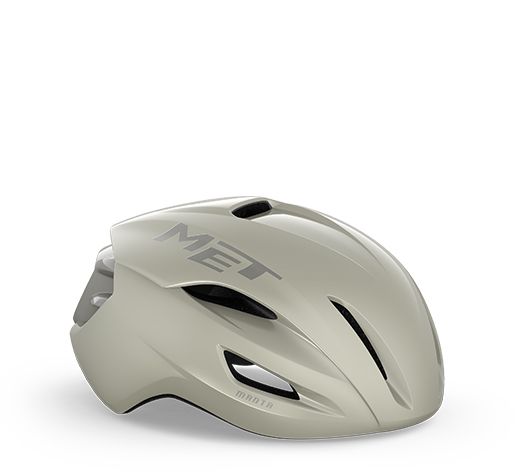
In the world of cycling, helmets are more than just a safety measure; they are an extension of personal style and identity. As technology advances, manufacturers are creating helmets that not only protect but also appeal to the fashion-conscious cyclist. This fusion of safety and style has led to innovative designs and customizable options that cater to individual preferences.
Trends In Helmet Design And Aesthetics
Modern helmets are breaking away from traditional forms. Designers are introducing sleek lines, vibrant colors, and unique patterns that make a statement. Some of the latest trends include:
- Aerodynamic Shapes– Enhancing speed while maintaining a stylish silhouette.
- Eco-Friendly Materials– Incorporating sustainable materials without compromising safety.
- Integrated Technology– Features like built-in lights and Bluetooth connectivity.
These trends are not just about appearances; they also improve performance and comfort, making cycling a more enjoyable experience.
Customizing Helmets For Personal Style
Customization options allow cyclists to express their individuality. Personalizing a helmet can be as simple as selecting a specific color or pattern, or as detailed as adding custom decals and accessories. Here are some ways to customize your helmet:
- Decals and Stickers– Easily apply unique designs or logos.
- Interchangeable Visors– Swap out visors to match your outfit or mood.
- Personalized Fit– Adjustable padding systems for a snug, comfortable fit.
These options not only enhance aesthetics but also ensure that your helmet is a true reflection of your personality.
Balancing Functionality And Fashion
Combining functionality with fashion is crucial in helmet design. The best helmets provide robust protection while being lightweight and comfortable. Key features to consider include:
| Feature | Benefit |
|---|---|
| Ventilation | Keeps you cool during rides. |
| Adjustable Straps | Ensures a secure and customized fit. |
| Impact-Resistant Materials | Provides maximum protection. |
Striking the right balance between fashion and functionality ensures that cyclists can ride confidently and in style, knowing they are well-protected.
Credit: www.met-helmets.com
Maintaining And Caring For Your Helmet
Cycling helmets are essential for safety, protecting your head during rides. Proper maintenance and care ensure your helmet remains effective and lasts longer. This section provides valuable tips on inspecting, cleaning, and understanding your helmet’s warranty and insurance options.
Regular Inspection And Replacement Guidelines
Performing regular inspections is crucial for helmet safety. Follow these guidelines:
- Visual Check:Look for any visible cracks, dents, or deformities.
- Strap Integrity:Ensure the straps are not frayed or damaged.
- Replace Schedule:Replace your helmet every 3-5 years or after any impact.
Cleaning And Storage Tips
Keeping your helmet clean and storing it properly extends its lifespan. Here are some tips:
- Use Mild Soap:Clean the helmet with a soft cloth and mild soap.
- Avoid Chemicals:Do not use harsh chemicals or solvents.
- Dry Properly:Air dry your helmet in a shaded area.
- Safe Storage:Store in a cool, dry place, away from direct sunlight.
Understanding Warranty And Insurance Options
Knowing your helmet’s warranty and insurance options can save you money and ensure safety. Consider these points:
| Aspect | Description |
|---|---|
| Warranty Details | Check the manufacturer’s warranty period and coverage. |
| Insurance Coverage | Some insurance policies cover helmet replacements after accidents. |
| Registration Benefits | Register your helmet for extended warranties or additional benefits. |

Credit: www.bikeradar.com
Frequently Asked Questions
What Is The Best Helmet For Cycling?
The best helmet for cycling depends on your needs and budget. Look for helmets with good ventilation, a snug fit, and safety certifications like CPSC. Brands like Giro, Bell, and Specialized offer reliable options that combine comfort, style, and protection for various types of cycling activities.
How Do I Choose The Right Helmet Size?
To choose the right helmet size, measure your head’s circumference with a soft tape measure. Match this measurement to the helmet sizing chart provided by the manufacturer. Ensure the helmet sits level on your head, fits snugly, and does not wobble or tilt when worn.
Are Expensive Cycling Helmets Worth It?
Expensive cycling helmets often offer advanced features like superior aerodynamics, lighter materials, and enhanced ventilation. They also tend to have better safety technology, such as MIPS. If you cycle frequently or competitively, investing in a higher-end helmet can improve comfort and performance.
How Often Should I Replace My Cycling Helmet?
Replace your cycling helmet every 3 to 5 years, or immediately after a crash. Over time, UV rays and general wear can degrade the helmet’s materials. Regularly inspect your helmet for any signs of damage or cracks, which indicate the need for replacement.
Conclusion
Choosing the right helmet is crucial for safe cycling. It protects your head, ensuring a safer ride every time. With advancements in helmet technology, you can find options that offer comfort and style. Prioritize helmets with a snug fit, ample ventilation, and reliable impact resistance.
Remember, a good helmet can prevent serious injuries, making it an indispensable part of your cycling gear. Consider helmets with adjustable straps and lightweight materials for enhanced comfort. Don’t compromise on safety by selecting budget options that lack certification. Investing in a quality helmet is a commitment to your safety and well-being.
Always replace your helmet after any significant impact or every few years. As you enjoy your cycling adventures, ensure your helmet remains in top condition for optimal protection. Make informed choices by researching and trying on various helmets to find the perfect match.
Stay safe and enjoy your ride!
