
Wearing a helmet while cycling significantly reduces the risk of head injuries. Helmets provide essential protection and enhance safety.
Cycling helmets are crucial for ensuring safety on the road. They are designed to absorb impact and protect the head during accidents. Lightweight materials and aerodynamic designs make modern helmets comfortable and efficient. Many helmets feature ventilation systems to keep cyclists cool during long rides.
Adjustable straps and padding ensure a snug fit, enhancing comfort and safety. Choosing the right helmet involves considering factors like size, style, and features. Bright colors and reflective elements improve visibility, making cyclists more noticeable to drivers. Investing in a quality helmet is a smart decision for anyone who rides a bicycle. Prioritizing safety can make cycling a more enjoyable experience.

Credit: www.bikeradar.com
Importance Of Helmets In Cycling
Cycling is a popular activity enjoyed by millions worldwide. Whether for commuting, fitness, or recreation, ensuring safety on the road is crucial. Helmets serve as a vital piece of safety equipment, protecting cyclists from potential head injuries. Understanding the significance of wearing a helmet can make all the difference in riding safely.
Safety Benefits Of Wearing A Helmet
Helmets are designed to absorb impact and reduce the risk of head injuries. Here are some key safety benefits:
- Protection from Head Injuries:Helmets provide a protective layer that can significantly lower the risk of serious head injuries during a fall or collision.
- Enhanced Visibility:Many helmets come with reflective materials or bright colors, making cyclists more visible to other road users.
- Weather Shield:Helmets can offer protection against harsh weather conditions, keeping the head dry and comfortable.
Regulations And Standards For Cycling Helmets
Ensuring that a helmet meets safety standards is crucial for effective protection. Different regions have specific regulations:
| Region | Standard |
|---|---|
| United States | CPSC (Consumer Product Safety Commission) |
| Europe | EN 1078 |
| Australia/New Zealand | AS/NZS 2063 |
Always check for certification labels on the helmet to ensure compliance with local standards. A certified helmet ensures it has undergone rigorous testing for safety and durability.
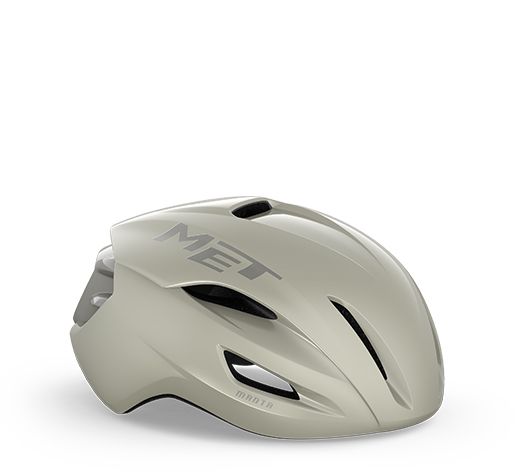
Credit: www.met-helmets.com
Selecting The Right Helmet
Choosing the right helmet is crucial for any cyclist, offering protection and comfort during rides. Whether you’re a casual rider or a competitive cyclist, ensuring that your helmet fits well and meets your specific needs can make a significant difference in your cycling experience. Explore the types of helmets available and understand the key features to consider to make an informed decision.
Types Of Helmets For Different Cycling Needs
Not all helmets are created equal. Different cycling activities demand specific helmet types to ensure optimal performance and safety.
- Road Helmets:Lightweight and aerodynamic, ideal for long-distance cycling on paved roads.
- Mountain Helmets:Designed for rugged terrain, offering enhanced protection with visors and extra coverage.
- Commuter Helmets:Perfect for daily rides, featuring reflective elements and built-in lights for visibility.
- Full-Face Helmets:Provide maximum protection, suitable for downhill or BMX biking.
Key Features To Consider When Choosing A Helmet
Several features determine the effectiveness and comfort of a helmet. Pay attention to these essential aspects:
| Feature | Description |
|---|---|
| Fit | A snug fit ensures the helmet stays securely in place. Measure your head circumference for accurate sizing. |
| Ventilation | Good airflow prevents overheating, especially on hot days or long rides. |
| Safety Certifications | Look for helmets with certifications like CPSC, ensuring they meet safety standards. |
| Adjustability | Features like adjustable straps and dial-fit systems enhance comfort and fit. |
| Weight | Lightweight helmets reduce strain on the neck and improve comfort during extended use. |
Consider these factors to find a helmet that not only protects but also complements your cycling style and preferences. Investing time in selecting the right helmet can significantly enhance your safety and enjoyment on every ride.
Enhancing Performance With Helmets
Cycling helmets are not just about safety. They play a significant role in enhancing performance by offering features that improve speed, comfort, and endurance. Whether you’re a professional cyclist or a weekend enthusiast, understanding how helmets can boost your ride can make a difference in achieving your cycling goals.
Aerodynamics And Lightweight Design
The sleek, aerodynamic design of modern cycling helmets helps reduce drag, allowing you to cut through the air with minimal resistance. This design is crucial for maintaining higher speeds without exerting additional energy. Manufacturers use advanced materials to ensure helmets remain lightweight, which prevents added strain on your neck and shoulders during long rides.
| Feature | Benefit |
|---|---|
| Aerodynamic Shape | Reduces wind resistance for faster speeds |
| Lightweight Materials | Minimizes strain, enhancing comfort |
Ventilation And Comfort For Long Rides
Proper ventilation is crucial for maintaining comfort during extended cycling sessions. Helmets equipped with strategically placed vents allow air to circulate, keeping your head cool and reducing sweat build-up. Comfort features such as adjustable straps and padding enhance the fit, ensuring the helmet stays securely in place without causing discomfort.
- Ventilation Vents: Promote airflow and cooling
- Adjustable Straps: Offer a personalized fit
- Padding: Provides cushioning for long rides
- Choose a helmet with optimal vent placement.
- Ensure the helmet has adjustable straps for better fit.
- Check for comfortable padding to prevent pressure points.
Conclusion:Investing in a performance-oriented helmet can significantly impact your cycling efficiency and comfort. Opt for helmets that offer aerodynamic benefits and superior ventilation to enhance your cycling experience.

Credit: www.cyclist.co.uk
Maintaining And Caring For Your Helmet
Ensuring your cycling helmet is well-maintained is crucial for both safety and longevity. A properly cared-for helmet not only offers the best protection but also enhances your cycling experience. This guide provides essential tips on cleaning, storing, and knowing when it’s time to replace your helmet.
Proper Cleaning And Storage Techniques
Keeping your helmet clean and well-stored is essential. Dirt, sweat, and grime can degrade materials over time. Follow these steps to maintain your helmet’s condition:
- Cleaning:Use a mild soap and water to gently clean the outer shell and inner padding. Avoid harsh chemicals that can damage the helmet.
- Air Drying:Let your helmet air dry completely before storing. Avoid direct sunlight as it can weaken materials.
- Storage:Store in a cool, dry place. Use a helmet bag or a soft cloth to prevent dust accumulation.
When To Replace Your Helmet
Knowing when to replace your helmet is vital for safety. Here’s how you can determine if it’s time for a new one:
- After an Impact:Replace immediately after a crash or any significant impact. The integrity might be compromised even if there’s no visible damage.
- Visible Damage:Look for cracks, dents, or significant wear and tear. These signs indicate it’s time for a new helmet.
- Age of the Helmet:Helmets generally have a lifespan of 3 to 5 years. Check the manufacturer’s recommendations for specific guidance.
Frequently Asked Questions
Why Is A Helmet Important For Cycling?
Wearing a helmet protects your head during falls or accidents. It reduces the risk of serious injuries, ensuring safer cycling experiences. Helmets are designed to absorb impact, offering essential protection. They’re a crucial part of cycling safety gear, recommended by experts for all cyclists.
What Features Should A Cycling Helmet Have?
A good cycling helmet should have proper ventilation, adjustable straps, and a secure fit. It should be lightweight yet durable. Consider helmets with MIPS technology for added protection. Ensure it meets safety standards for optimal security. Comfort and visibility are also important features to look for.
How Do You Choose The Right Helmet Size?
Measure your head’s circumference with a tape measure. Compare it with the helmet’s sizing chart provided by manufacturers. Ensure a snug fit without being too tight. The helmet should sit flat on your head, not tilted. Adjust the straps for comfort and security, ensuring it stays in place.
How Often Should You Replace A Cycling Helmet?
Replace your helmet every 3 to 5 years, or sooner if involved in a crash. Helmets degrade over time due to weather exposure. Regularly inspect for cracks or damage. Newer models may offer improved technology and safety features. Always prioritize your safety by keeping your gear updated.
Conclusion
Choosing the right helmet for cycling is crucial for safety and comfort. A well-fitted helmet protects against head injuries and enhances confidence. Prioritize helmets with safety certifications for maximum protection. Lightweight and breathable designs ensure comfort during long rides. Adjustable straps and padding offer a customized fit.
Consider helmets with advanced features like LED lights for visibility. Explore options with built-in cameras to capture your cycling adventures. Style matters too, so select a helmet that matches your personality and gear. Remember, investing in a quality helmet is investing in your safety.
Regularly check for wear and tear, replacing helmets when needed. By prioritizing safety and comfort, you’ll enjoy cycling with peace of mind. Embrace the freedom and thrill of cycling, knowing you’re protected. Stay safe, stylish, and confident on every ride.
Your perfect helmet awaits, ready to accompany you on every adventure.
